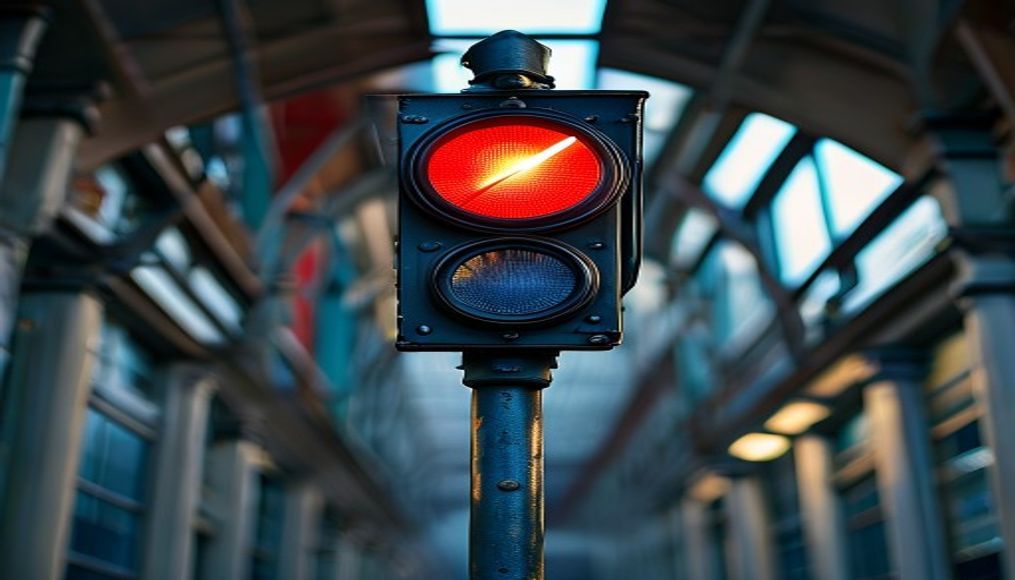
Railway station antique
1344×768 · AVIF · CC BY 4.0
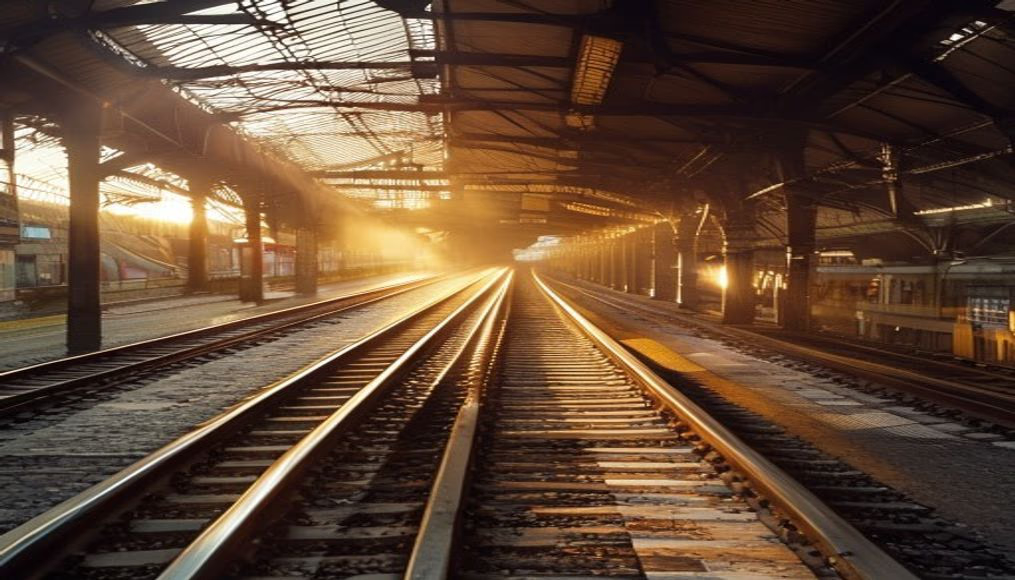
Antique railway stations stand as testaments to the golden age of rail travel, blending grand architecture with stories of journeys from a bygone era.
About this subject
Antique railway stations, built between the late 19th and mid-20th centuries, represent invaluable architectural and cultural heritage. In Brazil, examples like São Paulo's Luz Station (inaugurated in 1901) and Rio de Janeiro's Central do Brasil Station (1858) reflect European influences, especially English and French, with imposing facades, clock towers, and metal structures. These buildings were designed to handle the growing passenger and cargo flow during the coffee cycle and industrialization. Many old stations have been restored and now house museums, cultural centers, or are tourist attractions, such as São Bento Station in Porto, Portugal, known for its historic azulejo tiles.
The significance of these structures goes beyond functionality: they symbolize technological progress and regional connectivity. Usually located in urban centers, they served as gateways for immigrants and travelers. Worldwide, stations like New York's Grand Central Terminal (1913) and London's St. Pancras Station (1868) are architectural icons, featuring neoclassical, neogothic, or art nouveau styles. Common characteristics include large waiting halls, wooden ticket booths, tile panels, and wall clocks, evoking nostalgia and vintage charm.
Interestingly, the design of these stations often incorporated local elements: in Brazil, ceramic tile roofs and open courtyards for ventilation; in India, stations like Chhatrapati Shivaji Terminus (1887) blend Victorian and Indo-Saracenic styles. Unfortunately, many have been demolished or altered due to modernization, but preservation movements have ensured the maintenance of these landmarks. Currently, the trend is to revitalize them for mixed uses, maintaining historical essence while meeting contemporary demands for mobility and tourism.
Frequently Asked Questions
What is the most famous antique railway station in Brazil?
Luz Station in São Paulo, inaugurated in 1901 with English architecture, is one of the most iconic. Also, Central do Brasil Station in Rio de Janeiro, dating from 1858, is a historic landmark.
Which architectural styles dominate old railway stations?
Neoclassical, neogothic, art nouveau, and in some cases Indian or Moorish influences, such as at Chhatrapati Shivaji Terminus in Mumbai.
Why are antique railway stations preserved?
For their historical and architectural value, they are preserved as cultural heritage, often turned into museums, cultural centers, or tourist attractions.
Direct URL
https://pub-c7d6a6ea828543ac903a74a341ccb2e1.r2.dev/imagens/railway-station-antique-travel-photography-p3.avifHow to credit
Include a visible link back to UtilizAí. Copy one of the snippets below:
<a href="https://xn--utiliza-eza.com/en/midia/imagens/railway-station-antique-travel-photography-p3">Railway station antique</a> by <a href="https://xn--utiliza-eza.com">UtilizAí</a>, licensed under <a href="https://creativecommons.org/licenses/by/4.0/">CC BY 4.0</a>.
[Railway station antique](https://xn--utiliza-eza.com/en/midia/imagens/railway-station-antique-travel-photography-p3) by [UtilizAí](https://xn--utiliza-eza.com), CC BY 4.0
License: CC-BY-4.0