Railway station antique
1344×768 · AVIF · CC BY 4.0
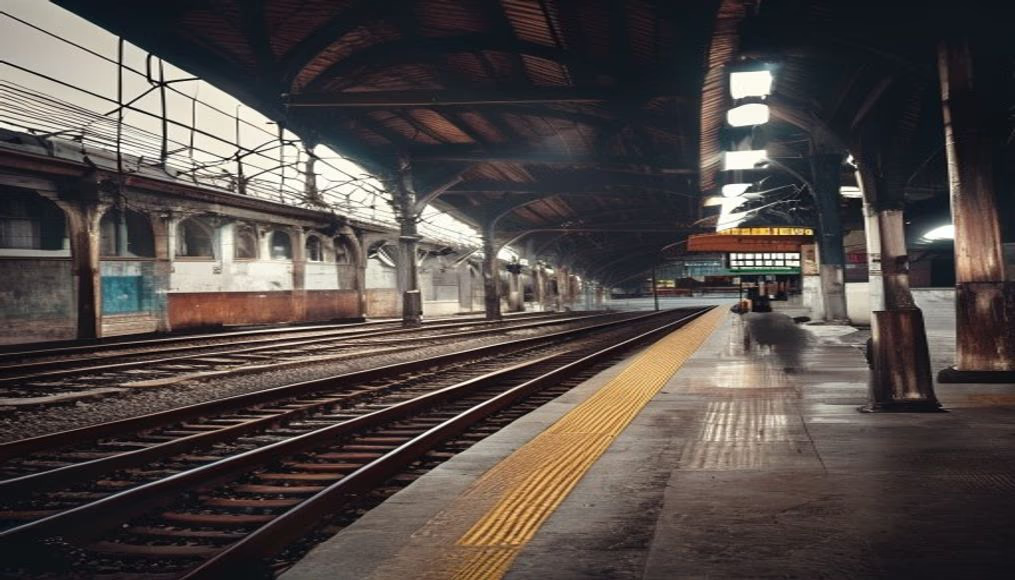
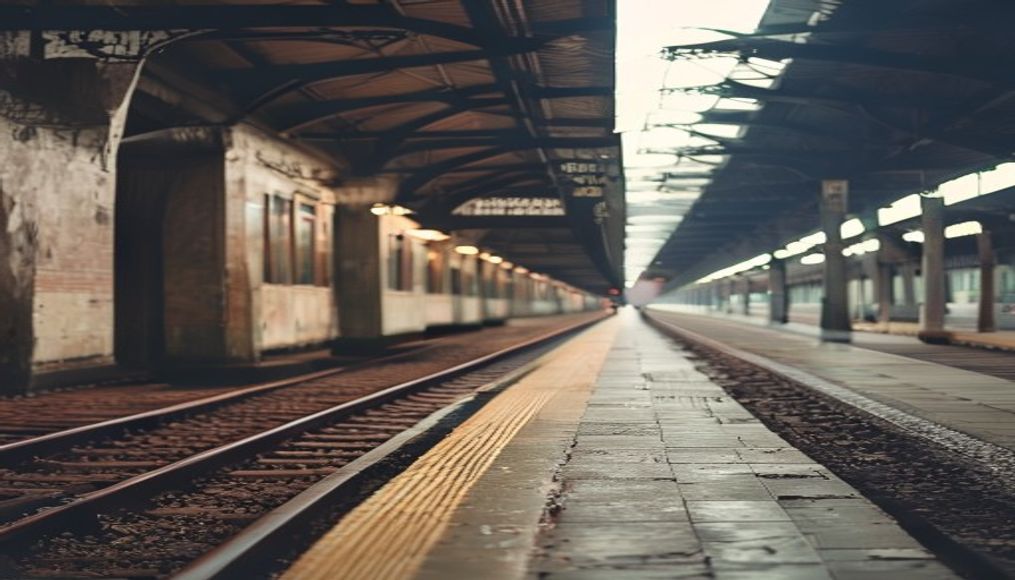
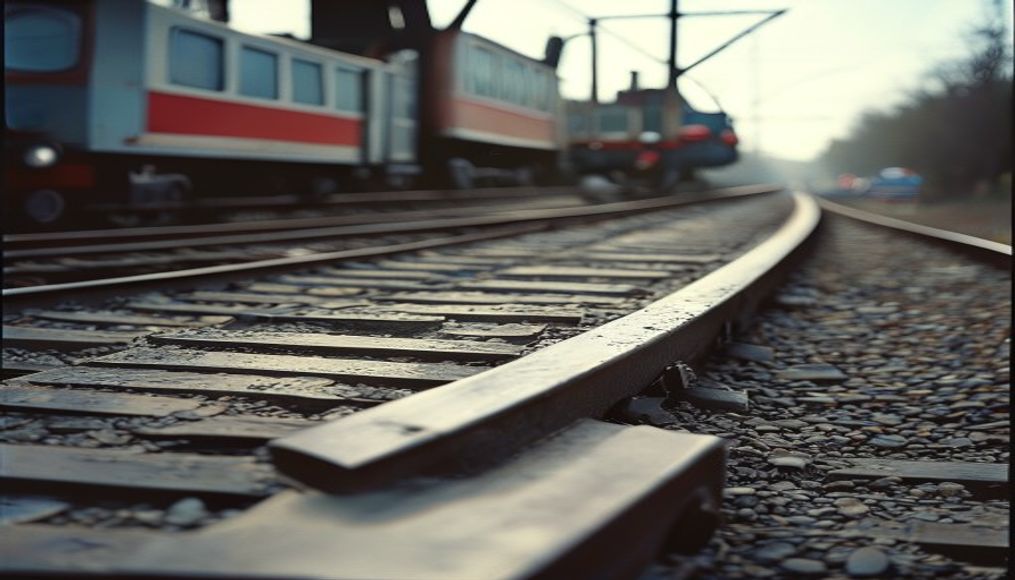
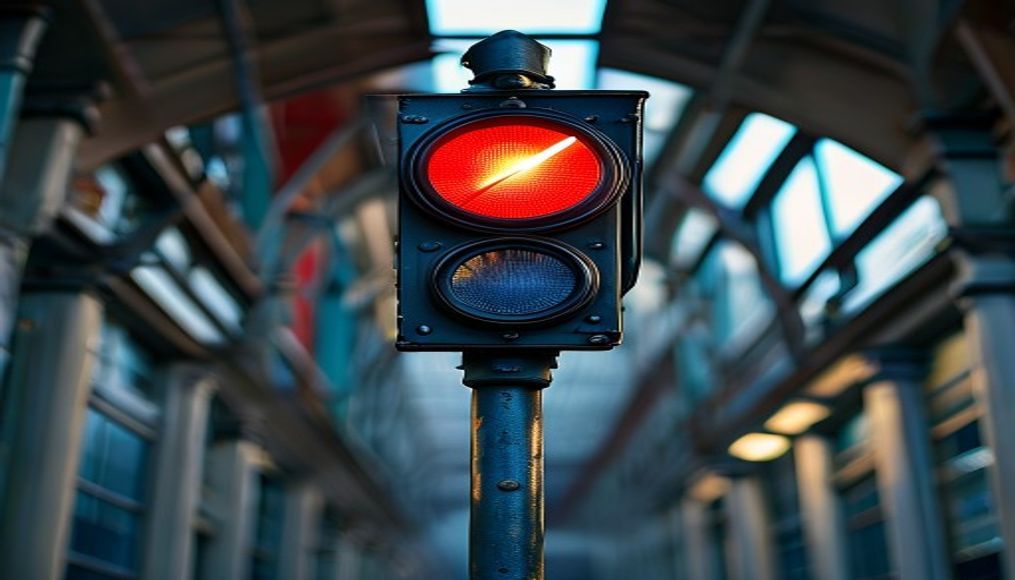
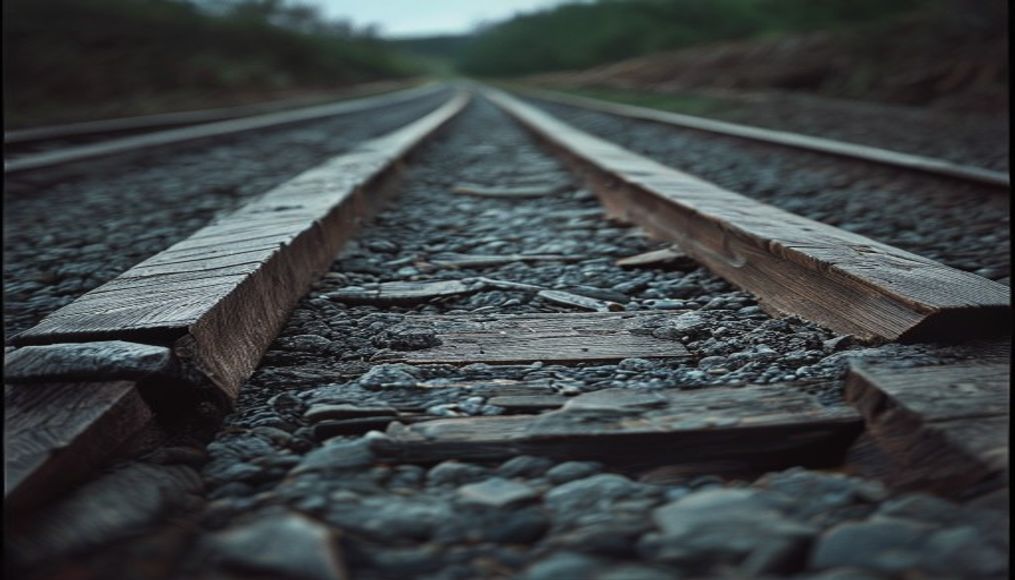
Antique railway stations are historical landmarks that tell the evolution of transportation and architecture, highlighting the Luz Station in São Paulo.
About this subject
Antique railway stations are more than mere boarding points; they are witnesses to the golden age of railways, which fueled urban and industrial development. In Brazil, Luz Station, inaugurated in 1901, is an iconic example. Designed by British architect Henry Driver, its eclectic architecture blends neoclassical and art nouveau styles, featuring a 45-meter central tower and stained glass imported from Germany. The station was built by the São Paulo Railway Company to transport coffee from the interior to the port of Santos, turning São Paulo into an economic hub.
Globally, stations like St. Pancras International in London (opened in 1868) impress with its Victorian Gothic facade and wrought-iron structure. Grand Central Terminal in New York (1913) combines functionality with luxury, housing a star-studded ceiling in the main concourse. These buildings often face conservation challenges, as they must adapt to modern demands without losing their historical essence.
Interestingly, many old stations now house museums, galleries, or cultural spaces. Luz Station, for instance, hosts the Museum of the Portuguese Language, celebrating the country’s linguistic diversity. Repurposing these spaces preserves railway memory while offering new uses to the community, ensuring the past remains alive in city life.
Frequently Asked Questions
What is the most famous antique railway station in Brazil?
Luz Station in São Paulo is one of the most famous. Opened in 1901, it is a symbol of the coffee era and houses the Museum of the Portuguese Language.
Why are old railway stations considered historical landmarks?
They represent architectural and technological milestones of their time, and they boosted the economic and urban growth of the regions where they were built.
How are antique stations preserved for modern use?
Many undergo careful restoration and are adapted for new purposes, such as museums, cultural centers, or modernized train stations, while retaining their historical essence.
Direct URL
https://pub-c7d6a6ea828543ac903a74a341ccb2e1.r2.dev/imagens/railway-station-antique-fine-art-photography-p0.avifHow to credit
Include a visible link back to UtilizAí. Copy one of the snippets below:
<a href="https://xn--utiliza-eza.com/en/midia/imagens/railway-station-antique-fine-art-photography-p0">Railway station antique</a> by <a href="https://xn--utiliza-eza.com">UtilizAí</a>, licensed under <a href="https://creativecommons.org/licenses/by/4.0/">CC BY 4.0</a>.
[Railway station antique](https://xn--utiliza-eza.com/en/midia/imagens/railway-station-antique-fine-art-photography-p0) by [UtilizAí](https://xn--utiliza-eza.com), CC BY 4.0
License: CC-BY-4.0