Railroad ties ballast
1344×768 · JPG · CC BY 4.0
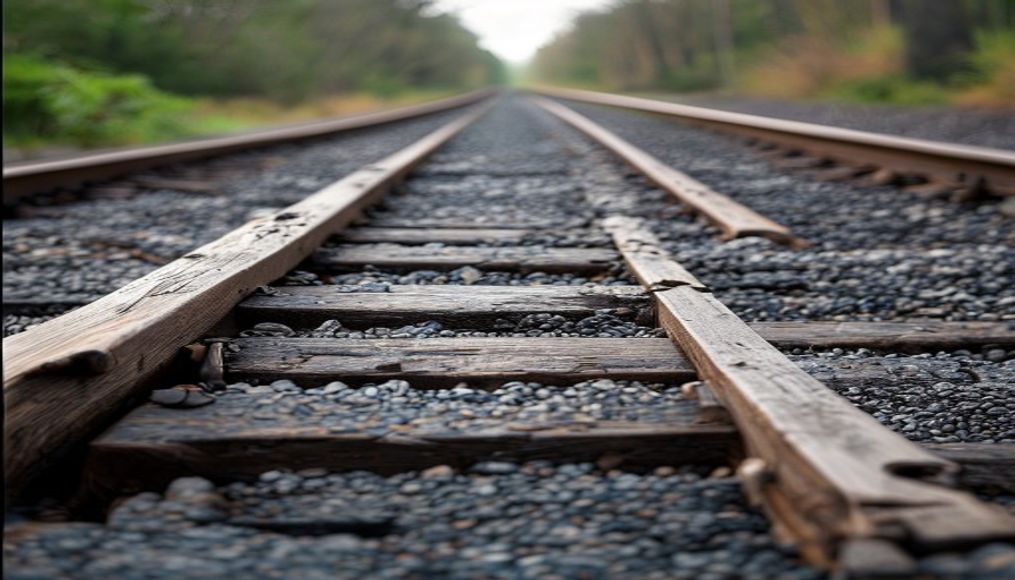
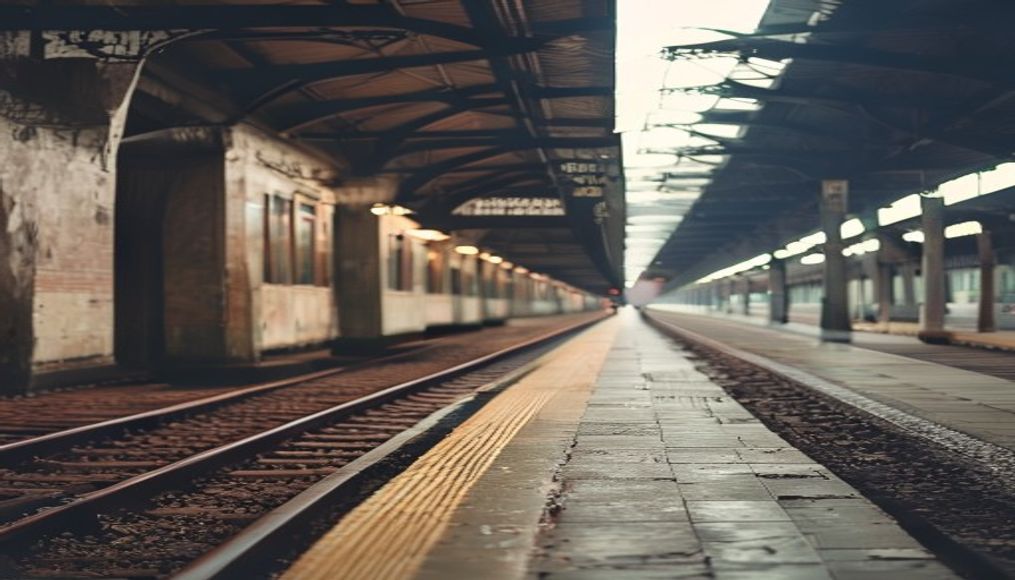
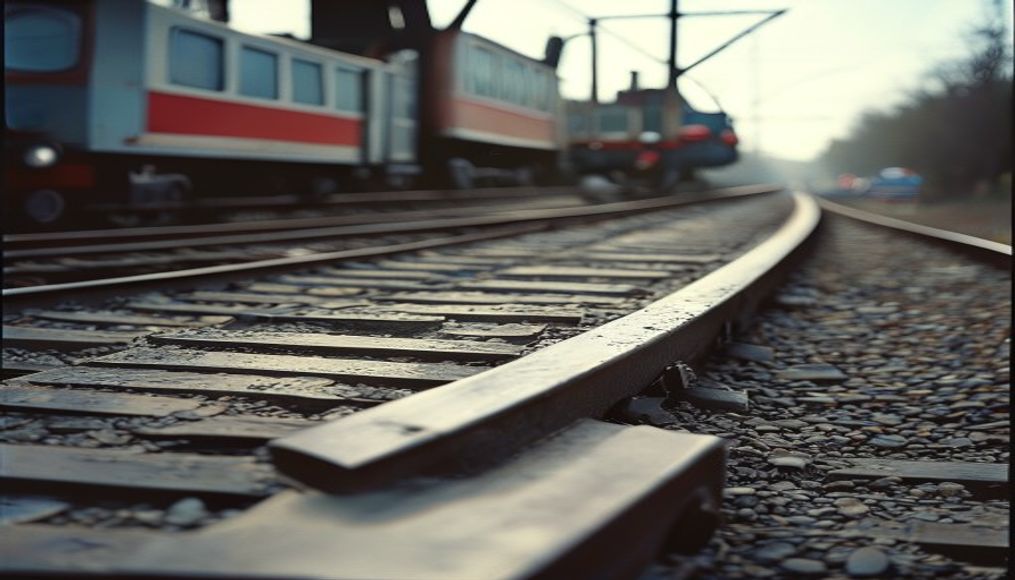
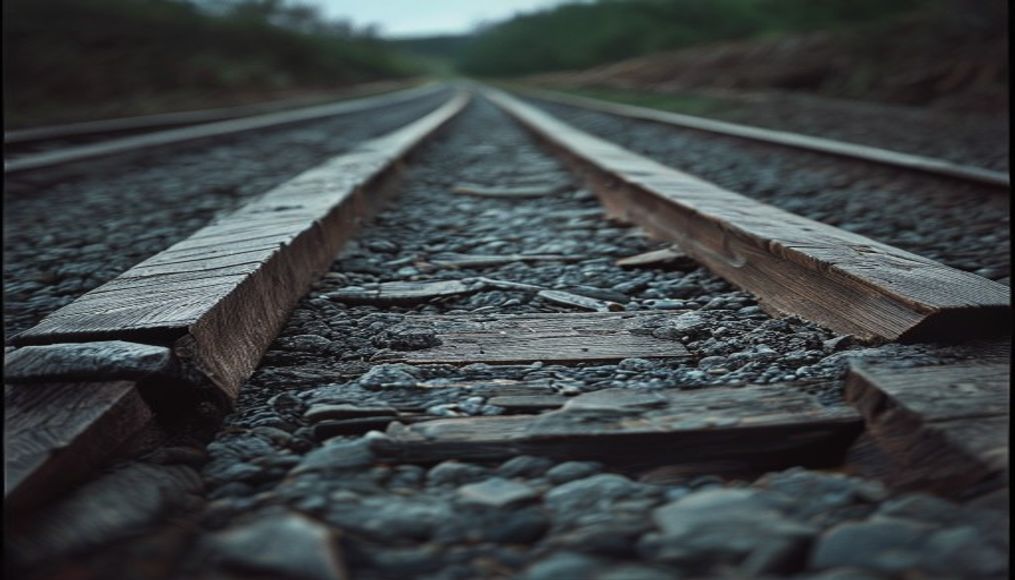
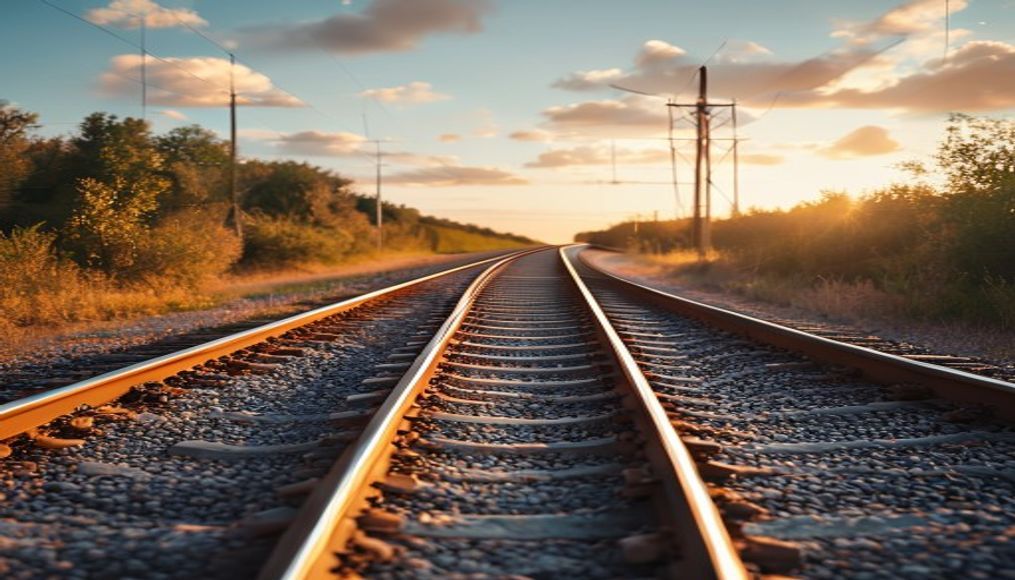
Railroad ballast: a layer of crushed stones beneath rails and ties that ensures drainage, stability, and load distribution in railway systems.
About this subject
Railroad ballast is the layer of granular material, usually crushed stone, placed beneath and around the ties (sleepers) and rails. Its primary function is to distribute the train load to the subgrade, preventing permanent deformation of the track. Additionally, ballast facilitates rainwater drainage, reducing erosion and moisture accumulation that could compromise track stability. It also suppresses vegetation growth, which would otherwise destabilize the ties. Common materials are hard rocks such as granite, basalt, and limestone, chosen for their strength, angularity (to interlock), and durability. Typical particle size ranges from 20 to 60 mm. Historically, ballast became standard with the expansion of railways in the 19th century, notably by George Stephenson on the Liverpool-Manchester line (1830). In Brazil, the Santos-Jundiaí Railway (1867) already used stone ballast from nearby quarries. Ballast maintenance includes cleaning (removing fines and debris) and recompacting using tamping machines. Modern practices include recycling used ballast, and high-speed lines may require concrete or slab tracks for better geometry. Interestingly, ballast also serves as an acoustic barrier and vibration damper in urban areas. On broad-gauge lines, ballast depth can reach 30 cm below the ties, while on light railways it may be only 15 cm. Drainage is so critical that geotextiles are often placed beneath the ballast to separate it from the subgrade. Although concrete ties have replaced wooden ones on many routes, ballast remains essential for the flexibility and cost-effectiveness of non-continuous tracks.
Frequently Asked Questions
What is the main function of railroad ballast?
It distributes train weight to the subgrade, drains rainwater, and prevents vegetation growth. It also helps maintain track alignment and geometry.
What types of stone are used for ballast?
Granite, basalt, limestone, and other hard, angular rocks. The choice depends on local availability, wear resistance, and cost.
How is ballast maintained?
Tamping machines clean the ballast by removing fines and debris, then recompact it using vibration. Recycling of used ballast is common.
Direct URL
https://pub-c7d6a6ea828543ac903a74a341ccb2e1.r2.dev/imagens/railroad-ties-ballast-national-geographic-style-p3.jpgHow to credit
Include a visible link back to UtilizAí. Copy one of the snippets below:
<a href="https://xn--utiliza-eza.com/en/midia/imagens/railroad-ties-ballast-national-geographic-style-p3">Railroad ties ballast</a> by <a href="https://xn--utiliza-eza.com">UtilizAí</a>, licensed under <a href="https://creativecommons.org/licenses/by/4.0/">CC BY 4.0</a>.
[Railroad ties ballast](https://xn--utiliza-eza.com/en/midia/imagens/railroad-ties-ballast-national-geographic-style-p3) by [UtilizAí](https://xn--utiliza-eza.com), CC BY 4.0
License: CC-BY-4.0