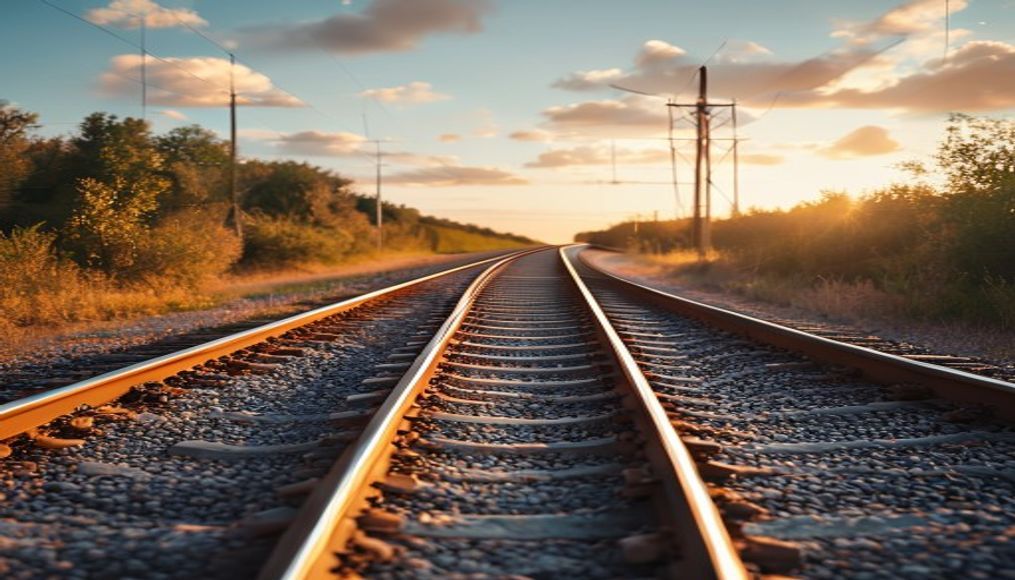
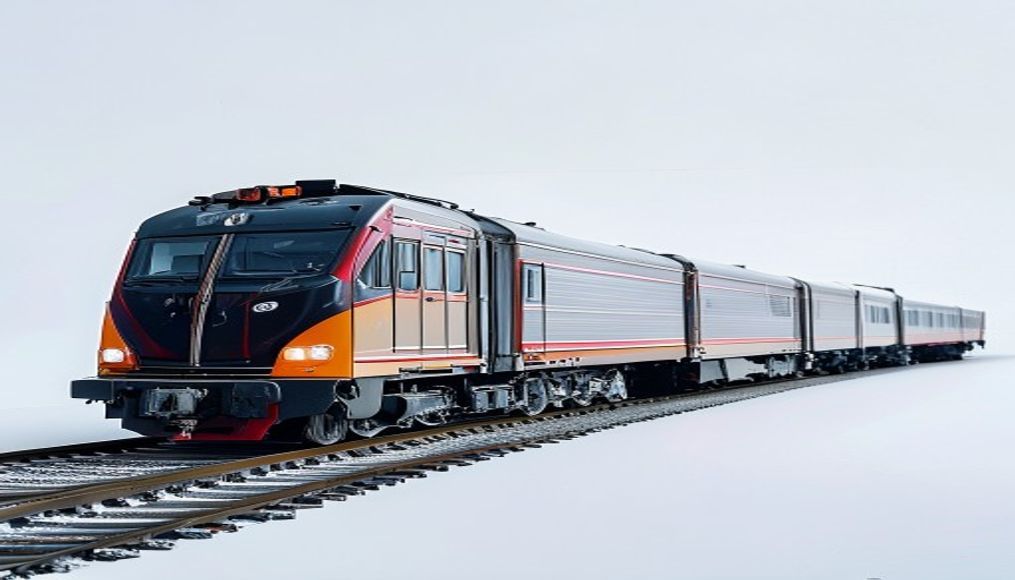
Railroad switch
1344×768 · AVIF · CC BY 4.0
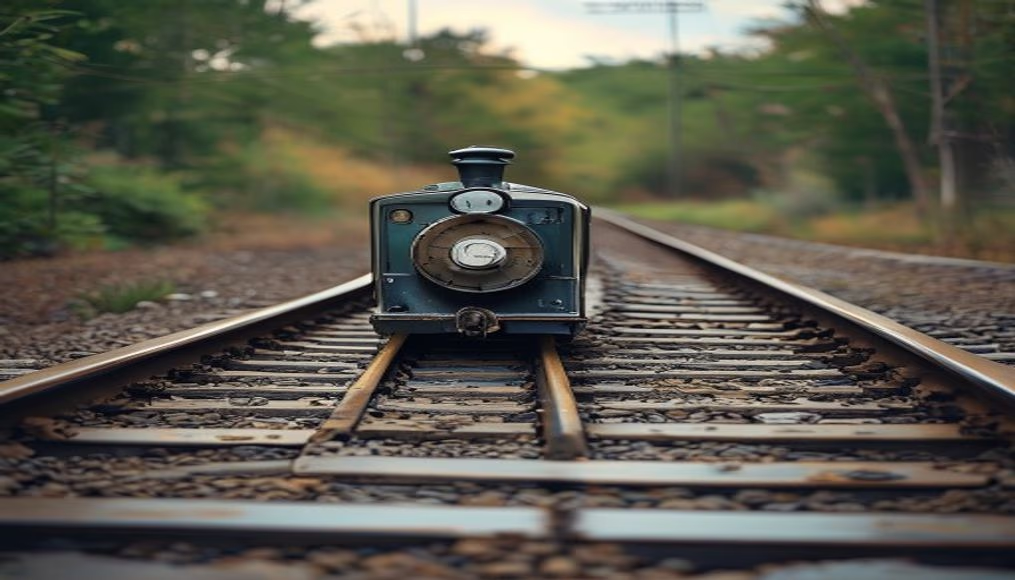
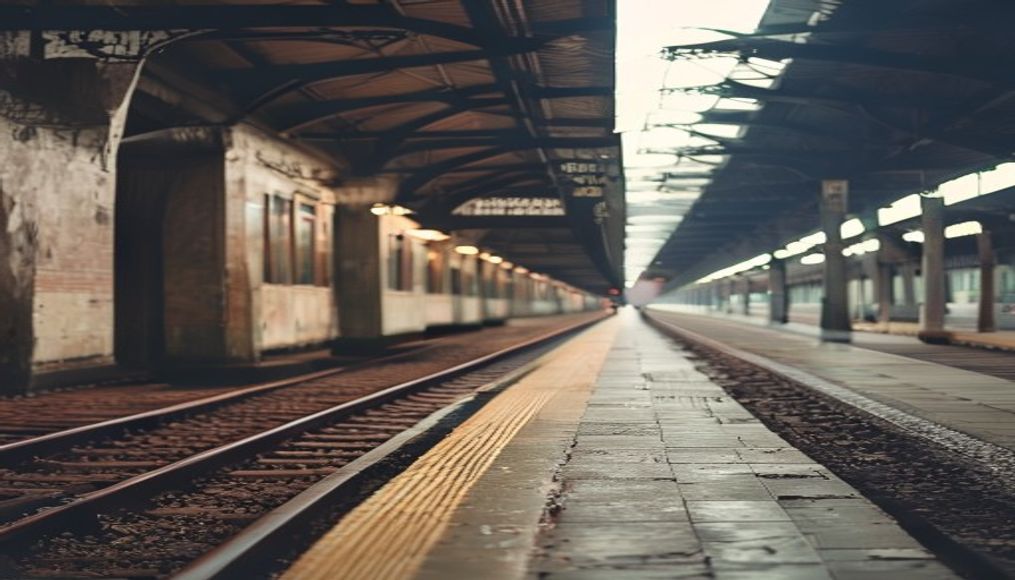
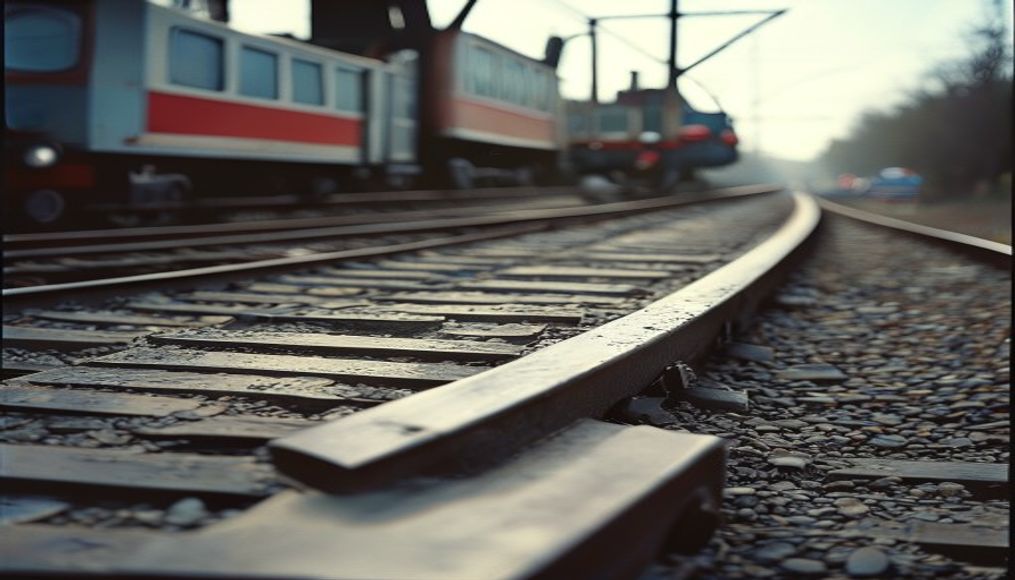
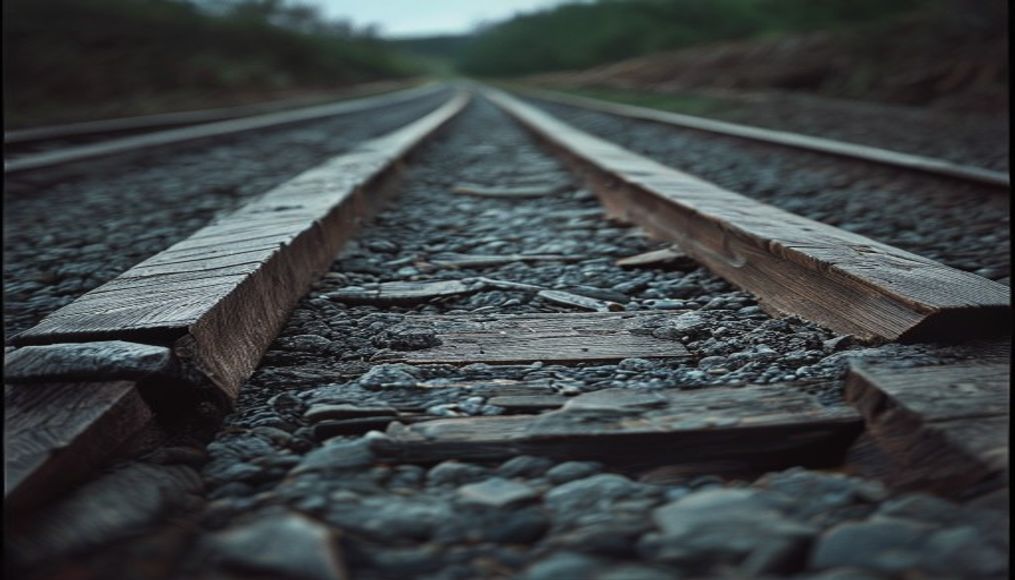
A railroad switch, also known as a turnout, is a mechanical device that allows trains to move from one track to another, crucial for railway flexibility and efficiency.
About this subject
A railroad switch, also known as a turnout or a point, is one of the most critical components of railway infrastructure. Its primary function is to enable a train to move from one track to another, facilitating crossings, overtaking, and access to different lines. Switches consist of three main parts: the blades (movable rails that guide the wheels), the frog (the crossing where the tracks intersect), and the guard rails (which keep wheels on the correct path). Various types exist, from simple single-turnouts to more complex ones like double slips or reversing triangles. The first patented railroad switch dates back to 1797, by Charles Fox, highlighting the technology's longevity. In Brazil, both metric gauge (1.00 m) and broad gauge (1.60 m) use switches with specific geometries, with curve radii ranging from 200 to 400 meters depending on the line speed. Maintenance of these devices is critical: a poorly adjusted switch can cause derailments. Modern switches are operated by electric or hydraulic mechanisms, controlled remotely from traffic control centers. In high-speed railways, such as the French TGV, switches are designed to allow passage at up to 300 km/h without speed reduction, using high-strength steel blades and redundant safety systems. Moreover, switches are a focus of materials engineering: constant wheel friction requires manganese steel in critical components for durability. Interestingly, the characteristic sound of a train passing over a switch (the “clickety-clack”) results from the wheels hitting gaps in the frog. Globally, switch standardization is handled by the International Union of Railways (UIC), defining angles and geometries for interoperability.
Frequently Asked Questions
What causes the characteristic sound when passing over a railroad switch?
The ‘clickety-clack’ sound is produced by the wheels hitting the gaps in the frog where the tracks cross, creating an interruption in the running surface.
What is the difference between a switch blade and a frog in a railroad switch?
The switch blade is the movable part that directs the train to one of the tracks, while the frog is the fixed crossing section where the tracks meet, guiding the wheels onto the correct path.
How are railroad switches operated today?
Most switches are now operated remotely via electromechanical or hydraulic systems, controlled by computers in traffic control centers, ensuring precision and safety.
Direct URL
https://pub-c7d6a6ea828543ac903a74a341ccb2e1.r2.dev/imagens/railroad-switch-national-geographic-style-p1.avifHow to credit
Include a visible link back to UtilizAí. Copy one of the snippets below:
<a href="https://xn--utiliza-eza.com/en/midia/imagens/railroad-switch-national-geographic-style-p1">Railroad switch</a> by <a href="https://xn--utiliza-eza.com">UtilizAí</a>, licensed under <a href="https://creativecommons.org/licenses/by/4.0/">CC BY 4.0</a>.
[Railroad switch](https://xn--utiliza-eza.com/en/midia/imagens/railroad-switch-national-geographic-style-p1) by [UtilizAí](https://xn--utiliza-eza.com), CC BY 4.0
License: CC-BY-4.0