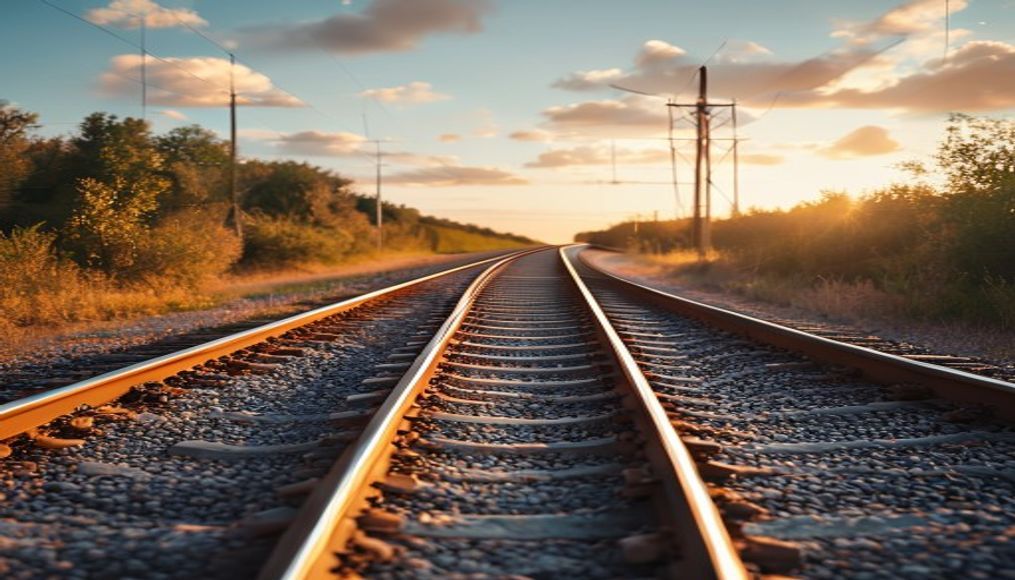
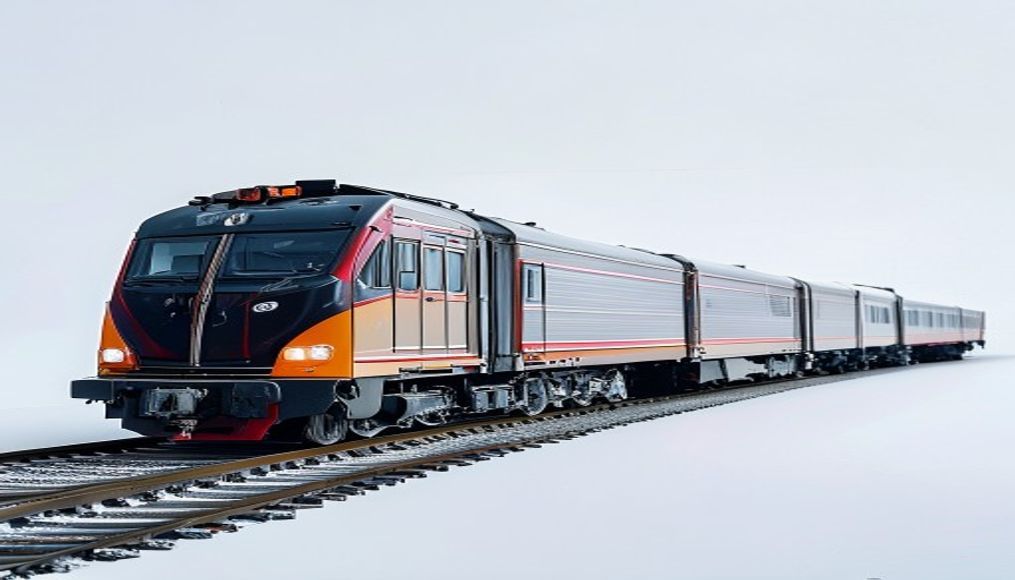
Railroad switch
1344×768 · AVIF · CC BY 4.0

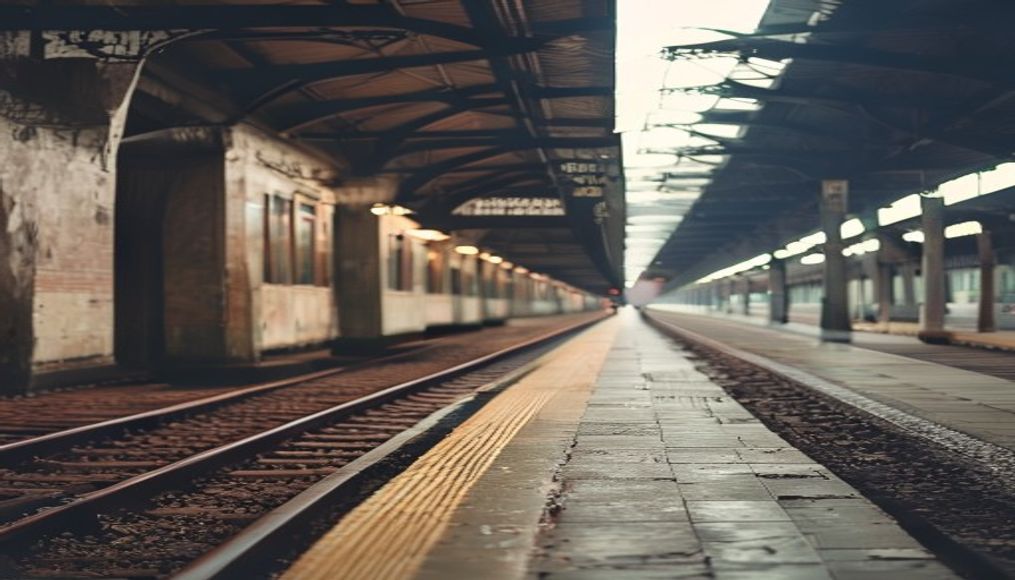
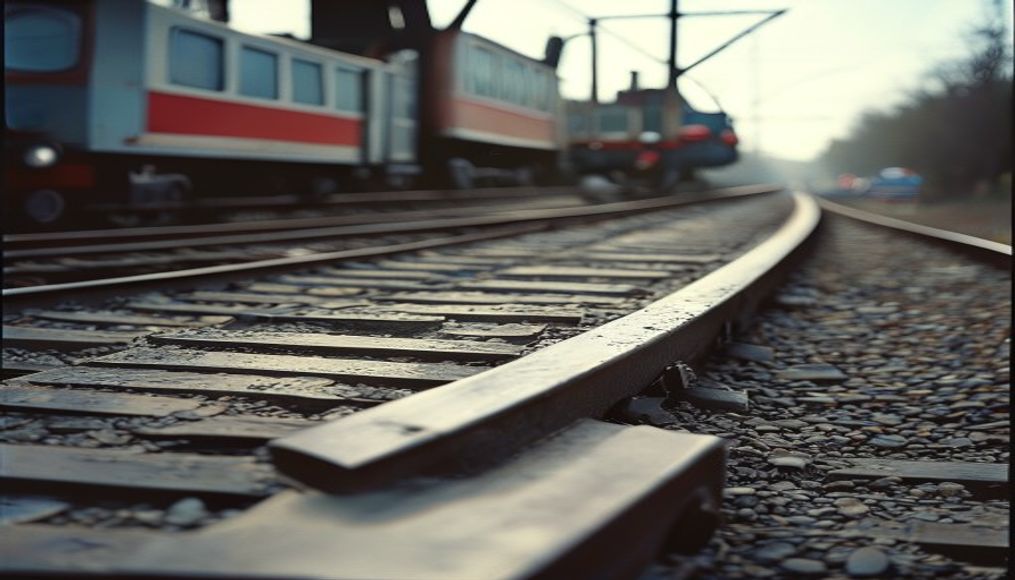
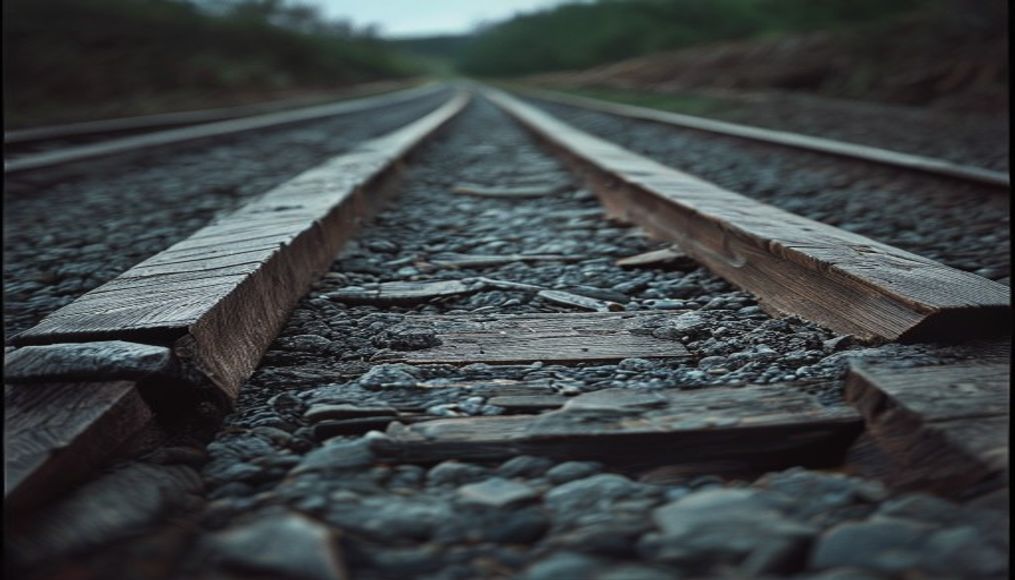
A railroad switch is a mechanical device that allows trains to change tracks, essential for navigation at junctions and rail yards.
About this subject
A railroad switch, also known as a turnout or point, is a fundamental component of railway infrastructure that enables trains to transition from one track to another. It consists of a pair of movable rails (switch blades) that guide the wheels of a train to either the straight or diverging path. Switches can be manually operated by a lever or automatically controlled through centralized traffic control systems. They are crucial for creating complex rail networks, allowing multiple trains to share the same track sections efficiently and safely.
The development of the railroad switch dates back to the early 19th century. The first patented design was by Charles Fox in 1832, which established the basic mechanism still used today. Over time, improvements have included stronger materials, such as manganese steel for switch blades, and advanced locking systems to prevent accidental movement. In modern high-speed rail, switches are designed to allow trains to pass at speeds up to 300 km/h without stopping. The precision required is remarkable: a switch must align within millimeters to avoid derailment.
Globally, railroad switches are key points in logistics networks. For instance, in the United States, freight railroads rely on thousands of switches every day to sort cars in classification yards. A single malfunction can cause hours of delay. Japanese railways are known for their meticulous maintenance, using ultrasonic inspection devices to detect internal cracks. Beyond their technical role, switches have an industrial aesthetic that appeals to photographers and designers. The interplay of steel, geometry, and shadow creates striking compositions often used in high-fashion editorials to contrast natural and mechanical elements.
Railroad switches also have a cultural dimension. In many countries, old manual switches are preserved as heritage items, and some are still in use on tourist railways. The sound of a lever throwing a switch is nostalgic for railway enthusiasts. Furthermore, the term "being switched" has entered popular culture as a metaphor for changing direction or choice. Understanding switches helps appreciate the sophistication behind seemingly simple tracks.
Frequently Asked Questions
How does a railroad switch work?
A railroad switch works by moving two tapered rails (switch blades) to guide the train's wheels onto one of two diverging tracks. The blades are attached to a throw mechanism that can be manual or motorized.
What are the different types of switches?
Common types include single switches (one diverging path), double switches (two diverging paths), and Y-switches (symmetrical splitting). They vary by frog angle and turnout curve radius.
Why are switches critical for railway safety?
Switches are potential failure points; misalignment can cause derailments. Therefore, interlocking systems and frequent inspections are vital to ensure they are locked in the correct position.
Direct URL
https://pub-c7d6a6ea828543ac903a74a341ccb2e1.r2.dev/imagens/railroad-switch-high-fashion-editorial-p2.avifHow to credit
Include a visible link back to UtilizAí. Copy one of the snippets below:
<a href="https://xn--utiliza-eza.com/en/midia/imagens/railroad-switch-high-fashion-editorial-p2">Railroad switch</a> by <a href="https://xn--utiliza-eza.com">UtilizAí</a>, licensed under <a href="https://creativecommons.org/licenses/by/4.0/">CC BY 4.0</a>.
[Railroad switch](https://xn--utiliza-eza.com/en/midia/imagens/railroad-switch-high-fashion-editorial-p2) by [UtilizAí](https://xn--utiliza-eza.com), CC BY 4.0
License: CC-BY-4.0