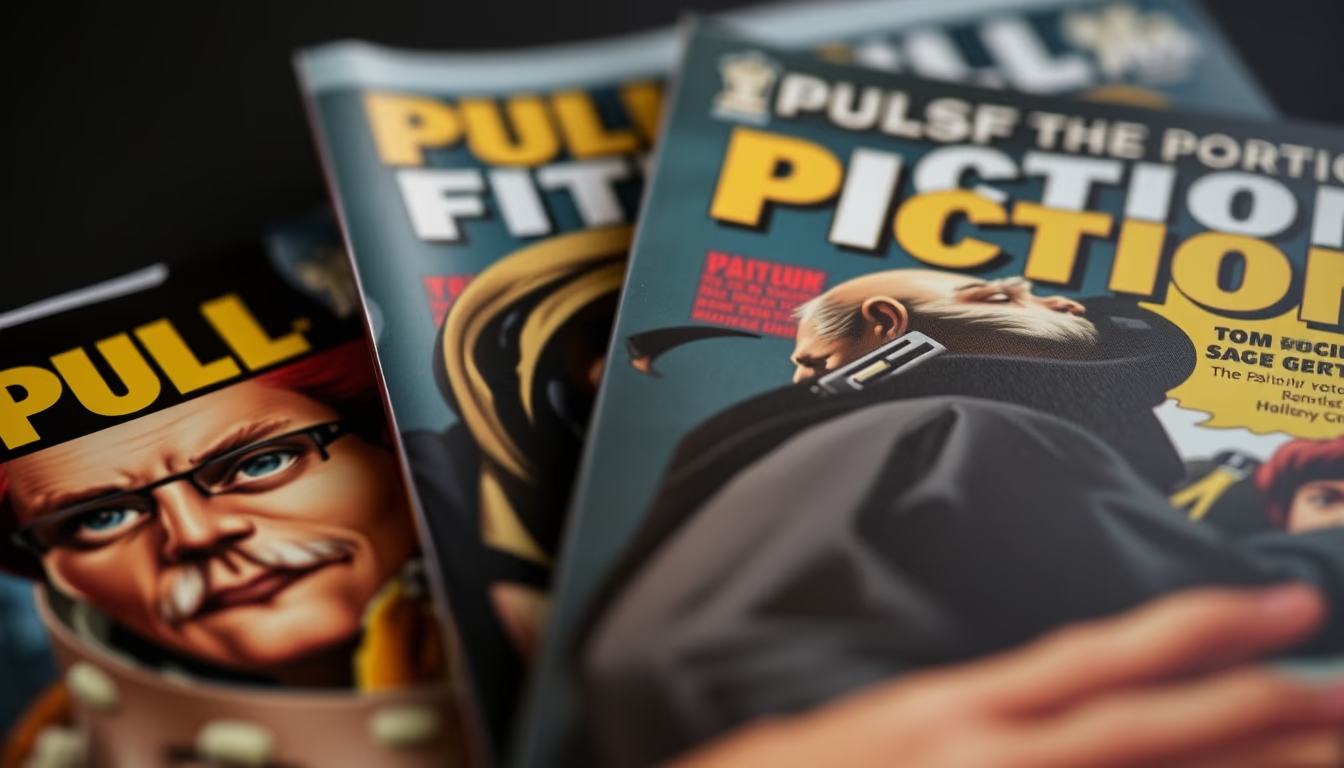
Pulp fiction covers
1344×768 · AVIF · CC BY 4.0

Pulp fiction covers: iconic pop culture artifacts from the 1920s to the 1950s.
About this subject
Pulp fiction covers represent one of the most vibrant chapters in American publishing history. These magazines, printed on cheap wood pulp paper, circulated widely from the 1920s to the 1950s, spanning genres like detective, science fiction, fantasy, horror, and romance. The covers were designed to grab attention at newsstands, featuring colorful illustrations and intense action scenes, often with damsels in distress or muscular heroes. Artists such as Frank R. Paul, Margaret Brundage, and Robert E. Howard helped shape a visual language that influenced film, comics, and pop culture for decades.
The popularity of pulps declined with the rise of paperback books and comic books, but their legacy endures. Many original cover paintings are now collector's items, fetching thousands of dollars at auctions. The pulp aesthetic was revived in films like Pulp Fiction (1994) by Quentin Tarantino and series like The Adventures of Buckaroo Banzai. The style also inspired art movements such as lowbrow and contemporary illustration.
Interestingly, pulp covers often faced censorship due to their violent or sensual content. The pulp rack was a barometer of societal taboos at the time. Magazines like Weird Tales, Amazing Stories, and Black Mask became legendary, publishing authors such as H.P. Lovecraft, Isaac Asimov, and Dashiell Hammett. Today, original covers are studied as historical documents that reveal the anxieties and desires of a pre-television era.
Frequently Asked Questions
What does the term pulp fiction mean?
Pulp fiction refers to cheap magazines printed on wood pulp paper, popular in the US from the 1920s to the 1950s, featuring genre stories like science fiction, detective, and horror.
Which artists are famous for pulp fiction covers?
Artists like Frank R. Paul, Margaret Brundage, Robert E. Howard, and Virgil Finlay are known for their iconic covers for magazines such as Weird Tales and Amazing Stories.
Why are pulp fiction covers valuable today?
They are collector's items due to their rarity, cultural impact, and aesthetic value. Original hand-painted covers can fetch thousands of dollars at auction.
Direct URL
https://pub-c7d6a6ea828543ac903a74a341ccb2e1.r2.dev/imagens/pulp-fiction-covers-tilt-shift-miniature-fresh12.avifHow to credit
Include a visible link back to UtilizAí. Copy one of the snippets below:
<a href="https://xn--utiliza-eza.com/en/midia/imagens/pulp-fiction-covers-tilt-shift-miniature-fresh12">Pulp fiction covers</a> by <a href="https://xn--utiliza-eza.com">UtilizAí</a>, licensed under <a href="https://creativecommons.org/licenses/by/4.0/">CC BY 4.0</a>.
[Pulp fiction covers](https://xn--utiliza-eza.com/en/midia/imagens/pulp-fiction-covers-tilt-shift-miniature-fresh12) by [UtilizAí](https://xn--utiliza-eza.com), CC BY 4.0
License: CC-BY-4.0