Pulp fiction covers
1344×768 · AVIF · CC BY 4.0
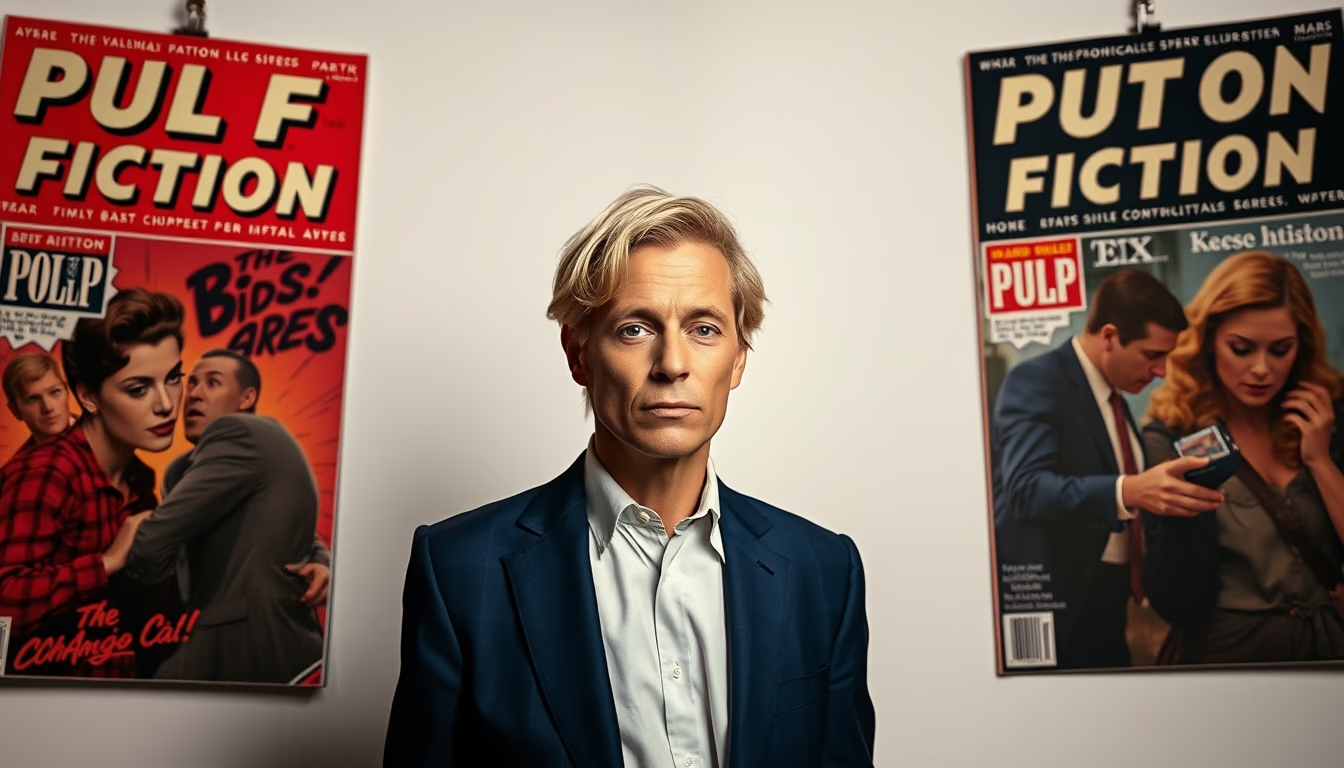
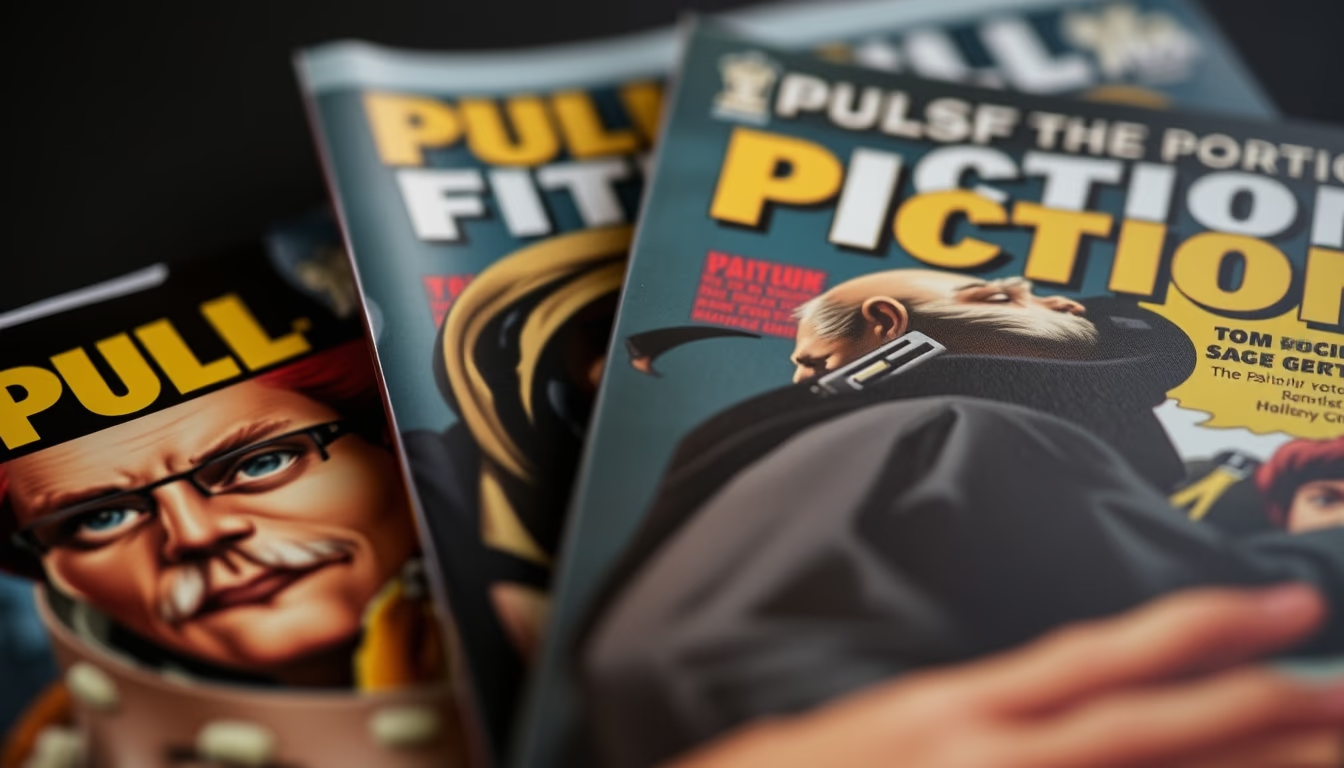
Pulp magazine covers, popular from the 1920s to the 1950s, combined vibrant illustrations and sensational themes to attract readers at newsstands.
About this subject
Pulp magazines, cheaply printed on wood-pulp paper, dominated the popular fiction market in the United States from the 1920s to the 1950s. Their covers were designed to stop passersby at newsstands, using bold colors, dramatic poses, and action-packed scenes. Genres ranged from hard-boiled detectives and space heroes to horror tales and exotic romance, each with its own visual vocabulary.
Legendary illustrators such as Robert McGinnis, Frank Frazetta, Margaret Brundage, and Virgil Finlay elevated pulp covers to an art form. Frazetta, in particular, became renowned for his muscular figures and fantasy landscapes, influencing comics and film for decades. Covers often featured damsels in distress or virile heroes, reflecting the era's social values and taboos while also serving as a cultural barometer of public anxieties and desires.
Beyond entertainment, these covers shaped the modern iconography of science fiction, fantasy, and noir. Many visual tropes we associate with those genres originated in pulp art. As pulps declined in the 1950s, due to competition from paperbacks and television, original cover art became collectible, with rare pieces selling for thousands at auction. Today, they are studied as important cultural and aesthetic artifacts.
Frequently Asked Questions
What made pulp fiction covers so distinctive?
The covers used bold, colorful illustrations with dramatic action, suspense, or sensuality, printed on cheap paper but with high visual impact. Each genre had its own style, such as detectives in dark urban settings or heroines in peril on romance covers.
Who were some of the most famous pulp cover artists?
Notable names include Robert McGinnis (detective covers and movie posters), Frank Frazetta (fantasy and sci-fi), Margaret Brundage (horror and fantasy, famous for Weird Tales covers), and Virgil Finlay (detailed black-and-white and color work).
How did pulp covers influence modern visual culture?
They established many visual clichés still used in films, comics, and games, such as the muscular hero, the damsel in distress, and gothic or retro sci-fi settings. Contemporary artists often pay homage to the pulp style.
Direct URL
https://pub-c7d6a6ea828543ac903a74a341ccb2e1.r2.dev/imagens/pulp-fiction-covers-studio-editorial-portrait-fresh16.avifHow to credit
Include a visible link back to UtilizAí. Copy one of the snippets below:
<a href="https://xn--utiliza-eza.com/en/midia/imagens/pulp-fiction-covers-studio-editorial-portrait-fresh16">Pulp fiction covers</a> by <a href="https://xn--utiliza-eza.com">UtilizAí</a>, licensed under <a href="https://creativecommons.org/licenses/by/4.0/">CC BY 4.0</a>.
[Pulp fiction covers](https://xn--utiliza-eza.com/en/midia/imagens/pulp-fiction-covers-studio-editorial-portrait-fresh16) by [UtilizAí](https://xn--utiliza-eza.com), CC BY 4.0
License: CC-BY-4.0