Pulp fiction covers
1344×768 · AVIF · CC BY 4.0

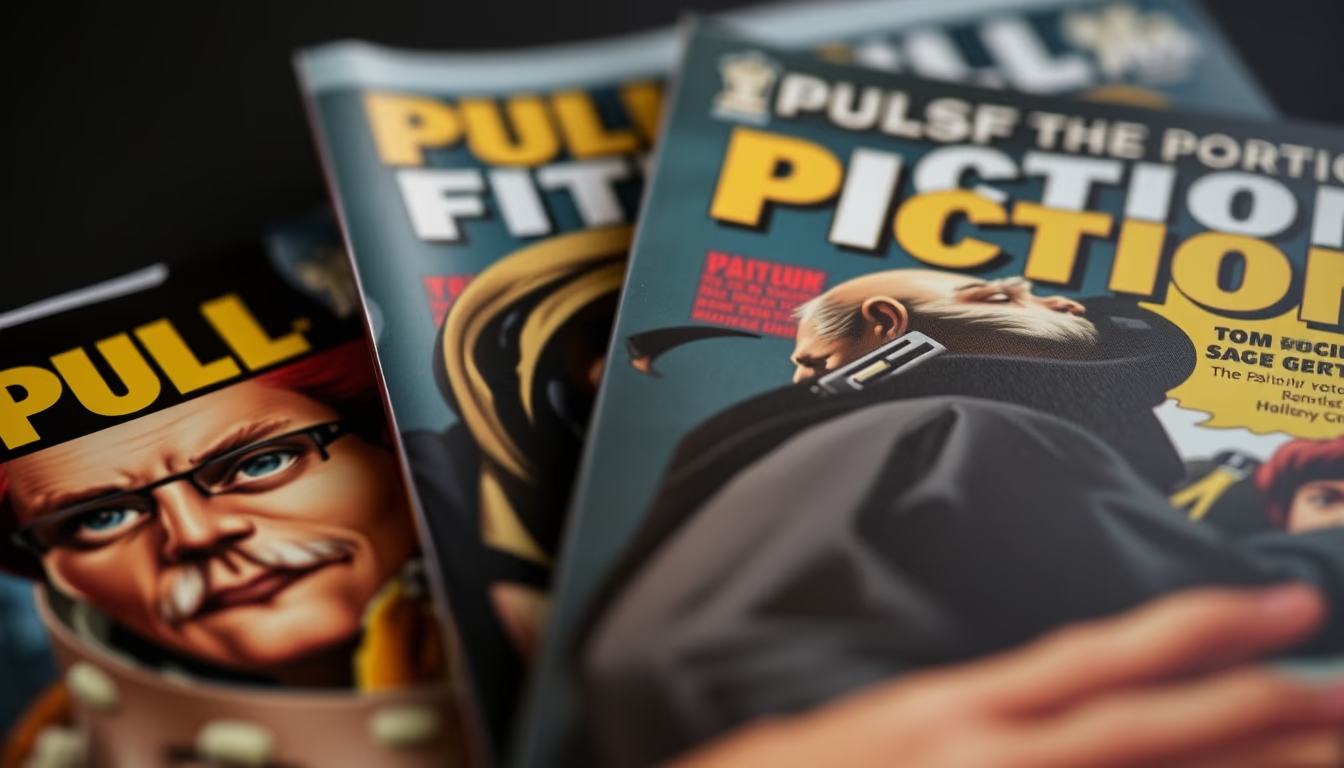
Pulp fiction covers, pop culture icons from the 1920s to 1950s, combine bold art and sensational storytelling.
About this subject
Pulp fiction covers marked the golden age of popular magazines in the United States, between the 1920s and 1950s. Printed on cheap wood pulp paper (hence the name 'pulp'), these publications covered genres such as science fiction, horror, mystery, and adventure. The colorful and dramatic illustrations, often by artists like Frank R. Paul, Margaret Brundage, and Rudolph Belarski, were essential to attract readers at newsstands. Each cover told a visually striking story, with muscular heroes, damsels in distress, and exotic settings, reflecting the fears and desires of the time.
The aesthetic of pulp covers deeply influenced pop culture, from film noir to modern comics. Directors like Quentin Tarantino paid homage to this style in movies such as 'Pulp Fiction', which not only borrowed the name but captured the narrative essence of these magazines. The illustrations also inspired art movements like pop art, with Andy Warhol incorporating pulp elements into his works. Today, the retro look of the covers is often recreated in fashion editorials, advertising campaigns, and graphic design, proving its lasting relevance.
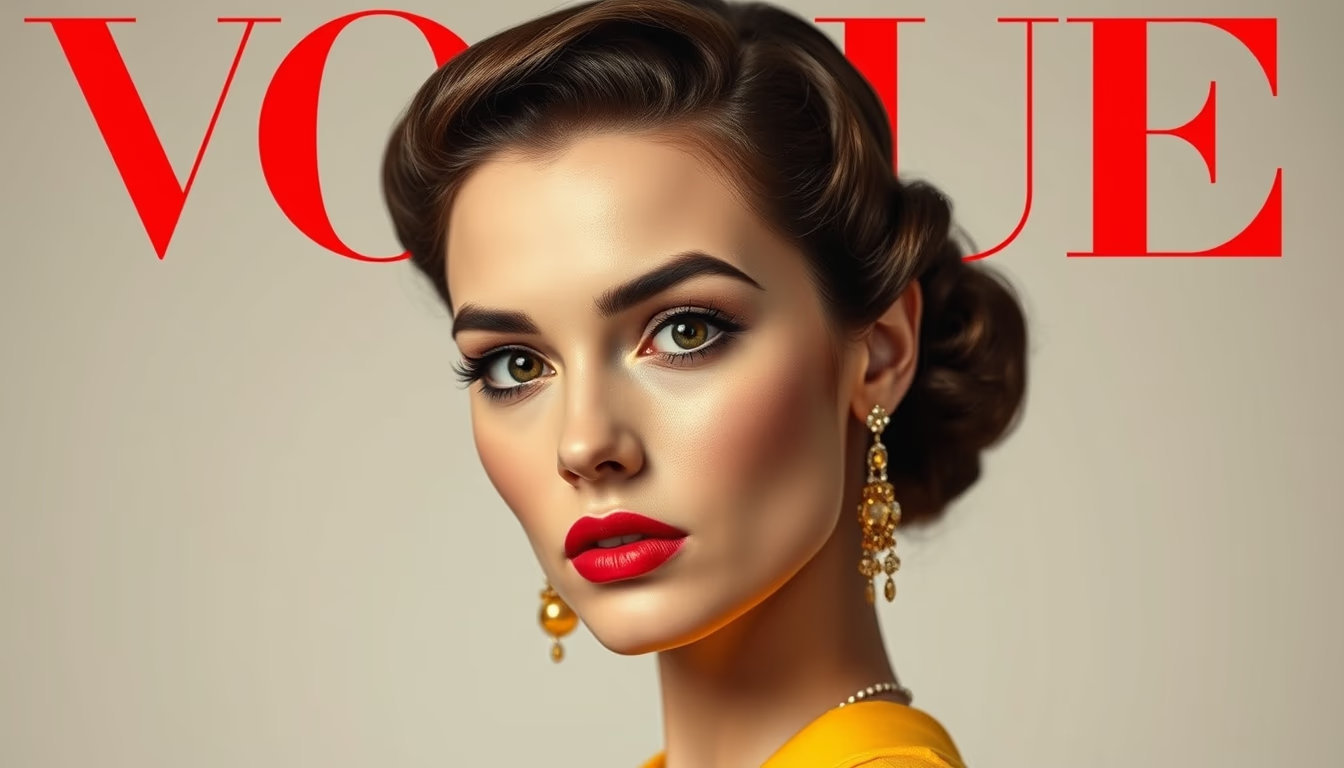
In the context of high fashion, pulp fiction covers provide a rich visual imagery. Vibrant colors, sharp contrasts, and dramatic compositions are easily adapted for fashion photo shoots. Brands and magazines like Vogue and Gucci have drawn inspiration from this universe to create collections and editorials that evoke nostalgia and boldness. The fusion between the kitsch of old covers and contemporary elegance results in a unique style that dialogues with vintage in an innovative way.
Interestingly, some of the most famous covers fetch high prices at auctions, such as the September 1935 issue of 'Weird Tales' with art by Margaret Brundage, which can cost thousands of dollars. Collectors and enthusiasts preserve these works as folk art, while designers use them as references to create retro atmospheres. The influence of pulp fiction covers extends beyond entertainment, serving as a testament to the editorial creativity of a pre-television era, where the cover was the main hook to sell the magazine.
Frequently Asked Questions
What defines a pulp fiction cover?
A pulp fiction cover is characterized by colorful and dramatic illustrations, often featuring action, horror, or romance scenes, printed on cheap paper. They were used to attract readers to genre magazines like science fiction and mystery between the 1920s and 1950s.
Who were the most famous pulp cover artists?
Artists such as Frank R. Paul, Margaret Brundage, Rudolph Belarski, and Hannes Bok are among the most renowned. They created iconic covers for magazines like 'Amazing Stories', 'Weird Tales', and 'Astounding Science-Fiction'.
How do pulp fiction covers influence modern fashion?
The covers inspire fashion editorials with their retro look, vibrant colors, and bold compositions. Brands like Gucci and magazines like Vogue have used pulp references in campaigns, blending nostalgia with haute couture.
Direct URL
https://pub-c7d6a6ea828543ac903a74a341ccb2e1.r2.dev/imagens/pulp-fiction-covers-high-fashion-editorial-fresh4.avifHow to credit
Include a visible link back to UtilizAí. Copy one of the snippets below:
<a href="https://xn--utiliza-eza.com/en/midia/imagens/pulp-fiction-covers-high-fashion-editorial-fresh4">Pulp fiction covers</a> by <a href="https://xn--utiliza-eza.com">UtilizAí</a>, licensed under <a href="https://creativecommons.org/licenses/by/4.0/">CC BY 4.0</a>.
[Pulp fiction covers](https://xn--utiliza-eza.com/en/midia/imagens/pulp-fiction-covers-high-fashion-editorial-fresh4) by [UtilizAí](https://xn--utiliza-eza.com), CC BY 4.0
License: CC-BY-4.0