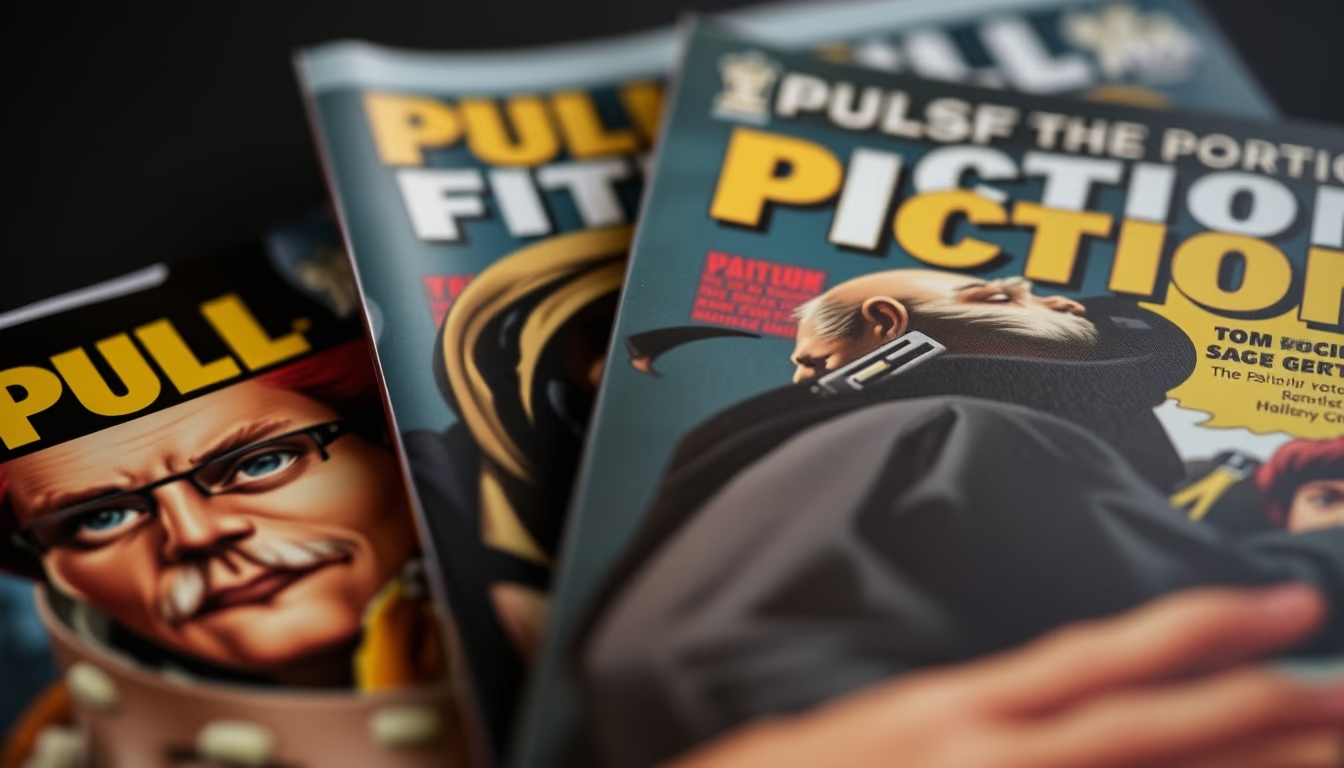
Pulp fiction covers
1344×768 · AVIF · CC BY 4.0

Pulp fiction covers: pop culture icons depicting adventure, crime and fantasy on cheap magazines from the 20th century.
About this subject
Pulp fiction covers are an artistic and editorial genre that dominated newsstands between the 1920s and 1950s. These magazines, printed on cheap wood-pulp paper, offered inexpensive, thrilling stories of adventure, detective, science fiction, horror, and romance. The covers were designed by artists such as Frank R. Paul, Margaret Brundage, and Robert E. Howard, who created vibrant and often sensational images to attract readers. The visual style was marked by bold colors, dramatic poses, and intense action scenes, frequently featuring women in peril, muscular heroes, and grotesque monsters.
The importance of pulp covers goes beyond quick entertainment. They reflect the anxieties and desires of American society at the time: fear of urban crime, fascination with space travel, and the search for escapism during the Great Depression. Many iconic pop culture characters, such as Conan the Barbarian and Buck Rogers, first appeared on the pages of these magazines. The design of the covers also influenced film noir, comic books, and the retro aesthetic of the 1990s.
Today, pulp covers are collectible and appreciated both for their nostalgic value and artistic quality. They represent a unique moment in publishing history, where visual creativity flourished within budgetary constraints. Originally meant to be disposable, these covers have survived as testimony to a golden age of popular storytelling.
Fun fact: the magazine "Weird Tales" (1923, 1954) is one of the most famous, known for its horror and fantasy covers. Many of its original issues are worth thousands of dollars in the antiquarian market.
Frequently Asked Questions
What are pulp magazines?
They are cheap magazines published from the late 19th century to the mid-20th century, made from wood-pulp paper. They were known for genre stories like science fiction, mystery, and adventure.
When were pulp fiction covers most popular?
The peak was between the 1920s and 1950s, especially during the Great Depression when readers sought affordable entertainment. The decline came with the rise of paperback books and comic books.
Why are pulp covers so iconic?
Because of their vibrant, dramatic, and often sensational artwork. They capture popular imagination and influenced generations of artists, filmmakers, and writers. Many have become symbols of retro culture.
Direct URL
https://pub-c7d6a6ea828543ac903a74a341ccb2e1.r2.dev/imagens/pulp-fiction-covers-fine-art-photography-fresh0.avifHow to credit
Include a visible link back to UtilizAí. Copy one of the snippets below:
<a href="https://xn--utiliza-eza.com/en/midia/imagens/pulp-fiction-covers-fine-art-photography-fresh0">Pulp fiction covers</a> by <a href="https://xn--utiliza-eza.com">UtilizAí</a>, licensed under <a href="https://creativecommons.org/licenses/by/4.0/">CC BY 4.0</a>.
[Pulp fiction covers](https://xn--utiliza-eza.com/en/midia/imagens/pulp-fiction-covers-fine-art-photography-fresh0) by [UtilizAí](https://xn--utiliza-eza.com), CC BY 4.0
License: CC-BY-4.0