Puffball spore release
1344×768 · AVIF · CC BY 4.0
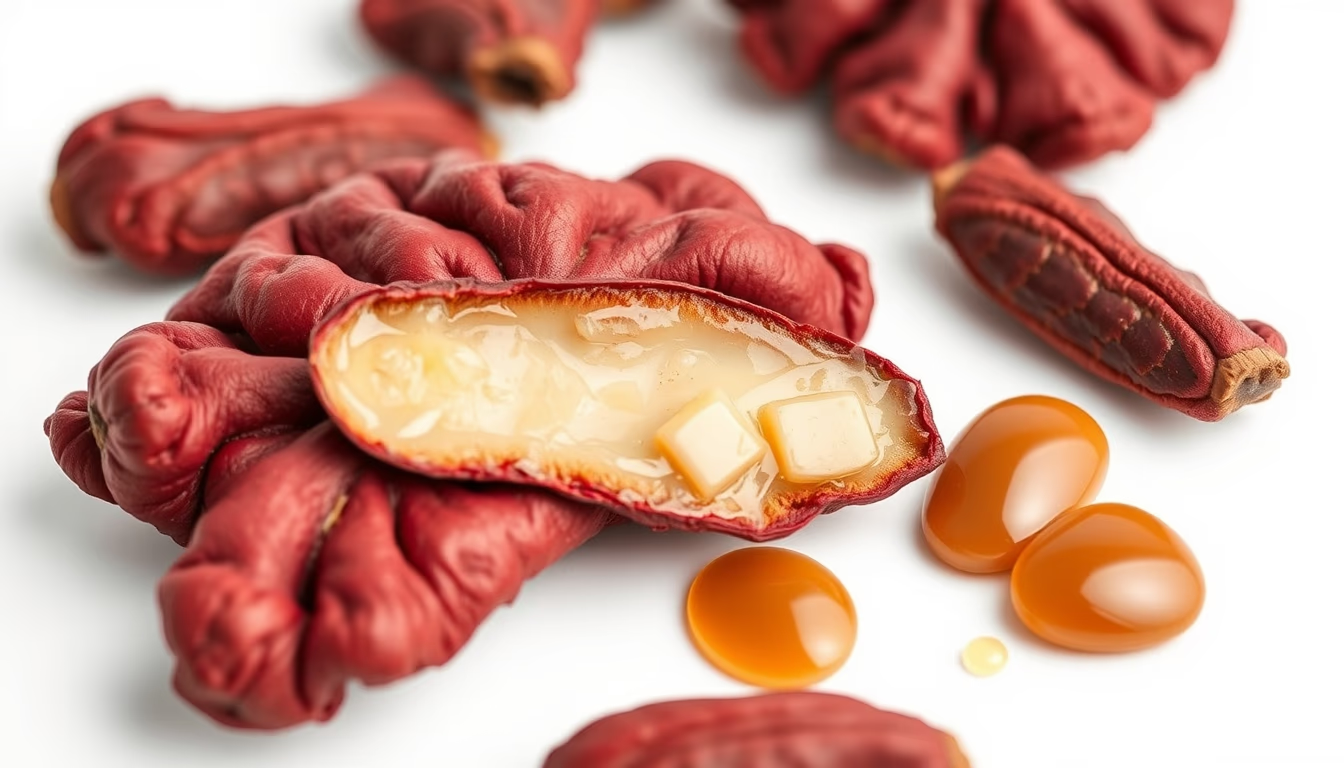
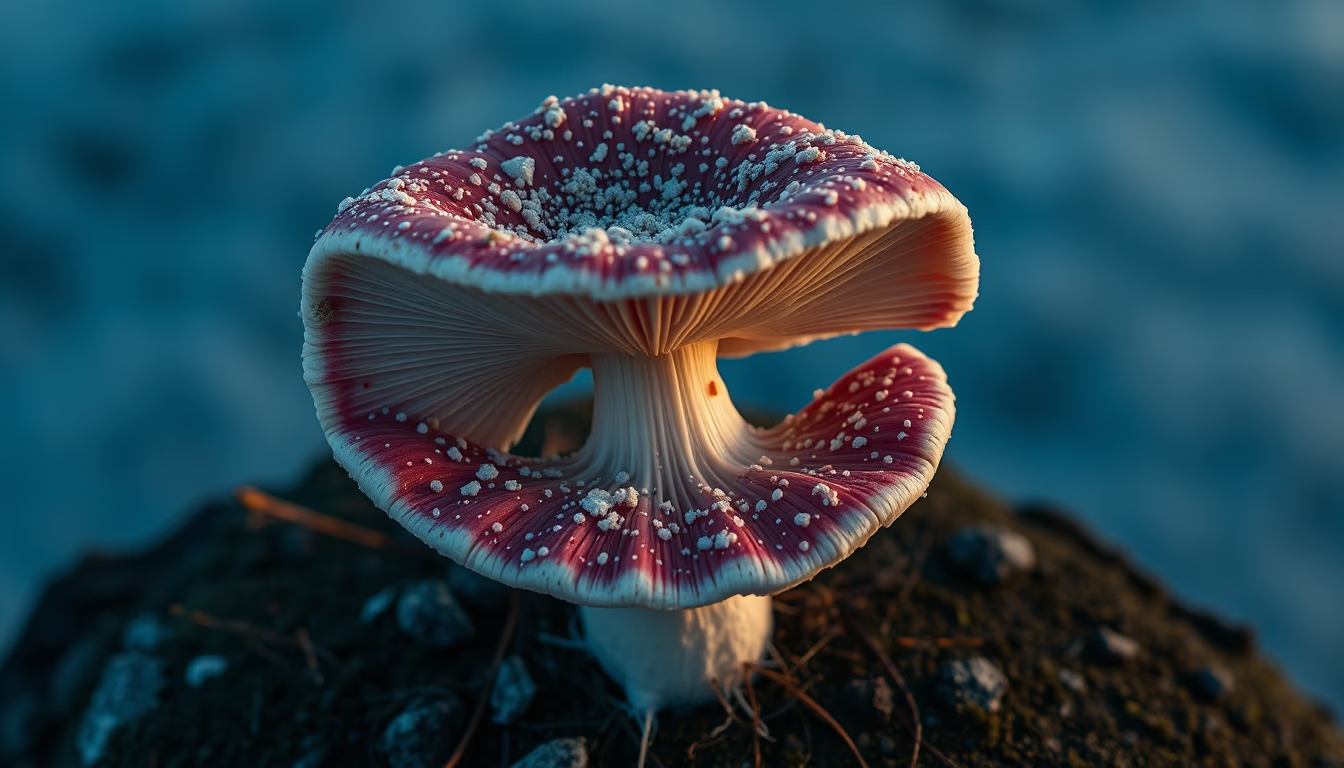
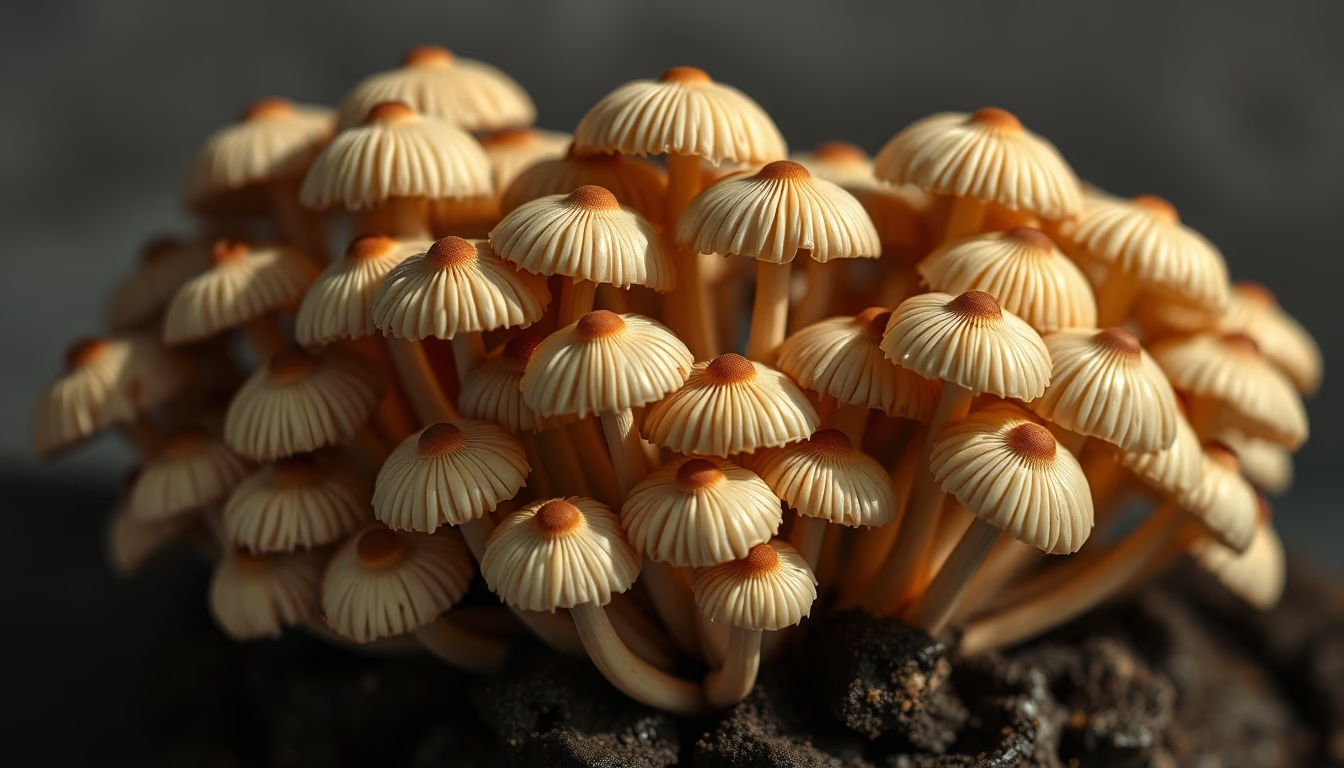
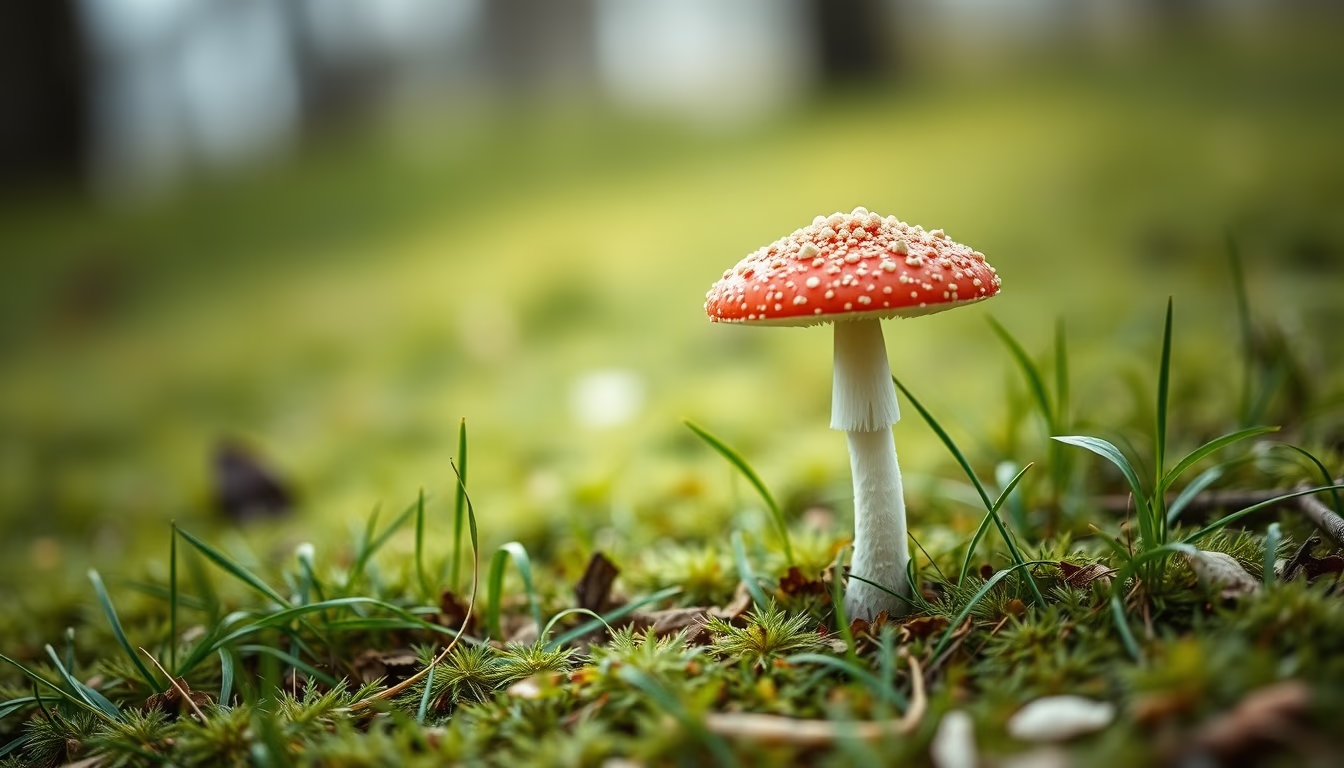
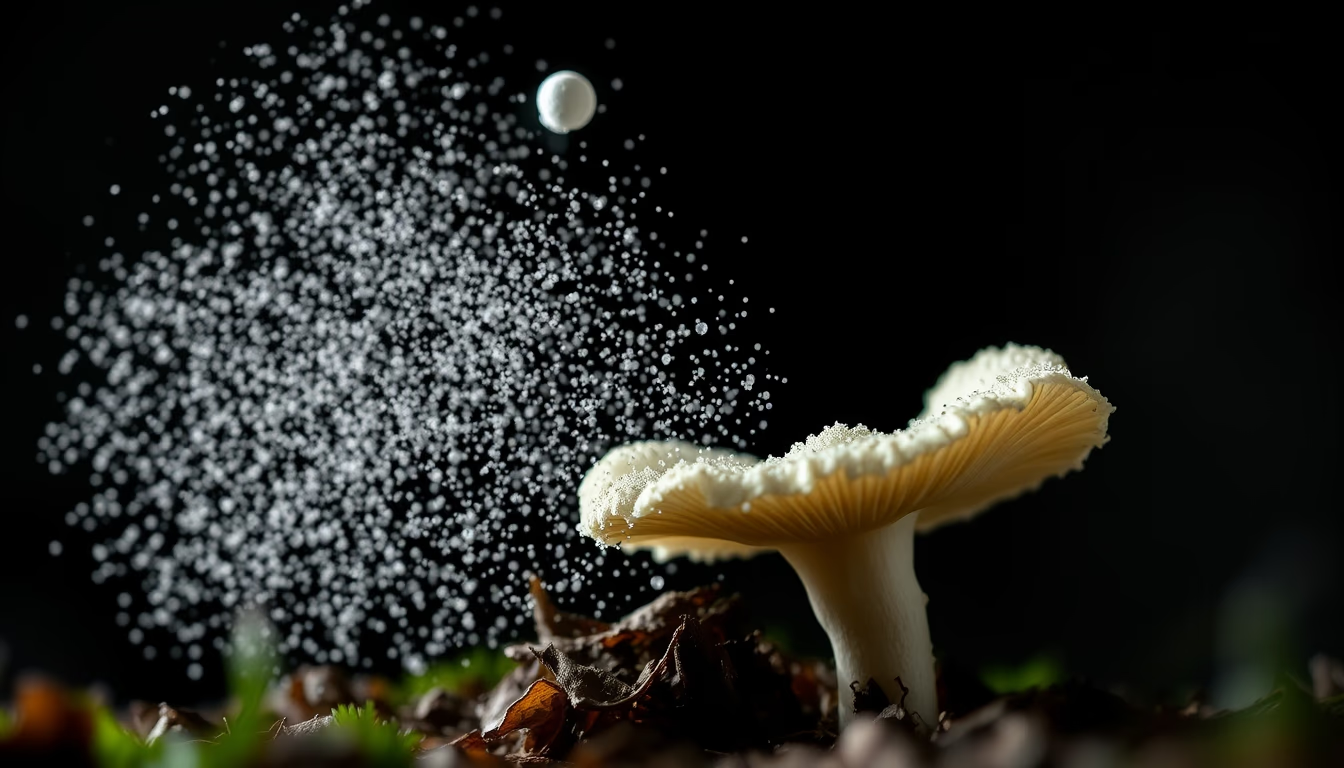
Puffballs release clouds of spores when mature, a fascinating dispersal mechanism that ensures the propagation of these basidiomycete fungi.
About this subject
Puffballs, belonging to genera such as Lycoperdon, Bovista, and Calvatia, are basidiomycete fungi known for their unique spore release mechanism. When mature, the outer wall of the fruiting body ruptures, creating an apical opening. Any disturbance, like raindrops or animal touch, causes millions of spores to be expelled in a cloud. This process, called passive release, is highly efficient in open environments like grasslands and temperate forests.
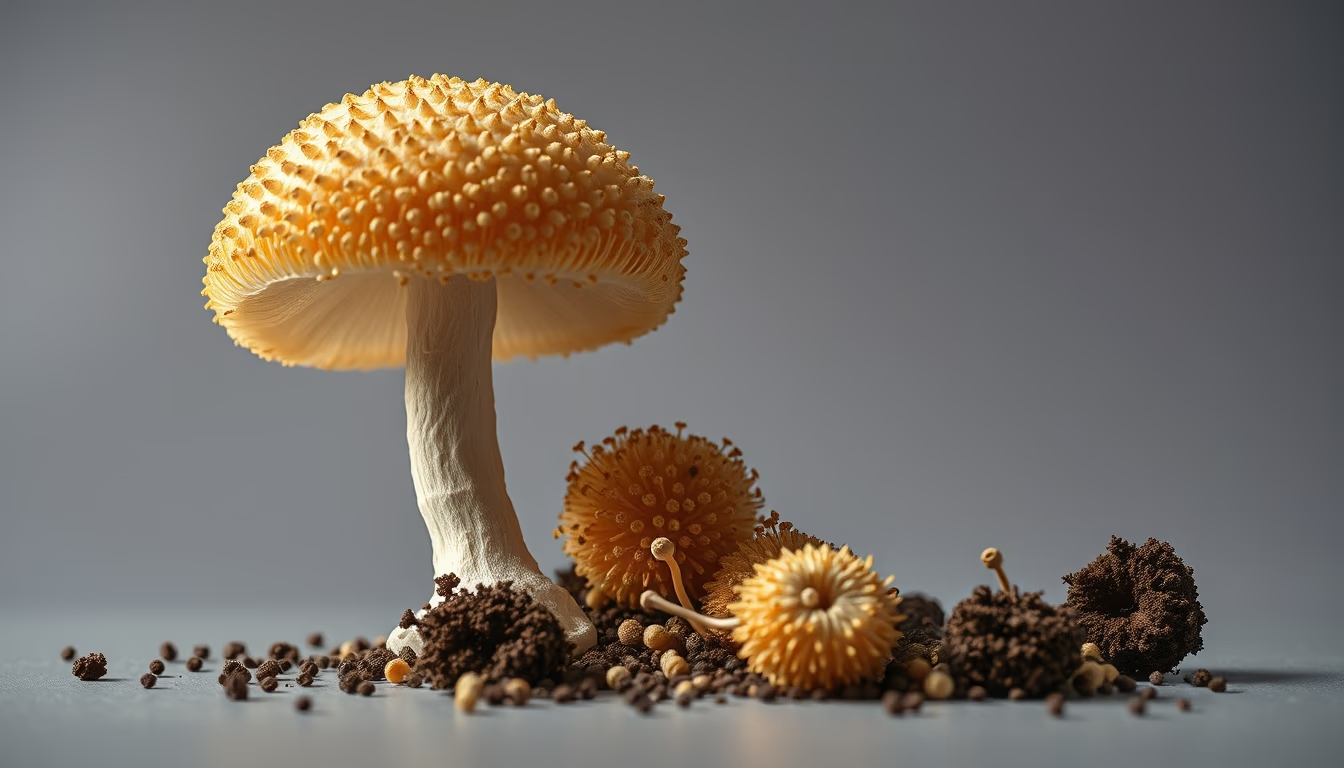
The internal structure of a puffball consists of a mass of spores intertwined with hyphae. Osmotic pressure and tissue elasticity propel spores several centimeters away, aided by air currents for long-distance dispersal. Some puffballs, such as Calvatia gigantea, can exceed 1 meter in diameter and contain trillions of spores, representing one of the largest spore productions in the fungal kingdom.
Ecologically, puffballs are primary decomposers of organic matter, especially in nitrogen-poor soils. They recycle nutrients and contribute to humus formation. Interestingly, many species are edible when young, before the spores darken. However, correct identification is crucial, as immature puffballs can be mistaken for deadly Amanitas. In popular culture, puffballs are often associated with fairy smoke or magic mushroom legends due to their spore cloud resembling smoke.
Frequently Asked Questions
How do puffballs release their spores?
Puffballs release spores passively through an opening at the top of the mature fruiting body. When touched by rain, wind, or animals, internal pressure ejects the spores in a cloud.
Are puffballs edible?
Yes, many puffball species are edible when young and the flesh is still white. However, proper identification is crucial, as some toxic fungi can resemble immature puffballs.
What is the ecological role of puffballs?
Puffballs are decomposers that recycle organic matter in soil, especially in nutrient-poor areas. They aid in humus formation and carbon and nitrogen cycling.
Direct URL
https://pub-c7d6a6ea828543ac903a74a341ccb2e1.r2.dev/imagens/puffball-spore-release-studio-still-life-p0.avifHow to credit
Include a visible link back to UtilizAí. Copy one of the snippets below:
<a href="https://xn--utiliza-eza.com/en/midia/imagens/puffball-spore-release-studio-still-life-p0">Puffball spore release</a> by <a href="https://xn--utiliza-eza.com">UtilizAí</a>, licensed under <a href="https://creativecommons.org/licenses/by/4.0/">CC BY 4.0</a>.
[Puffball spore release](https://xn--utiliza-eza.com/en/midia/imagens/puffball-spore-release-studio-still-life-p0) by [UtilizAí](https://xn--utiliza-eza.com), CC BY 4.0
License: CC-BY-4.0