Puffball spore release
1344×768 · AVIF · CC BY 4.0
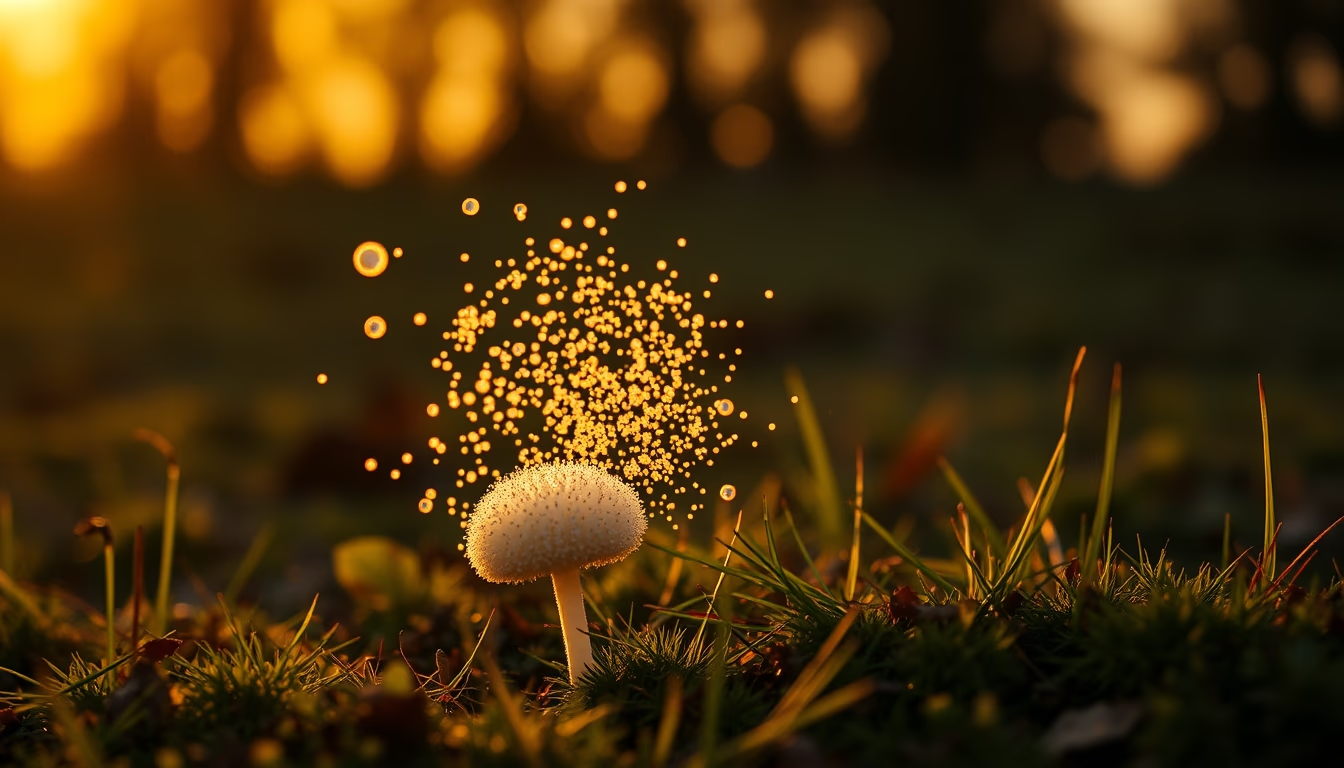
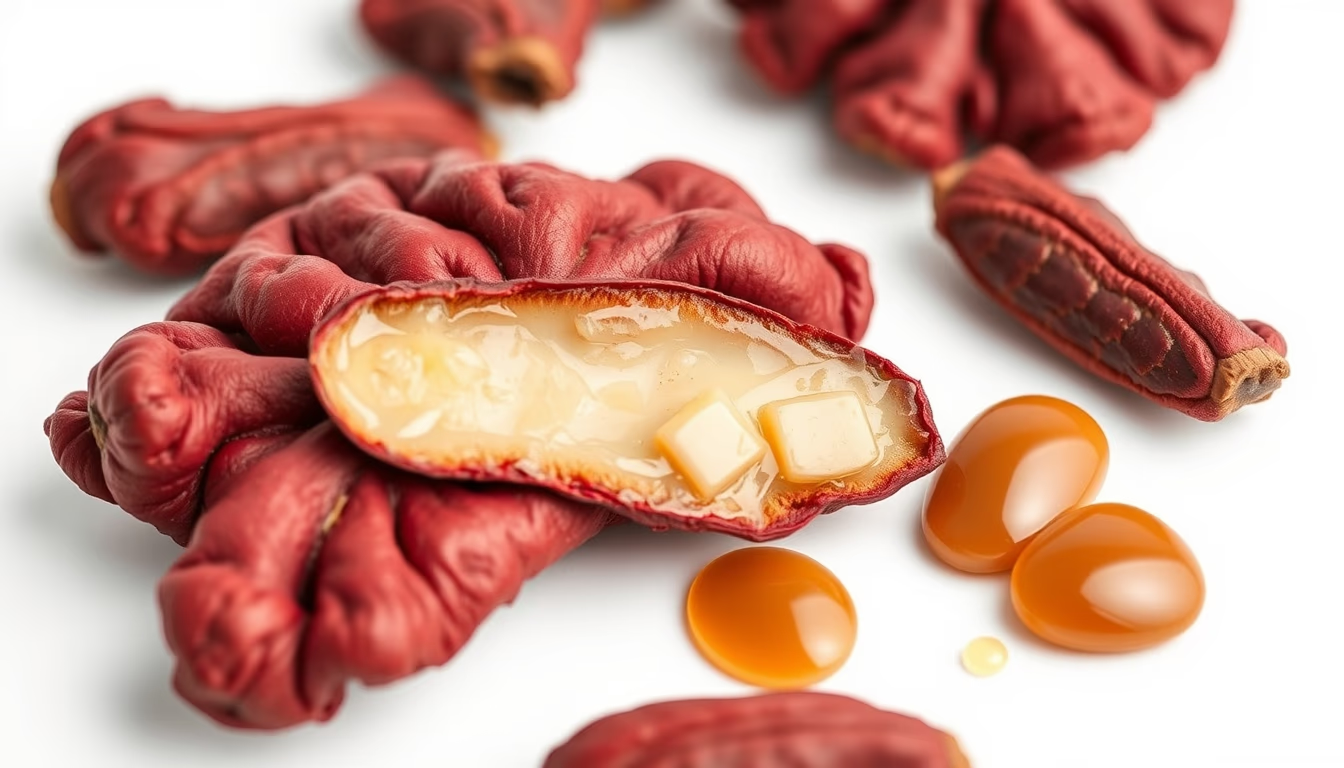
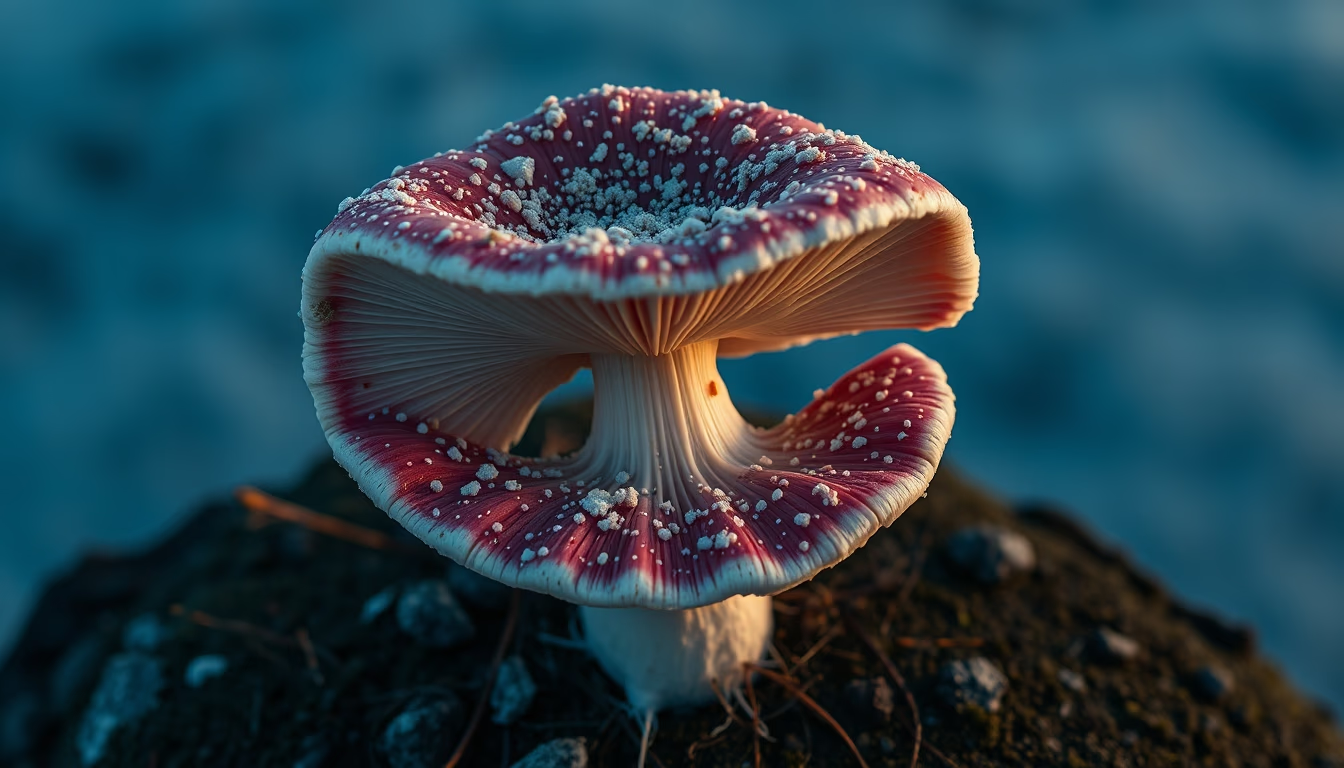
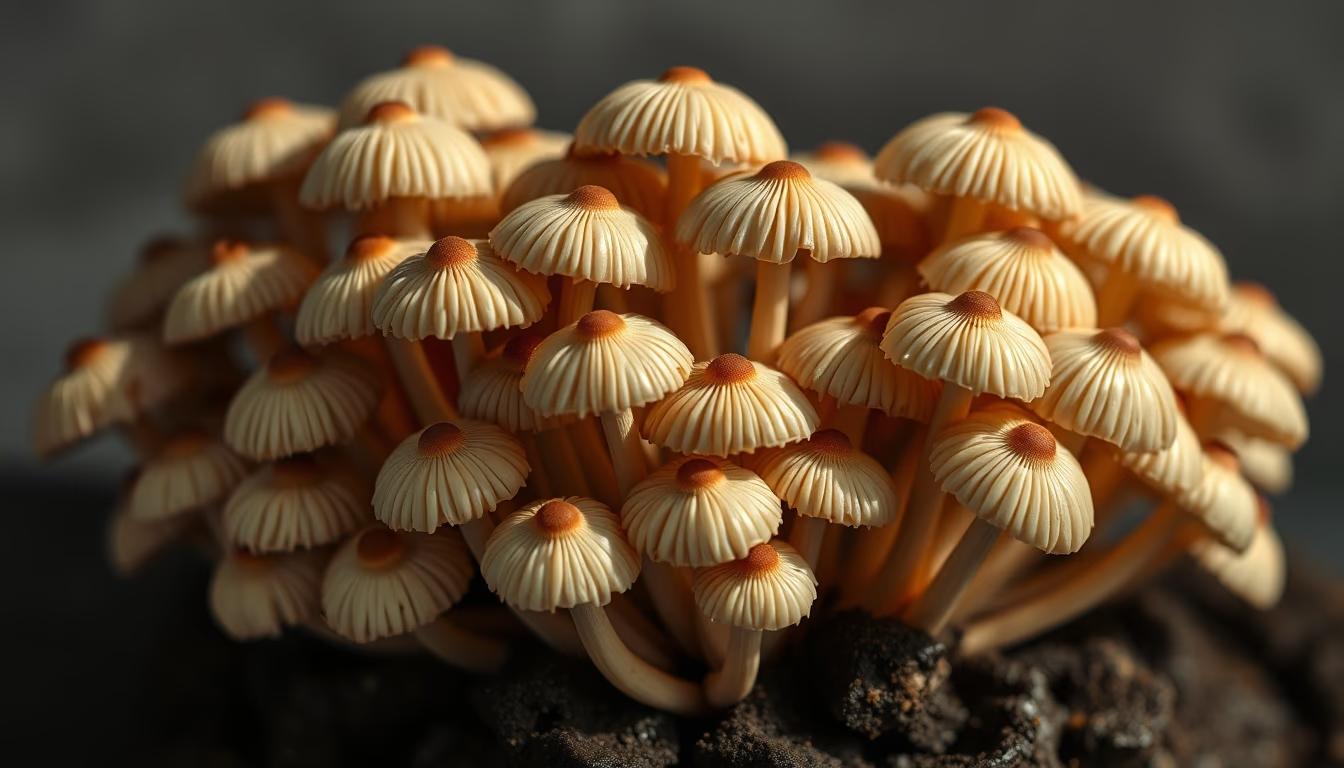
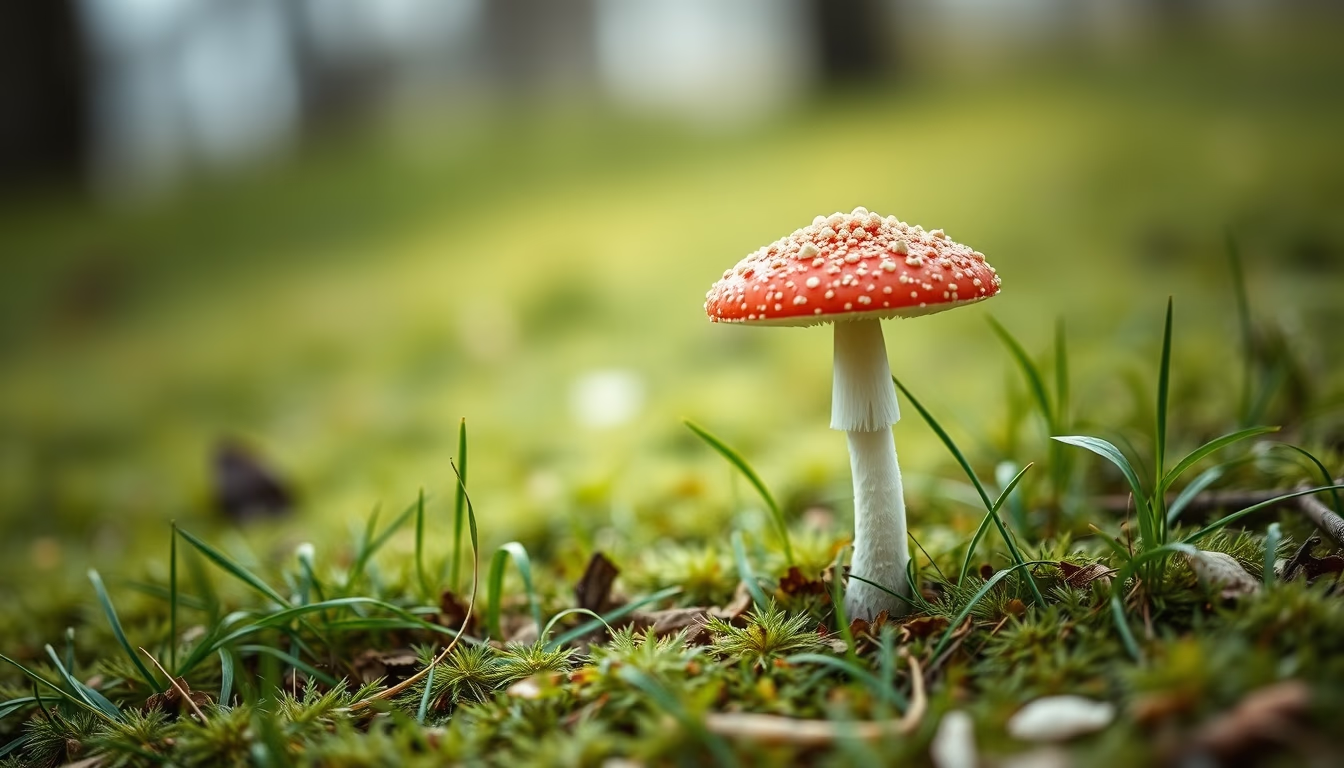
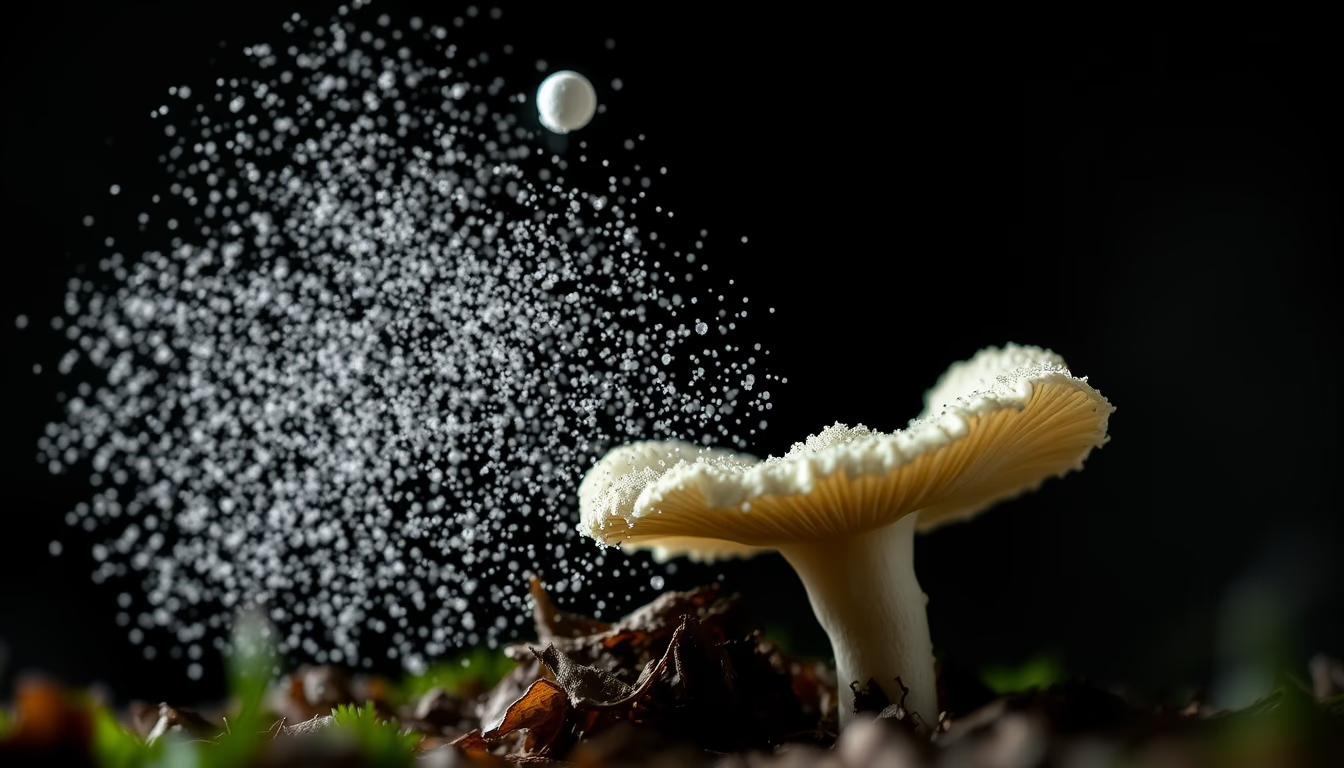
Puffball mushrooms release millions of spores in explosive clouds, a natural spectacle of fungal reproduction.
About this subject
Puffball mushrooms, belonging to families such as Lycoperdaceae and Agaricaceae, are renowned for their unique spore dispersal mechanism. Unlike typical mushrooms that release spores from under the cap, puffballs accumulate spores inside a spherical fruiting body. When mature, the outer wall ruptures or develops a pore, and internal pressure combined with physical impacts like raindrops or animal contact expels a dense cloud of spores. This process can be observed in various species, such as Lycoperdon perlatum, found in temperate and tropical forests, and Calvatia gigantea, which can grow up to 70 cm in diameter.
Spore release is a critical event for fungal reproduction. An average-sized puffball can contain up to 7 trillion spores. This massive quantity increases the chances that some spores will encounter favorable conditions for germination. Dispersal occurs mainly by wind, but can also be aided by animals that accidentally bump into the mushroom. In some cultures, young puffballs are edible, but correct identification is essential, as some toxic mushrooms can resemble them in the immature stage.
Interestingly, puffballs belong to the group Gasteromycetes, meaning 'stomach fungi', due to the internal formation of spores. Unlike typical basidiomycetes, they lack exposed gills. The explosive release is so characteristic that it inspired the English common name 'puffball'. In Brazil, they are commonly called 'bosta-de-lobo' or 'peido-de-veado', popular names referring to the dispersal mechanism. This phenomenon can be observed in fields, pastures, and forests after rainy periods.
The ecological importance of puffballs extends beyond reproduction. They are primary decomposers of organic matter, contributing to nutrient cycling in the soil. Additionally, they serve as food for insects and small mammals. Despite their fragile appearance, the internal spore structure is highly resistant, allowing survival in adverse conditions for years. Recent studies indicate that some compounds extracted from puffballs have medicinal potential, including antimicrobial and anti-inflammatory properties.
Frequently Asked Questions
Are puffball mushrooms poisonous?
Most young puffballs are edible when the interior flesh is white and firm. Mature specimens with dark spores are not edible and may cause digestive upset. It is essential to distinguish them from toxic mushrooms like Amanita species, which can resemble puffballs in the early button stage.
How do puffballs release their spores?
Spore release occurs when the outer wall ruptures or develops a pore. Physical impacts such as raindrops, wind, or animal contact compress the interior, expelling a cloud of spores. This mechanism is known as 'passive impact dispersal'.
Where can I find puffball mushrooms in Brazil?
Puffballs are common in fields, pastures, forest edges, and open areas after rains. Species like Lycoperdon and Calvatia occur in various Brazilian regions, especially in the South and Southeast, during autumn and spring.
Direct URL
https://pub-c7d6a6ea828543ac903a74a341ccb2e1.r2.dev/imagens/puffball-spore-release-cinematic-wide-shot-p6.avifHow to credit
Include a visible link back to UtilizAí. Copy one of the snippets below:
<a href="https://xn--utiliza-eza.com/en/midia/imagens/puffball-spore-release-cinematic-wide-shot-p6">Puffball spore release</a> by <a href="https://xn--utiliza-eza.com">UtilizAí</a>, licensed under <a href="https://creativecommons.org/licenses/by/4.0/">CC BY 4.0</a>.
[Puffball spore release](https://xn--utiliza-eza.com/en/midia/imagens/puffball-spore-release-cinematic-wide-shot-p6) by [UtilizAí](https://xn--utiliza-eza.com), CC BY 4.0
License: CC-BY-4.0