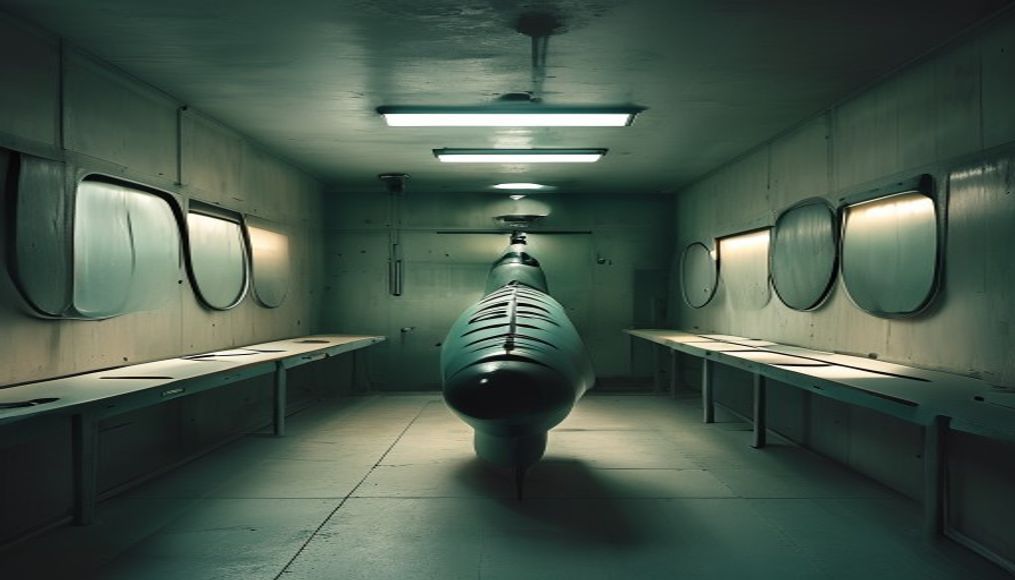
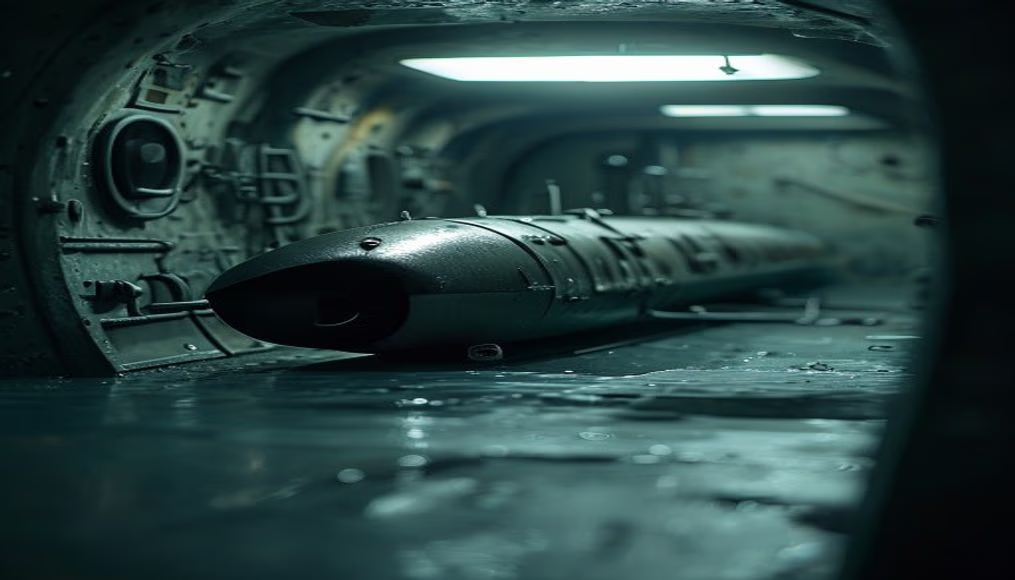
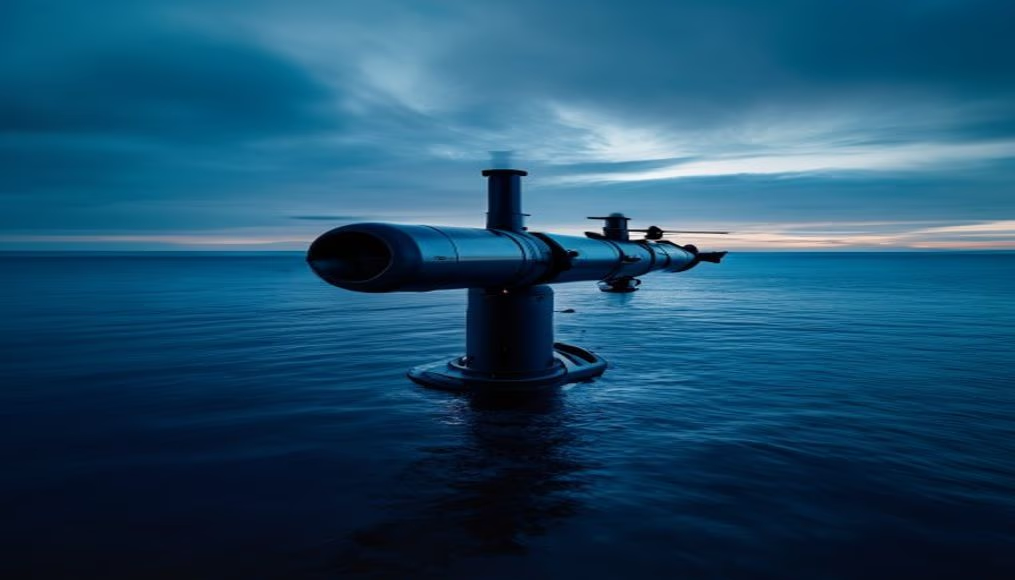
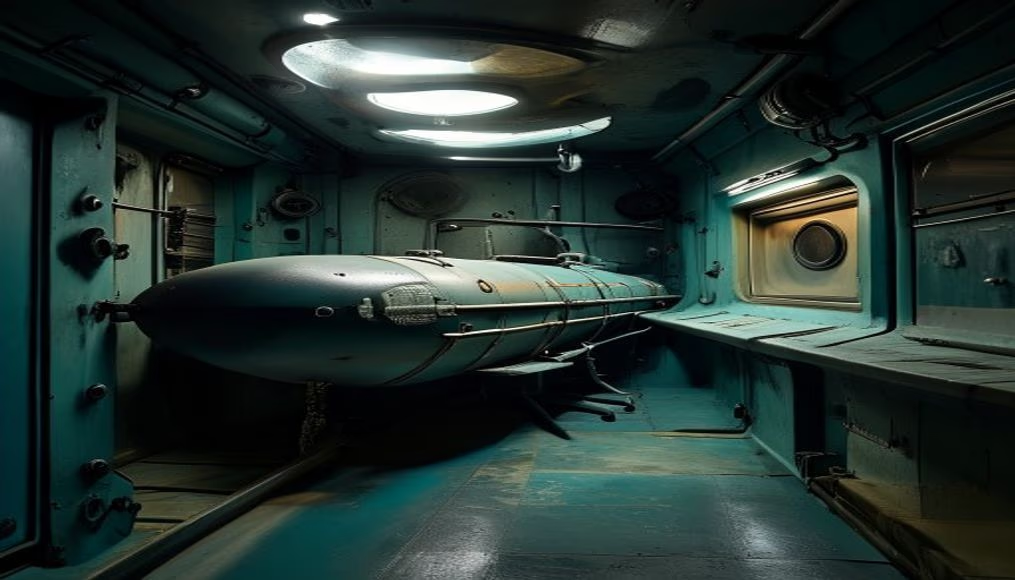
Pirate ship reconstruction
1344×768 · AVIF · CC BY 4.0
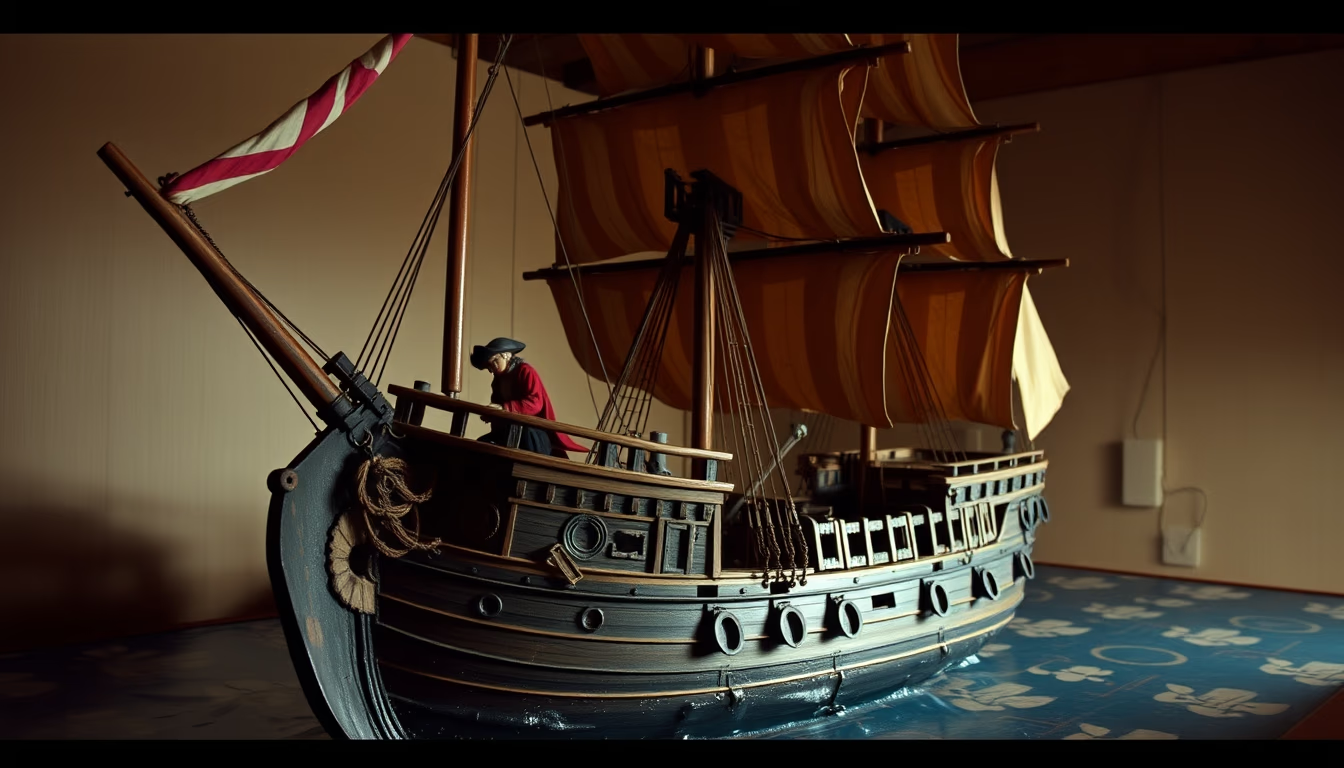
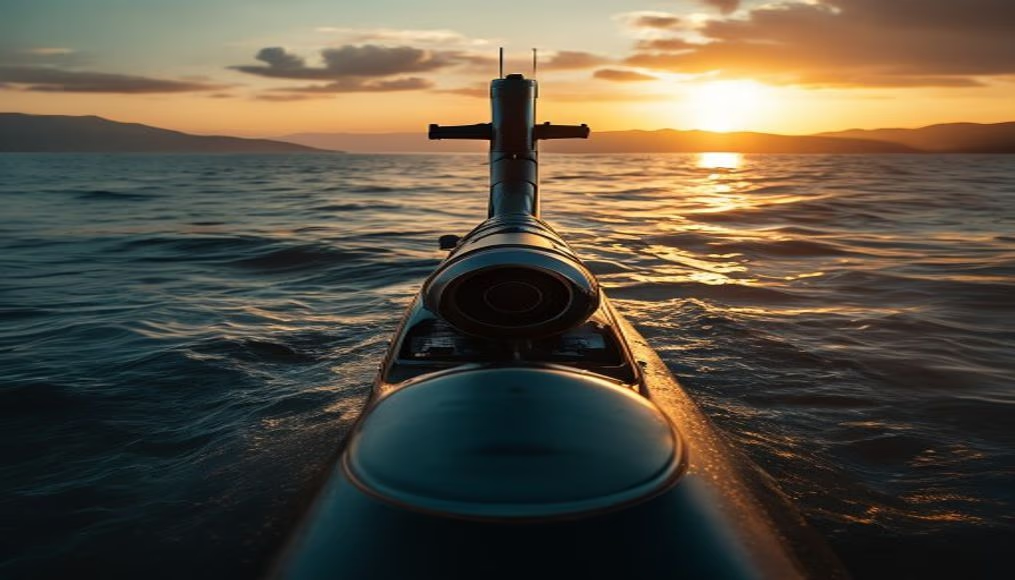
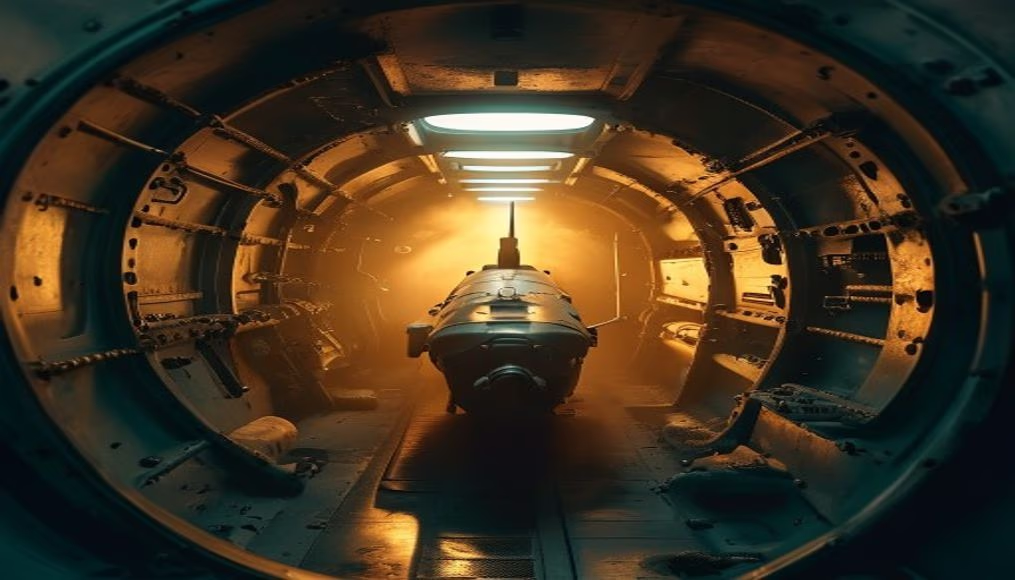
Pirate ship reconstruction merges nautical archaeology, engineering, and maritime history to recreate vessels from the 17th and 18th centuries.
About this subject
Pirate ship reconstruction is a fascinating field that combines underwater archaeology, naval carpentry, and historical research. Many of these vessels, such as the famous Whydah Gally, were found shipwrecked and undergo meticulous restoration or recreation processes. The Whydah, for instance, was discovered in 1984 off the coast of Cape Cod, USA, and its wreckage continues to provide artifacts that help understand life aboard an 18th-century pirate ship. While complete reconstruction of an original ship is rare, historical replicas are built for museums and film productions, like the HMS Surprise used in the movie "Master and Commander: The Far Side of the World" (2003).
The reconstruction process involves studying period documents, such as logbooks and engravings, as well as analyzing wood and hull designs from preserved wrecks. Typical pirate ships were adapted from other types, like frigates or sloops, with modifications for speed and cargo capacity. The replica of the Golden Hind, Francis Drake's ship, built in London in the 1960s, exemplifies how traditional shipbuilding techniques are employed to recreate the original experience. Such replicas often become tourist and educational attractions, offering the public a tangible glimpse into the golden age of piracy.
Beyond the historical aspect, pirate ship reconstruction also has cultural and economic relevance. In Portugal and Brazil, replicas like the Nau São Miguel or the Galeão de D. João VI draw visitors to ports and maritime festivals. However, authenticity is often debated among historians and builders, as many details about sails, armaments, and accommodations are inferred. Reconstruction projects, such as those carried out by the Batavia Shipwreck Museum or the Vasa Museum in Sweden, demonstrate the technical rigor needed to preserve naval heritage.
Interestingly, the popularity of films like "Pirates of the Caribbean" has spurred investments in replicas for entertainment purposes, but also generated renewed interest in maritime archaeology. Each reconstructed ship tells a unique story, from its origin to its sinking, offering lessons on trade, warfare, and daily life at sea. Pirate ship reconstruction, therefore, is not just a tribute to the past but a tool to educate generations about the importance of underwater heritage.
Frequently Asked Questions
What is the most famous pirate ship ever reconstructed?
The Whydah Gally is one of the most famous, wrecked in 1717 and discovered in 1984. Its partial reconstruction has yielded thousands of artifacts, and a full-scale replica has been planned for educational purposes.
How are pirate ship reconstructions carried out?
They use historical records, such as plans and logs, along with traditional shipbuilding techniques. Often they involve analysis of underwater wreckage and collaboration between archaeologists and naval builders.
Are there operational pirate ship replicas today?
Yes, replicas like HMS Surprise (USA) and Golden Hind (UK) sail or are on display. They are used in films, museums, and maritime events, offering an interactive historical experience.
Direct URL
https://pub-c7d6a6ea828543ac903a74a341ccb2e1.r2.dev/imagens/pirate-ship-reconstruction-lo-fi-disposable-camera-p5.avifHow to credit
Include a visible link back to UtilizAí. Copy one of the snippets below:
<a href="https://xn--utiliza-eza.com/en/midia/imagens/pirate-ship-reconstruction-lo-fi-disposable-camera-p5">Pirate ship reconstruction</a> by <a href="https://xn--utiliza-eza.com">UtilizAí</a>, licensed under <a href="https://creativecommons.org/licenses/by/4.0/">CC BY 4.0</a>.
[Pirate ship reconstruction](https://xn--utiliza-eza.com/en/midia/imagens/pirate-ship-reconstruction-lo-fi-disposable-camera-p5) by [UtilizAí](https://xn--utiliza-eza.com), CC BY 4.0
License: CC-BY-4.0