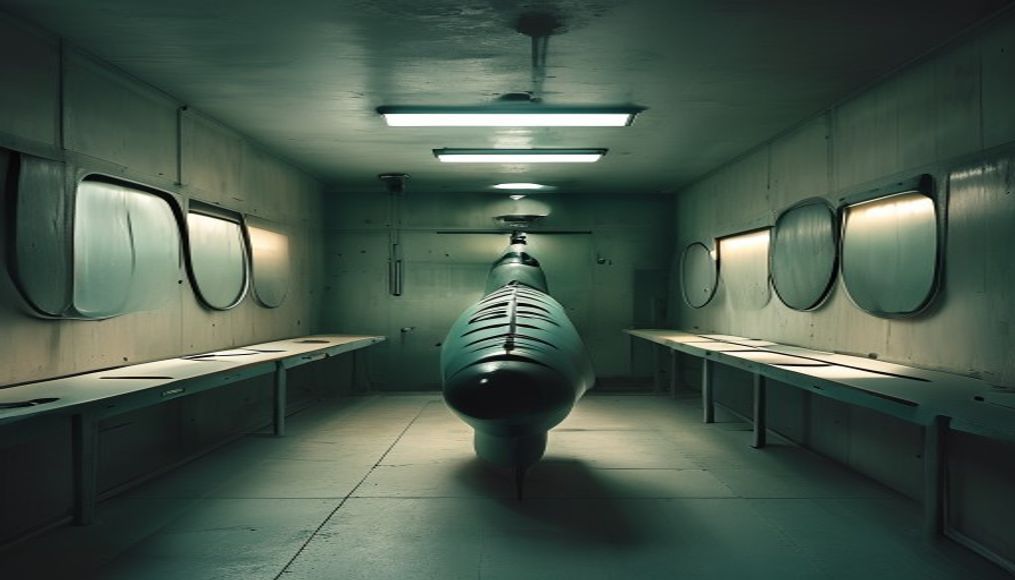
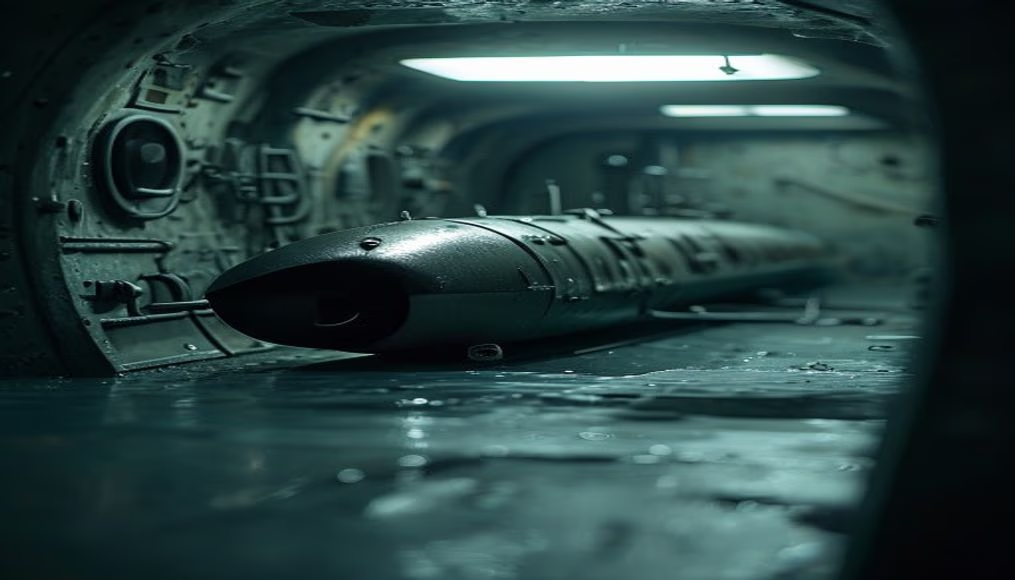
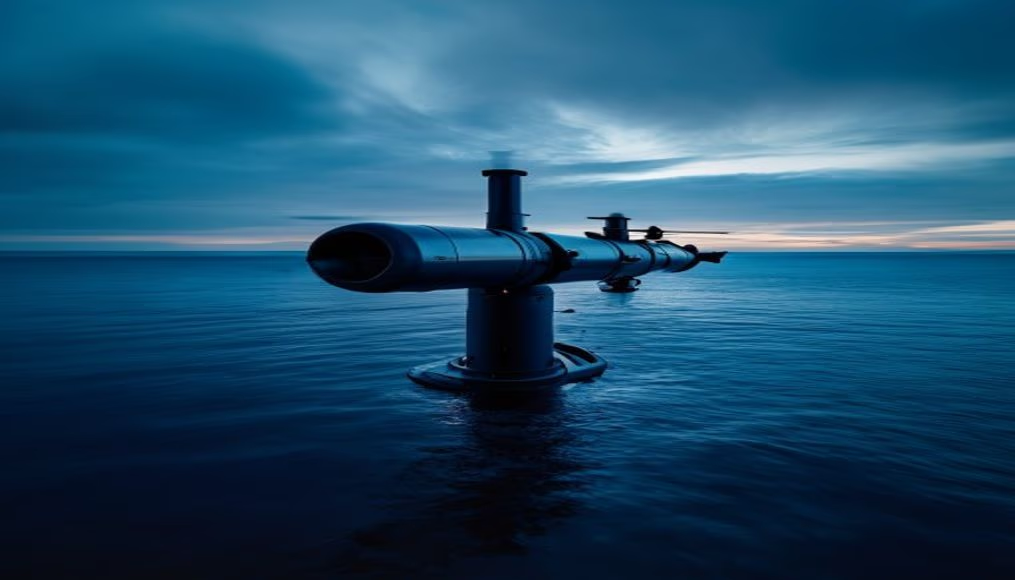
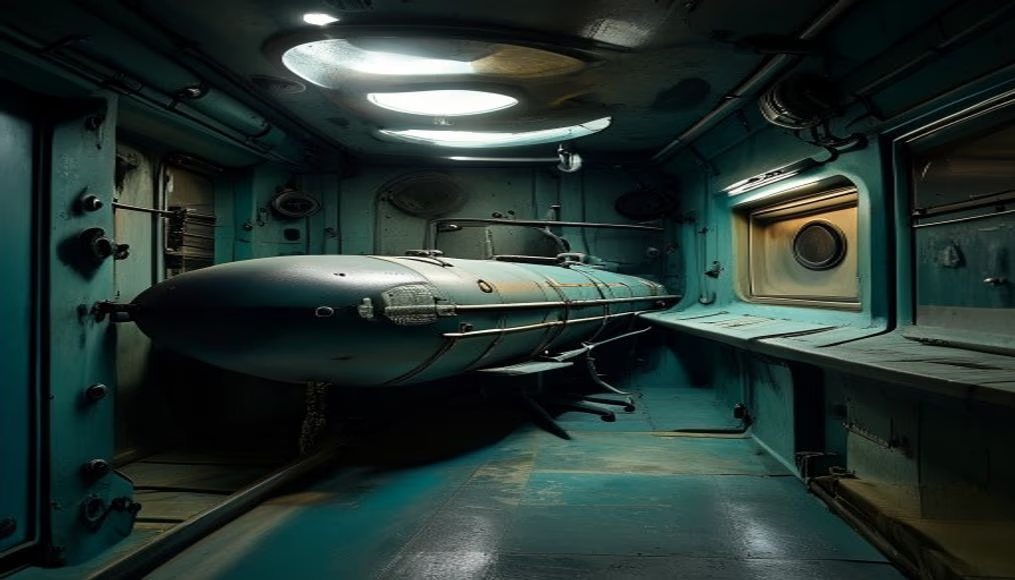
Pirate ship reconstruction
1344×768 · AVIF · CC BY 4.0
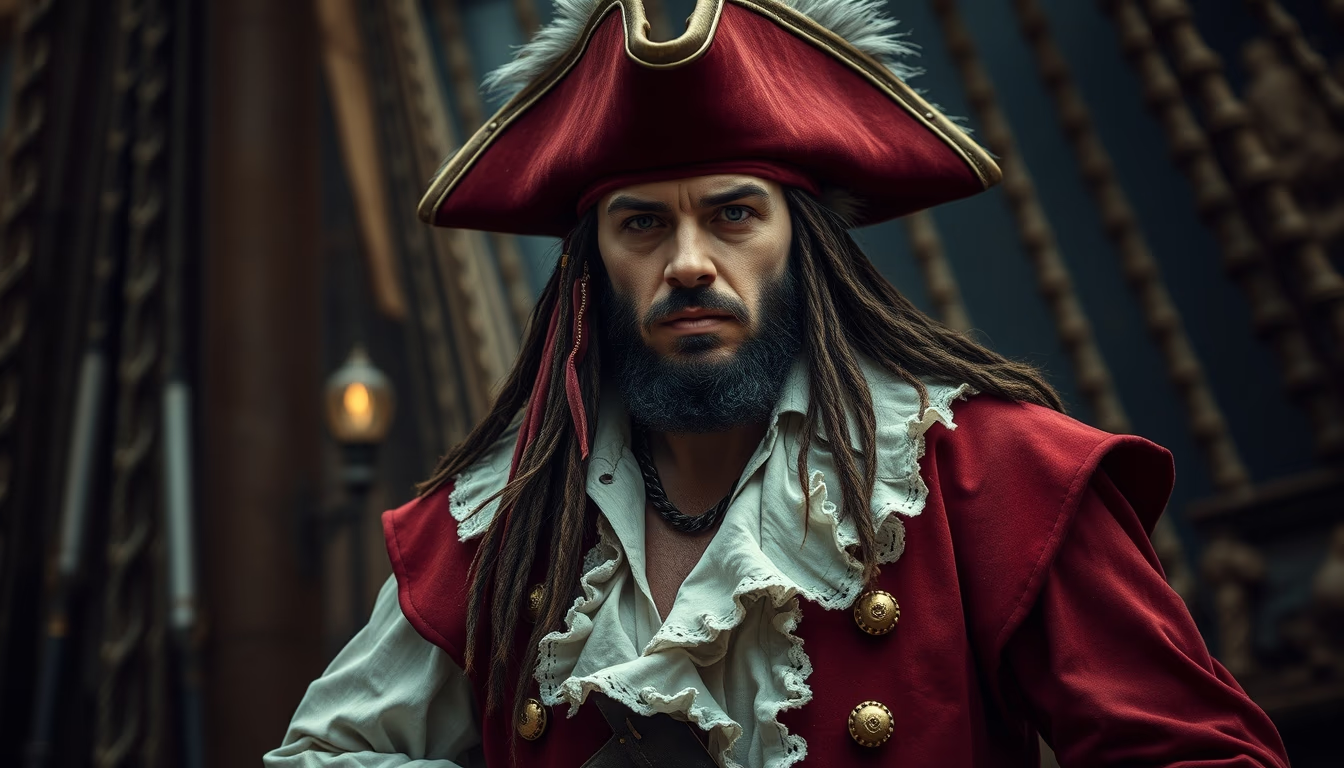
Reconstruction of pirate ships merges naval archaeology and historical tourism, bringing vessels like the Whydah back to life.
About this subject
Reconstructions of pirate ships are endeavors that combine historical research, underwater archaeology, and naval craftsmanship. Based on actual shipwrecks or period documents, these replicas aim to recreate vessels that sailed in the 17th and 18th centuries. One of the most iconic examples is the Whydah Gally, a slave ship captured by pirate Samuel Bellamy in 1717. Its wreck was discovered in 1984 off Cape Cod, Massachusetts, and since 2007 a full-scale replica, incorporating original recovered pieces, has been part of the Whydah Museum in Provincetown.
Another notable case is the Queen Anne's Revenge, the flagship of the fearsome Blackbeard. The ship sank in 1718 off the coast of North Carolina and was found in 1996. A precise replica is currently under construction in Beaufort, North Carolina, expected to launch in 2025. The project uses American white oak and 18th-century ship carpentry techniques, based on historical documents and study of the wreckage.
These reconstructions not only serve tourism and education but also help archaeologists test hypotheses about life aboard and navigation in that era. Visitors can go on board, see replica cannons, and learn about pirates' daily routines. In Brazil, initiatives include a replica of the flagship of Amaro, a 17th-century Portuguese pirate ship, displayed at the Museu do Mar in Santos.
Interestingly, the original Whydah was a slave ship, revealing the complex link between piracy and the slave trade. The Queen Anne's Revenge was a French merchant vessel captured by Blackbeard. Rebuilding these ships allows the public to understand not only pirate adventure but also the economic and social realities of the Golden Age of Piracy.
Frequently Asked Questions
Where can I see a reconstructed pirate ship?
In the United States, you can visit the Whydah Museum in Provincetown, Massachusetts, which displays a replica of pirate Bellamy's ship. The replica of the Queen Anne's Revenge will be available in Beaufort, North Carolina, starting in 2025. In Brazil, the Museu do Mar in Santos has a replica of the pirate Amaro's ship.
How are pirate ship reconstructions made?
They are based on archaeological evidence from shipwrecks, historical documents such as ship logs and paintings, and period ship carpentry techniques. Woods like oak and pine are used, and hulls are assembled with traditional joinery, without nails, following centuries-old methods.
What is the importance of these reconstructions for archaeology?
They allow testing hypotheses about navigation, maneuverability, and living conditions on board. They also preserve maritime cultural heritage and educate the public about the history of piracy, maritime trade, and slavery.
Direct URL
https://pub-c7d6a6ea828543ac903a74a341ccb2e1.r2.dev/imagens/pirate-ship-reconstruction-high-fashion-editorial-p2.avifHow to credit
Include a visible link back to UtilizAí. Copy one of the snippets below:
<a href="https://xn--utiliza-eza.com/en/midia/imagens/pirate-ship-reconstruction-high-fashion-editorial-p2">Pirate ship reconstruction</a> by <a href="https://xn--utiliza-eza.com">UtilizAí</a>, licensed under <a href="https://creativecommons.org/licenses/by/4.0/">CC BY 4.0</a>.
[Pirate ship reconstruction](https://xn--utiliza-eza.com/en/midia/imagens/pirate-ship-reconstruction-high-fashion-editorial-p2) by [UtilizAí](https://xn--utiliza-eza.com), CC BY 4.0
License: CC-BY-4.0