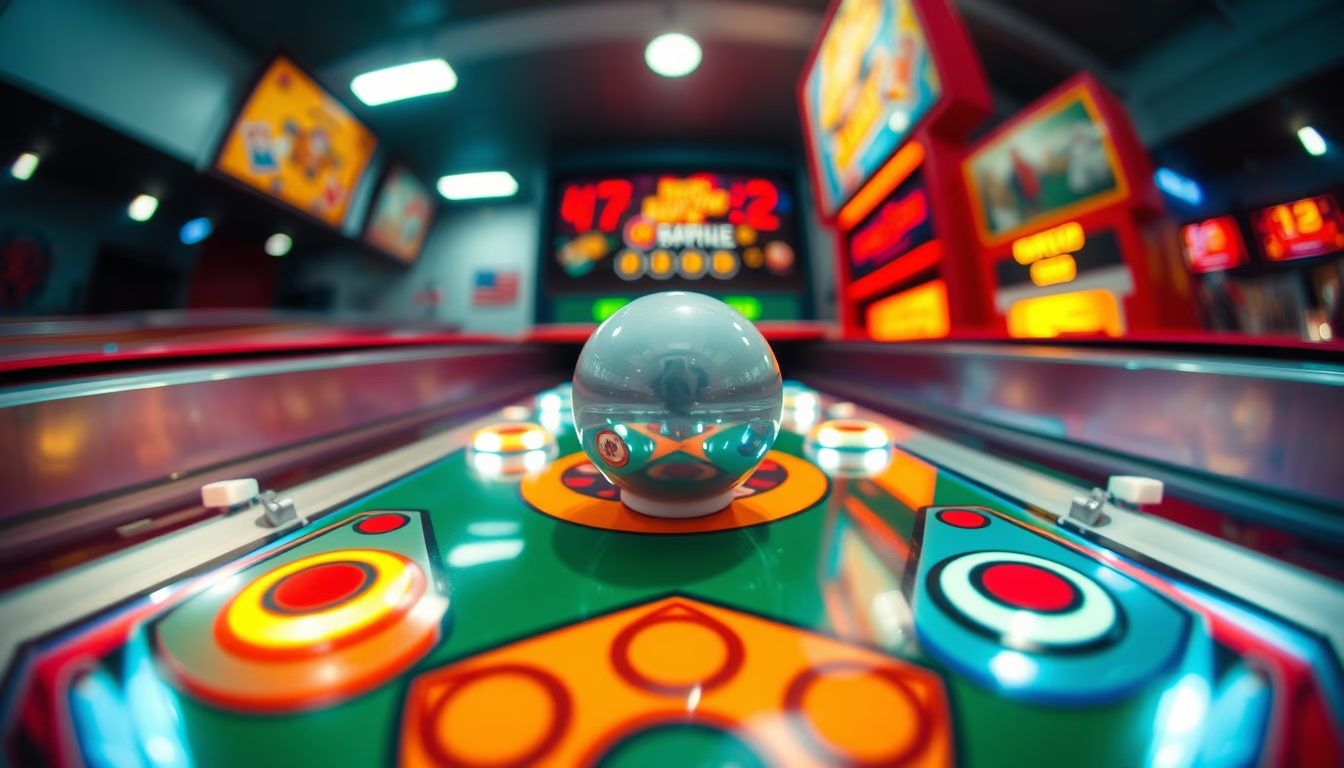
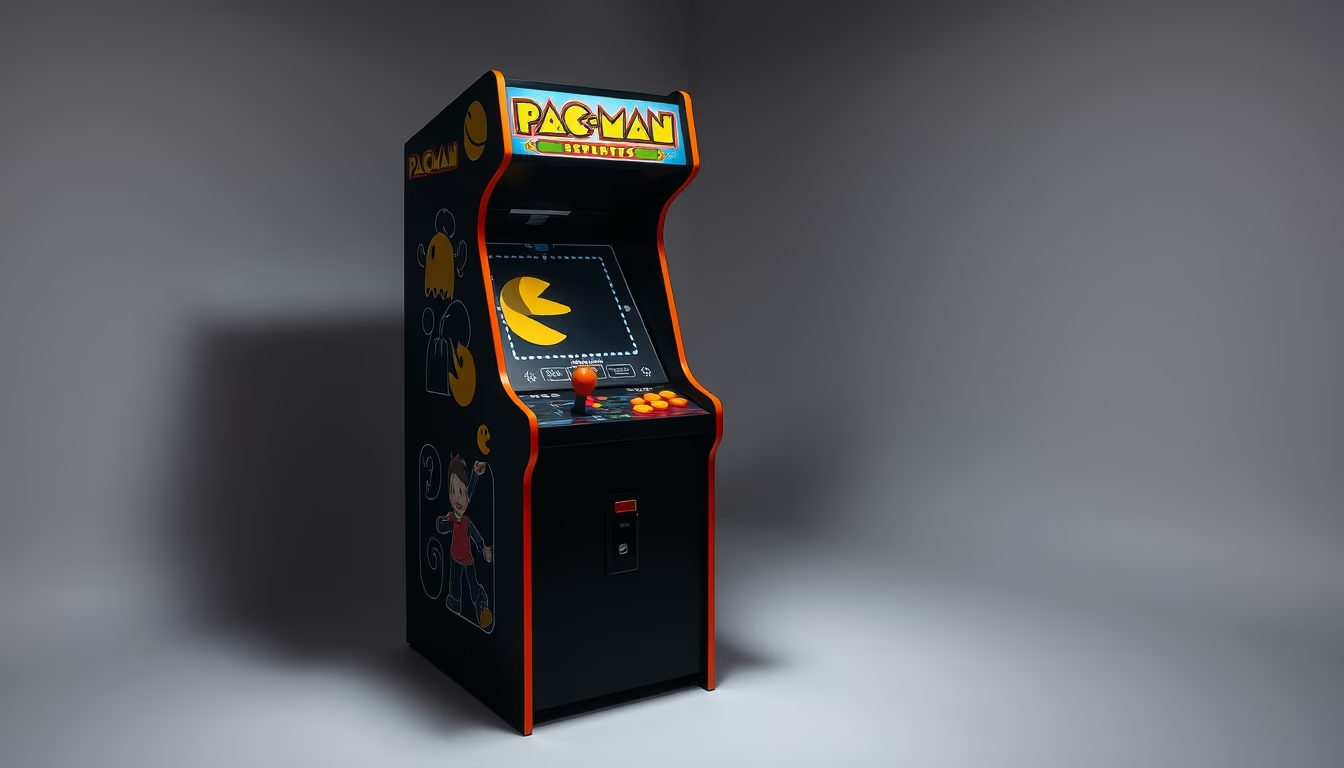
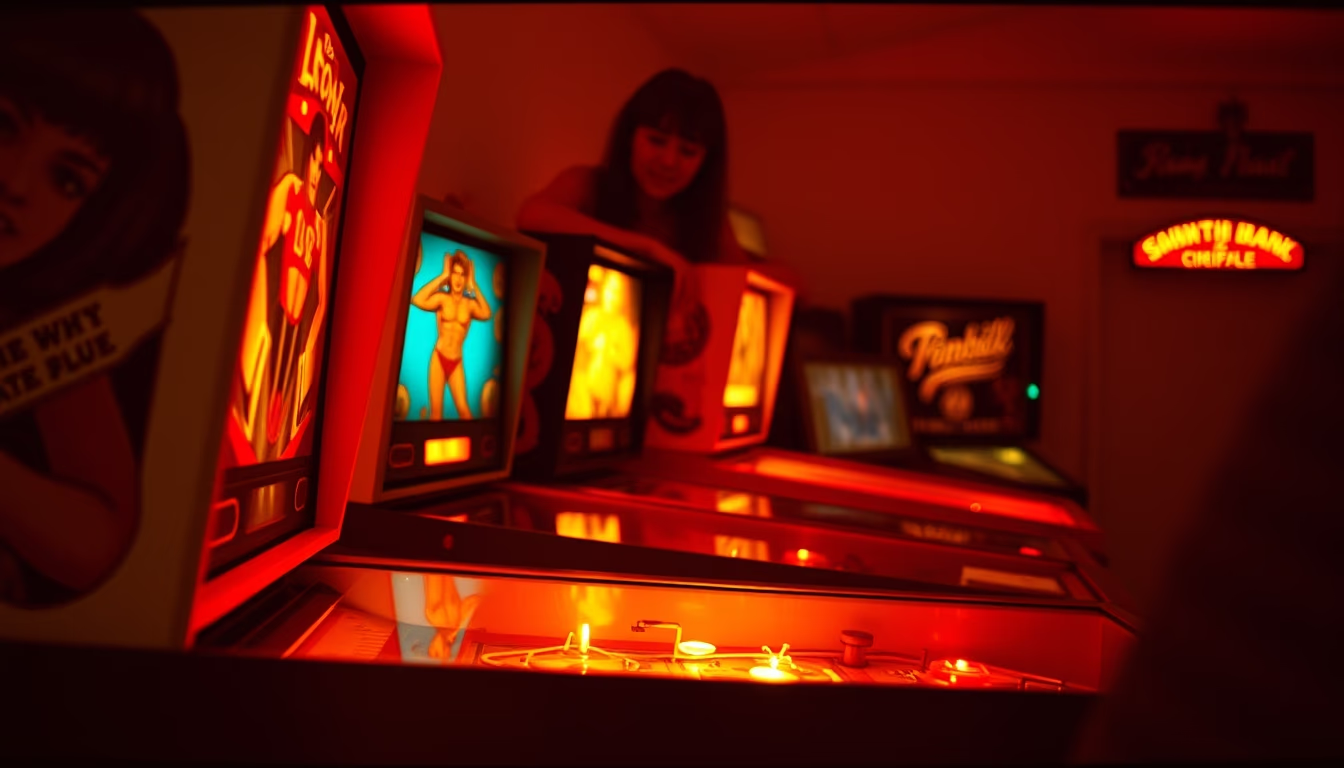
Pinball machine 1970s
1344×768 · AVIF · CC BY 4.0
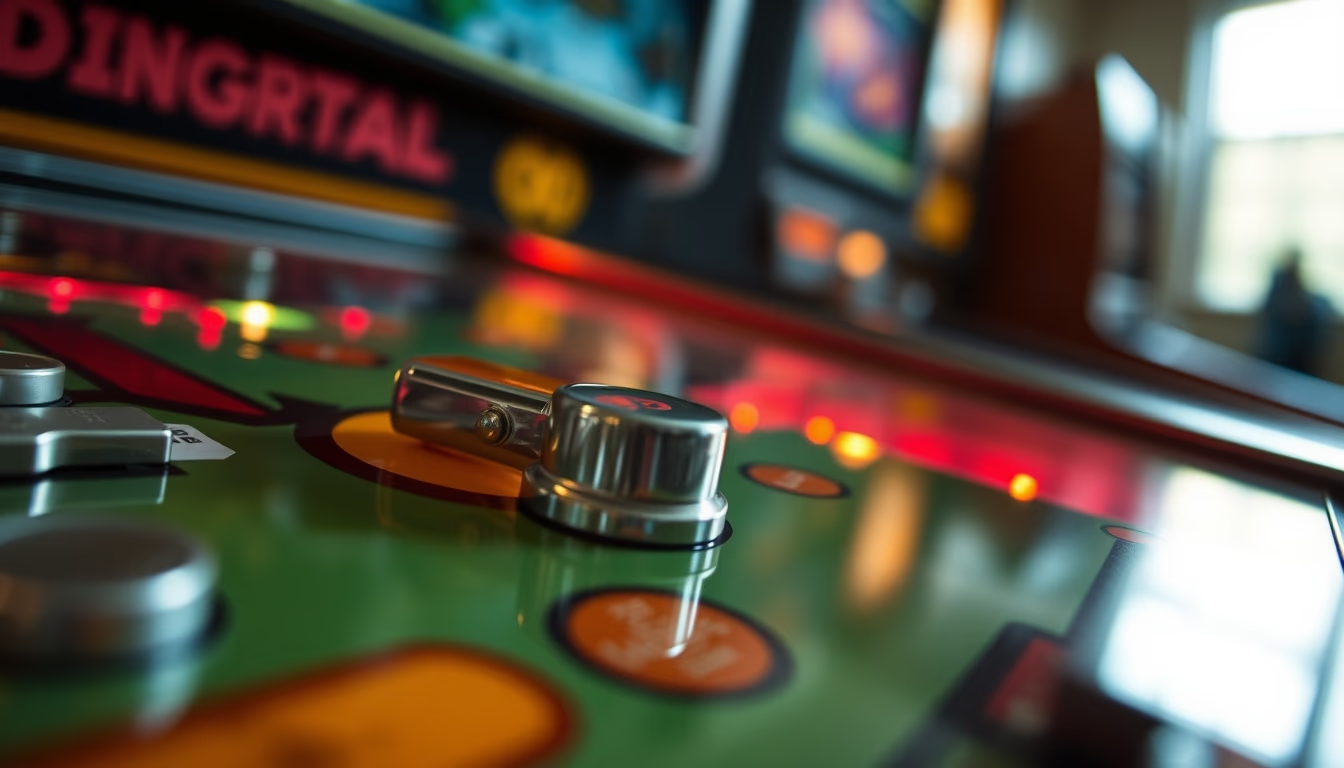
Pinball machines from the 1970s defined the golden age of arcades, featuring electromechanical designs and psychedelic themes that became cultural icons.
About this subject
The 1970s were a transition period for pinball. Machines were still predominantly electromechanical, using relays and solenoids, before the digital revolution of the 1980s. Manufacturers like Bally, Williams, and Gottlieb competed with innovative releases. Playfields featured complex mechanisms: bumpers, flippers, targets, and ramps. Sound was generated by bells and chimes, and lighting used colorful incandescent bulbs. Popular themes included rock and roll, movies, sports, and psychedelic elements.
Pinball was banned in many American cities until the mid-1970s, considered a game of chance. The prohibition began to lift after court decisions classified it as a game of skill and public pressure. In Brazil, arcades spread in the 1970s with imported machines and local copies. The tables were often customized with stickers and modifications, reflecting youth culture.
Today, 1970s pinball machines are collector's items, with restoration communities and dedicated fans. Iconic models like Fireball (Bally, 1972) and The Wizard (Gottlieb, 1975) are sought after. The electromechanical design allows for manual repairs, attracting enthusiasts who preserve nostalgia. Pinball from the 1970s influenced digital games and continues to be celebrated in tournaments and exhibitions.
Frequently Asked Questions
Why was pinball banned in some cities?
Because it was considered a game of chance, involving luck. The ban began to be lifted in the 1970s after court rulings classified it as a game of skill.
Who were the main pinball manufacturers in the 1970s?
Bally, Williams, and Gottlieb dominated the market. Gottlieb launched the iconic System 1 line in 1978, while Bally innovated with tables like Eight Ball.
How did the electromechanical components of 1970s pinball machines work?
They used relays, solenoids, and mechanical counters to record scores and trigger functions. Each ball traveled through a maze of electrical contacts that activated events.
Direct URL
https://pub-c7d6a6ea828543ac903a74a341ccb2e1.r2.dev/imagens/pinball-machine-1970s-macro-closeup-fresh9.avifHow to credit
Include a visible link back to UtilizAí. Copy one of the snippets below:
<a href="https://xn--utiliza-eza.com/en/midia/imagens/pinball-machine-1970s-macro-closeup-fresh9">Pinball machine 1970s</a> by <a href="https://xn--utiliza-eza.com">UtilizAí</a>, licensed under <a href="https://creativecommons.org/licenses/by/4.0/">CC BY 4.0</a>.
[Pinball machine 1970s](https://xn--utiliza-eza.com/en/midia/imagens/pinball-machine-1970s-macro-closeup-fresh9) by [UtilizAí](https://xn--utiliza-eza.com), CC BY 4.0
License: CC-BY-4.0