Pinball machine 1970s
1344×768 · AVIF · CC BY 4.0
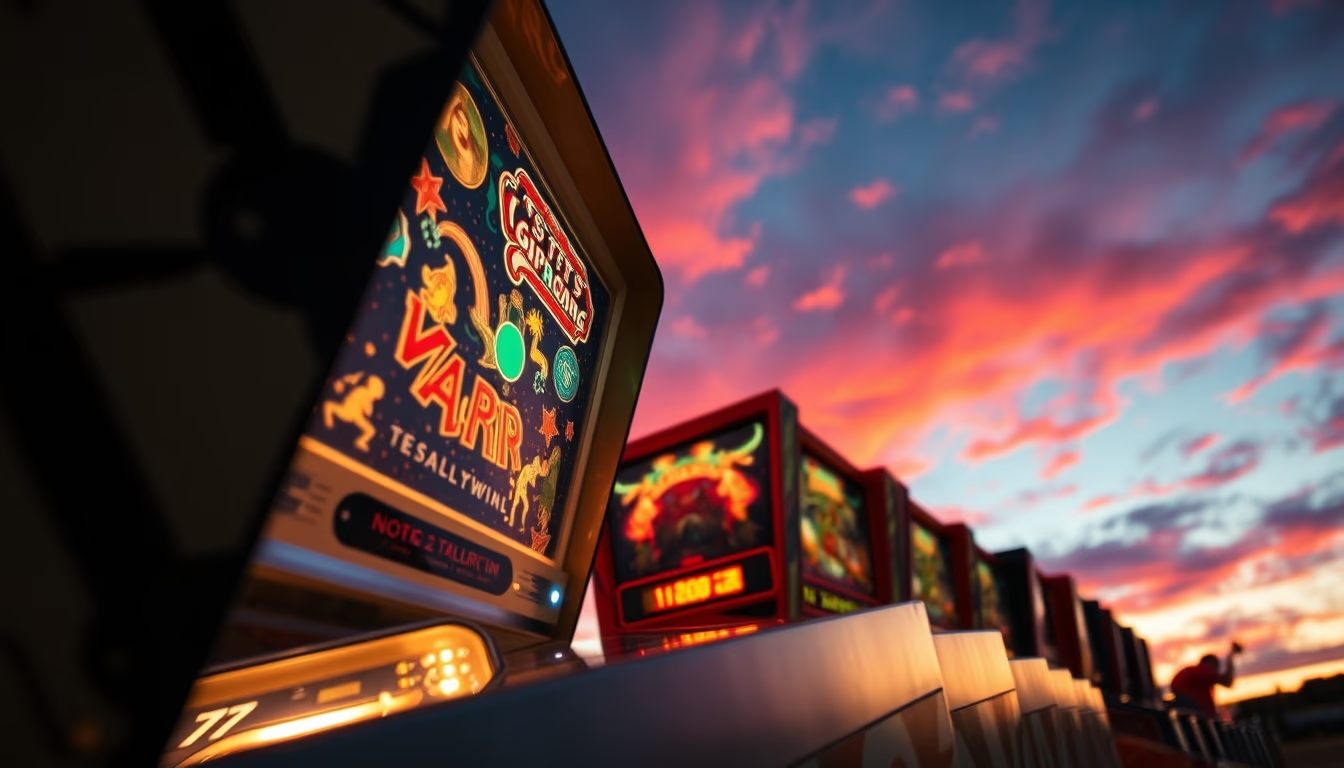
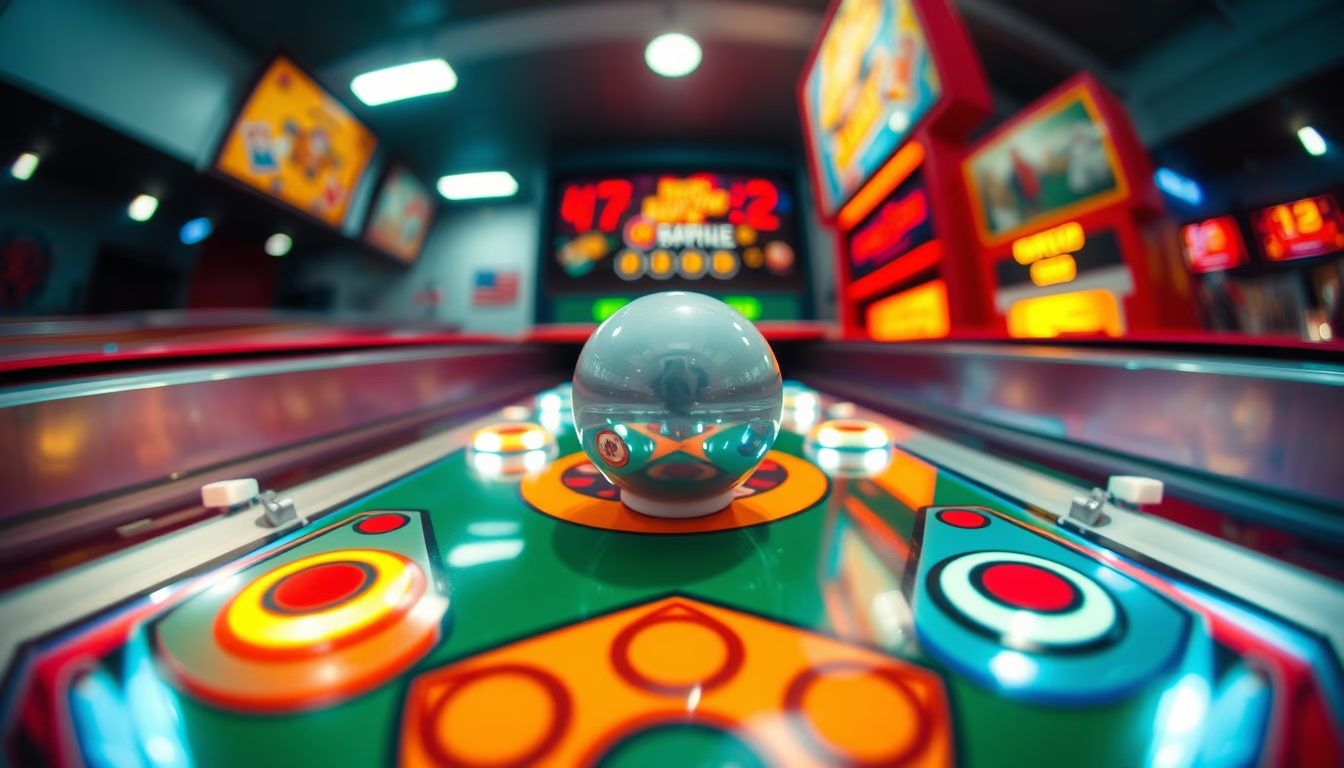
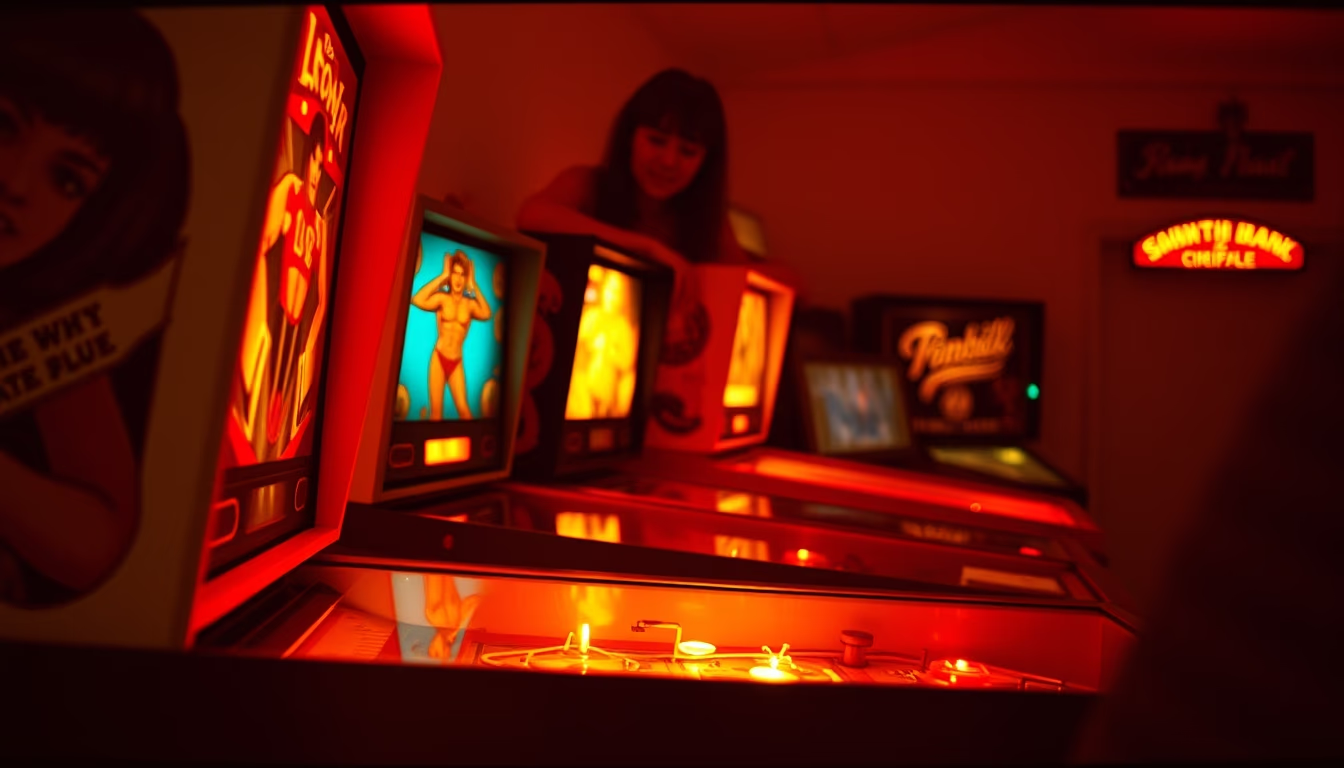
The 1970s pinball machines marked the transition from electromechanical systems to early solid-state circuits, revolutionizing gameplay.
About this subject
The 1970s were a golden era for pinball, witnessing the evolution from purely electromechanical (EM) machines to early solid-state versions with printed circuit boards and chips. Manufacturers like Gottlieb, Bally, and Williams dominated the market, creating tables with varied themes ranging from sports to science fiction. Famous models include Bally's "Fireball" (1972), which introduced the concept of "multi-ball", and Gottlieb's "Jacks Open" (1977), one of the last great EM successes before the digital shift.
These machines were pure mechanical engineering in action: rotating disc score reels, solenoids, and motors producing sounds and movements. The flipper design was shorter, requiring precise timing, unlike the longer, more responsive flippers of later models. The cultural aspect of pinball in the 1970s was linked to arcades, bars, and diners, seen as a game of skill and chance. Many cities even banned pinball for its association with gambling, which only increased its mystique.
The transition to solid state began in 1975 with Bally's "Wizard", which used microprocessors to control game logic. This allowed more complex rules, digital sound, and LED displays. Williams introduced the "Hybrid" in 1978, combining EM and SS elements. This period is especially valued by collectors because it combines the mechanical robustness of earlier years with the early signs of the electronic revolution. 1970s machines are now museum pieces but are still operated in tournaments and exhibitions.
Fun facts: Gottlieb released the first automatic replay in a pinball machine in 1973, a milestone for the arcade business model. The film "Tommy" (1975) helped popularize pinball in pop culture. And despite their fame, only about 5% of machines produced in the decade survive in working condition today.
Frequently Asked Questions
What differentiates 1970s pinball machines from earlier ones?
1970s machines mark the transition from electromechanical to solid-state systems. The first half used disc score reels and solenoids, while after 1975 models featured microprocessors, digital sound, and LEDs, allowing more complex rules.
Which manufacturers were most important in the 1970s?
The three major manufacturers were Gottlieb, Bally, and Williams. Gottlieb was known for classic themes and durability, Bally for innovations like multi-ball and the microprocessor, and Williams for models like the "Hybrid" that combined the best of both worlds.
Why are 1970s pinball machines so valued by collectors?
They are prized for combining robust mechanical engineering with early electronic innovations, plus striking artwork and nostalgic themes. The rarity of well-preserved models also increases their value.
Direct URL
https://pub-c7d6a6ea828543ac903a74a341ccb2e1.r2.dev/imagens/pinball-machine-1970s-long-exposure-fresh0.avifHow to credit
Include a visible link back to UtilizAí. Copy one of the snippets below:
<a href="https://xn--utiliza-eza.com/en/midia/imagens/pinball-machine-1970s-long-exposure-fresh0">Pinball machine 1970s</a> by <a href="https://xn--utiliza-eza.com">UtilizAí</a>, licensed under <a href="https://creativecommons.org/licenses/by/4.0/">CC BY 4.0</a>.
[Pinball machine 1970s](https://xn--utiliza-eza.com/en/midia/imagens/pinball-machine-1970s-long-exposure-fresh0) by [UtilizAí](https://xn--utiliza-eza.com), CC BY 4.0
License: CC-BY-4.0