Pinball machine 1970s
1344×768 · AVIF · CC BY 4.0
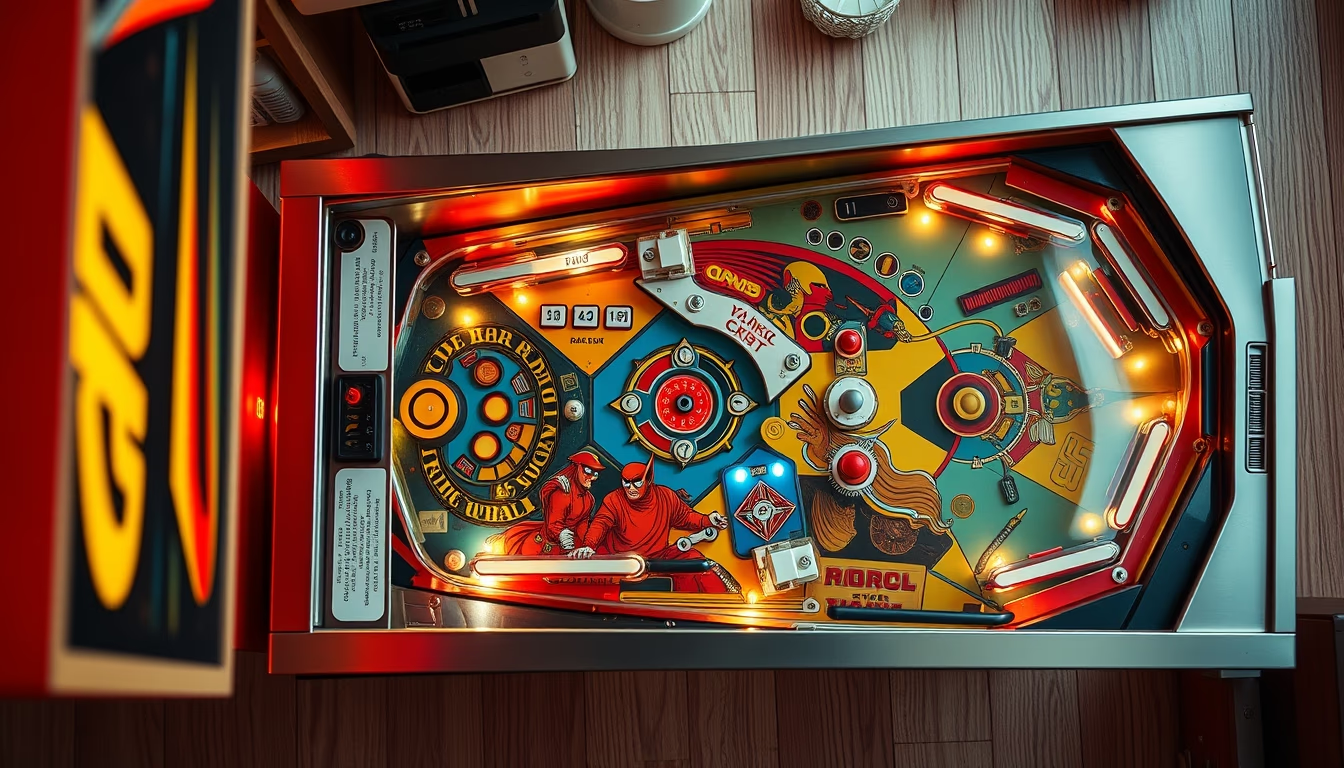
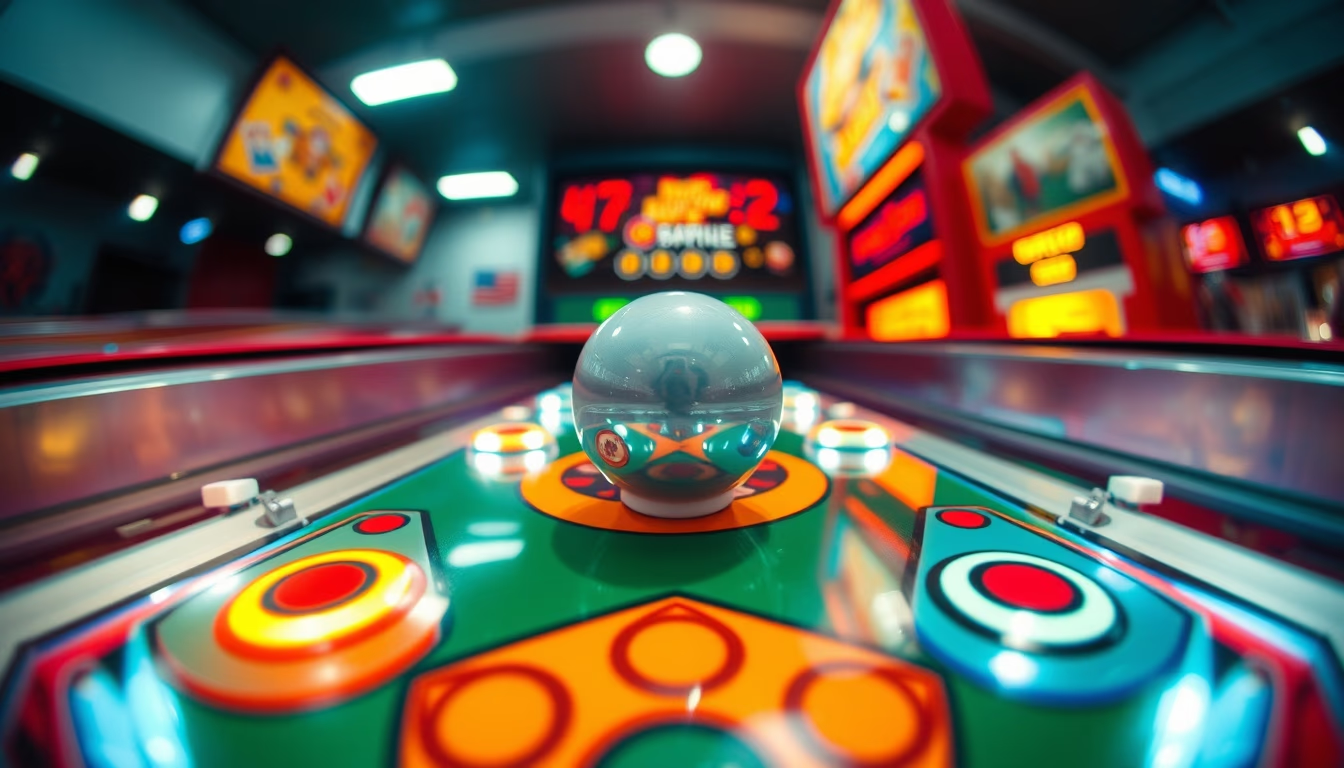
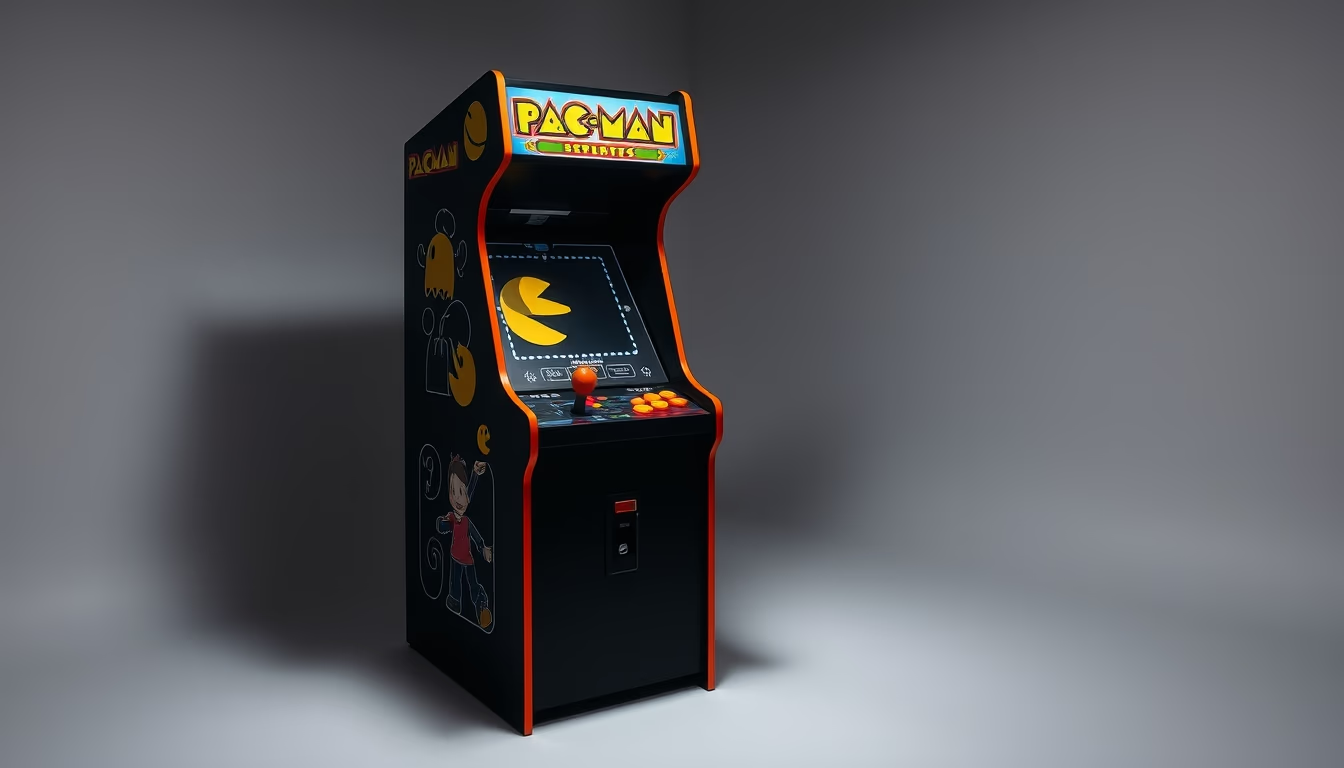
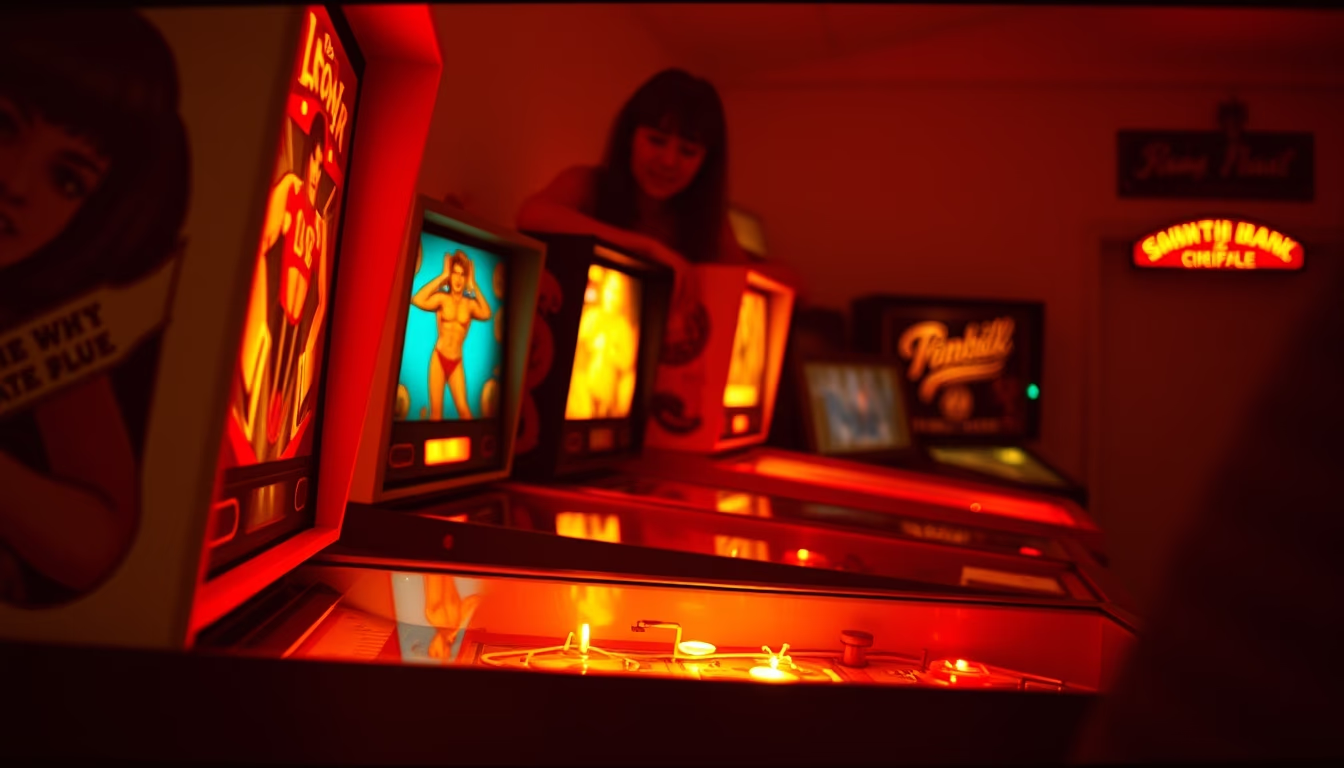
A 1970s pinball machine, an arcade icon that blended electromechanical design with pop art and ushered in the golden age of pinball gaming.
About this subject
1970s pinball machines represent the peak of electromechanical design before the digital revolution. Manufacturers like Gottlieb, Bally, and Williams competed to innovate with moving targets, ramps, and increasingly complex scoring mechanisms. Bally's 'Fireball' (1972) introduced 7-segment score displays, while 'Space Invaders' (1978) marked a shift to sci-fi themes. The aesthetic was vibrant, with hand-painted backglasses by artists such as Christian Marche, depicting pin-ups, cars, and adventure themes. Mass production and lower costs made machines accessible to bars, pizzerias, and game rooms, cementing pinball as a cultural phenomenon. The decade also saw the birth of 'multiball' (with 'The Amazing Spider-Man' from 1980, conceived in 1979) and solenoid systems that provided tactile feedback. Despite a stigma of 'gambling' in some cities (e.g., New York banned pinball until 1976), popularity soared, with factories producing tens of thousands of units per year. Today, original 1970s machines are highly valued collectibles, especially rare models like Bally's 'Kiss' or Gottlieb's 'Top Score'.
Frequently Asked Questions
What was the first pinball machine with multiball?
The first pinball machine to feature multiball was 'The Amazing Spider-Man', released by Gottlieb in 1980, though development occurred in the late 1970s.
Why was pinball banned in New York City until 1976?
Pinball was considered a game of chance because early machines lacked flippers. Even after flippers were introduced, the stigma persisted; New York only legalized pinball in 1976 after a demonstration proved skill, not luck, determined outcomes.
What is the difference between electromechanical and solid-state pinball?
Electromechanical (EM) pinball uses relays, motors, and analog circuits for scoring and rules, while solid state (SS) uses integrated circuits and microprocessors. The 1970s were a transition era, with EM machines dominating the first half and SS emerging in the late 1970s.
Direct URL
https://pub-c7d6a6ea828543ac903a74a341ccb2e1.r2.dev/imagens/pinball-machine-1970s-isometric-flat-lay-fresh1.avifHow to credit
Include a visible link back to UtilizAí. Copy one of the snippets below:
<a href="https://xn--utiliza-eza.com/en/midia/imagens/pinball-machine-1970s-isometric-flat-lay-fresh1">Pinball machine 1970s</a> by <a href="https://xn--utiliza-eza.com">UtilizAí</a>, licensed under <a href="https://creativecommons.org/licenses/by/4.0/">CC BY 4.0</a>.
[Pinball machine 1970s](https://xn--utiliza-eza.com/en/midia/imagens/pinball-machine-1970s-isometric-flat-lay-fresh1) by [UtilizAí](https://xn--utiliza-eza.com), CC BY 4.0
License: CC-BY-4.0