Pinball machine 1970s
1344×768 · AVIF · CC BY 4.0
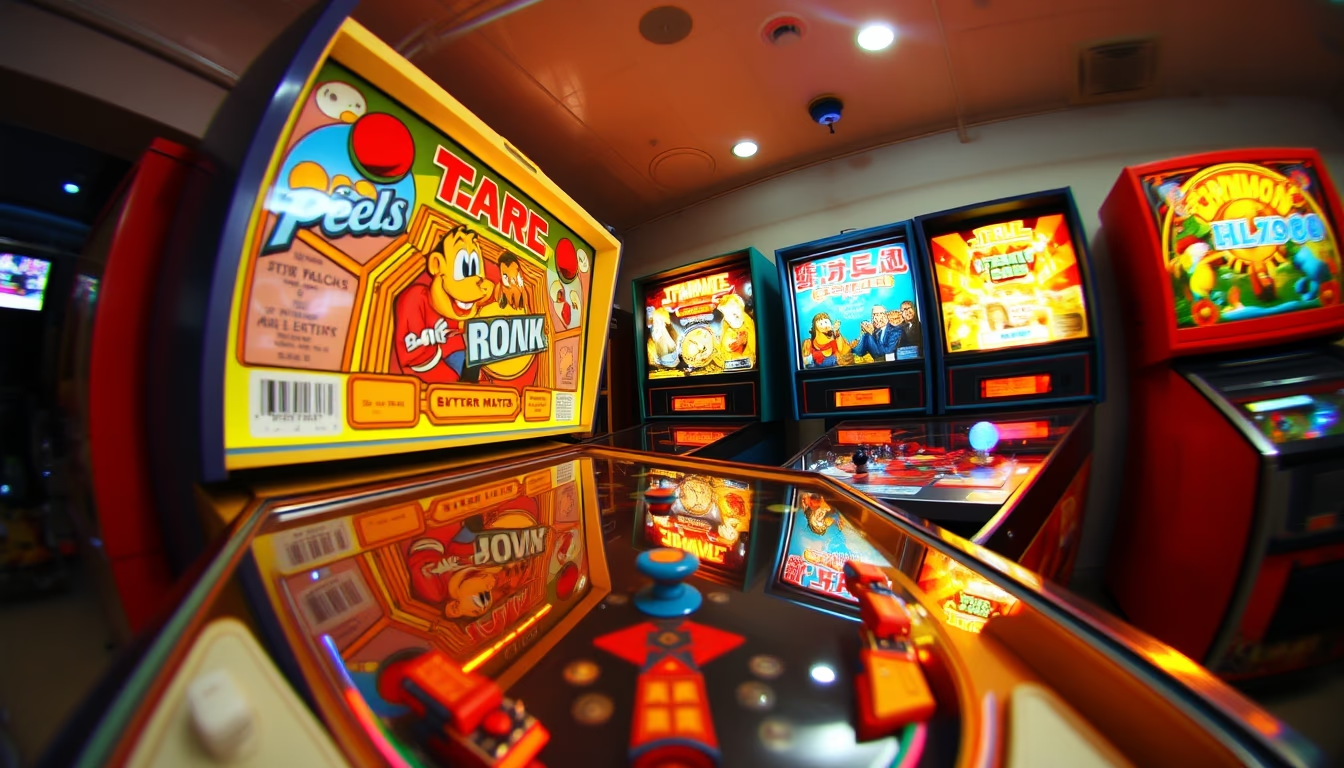
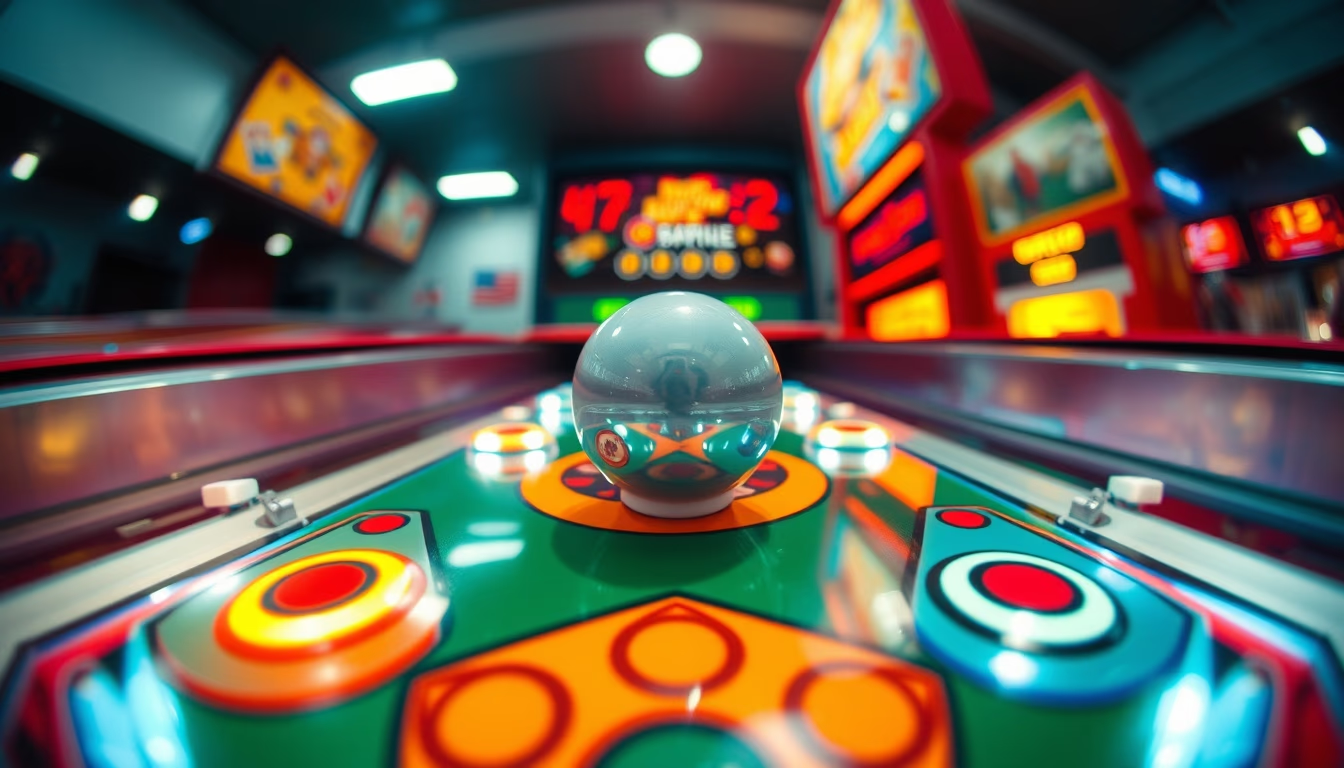
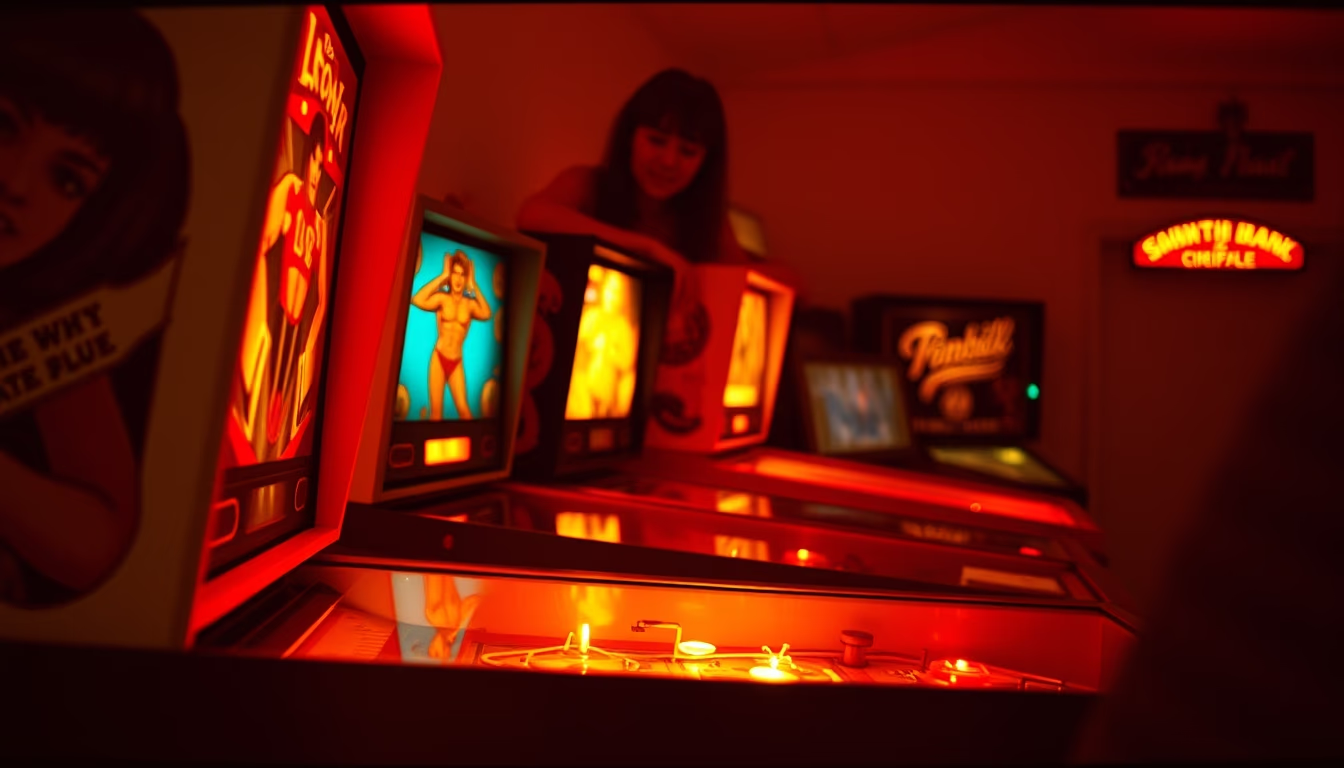
Pinball machines from the 1970s defined the golden age of arcades, featuring electromechanical designs and psychedelic themes that captivated a generation.
About this subject
1970s pinball machines represented the peak of electromechanical technology before the digital revolution. These machines used relays, solenoids, and wired circuits to control gameplay, offering a tactile and mechanical experience that made each game unique. Manufacturers like Gottlieb, Bally, Williams, and Stern competed fiercely, releasing hundreds of models with themes ranging from psychedelic rock to science fiction. Iconic titles include Bally's "Fireball" (1972) and Gottlieb's "Sing Along" (1973), which introduced new mechanisms such as oscillating targets and ramps.
Arcade culture grew exponentially during this period, with pinball machines becoming social hubs in bars, diners, and dedicated arcades. The colorful artwork and flashing lights attracted young players, while high score tables fueled competition. Interestingly, many US cities still had laws banning pinball as a game of chance, a legacy from the 1940s. It was only in the 1970s that these restrictions began to be lifted, thanks to court decisions and the game's growing popularity.
Technically, 1970s pinballs incorporated innovations like drop targets (targets that retract when hit) and kickers (ball launchers). Maintenance was complex: operators had to clean electrical contacts and adjust springs manually. Despite their fragility, these machines built a lasting fan base, with rare models now highly sought after by collectors. The legacy of the 70s directly influenced the digital pinballs of later decades, which retained the essence of electromechanical design while adding solid-state electronics.
Frequently Asked Questions
Why was pinball banned in some cities?
Between the 1940s and 1970s, many US cities considered pinball a game of chance, linked to organized crime and loss of money. The ban began to be lifted in the 1970s when the game was recognized as a game of skill, not luck.
What was the most popular pinball machine of the 1970s?
While there is no single consensus, models like Bally's "Fireball" (1972) and Gottlieb's "Sing Along" (1973) are often cited as most influential. Other notable titles include "Space Invaders" (1978) and "The Six Million Dollar Man" (1976).
How did electromechanical pinball machines work?
Electromechanical machines used relays, solenoids, and switches to control scoring, lighting, and mechanics. Each time the ball hit a target, a circuit would close, triggering pre-programmed sequences. Maintenance required constant manual adjustments.
Direct URL
https://pub-c7d6a6ea828543ac903a74a341ccb2e1.r2.dev/imagens/pinball-machine-1970s-fish-eye-wide-angle-fresh2.avifHow to credit
Include a visible link back to UtilizAí. Copy one of the snippets below:
<a href="https://xn--utiliza-eza.com/en/midia/imagens/pinball-machine-1970s-fish-eye-wide-angle-fresh2">Pinball machine 1970s</a> by <a href="https://xn--utiliza-eza.com">UtilizAí</a>, licensed under <a href="https://creativecommons.org/licenses/by/4.0/">CC BY 4.0</a>.
[Pinball machine 1970s](https://xn--utiliza-eza.com/en/midia/imagens/pinball-machine-1970s-fish-eye-wide-angle-fresh2) by [UtilizAí](https://xn--utiliza-eza.com), CC BY 4.0
License: CC-BY-4.0