Pinball machine 1970s
1344×768 · AVIF · CC BY 4.0
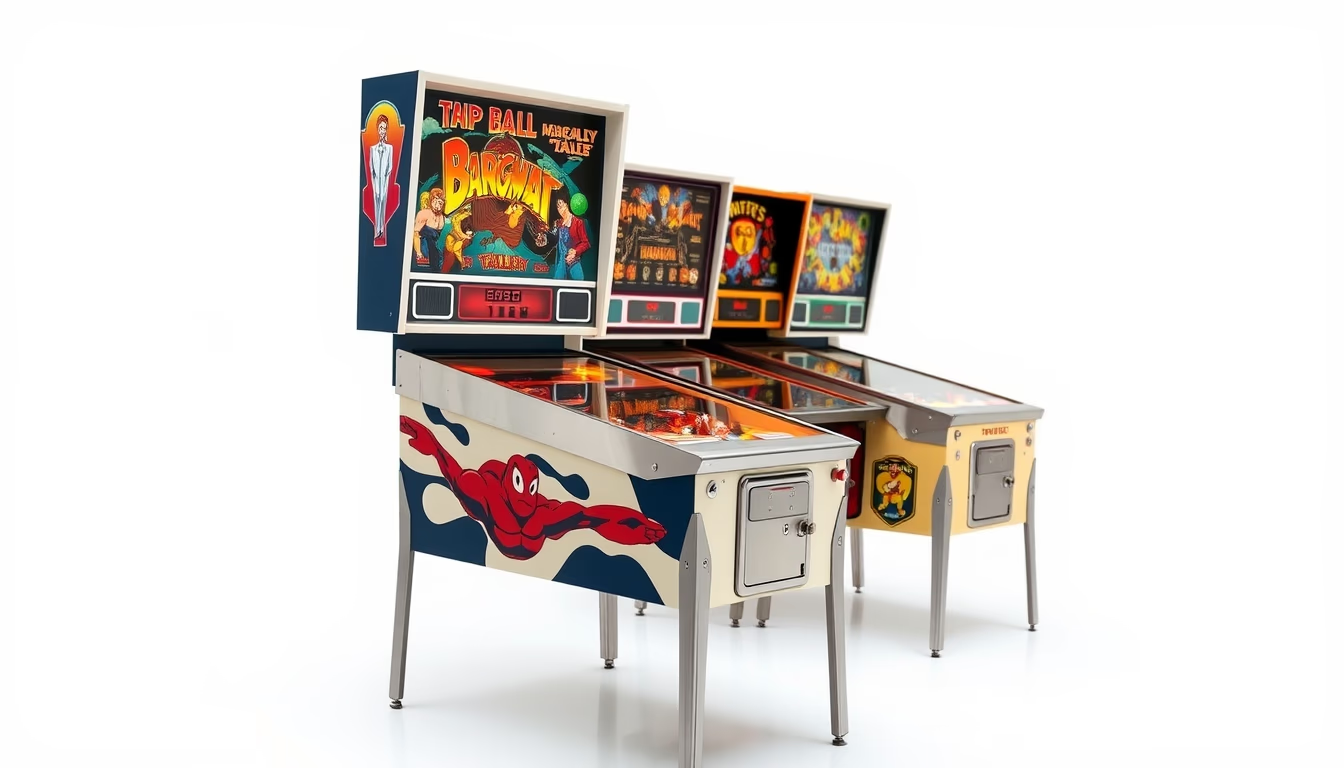
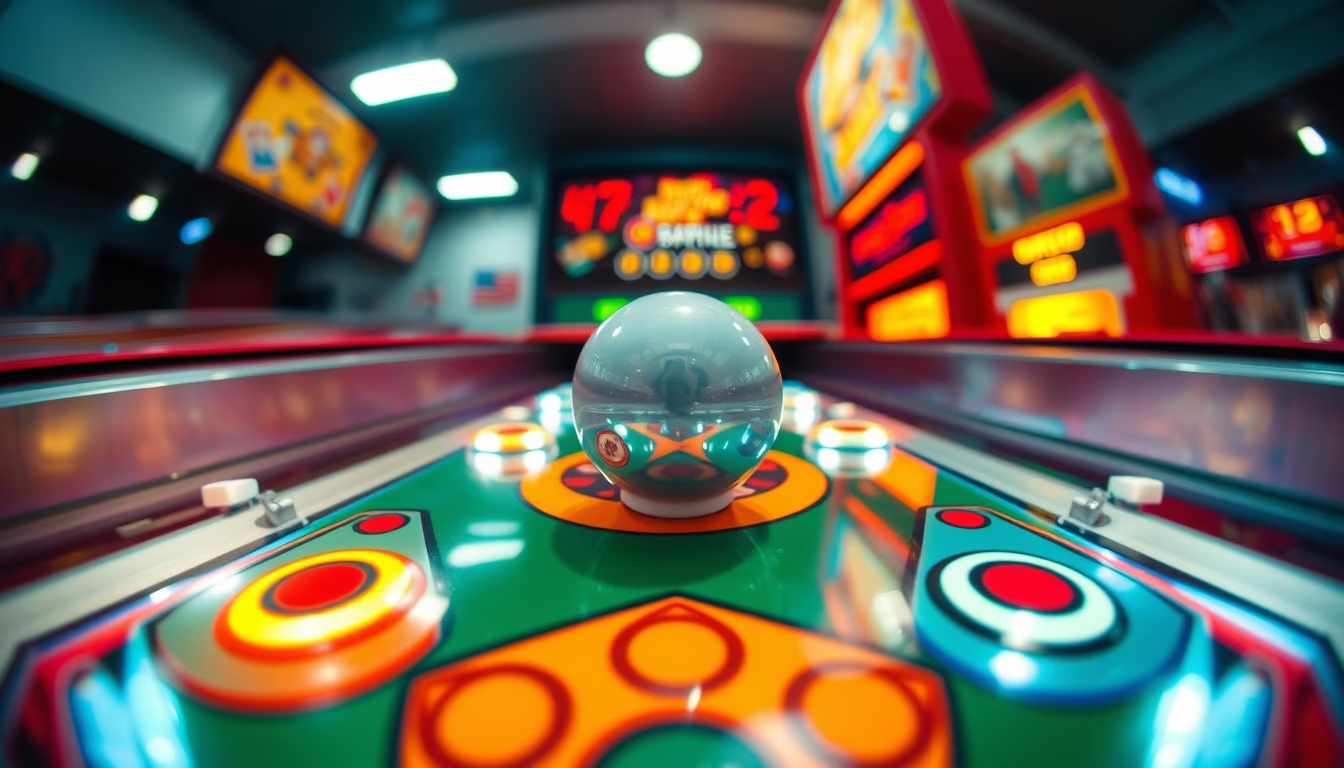
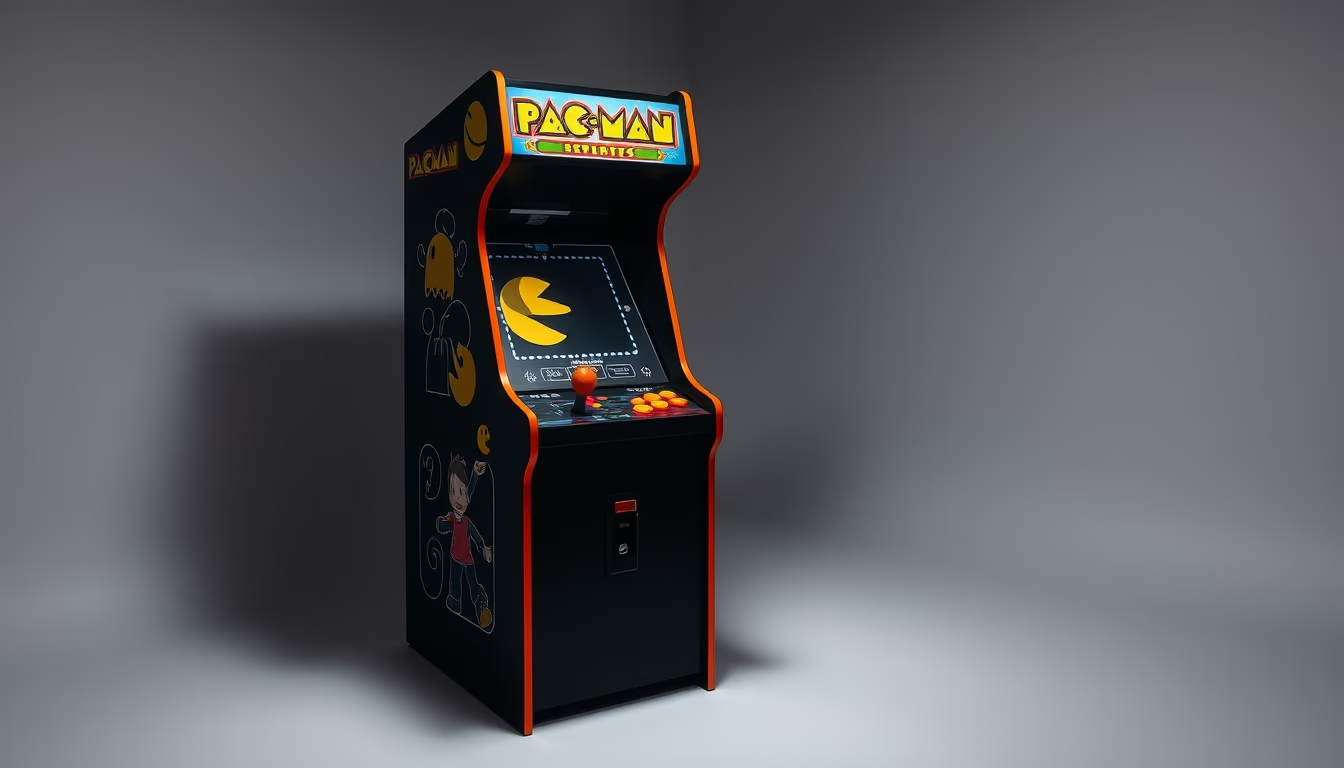
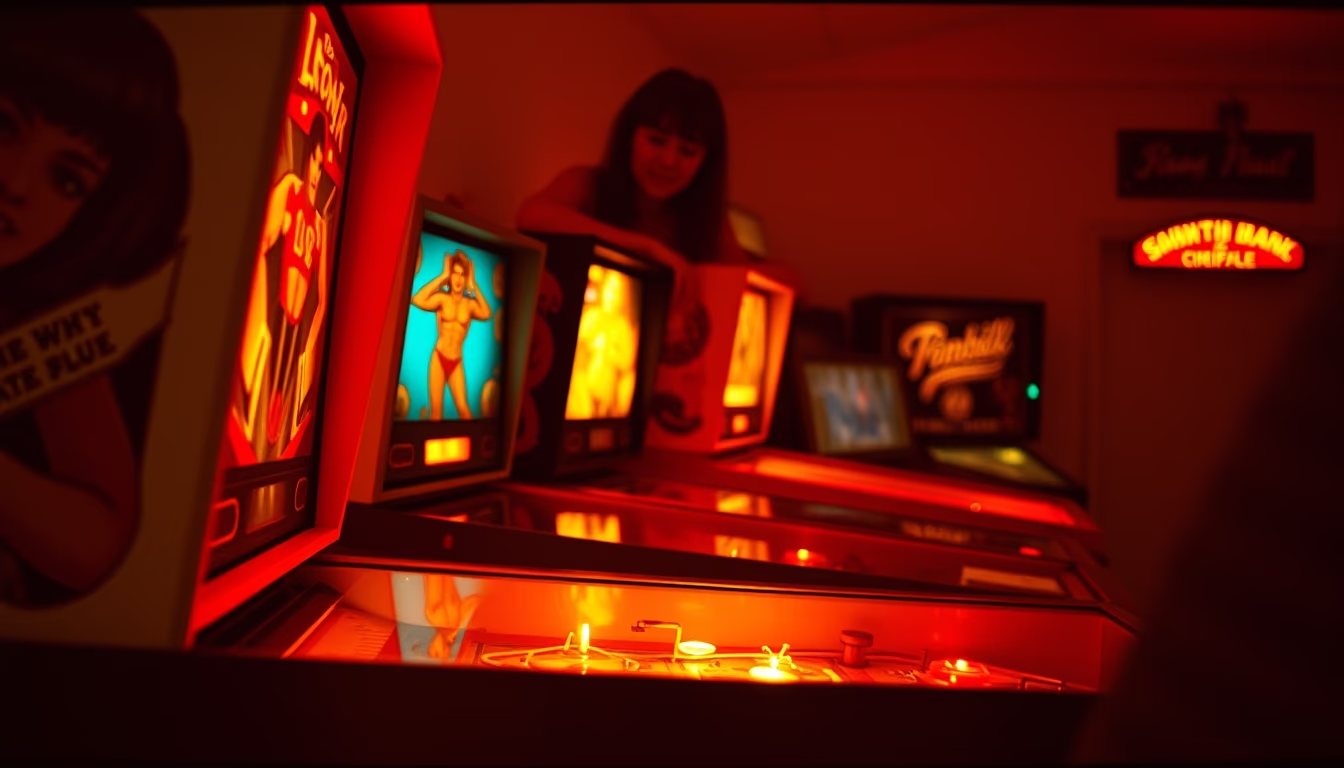
The 1970s pinball machine marked the golden age of arcades, featuring electromechanical designs and analog gameplay.
About this subject
The 1970s were the peak of electromechanical pinball machines, before the digital revolution of the 1980s. Manufacturers like Gottlieb, Williams, and Bally produced iconic models such as "Fireball" (1972) and "Captain Fantastic" (1975). These machines used relays, solenoids, and contact plates to control scoring and sound effects, without any electronic components. Each game was a unique experience, as moving parts and gravity determined the steel ball's behavior. The playfield designs were richly illustrated, with themes ranging from rock 'n' roll to outer space, reflecting the pop culture of the time.
In the United States, pinball had been banned in many cities until the mid-1970s, considered a game of chance. New York City only legalized it in 1976 after a demonstration that skill, not luck, determined outcomes. This boosted popularity and innovation. Machines like "The Wizard" (1975) and "Big Shot" (1974) became classics. The 1970s also saw the introduction of multiball play and drop targets, adding strategic depth.
Today, 1970s pinball machines are collector's items, prized for their retro aesthetics and complex mechanics. They are often restored with original parts, and enthusiasts gather at tournaments to play these analog marvels. The cultural impact of pinball in the 1970s is still felt, inspiring movies like "Tommy" (1975) and modern digital recreations.
Frequently Asked Questions
How do 1970s pinball machines work?
They are electromechanical: relays, solenoids, and electrical contacts count points and activate effects. No digital processors; ball physics and analog mechanisms determine gameplay.
What are the most famous 1970s pinball machines?
Models like "Fireball" (Gottlieb), "Captain Fantastic" (Bally), "The Wizard" (Williams), and "World Cup" (Recreativos Franco) are well known, each with unique themes and mechanics.
Why was pinball banned in some places in the 1970s?
Authorities considered pinball a game of chance, believing outcomes were random. New York City only legalized it in 1976 after demonstrating that skill was predominant.
Direct URL
https://pub-c7d6a6ea828543ac903a74a341ccb2e1.r2.dev/imagens/pinball-machine-1970s-commercial-product-photography-fresh13.avifHow to credit
Include a visible link back to UtilizAí. Copy one of the snippets below:
<a href="https://xn--utiliza-eza.com/en/midia/imagens/pinball-machine-1970s-commercial-product-photography-fresh13">Pinball machine 1970s</a> by <a href="https://xn--utiliza-eza.com">UtilizAí</a>, licensed under <a href="https://creativecommons.org/licenses/by/4.0/">CC BY 4.0</a>.
[Pinball machine 1970s](https://xn--utiliza-eza.com/en/midia/imagens/pinball-machine-1970s-commercial-product-photography-fresh13) by [UtilizAí](https://xn--utiliza-eza.com), CC BY 4.0
License: CC-BY-4.0