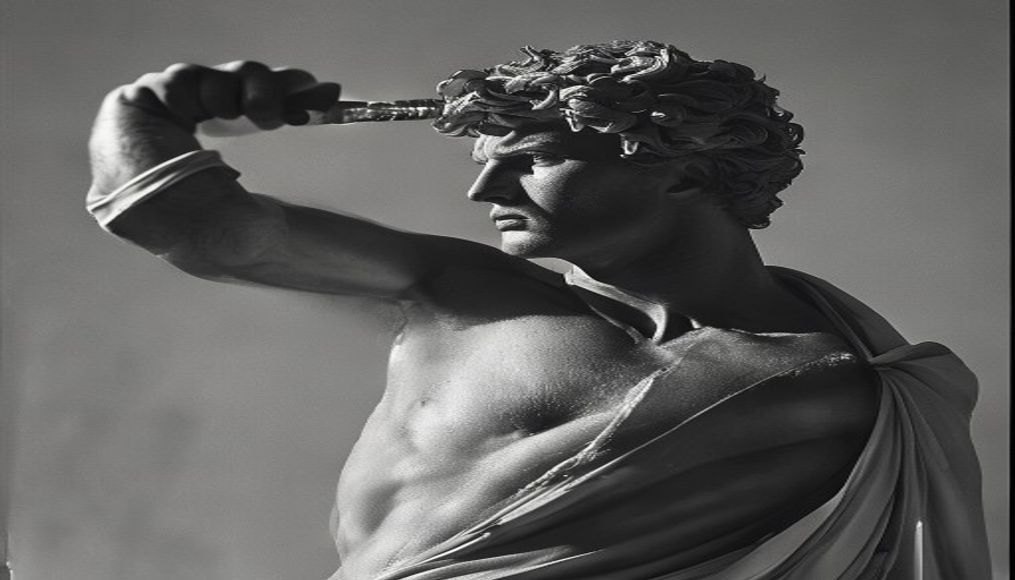
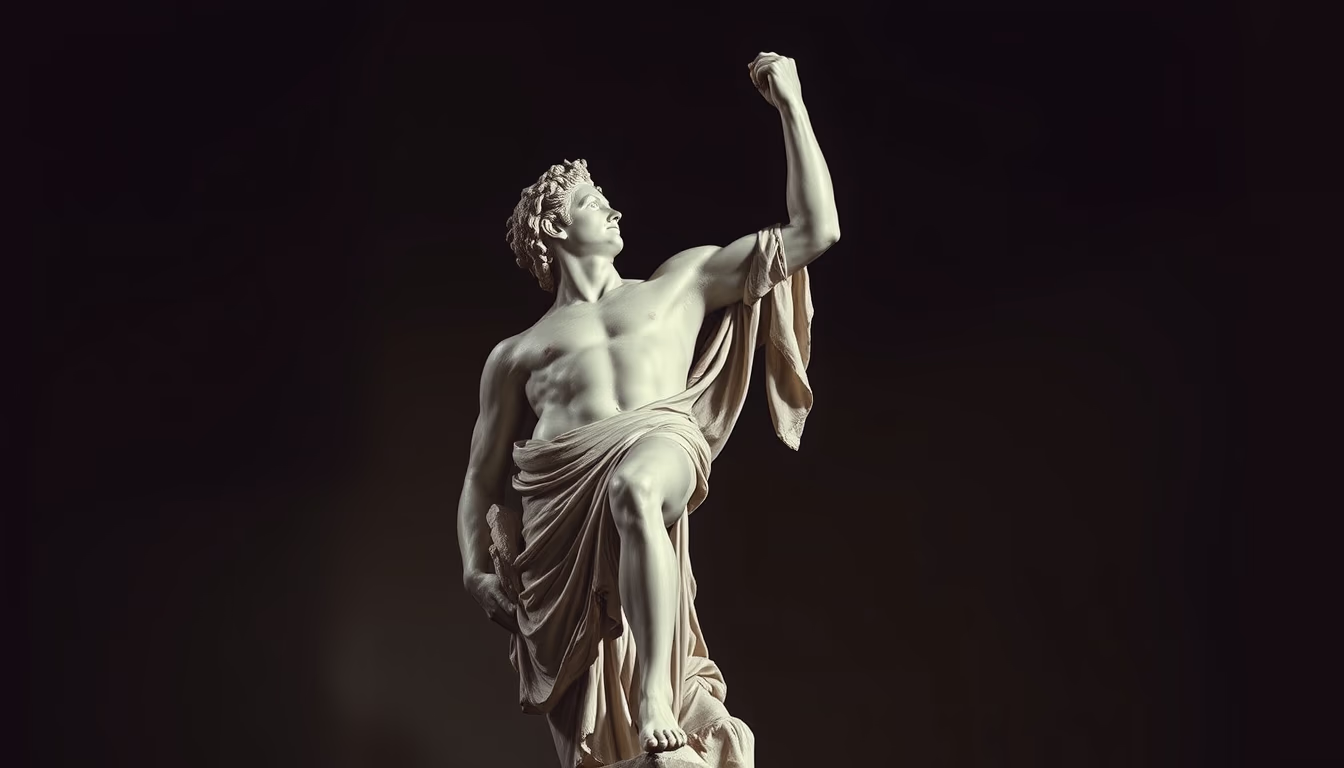
Pieta marble
1344×768 · AVIF · CC BY 4.0

Michelangelo's Pietà, carved in marble between 1498 and 1499, is one of the most iconic works of the Renaissance, renowned for its technical perfection and emotional expressiveness.
About this subject
The Pietà, sculpted by Michelangelo Buonarroti between 1498 and 1499, depicts the Virgin Mary holding the body of Jesus Christ after the crucifixion. The work was commissioned by French Cardinal Jean de Bilhères as a funeral monument for the chapel of Saint Petronilla in Old St. Peter's Basilica in Rome. Today, it is housed within St. Peter's Basilica in Vatican City, protected by bulletproof glass following a vandalism attack in 1972.
The marble used is from Carrara in Tuscany, renowned for its purity and whiteness. Michelangelo was only 24 years old when he completed the sculpture, which impresses with the softness of the drapery folds and the precise anatomy of Christ's body. The artist's signature, carved on the sash across Mary's chest, was a rare exception prompted by rumors that the work was by another sculptor.
The triangular composition, with a wide base and apex at Mary's head, provides stability and balance. Mary's youthful face contrasts with her restrained grief, an iconographic choice symbolizing her eternal purity according to theological interpretations. The work has influenced generations of artists and is considered the pinnacle of Renaissance sculpture.
Frequently Asked Questions
Why did Michelangelo sign the Pietà?
He signed it after hearing rumors that the work was by another sculptor (Gobbo di Milano). The inscription is on the sash across Mary's chest: 'MICHAEL.A[N]GELUS.BONAROTUS.FLORENTIN[US].FACIEBAT'.
What damage was caused by the 1972 attack?
On May 21, 1972, Australian geologist Laszlo Toth attacked the sculpture with a hammer, breaking Mary's left arm, nose, and an eyelid. It was restored and placed behind bulletproof glass.
How many Pietàs did Michelangelo sculpt?
He sculpted at least four: the Vatican Pietà (1498-1499), the Florentine Pietà (c. 1547-1555), the Rondanini Pietà (c. 1552-1564), and the Palestrina Pietà (c. 1555, attributed).
Direct URL
https://pub-c7d6a6ea828543ac903a74a341ccb2e1.r2.dev/imagens/pieta-marble-fine-art-photography-p9.avifHow to credit
Include a visible link back to UtilizAí. Copy one of the snippets below:
<a href="https://xn--utiliza-eza.com/en/midia/imagens/pieta-marble-fine-art-photography-p9">Pieta marble</a> by <a href="https://xn--utiliza-eza.com">UtilizAí</a>, licensed under <a href="https://creativecommons.org/licenses/by/4.0/">CC BY 4.0</a>.
[Pieta marble](https://xn--utiliza-eza.com/en/midia/imagens/pieta-marble-fine-art-photography-p9) by [UtilizAí](https://xn--utiliza-eza.com), CC BY 4.0
License: CC-BY-4.0