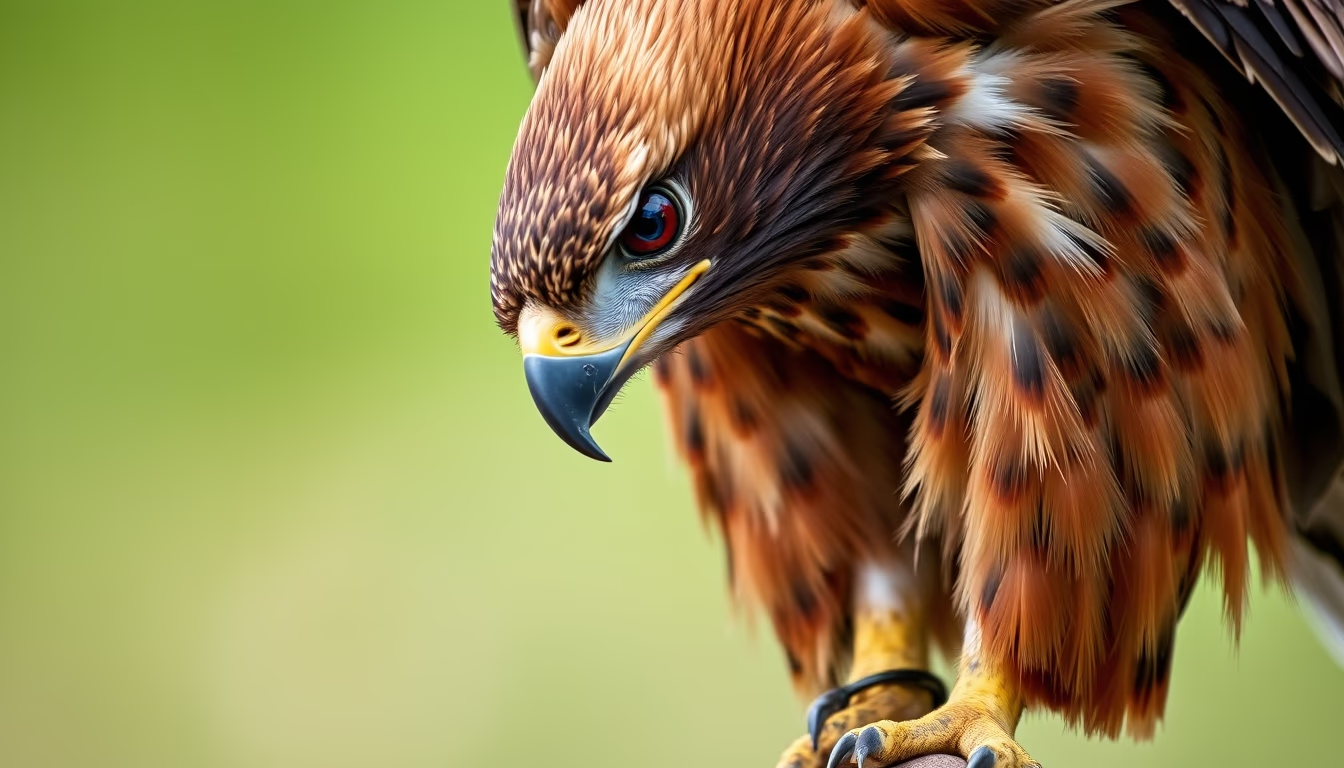
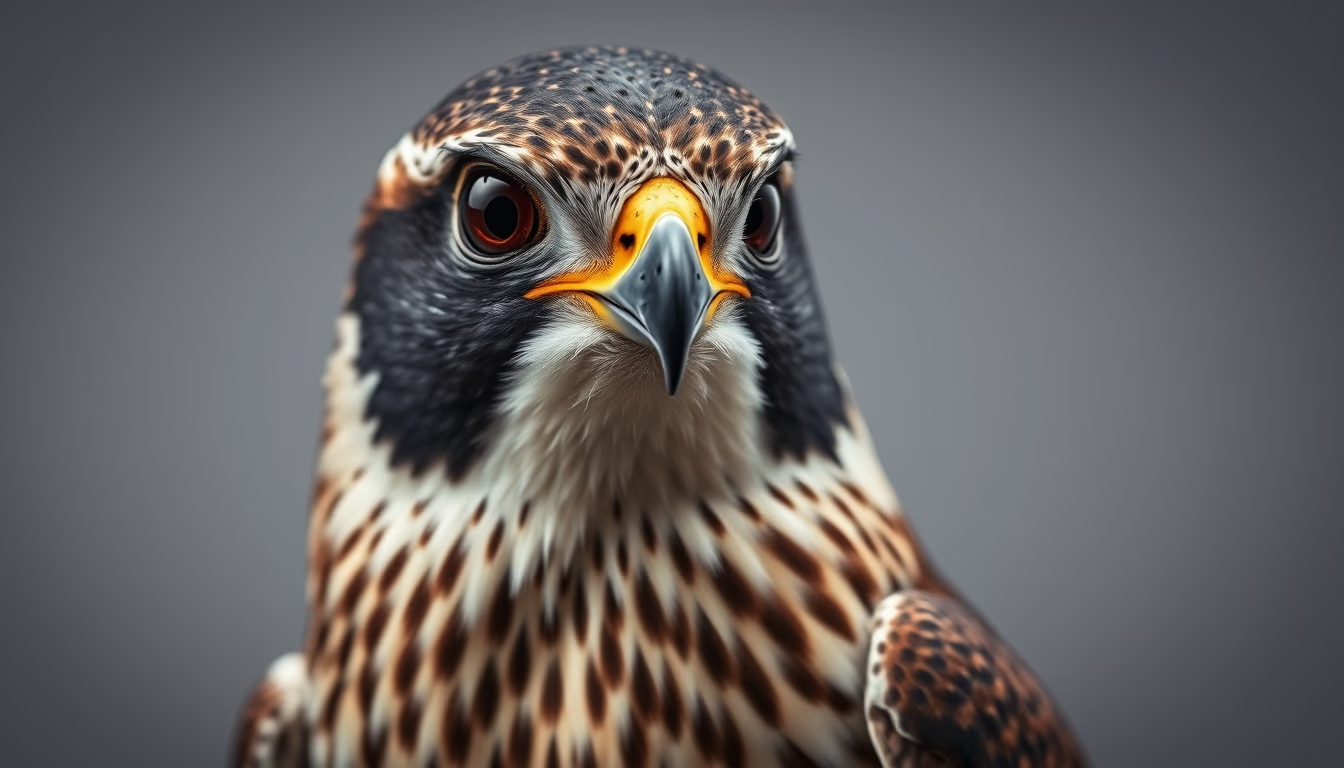
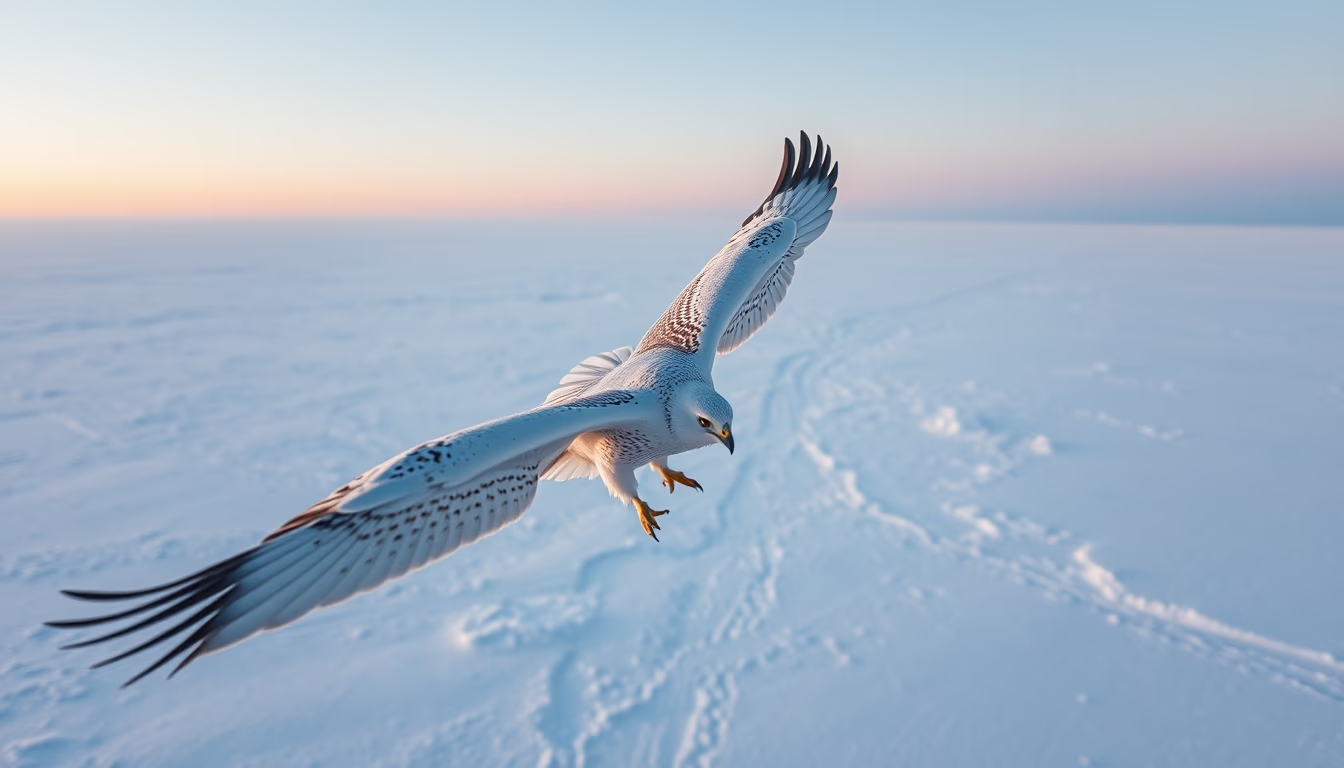
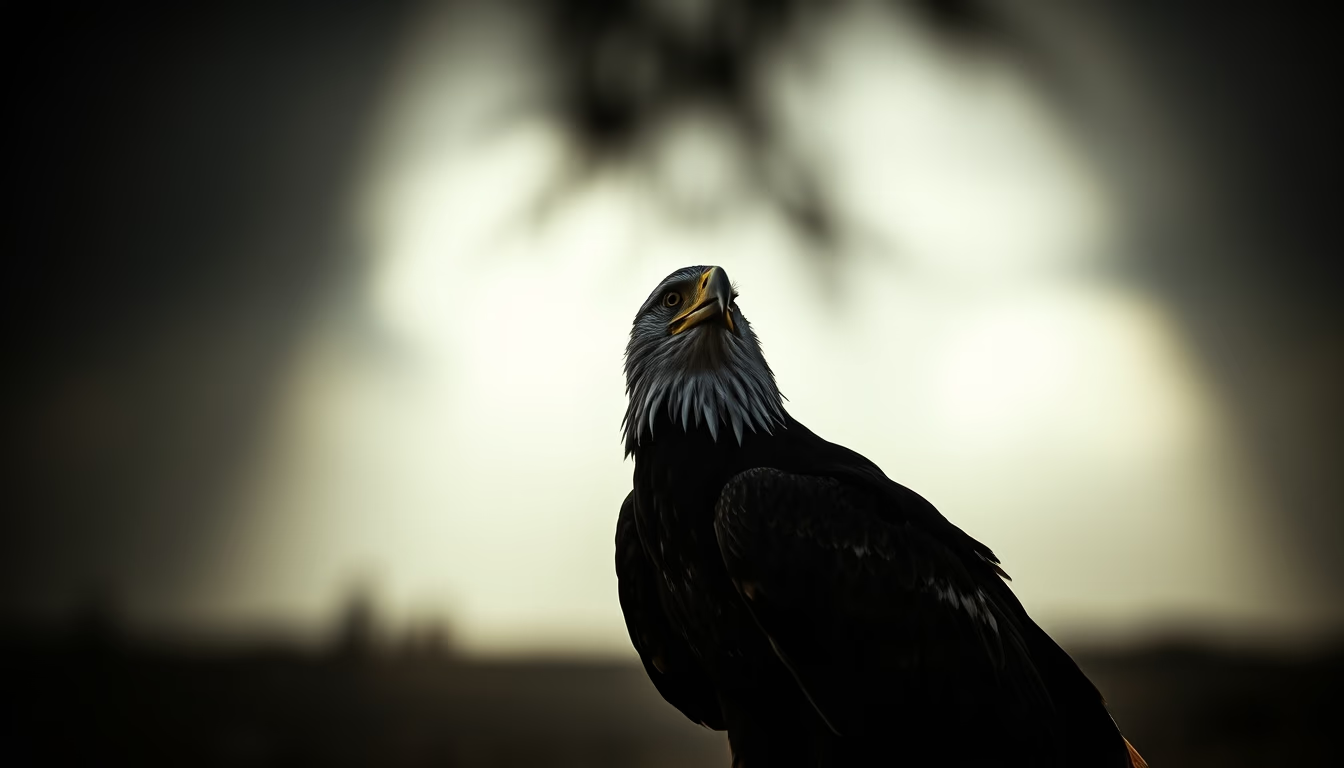
Peregrine falcon close
1344×768 · AVIF · CC BY 4.0
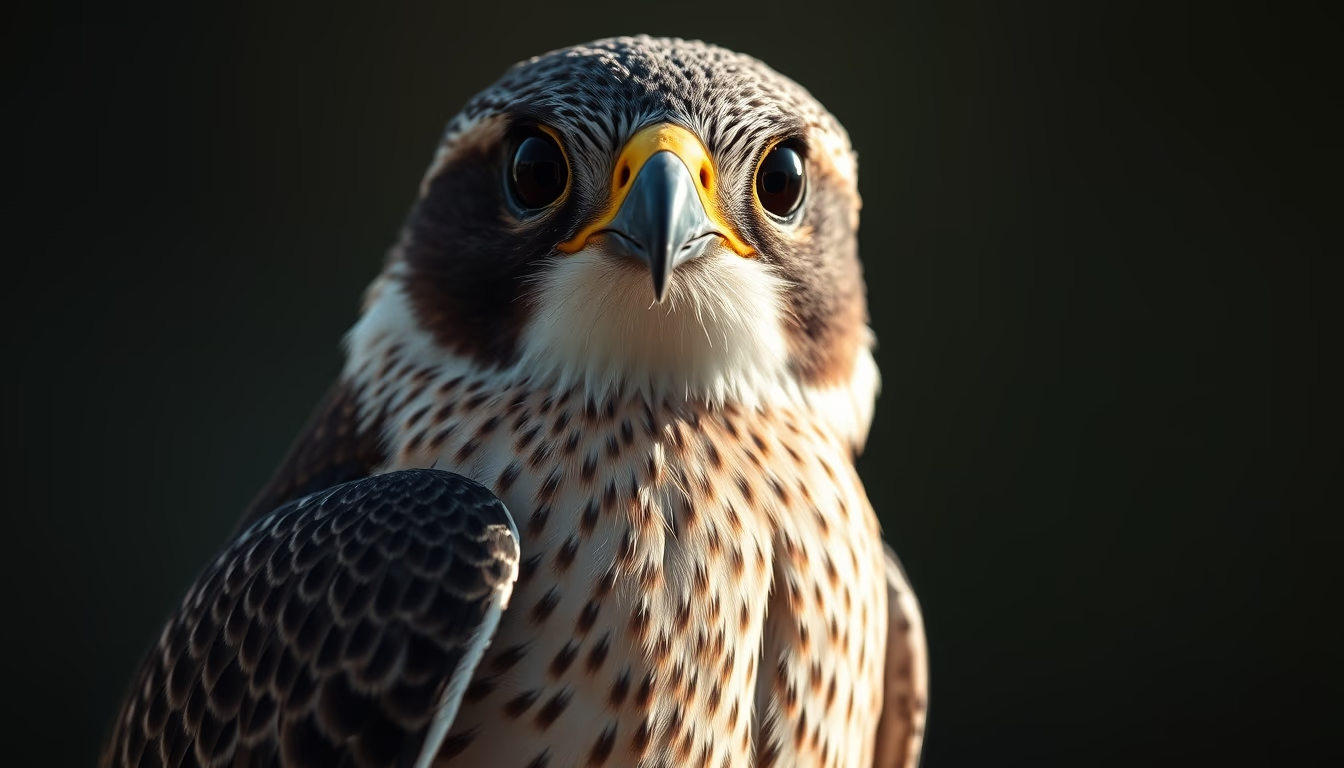
The peregrine falcon is the fastest animal on Earth, reaching over 200 mph during hunting dives.
About this subject
The peregrine falcon (Falco peregrinus) is a cosmopolitan raptor found on every continent except Antarctica. Its diving speed, which can exceed 200 mph (320 km/h), makes it the fastest animal on Earth. This extreme adaptation results from millions of years of evolution: bony cones in its nostrils redirect airflow at high speeds, and its long, pointed wings minimize drag. During a stoop, the falcon partially closes its wings into a streamlined shape and strikes its prey with clenched talons, a blow that usually kills instantly.
Historically, the peregrine falcon was highly prized in falconry, a practice dating back over 4,000 years. In medieval Europe, owning a peregrine was a status symbol among the nobility. However, the species suffered a drastic decline in the 20th century due to the pesticide DDT, which caused eggshell thinning. The ban on DDT in the 1970s, combined with captive breeding and release programs, led to a remarkable recovery. Today, the peregrine falcon is listed as Least Concern by the IUCN, but still faces threats such as urban pollution and collisions with buildings.
Interestingly, these falcons have adapted well to urban environments, nesting on skyscrapers and bridges where prey like pigeons is abundant. In cities such as New York and São Paulo, they are tracked by live cameras, popularizing birdwatching. Beyond speed, peregrines have exceptional vision, capable of spotting prey from over a mile away. Their dorsal plumage is blue-gray, with a dark head and characteristic black malar stripes under the eyes. Juveniles are more brownish and streaked, acquiring adult plumage after the first molt.
Frequently Asked Questions
How fast can a peregrine falcon dive?
The peregrine falcon can reach speeds over 200 mph (320 km/h) during its hunting stoop, making it the fastest animal on Earth.
Where do peregrine falcons live?
They are cosmopolitan, found on every continent except Antarctica, inhabiting coastal cliffs, mountains, and increasingly urban skyscrapers.
Was the peregrine falcon endangered?
Yes, it declined sharply in the mid-20th century due to DDT, but recovered after the pesticide ban and captive breeding programs. It is now listed as Least Concern.
Direct URL
https://pub-c7d6a6ea828543ac903a74a341ccb2e1.r2.dev/imagens/peregrine-falcon-close-magazine-editorial-fresh3.avifHow to credit
Include a visible link back to UtilizAí. Copy one of the snippets below:
<a href="https://xn--utiliza-eza.com/en/midia/imagens/peregrine-falcon-close-magazine-editorial-fresh3">Peregrine falcon close</a> by <a href="https://xn--utiliza-eza.com">UtilizAí</a>, licensed under <a href="https://creativecommons.org/licenses/by/4.0/">CC BY 4.0</a>.
[Peregrine falcon close](https://xn--utiliza-eza.com/en/midia/imagens/peregrine-falcon-close-magazine-editorial-fresh3) by [UtilizAí](https://xn--utiliza-eza.com), CC BY 4.0
License: CC-BY-4.0