Peregrine falcon close
1344×768 · AVIF · CC BY 4.0
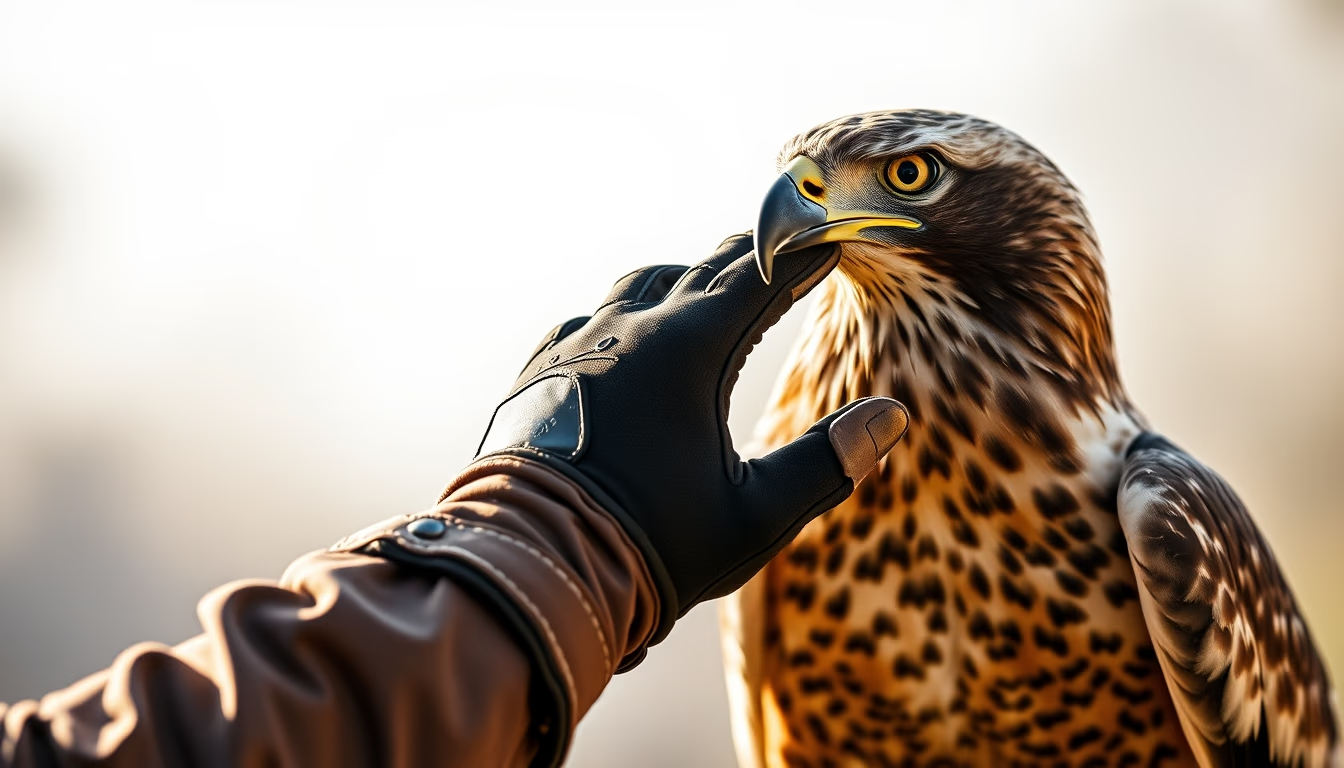
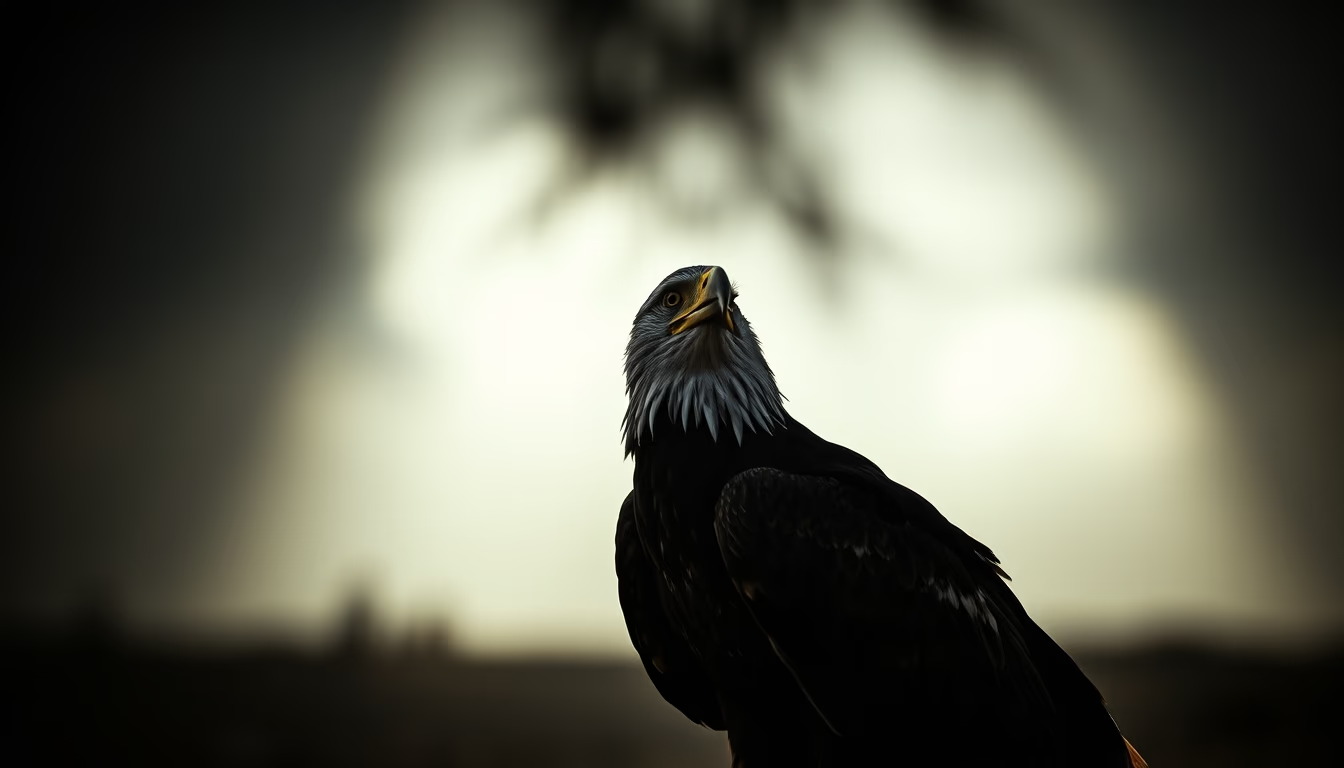
The peregrine falcon is the fastest animal on Earth, diving at over 300 km/h, and a timeless icon of falconry.
About this subject
The peregrine falcon (Falco peregrinus) is a cosmopolitan bird of prey found on every continent except Antarctica. Its diving speed, known as a stoop, can exceed 320 km/h (200 mph), making it the fastest animal on Earth. This extraordinary ability is due to adaptations such as cone-shaped nostrils that prevent turbulence, transparent eyelids for eye protection, and aerodynamic wings. In falconry, a practice dating back over 4,000 years in Central Asia and the Middle East, the peregrine is the most noble and prized species, often associated with royalty and nobility.
Historically, peregrine falcons have been trained to hunt prey like pigeons, ducks, and other birds in mid-air. During World War II, they were used to intercept enemy carrier pigeons. In the 1970s, the species suffered a drastic decline due to the pesticide DDT, which caused eggshell thinning. Thanks to captive breeding and reintroduction programs led by ornithologist Tom Cade, the population recovered and is now classified as Least Concern by the IUCN.
A fascinating fact is that the peregrine falcon has vision eight times sharper than humans, capable of spotting prey from over a kilometer away. Its hunting technique involves climbing to great heights, locating the target, and diving in a spiral, striking with closed talons; the impact is so strong that it usually kills instantly. Additionally, peregrines are monogamous and return to the same nests on cliffs or high buildings year after year, remarkably adapting to urban environments.
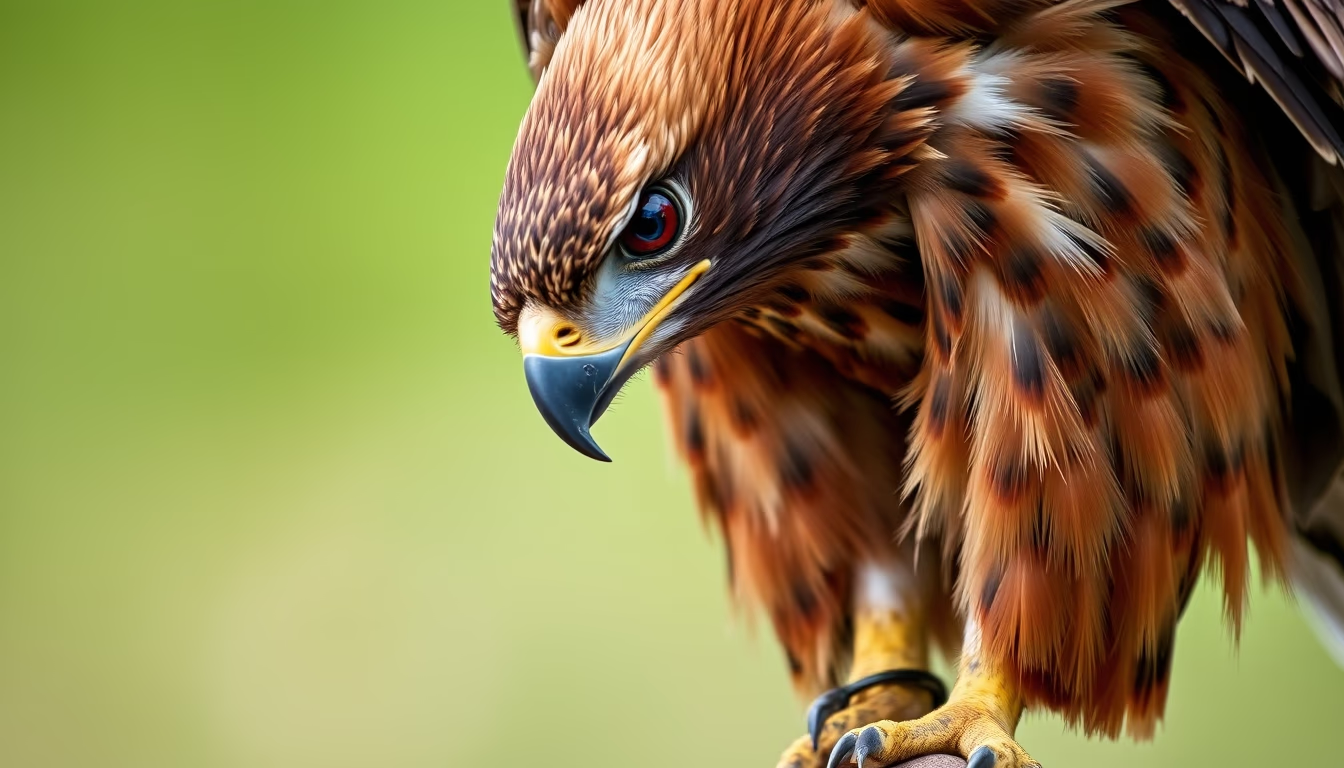
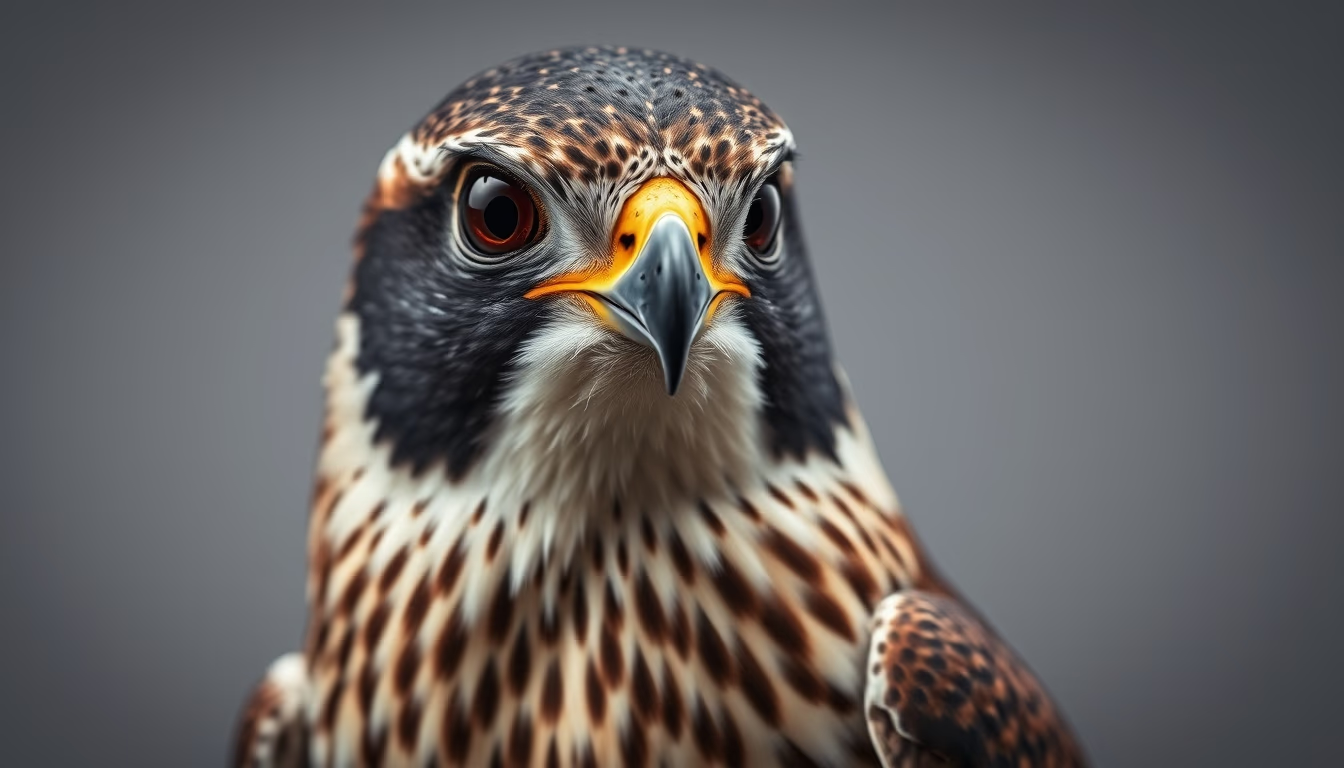
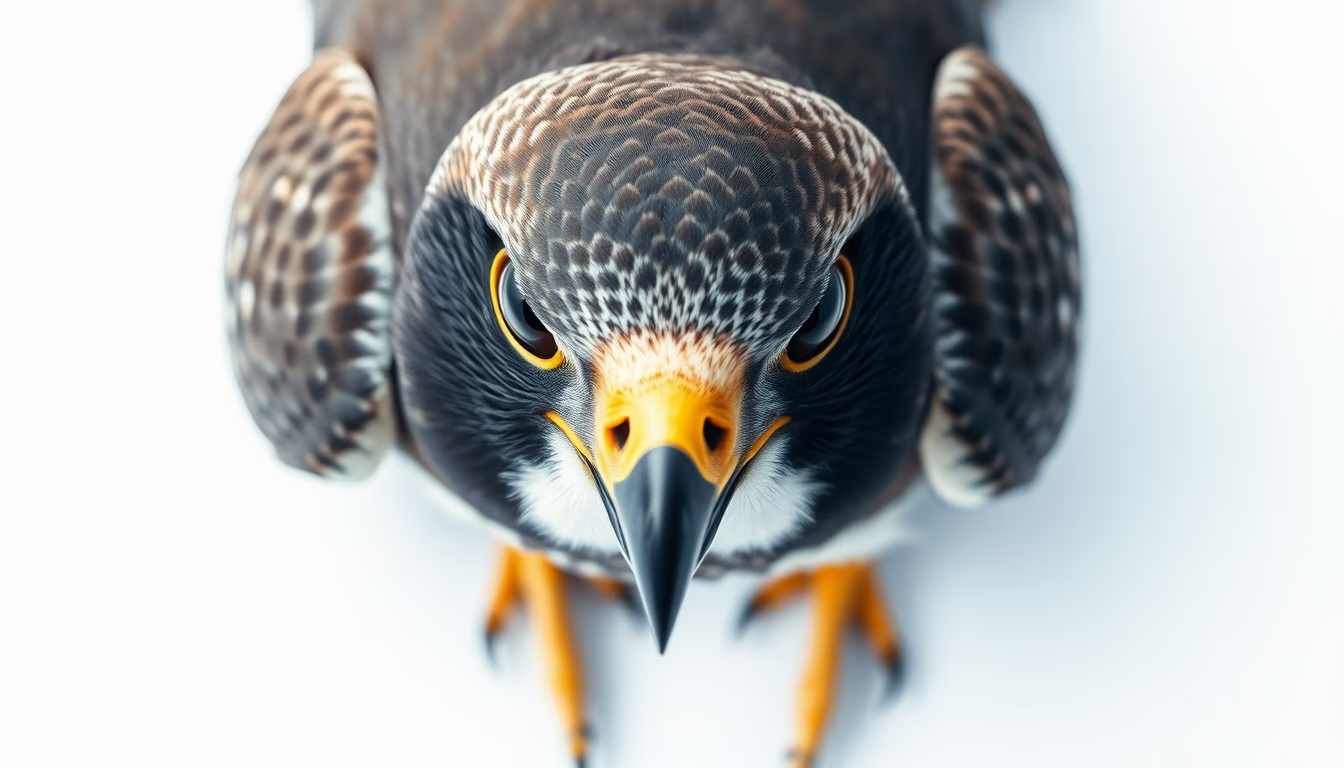
Globally, the peregrine falcon appears in coats of arms, corporate logos, and even as university mascots. In Brazil, though not native everywhere, it is spotted during migrations in the Amazon and along the coast. Modern falconry, regulated in many countries, keeps the tradition alive by emphasizing ethical management and conservation. A close-up image of the peregrine highlights its dark eyes and hooked beak, traits that inspire awe and respect for this predatory bird.
Frequently Asked Questions
What is the top speed of a peregrine falcon in a dive?
The peregrine falcon can exceed 320 km/h (200 mph) in its characteristic stoop dive, making it the fastest animal on Earth.
Where does the peregrine falcon live?
It is a cosmopolitan bird found on every continent except Antarctica, from Arctic tundra to deserts and cities, adapting well to urban environments.
Is the peregrine falcon endangered?
It is currently listed as Least Concern by the IUCN, but it was critically threatened by the pesticide DDT in the 1970s. Populations have recovered thanks to conservation programs.
Direct URL
https://pub-c7d6a6ea828543ac903a74a341ccb2e1.r2.dev/imagens/peregrine-falcon-close-isometric-flat-lay-fresh12.avifHow to credit
Include a visible link back to UtilizAí. Copy one of the snippets below:
<a href="https://xn--utiliza-eza.com/en/midia/imagens/peregrine-falcon-close-isometric-flat-lay-fresh12">Peregrine falcon close</a> by <a href="https://xn--utiliza-eza.com">UtilizAí</a>, licensed under <a href="https://creativecommons.org/licenses/by/4.0/">CC BY 4.0</a>.
[Peregrine falcon close](https://xn--utiliza-eza.com/en/midia/imagens/peregrine-falcon-close-isometric-flat-lay-fresh12) by [UtilizAí](https://xn--utiliza-eza.com), CC BY 4.0
License: CC-BY-4.0