Pearl oyster harvest
1344×768 · AVIF · CC BY 4.0
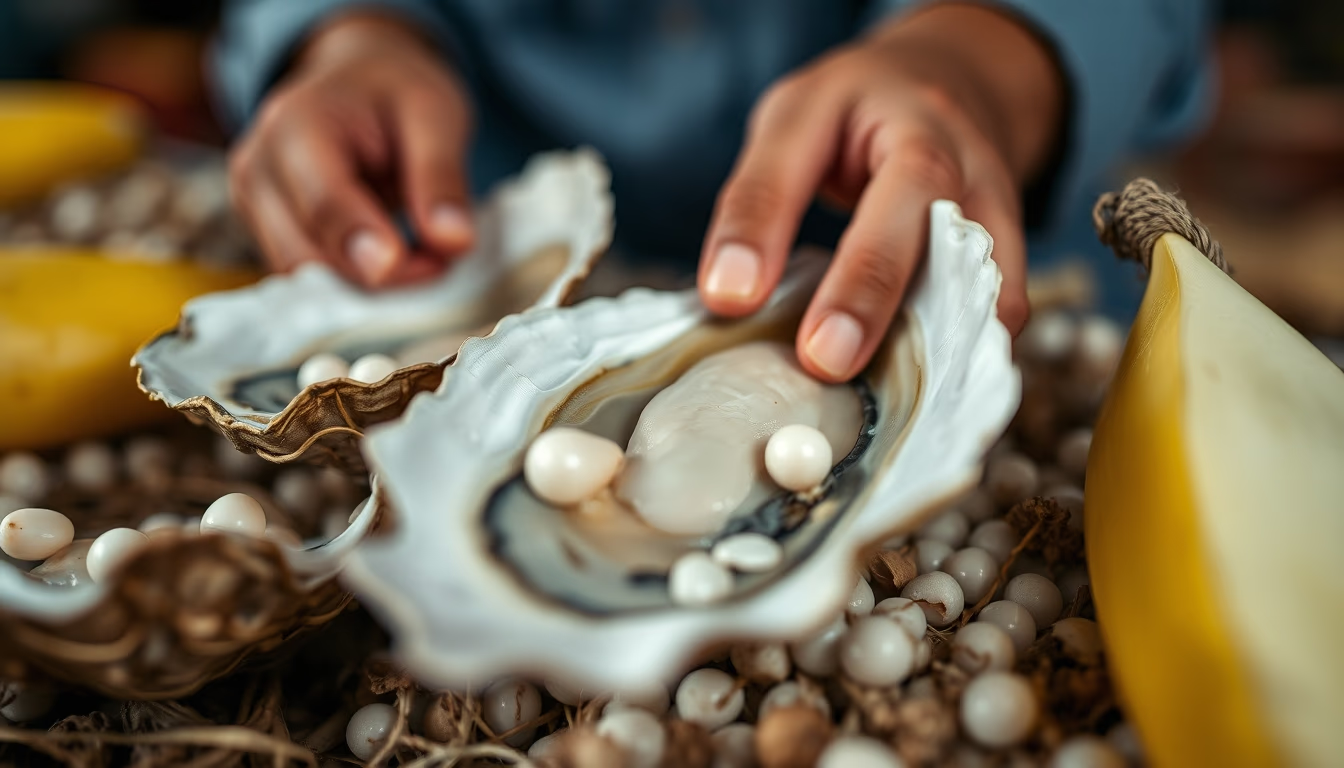
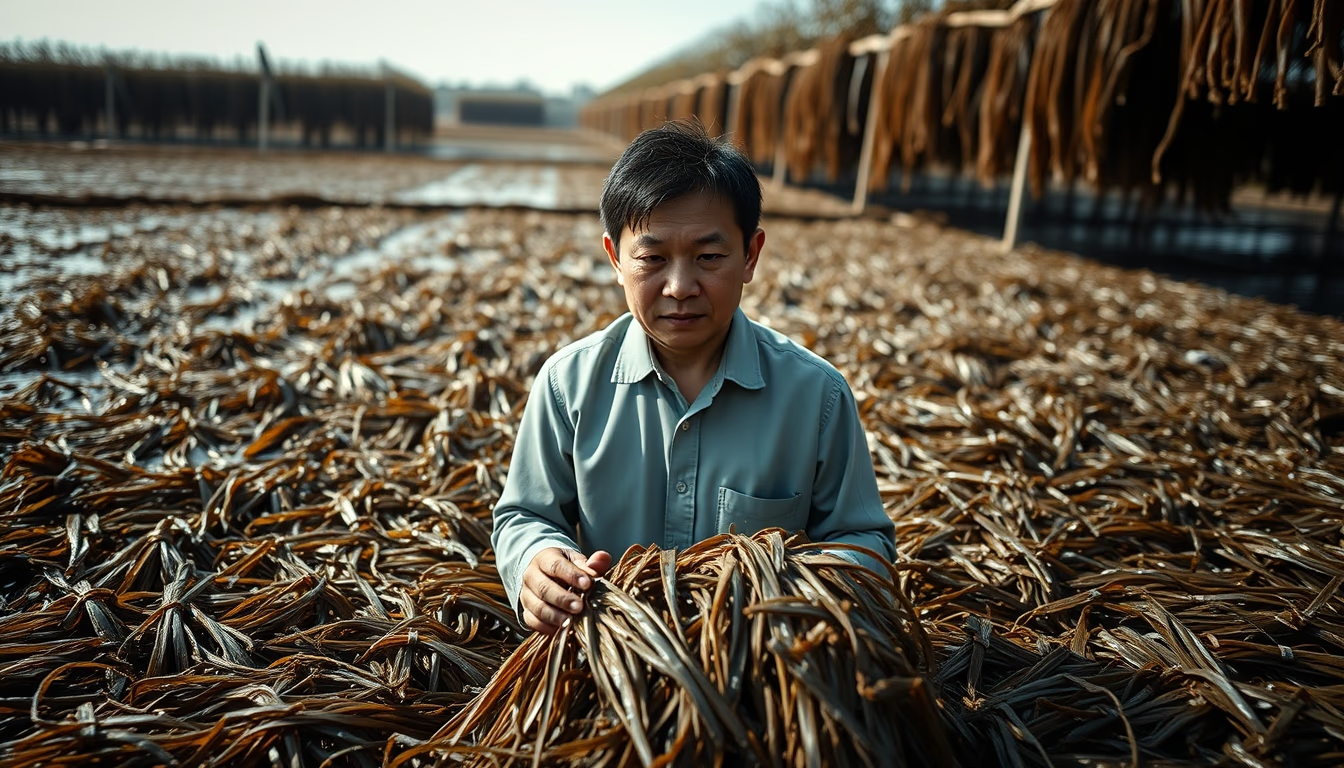
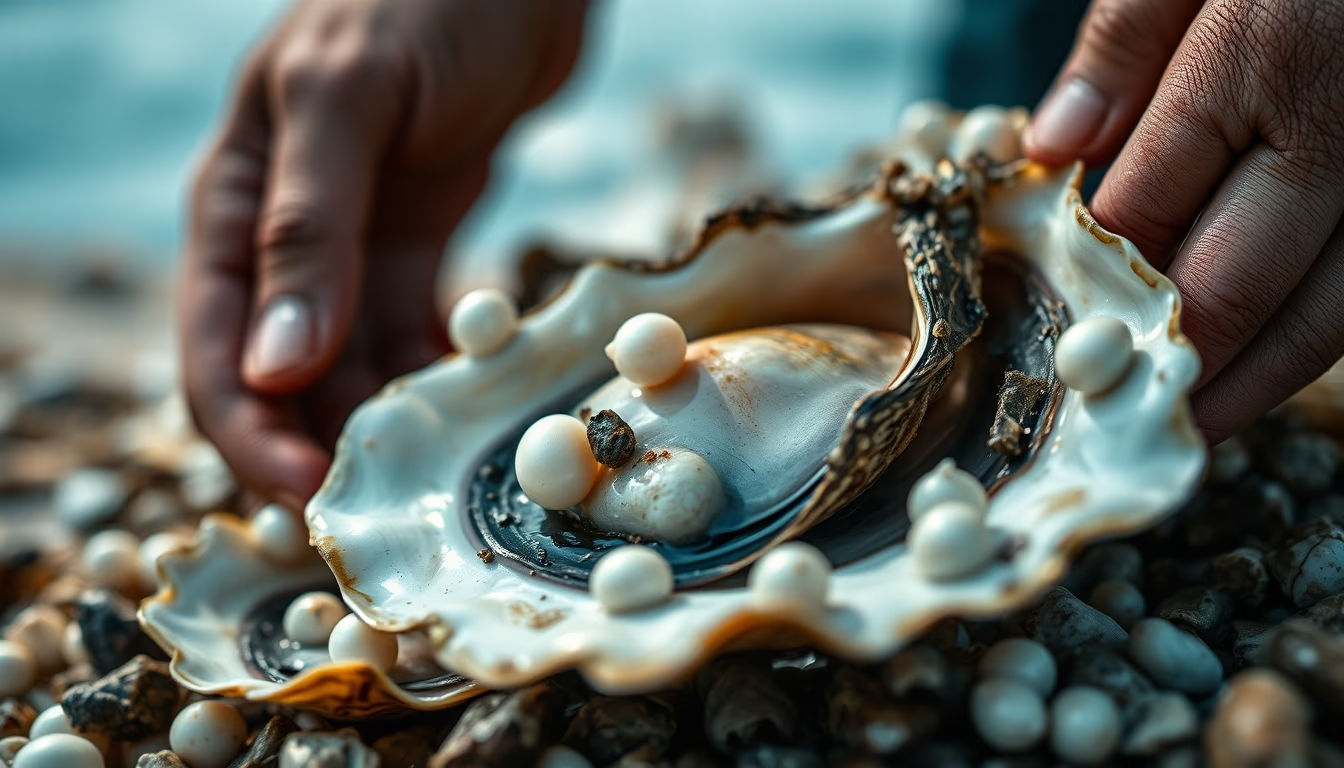
Harvest of pearl oysters in pearl farms, a process combining tradition and technique to extract precious gems from the sea.
About this subject
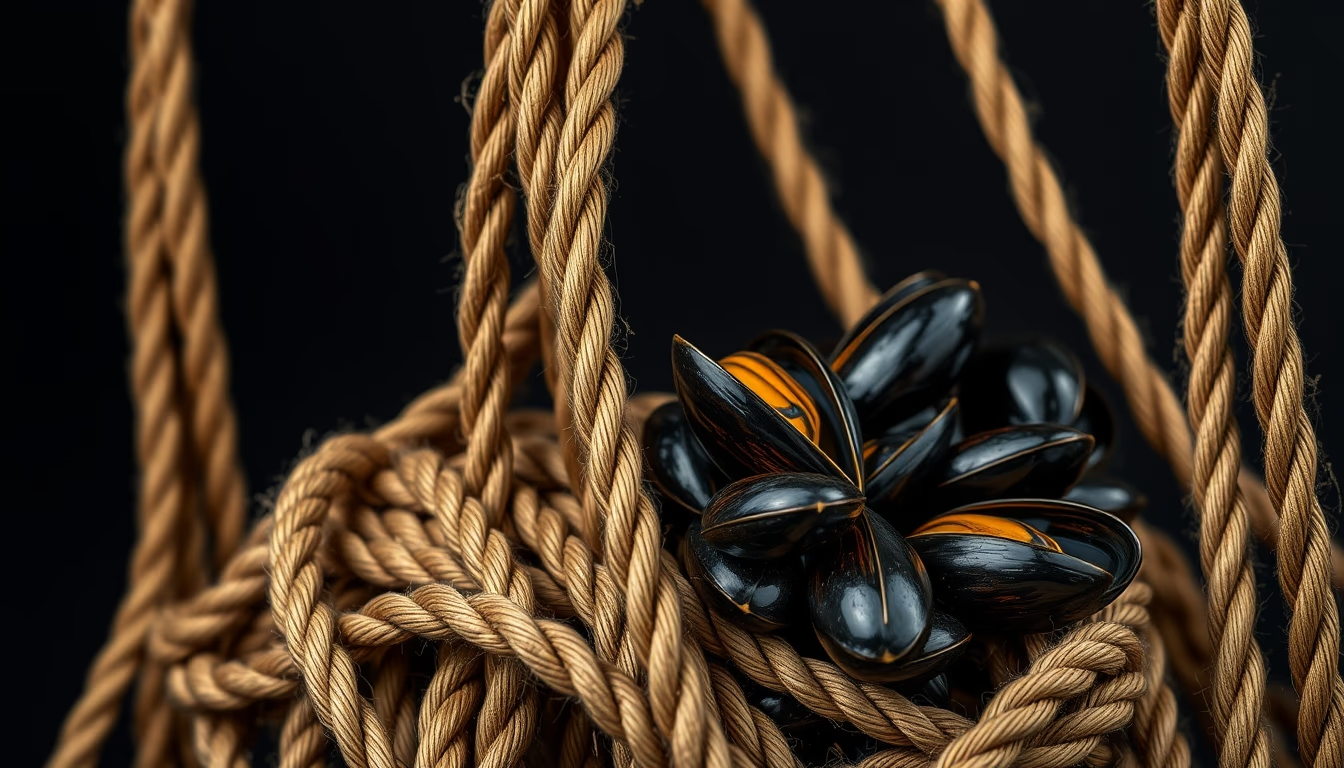
The harvest of pearl oysters is the culmination of a cycle that can last from two to four years on specialized farms. These mollusks, mainly of the genus Pinctada, are cultivated in coastal regions of countries such as Japan, Australia, French Polynesia, and Indonesia. The process begins with the selection of healthy oysters, which receive an implant of a nucleus (usually from a mussel shell) and a piece of mantle from another oyster, stimulating pearl formation. During the cultivation period, the oysters are kept in submerged nets or floating baskets, regularly cleaned and monitored for diseases and parasites.
The harvest itself takes place when the pearls reach the desired size and quality. Workers remove the oysters from the water, carefully open them, and extract the pearl, which is then sorted by size, color, luster, and shape. A single oyster may contain one or more pearls, but most produce only one. After extraction, the oyster meat is often discarded or used for other purposes such as fertilizer or animal feed. The environmental impact of pearl farming is relatively low compared to other forms of aquaculture, but it requires clean, well-oxygenated waters.
Historically, the harvest of natural pearls was carried out by divers searching for wild oysters, a dangerous and predatory practice that nearly led to the extinction of natural stocks in the 19th century. The invention of pearl cultivation by Kokichi Mikimoto in the early 20th century revolutionized the industry, making pearls accessible and sustainable. Today, global production of cultured pearls exceeds 50 tons annually, with Japan and French Polynesia being the largest producers of Akoya and Tahitian pearls, respectively. The harvest is seasonal and generally occurs in the cooler months when the waters are clearer and the oysters are in better physiological condition.
Frequently Asked Questions
How long does it take for a pearl oyster to produce a pearl?
It typically takes 2 to 4 years, depending on the species, water quality, and the desired pearl size.
Are the oysters killed during the pearl harvest?
Yes, in most cases the oyster is opened and discarded after extraction, although some farms attempt to reuse the mollusk for new implantations.
What is the difference between natural and cultured pearls?
Natural pearls form without human intervention, while cultured pearls are induced by surgical implantation of a nucleus and mantle tissue.
Direct URL
https://pub-c7d6a6ea828543ac903a74a341ccb2e1.r2.dev/imagens/pearl-oyster-harvest-tilt-shift-miniature-fresh12.avifHow to credit
Include a visible link back to UtilizAí. Copy one of the snippets below:
<a href="https://xn--utiliza-eza.com/en/midia/imagens/pearl-oyster-harvest-tilt-shift-miniature-fresh12">Pearl oyster harvest</a> by <a href="https://xn--utiliza-eza.com">UtilizAí</a>, licensed under <a href="https://creativecommons.org/licenses/by/4.0/">CC BY 4.0</a>.
[Pearl oyster harvest](https://xn--utiliza-eza.com/en/midia/imagens/pearl-oyster-harvest-tilt-shift-miniature-fresh12) by [UtilizAí](https://xn--utiliza-eza.com), CC BY 4.0
License: CC-BY-4.0