Pearl oyster harvest
1344×768 · AVIF · CC BY 4.0
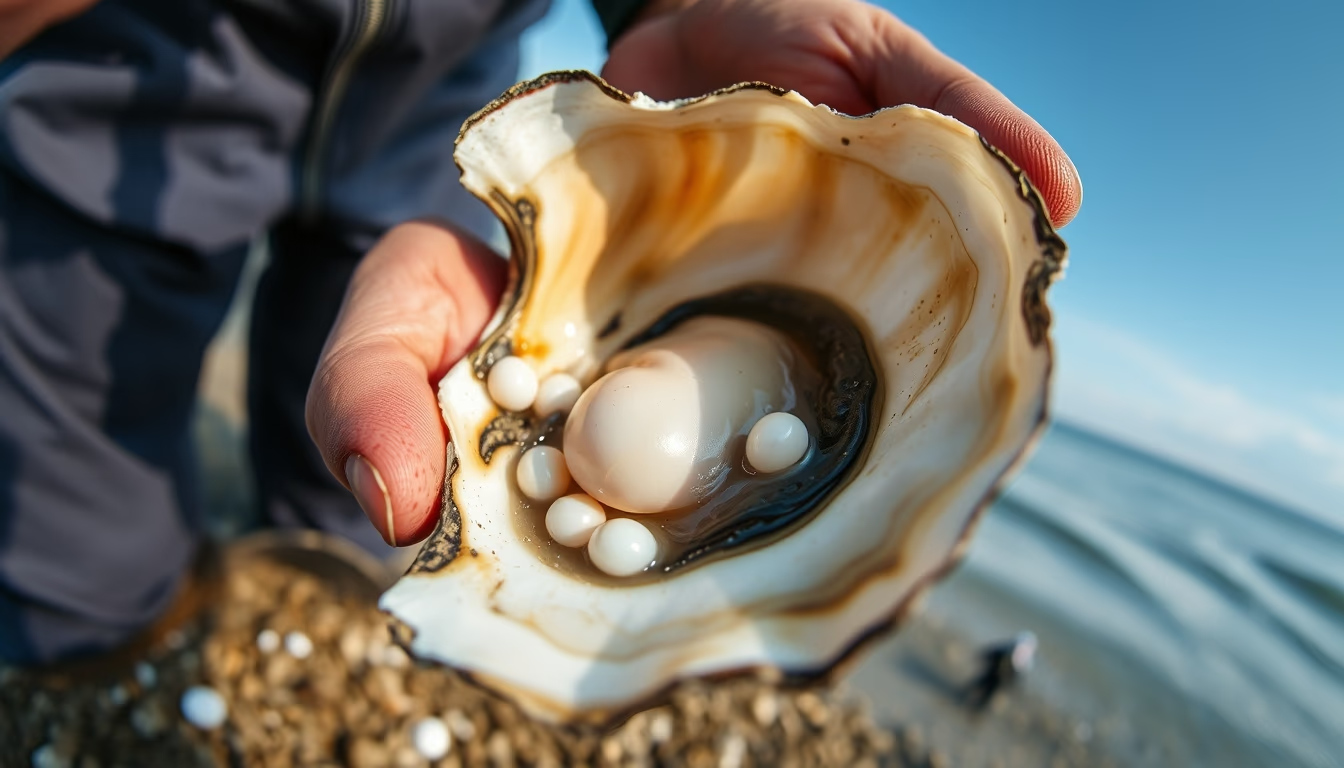
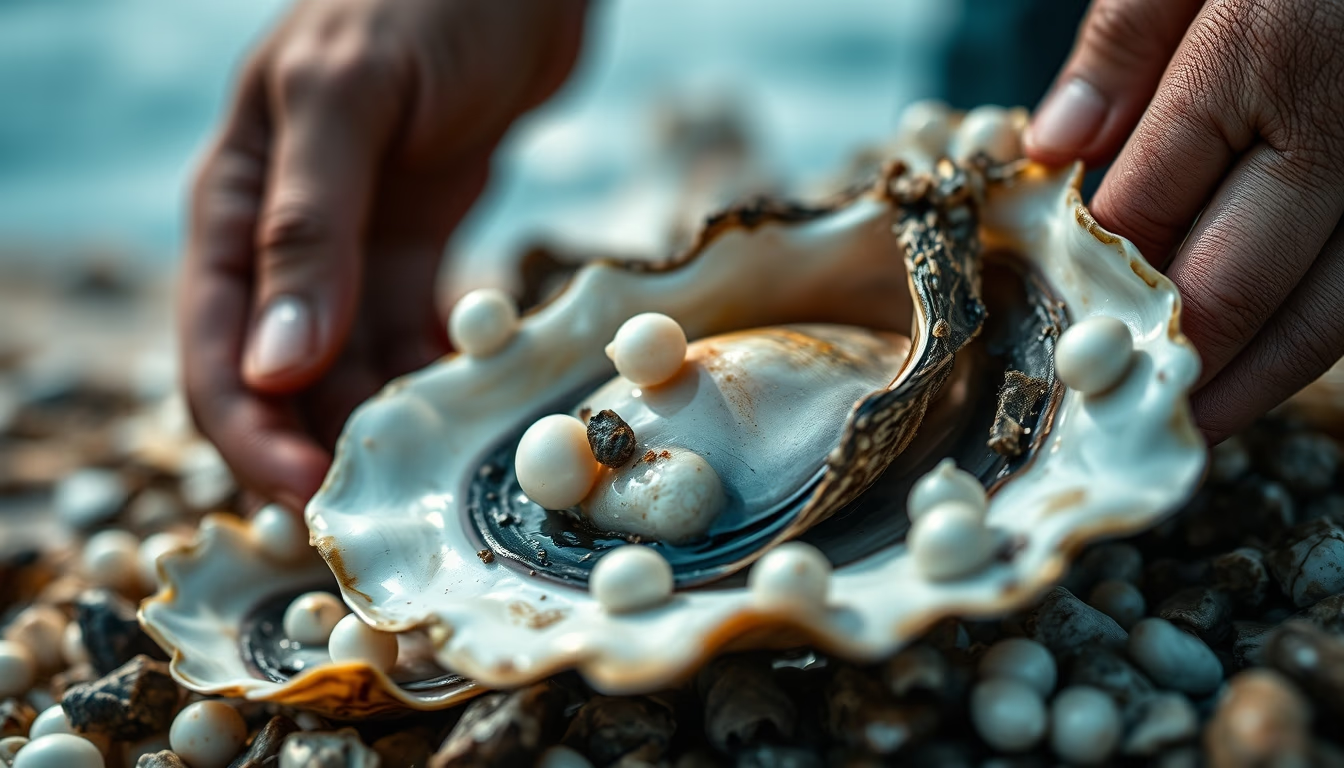
Pearl oyster harvest is the process of extracting cultured pearls, an ancient practice combining aquaculture techniques with cultural traditions in tropical coastal regions.
About this subject
Pearl oyster harvest is the culminating moment of pearl cultivation, an activity requiring patience and precision. The most commonly used oysters belong to the genus Pinctada, such as Pinctada margaritifera (black-lipped oyster) and Pinctada maxima (gold-lipped oyster). The process begins with nucleation: a mother-of-pearl bead and a piece of mantle from another oyster are surgically implanted. After 18 to 24 months, the oyster coats the bead with layers of nacre, forming the pearl. Harvesting is done manually, often in the clear waters of the South Pacific, notably the Tuamotu Archipelago in French Polynesia, which produces about 40% of the world's cultured pearls (as of 2020).
Each oyster is carefully opened to avoid damaging the pearl. The success rate is low: only 5 to 10% of oysters produce gem-quality pearls. The rest yield irregular pearls or are discarded. After harvest, oysters can be re-implanted for further production, but most are sold to the mother-of-pearl industry. Harvesting impacts local economies: in French Polynesia, pearl aquaculture accounts for over 80% of non-tourism exports.
Historically, natural pearls were extremely rare. In the early 20th century, Kokichi Mikimoto patented the cultivation method, revolutionizing the market. Today, harvests are highly regulated to prevent overfishing and ensure sustainability. Farms monitor water quality and oyster health, as diseases like mass oyster mortality can devastate production. A curiosity: the largest cultured pearl in the world, the 'Pearl of Asia', weighs 3.4 kilograms and was produced in China.
Frequently Asked Questions
How long does it take to harvest a cultured pearl?
The full cycle from nucleation to harvest takes 18 to 24 months for most pearl oysters, but larger pearls may require up to 4 years.
Which country is the largest producer of cultured pearls?
China leads in volume production, but French Polynesia is known for high-quality black pearls. Other major producers include Japan, Australia, and Indonesia.
Do oysters die during pearl harvesting?
Yes, in most methods the oyster is opened and discarded. However, modern techniques allow some oysters to be re-implanted, but the survival rate is low.
Direct URL
https://pub-c7d6a6ea828543ac903a74a341ccb2e1.r2.dev/imagens/pearl-oyster-harvest-fish-eye-wide-angle-fresh11.avifHow to credit
Include a visible link back to UtilizAí. Copy one of the snippets below:
<a href="https://xn--utiliza-eza.com/en/midia/imagens/pearl-oyster-harvest-fish-eye-wide-angle-fresh11">Pearl oyster harvest</a> by <a href="https://xn--utiliza-eza.com">UtilizAí</a>, licensed under <a href="https://creativecommons.org/licenses/by/4.0/">CC BY 4.0</a>.
[Pearl oyster harvest](https://xn--utiliza-eza.com/en/midia/imagens/pearl-oyster-harvest-fish-eye-wide-angle-fresh11) by [UtilizAí](https://xn--utiliza-eza.com), CC BY 4.0
License: CC-BY-4.0