Pearl oyster harvest
1344×768 · AVIF · CC BY 4.0
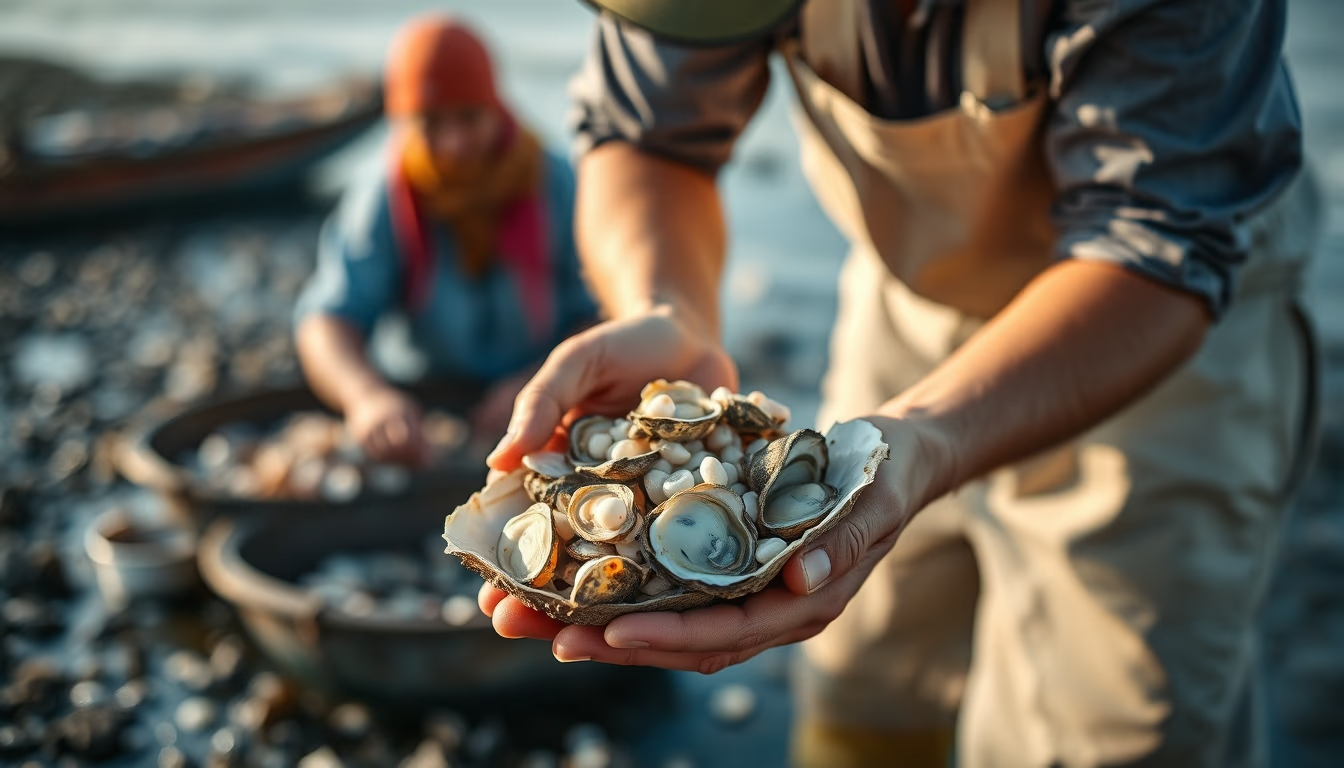
The harvest of pearl oysters is a critical stage in cultured pearl production, combining traditional and modern techniques in ocean farms worldwide.
About this subject
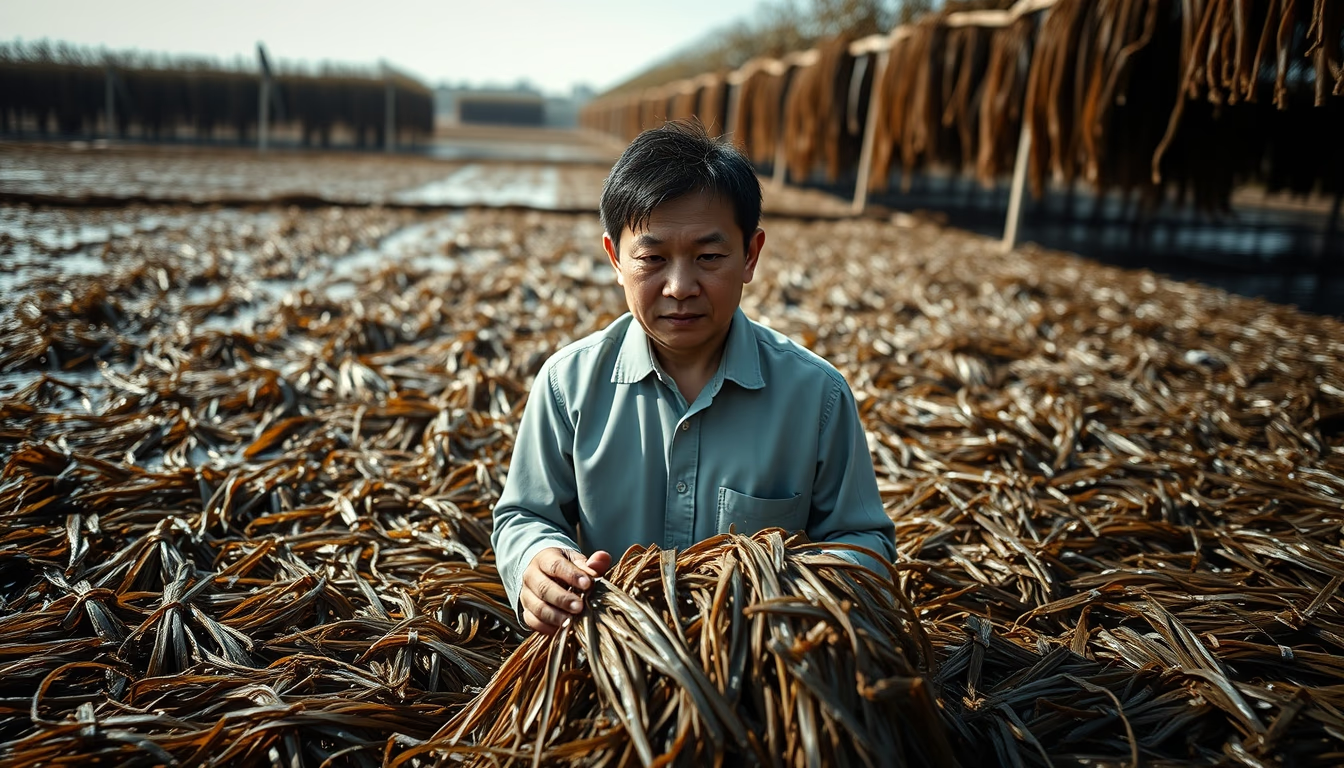
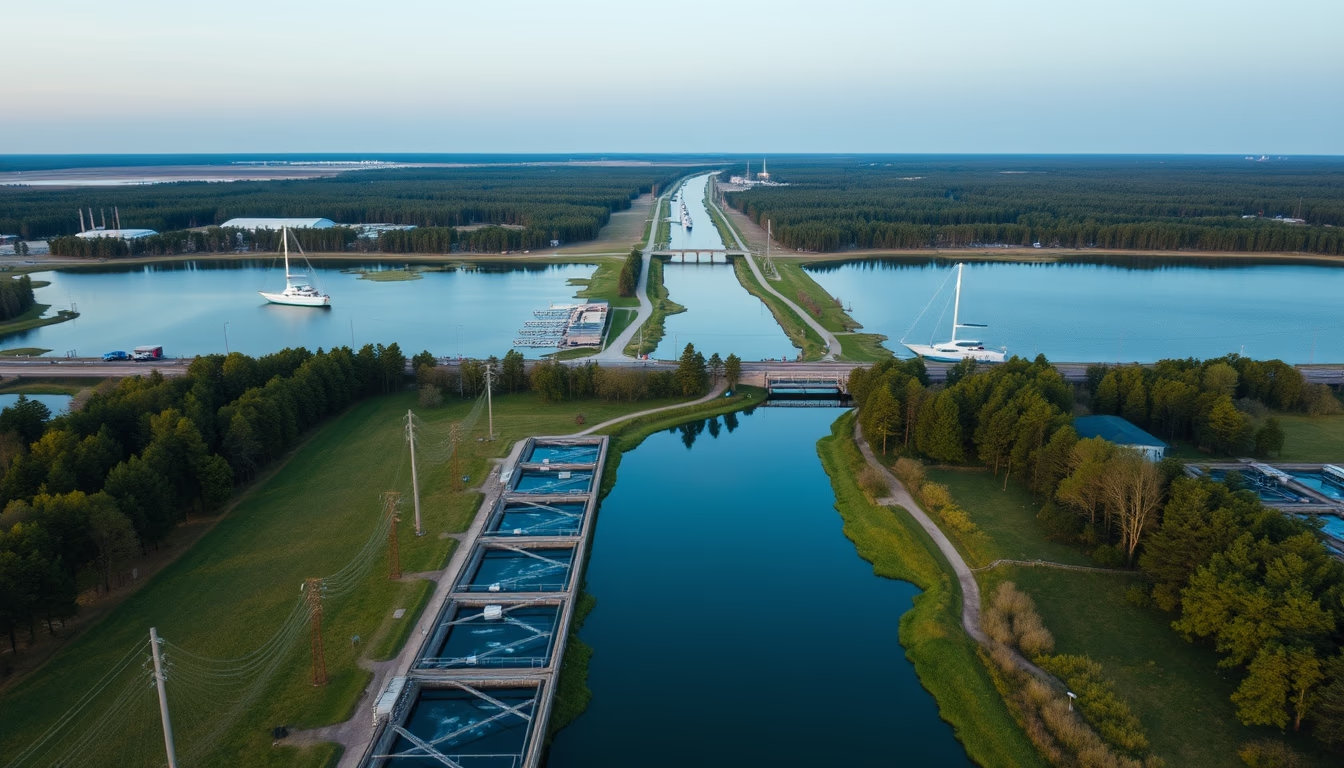
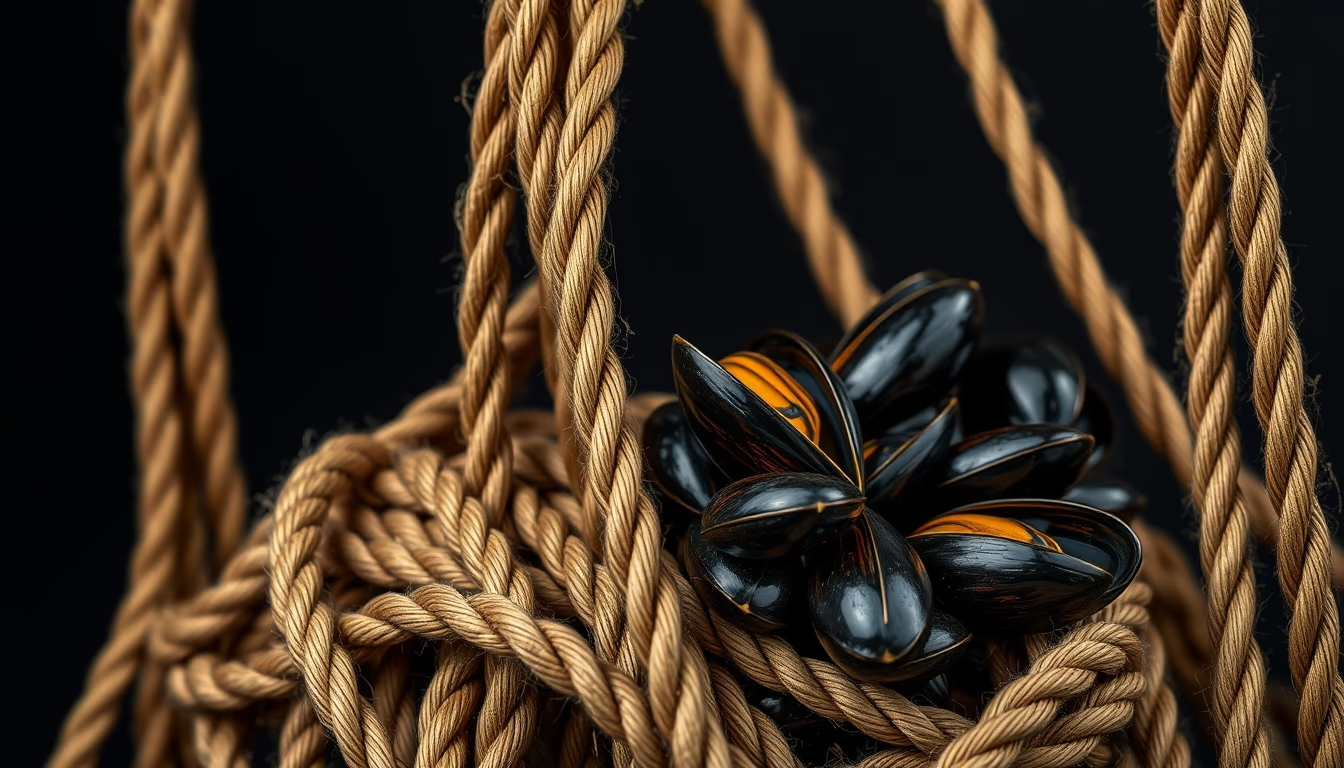
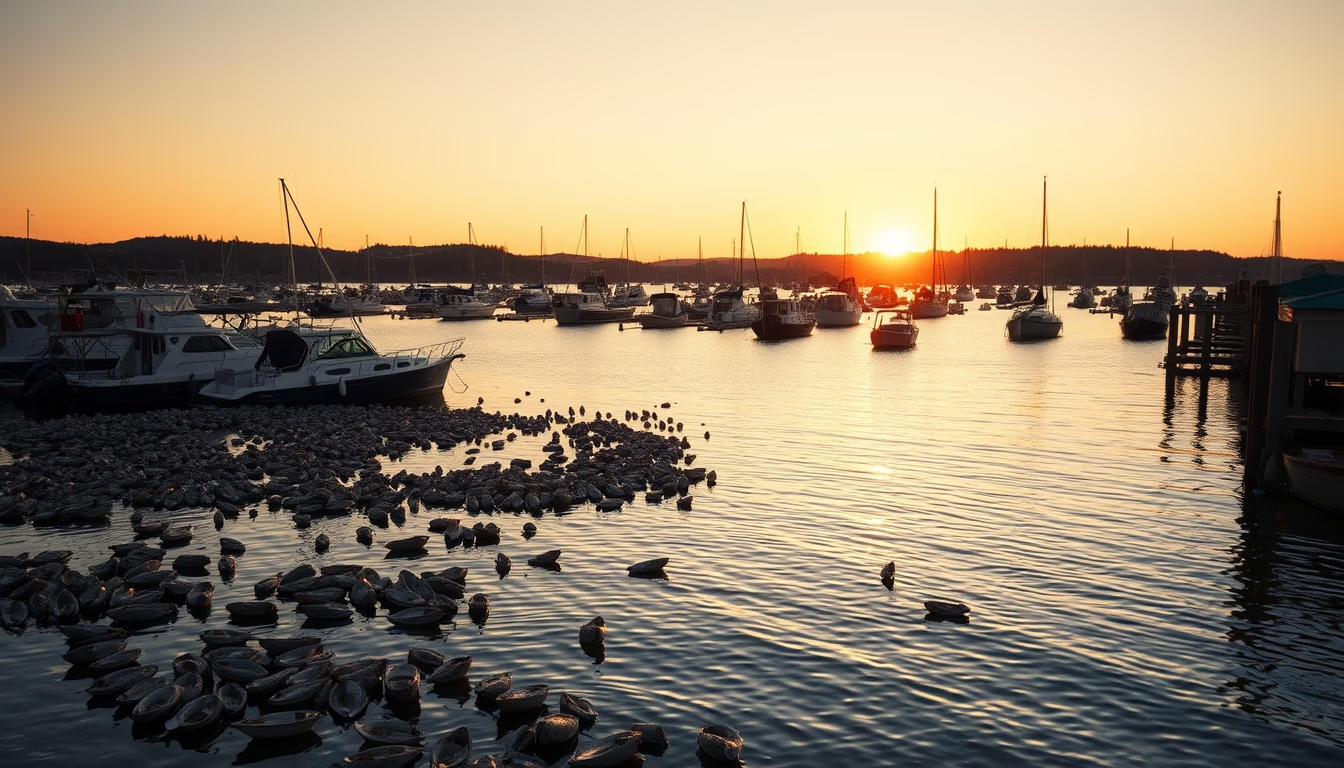
The harvest of pearl oysters occurs after a cultivation period lasting from 18 months to 4 years, depending on the species and desired pearl size. Major producing regions include Japan (Akoya pearls), French Polynesia (Tahitian black pearls), Australia (South Sea pearls), and Indonesia (South Sea and freshwater pearls). The process involves carefully removing oysters from submerged cultivation lines, typically done by divers or using boats equipped with cranes.
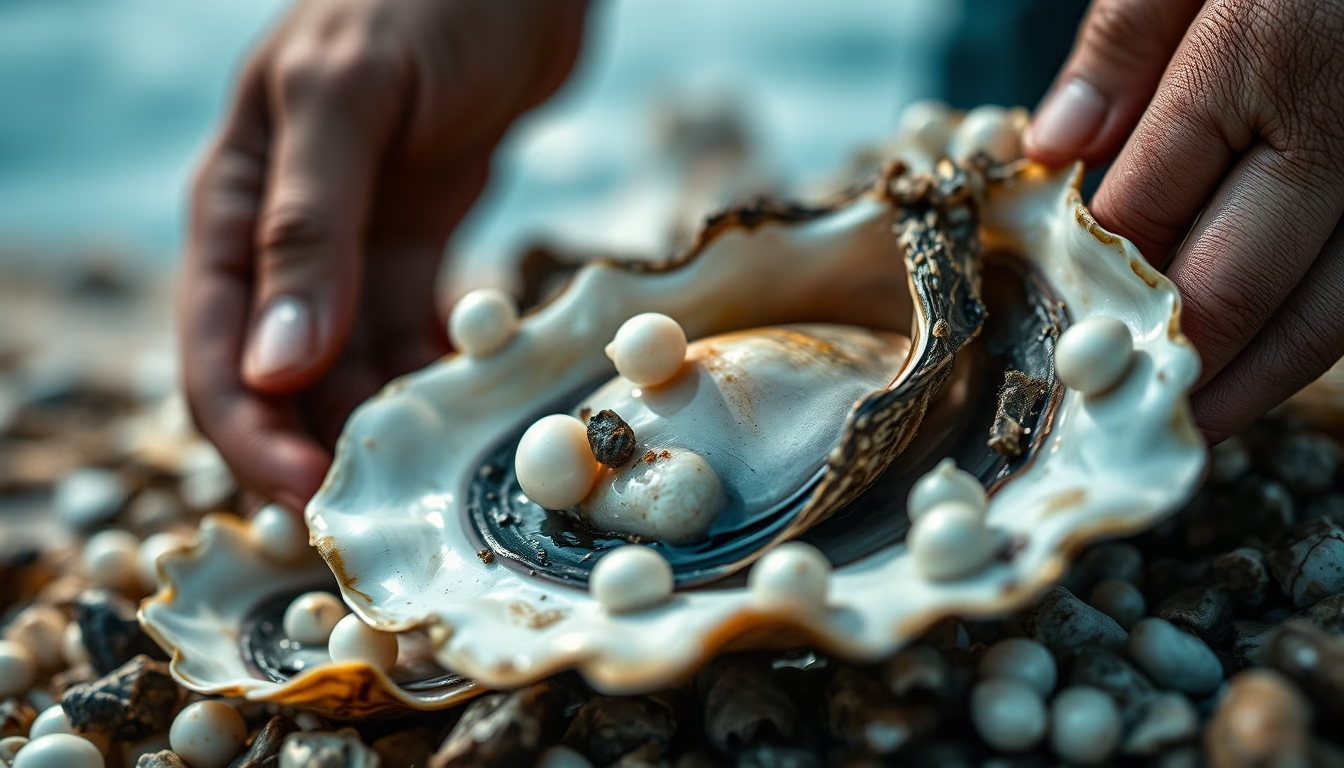
During harvest, oysters are opened and pearls are extracted manually. Each oyster may contain one or more pearls, but not all are of commercial quality. Selection is rigorous: perfectly round pearls with intense luster fetch the highest prices. Oysters that did not produce viable pearls can be reinserted with a new nucleus for a second cultivation cycle, a common practice in sustainable farms.
The economic importance of pearl harvest is significant for coastal regions, generating direct and indirect jobs. In Japan, the Akoya pearl industry moves millions of dollars annually. In French Polynesia, black pearls represent the second largest export product after tourism. However, the activity faces environmental challenges such as marine pollution and climate change, which affect oyster health and pearl quality.
Interestingly, the pearl cultivation technique was developed in the early 20th century by Japanese pioneers Kokichi Mikimoto and Tokichi Nishikawa, who perfected the process of inserting a nucleus (usually made of mother-of-pearl) into the oyster's mantle tissue. Since then, pearl oyster harvest has become a global industry, with management protocols aimed at ensuring sustainability and traceability of pearls.
Frequently Asked Questions
How are cultured pearls produced?
Cultured pearls are produced through a process called nucleation, where a small nucleus (usually made of mother-of-pearl) is surgically inserted into the oyster's mantle tissue. The oyster then secretes layers of nacre around the nucleus, forming a pearl over months or years.
What is the difference between natural and cultured pearls?
Natural pearls form without human intervention when an irritant accidentally enters the oyster. Cultured pearls are intentionally induced by skilled technicians. Both are composed of nacre, but cultured pearls are more common and less expensive.
Where are the main pearl oyster farms located?
Major farms are in Japan (mainly Akoya), French Polynesia (Tahitian black pearls), Australia, and Indonesia (South Sea pearls). There are also freshwater farms in China, producing freshwater pearls.
Direct URL
https://pub-c7d6a6ea828543ac903a74a341ccb2e1.r2.dev/imagens/pearl-oyster-harvest-documentary-photography-fresh14.avifHow to credit
Include a visible link back to UtilizAí. Copy one of the snippets below:
<a href="https://xn--utiliza-eza.com/en/midia/imagens/pearl-oyster-harvest-documentary-photography-fresh14">Pearl oyster harvest</a> by <a href="https://xn--utiliza-eza.com">UtilizAí</a>, licensed under <a href="https://creativecommons.org/licenses/by/4.0/">CC BY 4.0</a>.
[Pearl oyster harvest](https://xn--utiliza-eza.com/en/midia/imagens/pearl-oyster-harvest-documentary-photography-fresh14) by [UtilizAí](https://xn--utiliza-eza.com), CC BY 4.0
License: CC-BY-4.0