Pearl oyster harvest
1344×768 · AVIF · CC BY 4.0
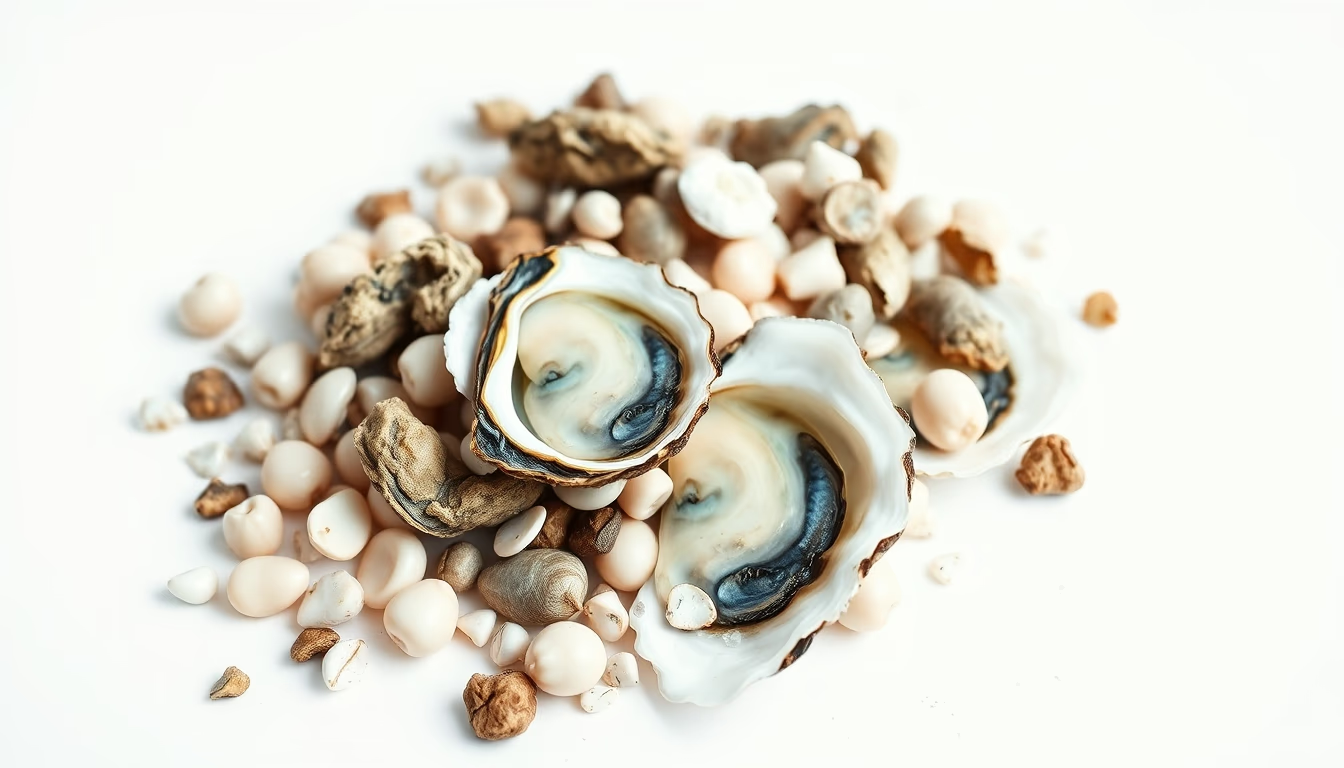
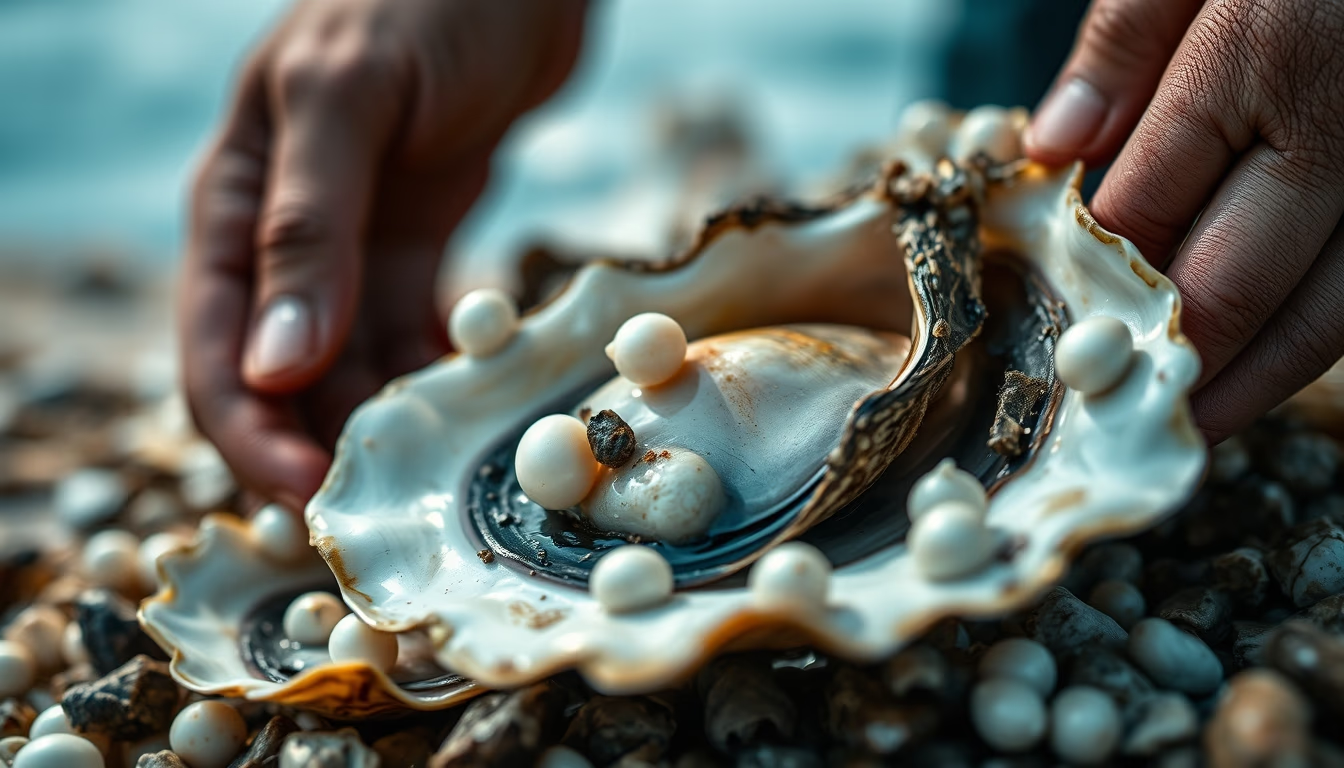
Pearl oyster harvest is the process of extracting cultured pearls, combining aquaculture techniques and craftsmanship.
About this subject
Pearl oyster harvest, also known as Pinctada harvesting, is one of the final stages of cultured pearl production. This process usually occurs between 12 and 24 months after nucleus implantation, when the nacre layer reaches the desired thickness. Major producing regions include the Persian Gulf, Red Sea, Japan, French Polynesia, and Australia. In Brazil, the activity is emerging, gaining prominence in the northeastern coast.
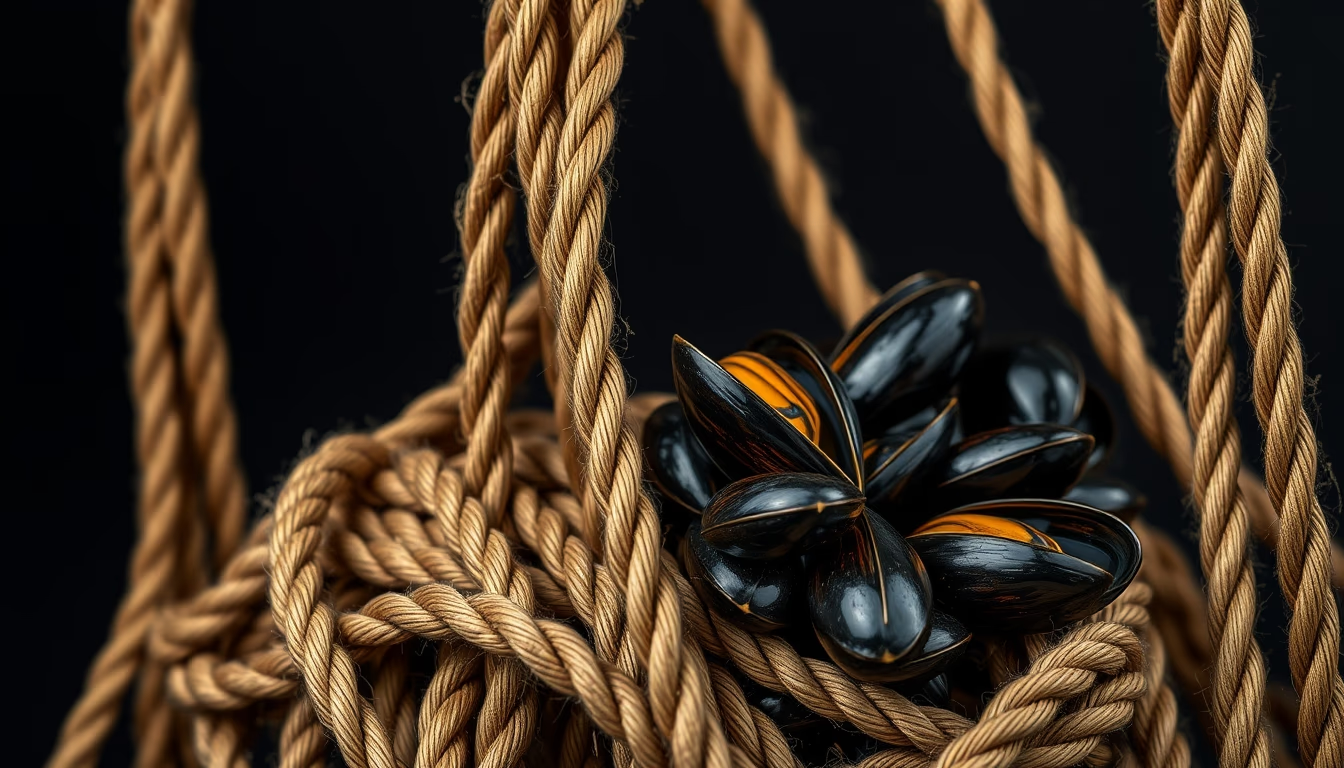
During harvest, oysters are removed from submerged nets and carefully opened to extract the pearl. Quality is assessed based on luster, color, size, and shape. Cultured pearls represent nearly the entire global market, as natural pearls are extremely rare. The modern technique was pioneered by Kokichi Mikimoto in the early 20th century, revolutionizing jewelry.
Sustainability in pearl aquaculture is a relevant topic. Many farms adopt practices that preserve marine ecosystems, as oysters filter water and contribute to environmental quality. However, shell disposal and chemical use pose challenges. Demand for pearls remains high in European and Asian markets, with species like Pinctada maxima producing the largest gems.
Fun fact: a single oyster can produce up to 50 pearls in its lifetime, but usually only one is cultivated at a time. The nucleation process requires skill and precision, directly influencing the final value of the jewelry.
Frequently Asked Questions
How long does it take for an oyster to produce a pearl?
Typically between 12 and 24 months, depending on species and environmental conditions.
What is the difference between natural and cultured pearls?
Natural pearls form without human intervention, while cultured pearls have an artificially implanted nucleus. Over 99% of pearls sold are cultured.
Is pearl harvest sustainable?
Many farms adopt eco-friendly practices, but challenges like shell disposal remain. Pearl aquaculture can have low environmental impact when well-managed.
Direct URL
https://pub-c7d6a6ea828543ac903a74a341ccb2e1.r2.dev/imagens/pearl-oyster-harvest-commercial-product-photography-fresh2.avifHow to credit
Include a visible link back to UtilizAí. Copy one of the snippets below:
<a href="https://xn--utiliza-eza.com/en/midia/imagens/pearl-oyster-harvest-commercial-product-photography-fresh2">Pearl oyster harvest</a> by <a href="https://xn--utiliza-eza.com">UtilizAí</a>, licensed under <a href="https://creativecommons.org/licenses/by/4.0/">CC BY 4.0</a>.
[Pearl oyster harvest](https://xn--utiliza-eza.com/en/midia/imagens/pearl-oyster-harvest-commercial-product-photography-fresh2) by [UtilizAí](https://xn--utiliza-eza.com), CC BY 4.0
License: CC-BY-4.0