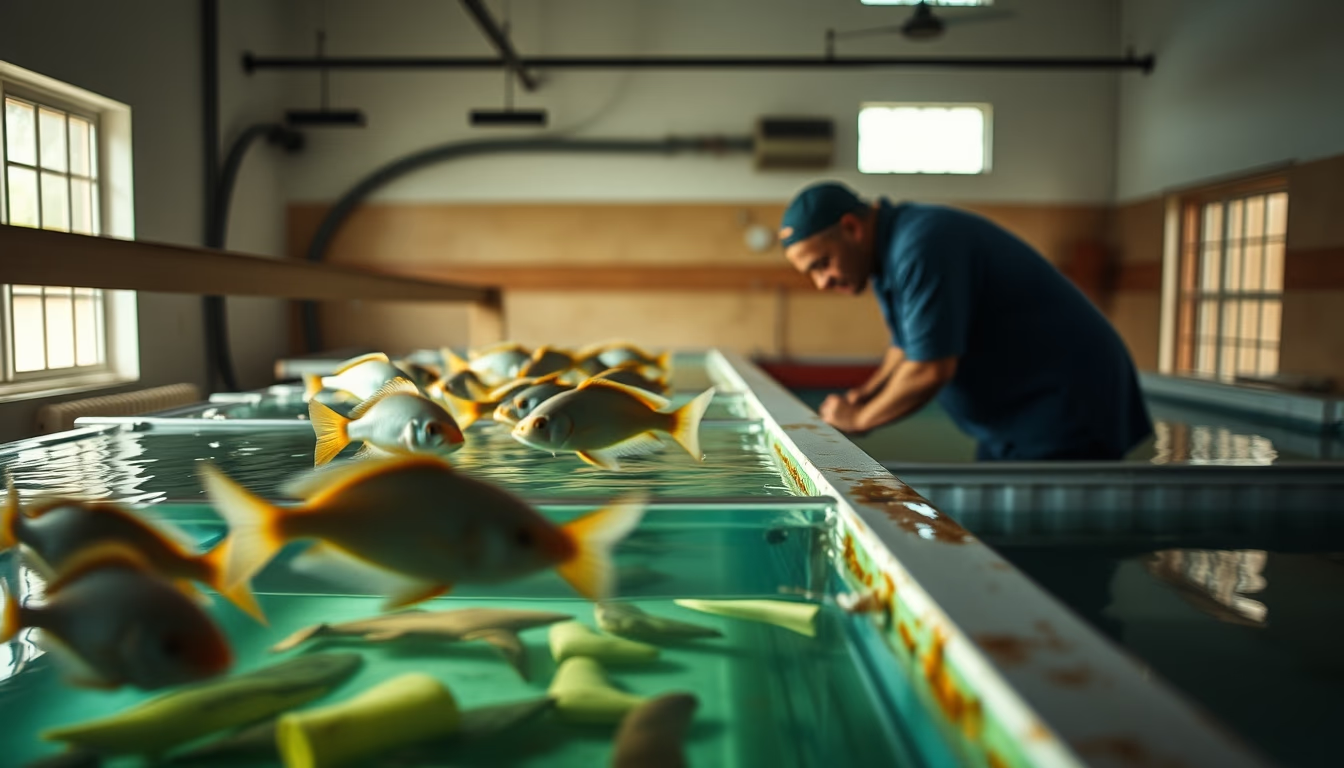
Pearl oyster harvest
1344×768 · AVIF · CC BY 4.0
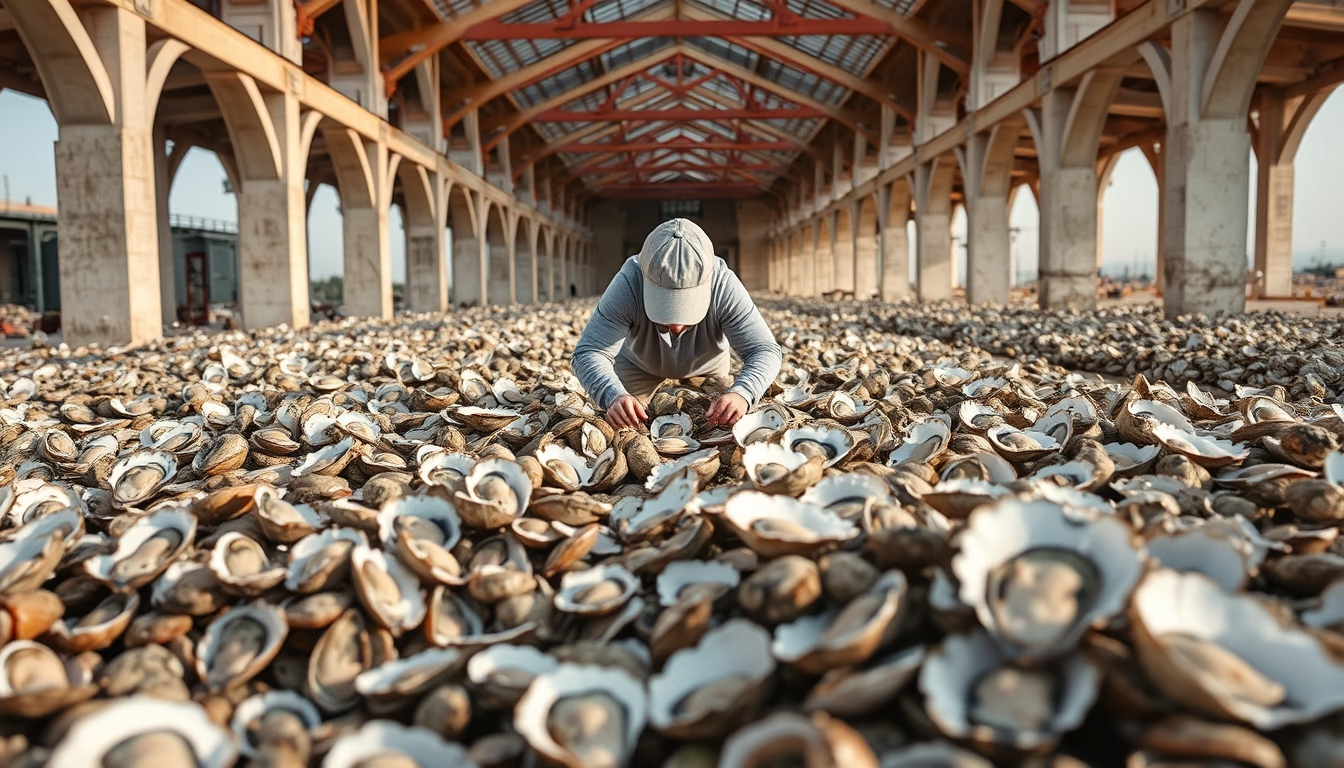
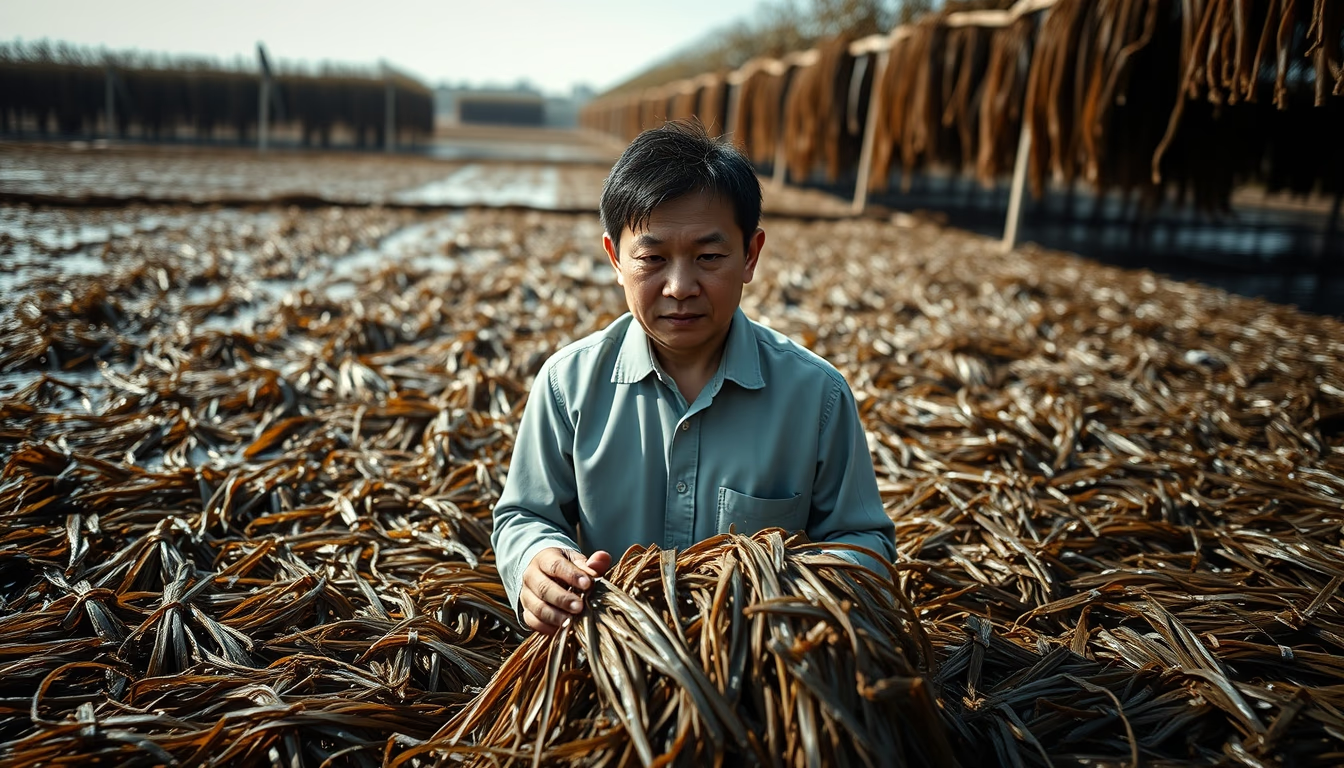
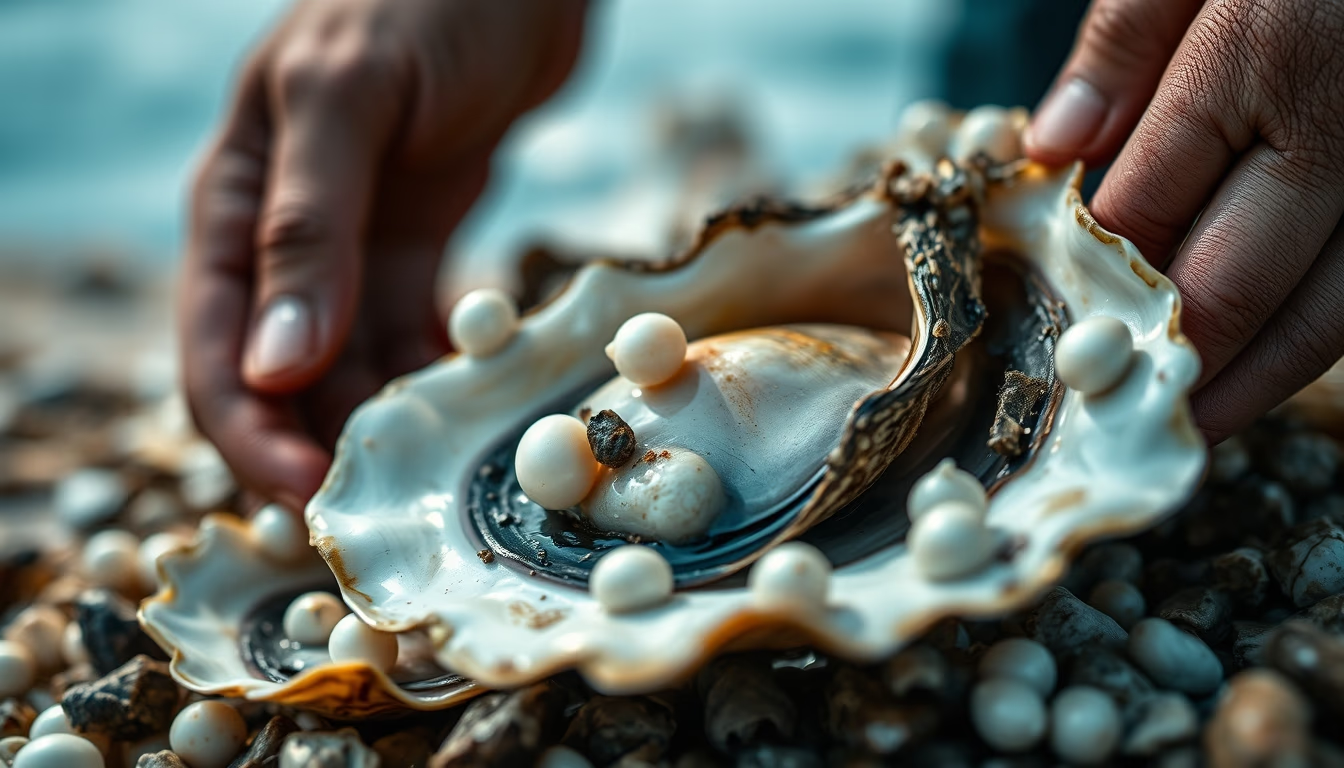
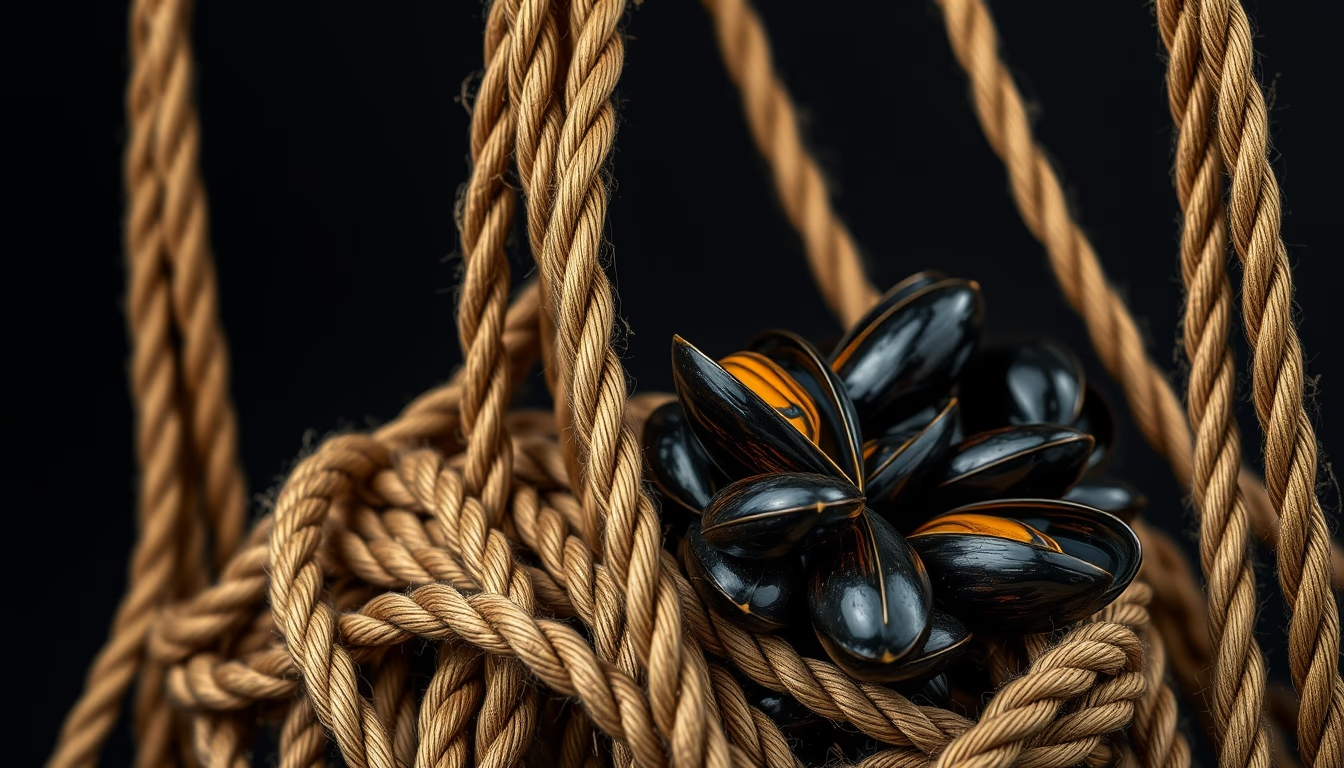
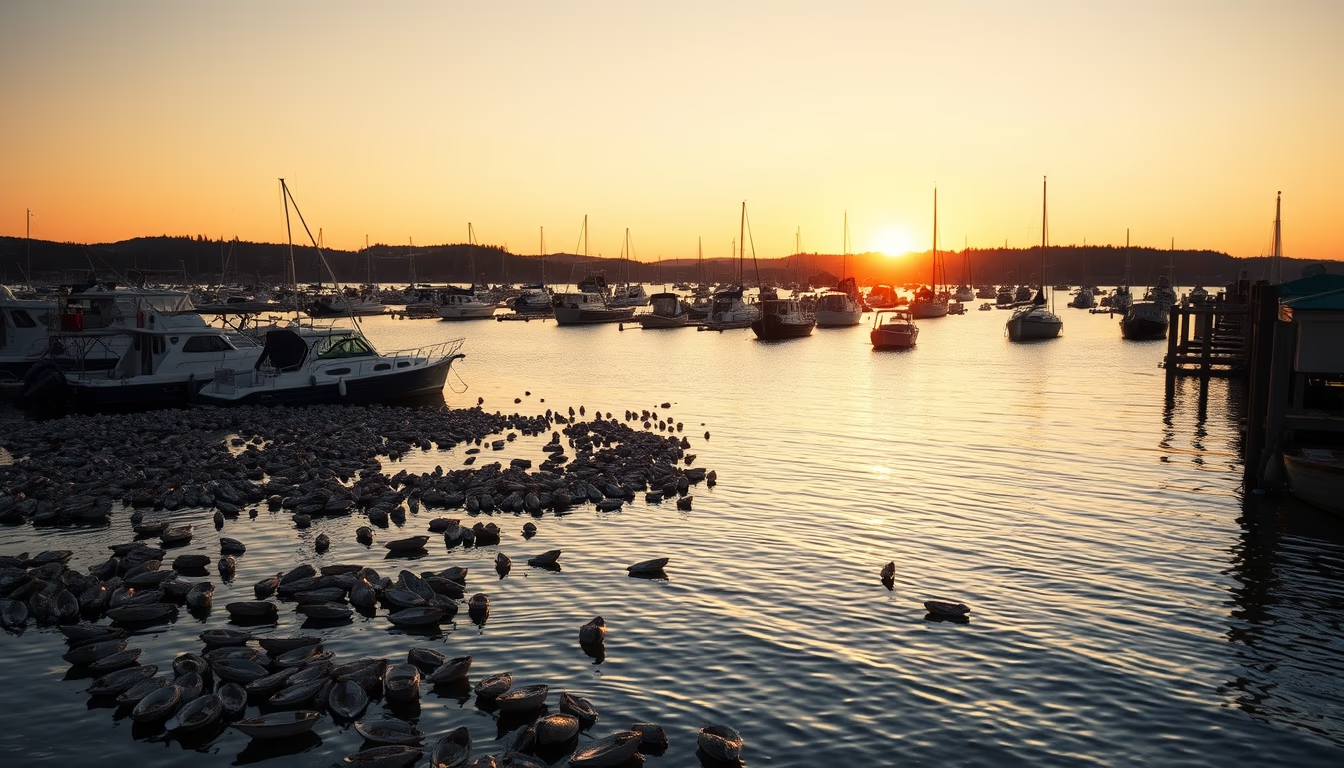
Pearl oyster harvest is a critical step in cultured pearl production, combining traditional and modern techniques.
About this subject
Pearl oyster harvest, also known as pearl extraction, is the precise moment when cultured pearls are carefully removed from oysters. This process usually takes place after a cultivation period of 18 to 24 months, when pearls reach marketable size and quality. Major producing regions include the Persian Gulf, Japan (especially Ago Bay), French Polynesia, and parts of Australia and Indonesia.
During harvest, oysters are opened with care to avoid damaging the pearl. Each oyster may contain one or more pearls, depending on the species and nucleation technique. The most common species for saltwater pearls is Pinctada margaritifera (black-lipped oyster), native to the South Pacific. Pinctada fucata (white-lipped oyster) is widely used in Japan for the famous Akoya pearls.
Harvesting involves not only extraction but also quality assessment based on luster, color, size, and shape. High-quality pearls can command high prices in the jewelry market. After harvest, oysters are often re-nucleated, contributing to sustainability. The cultured pearl industry is worth billions of dollars annually and employs thousands in coastal communities.
Notably, the technique of pearl cultivation was developed in the early 20th century by Kokichi Mikimoto in Japan, revolutionizing global production. Before that, the search for natural pearls was extremely risky and environmentally damaging. Today, controlled cultivation allows conservation of natural oyster stocks and generates income for tropical regions.
Frequently Asked Questions
How long does it take to harvest cultured pearls?
It typically takes 18 to 24 months for cultured pearls to reach marketable size and quality. This period varies depending on oyster species and environmental conditions.
Do oysters die during pearl harvest?
Not always. Many oysters survive and can be re-nucleated. Modern harvesting techniques aim to minimize damage, allowing oysters to produce multiple pearls over their lifetime.
Where is the world's largest production of cultured pearls?
Japan is historically the largest producer of Akoya pearls. Today, French Polynesia leads in Tahitian black pearls, while the Persian Gulf is known for rare natural pearls.
Direct URL
https://pub-c7d6a6ea828543ac903a74a341ccb2e1.r2.dev/imagens/pearl-oyster-harvest-architectural-photography-fresh5.avifHow to credit
Include a visible link back to UtilizAí. Copy one of the snippets below:
<a href="https://xn--utiliza-eza.com/en/midia/imagens/pearl-oyster-harvest-architectural-photography-fresh5">Pearl oyster harvest</a> by <a href="https://xn--utiliza-eza.com">UtilizAí</a>, licensed under <a href="https://creativecommons.org/licenses/by/4.0/">CC BY 4.0</a>.
[Pearl oyster harvest](https://xn--utiliza-eza.com/en/midia/imagens/pearl-oyster-harvest-architectural-photography-fresh5) by [UtilizAí](https://xn--utiliza-eza.com), CC BY 4.0
License: CC-BY-4.0