Pearl oyster harvest
1344×768 · AVIF · CC BY 4.0
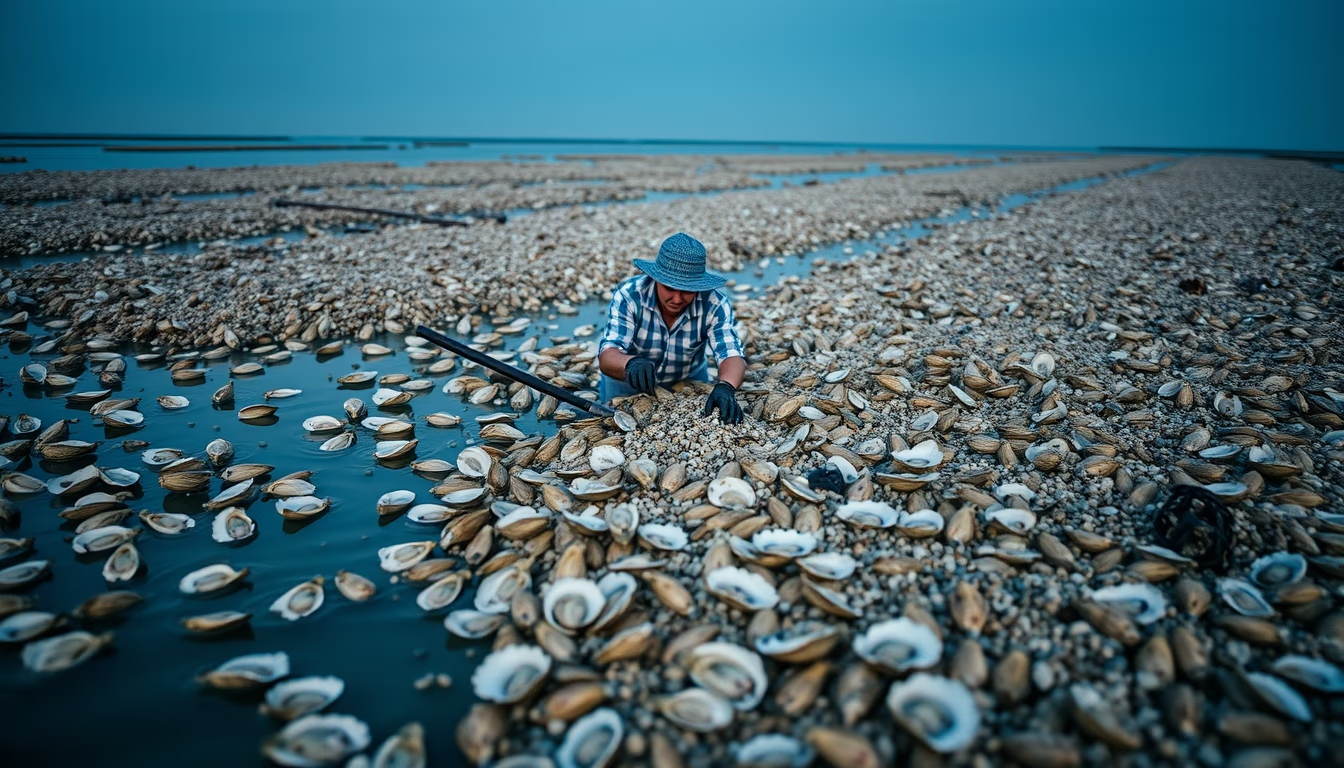
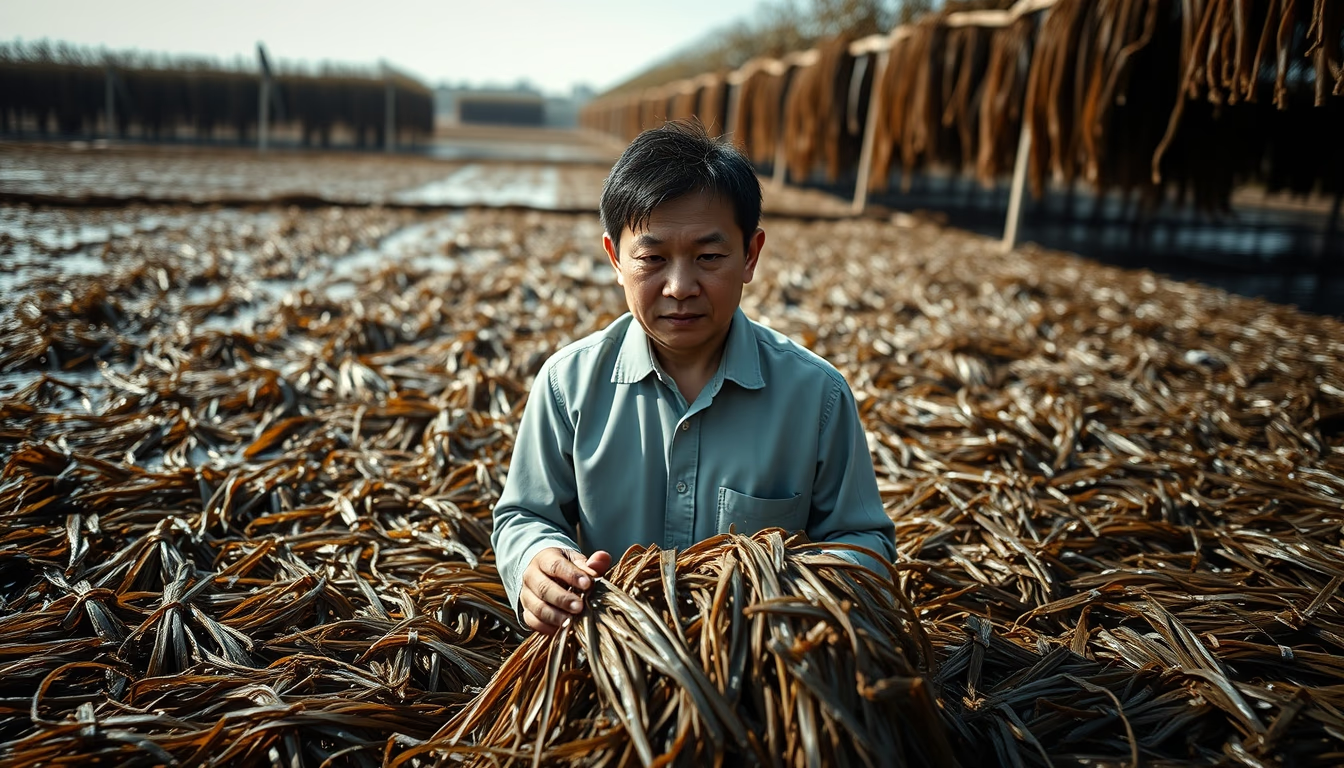
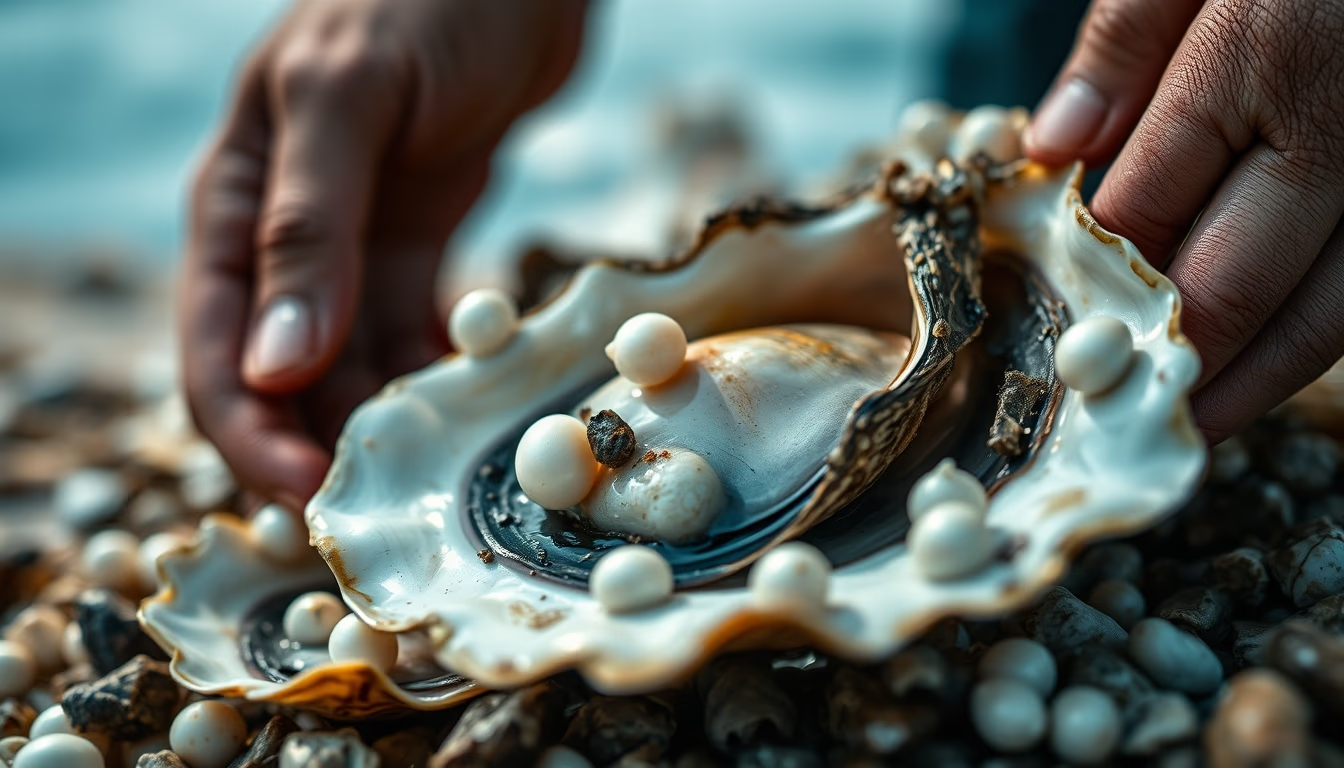
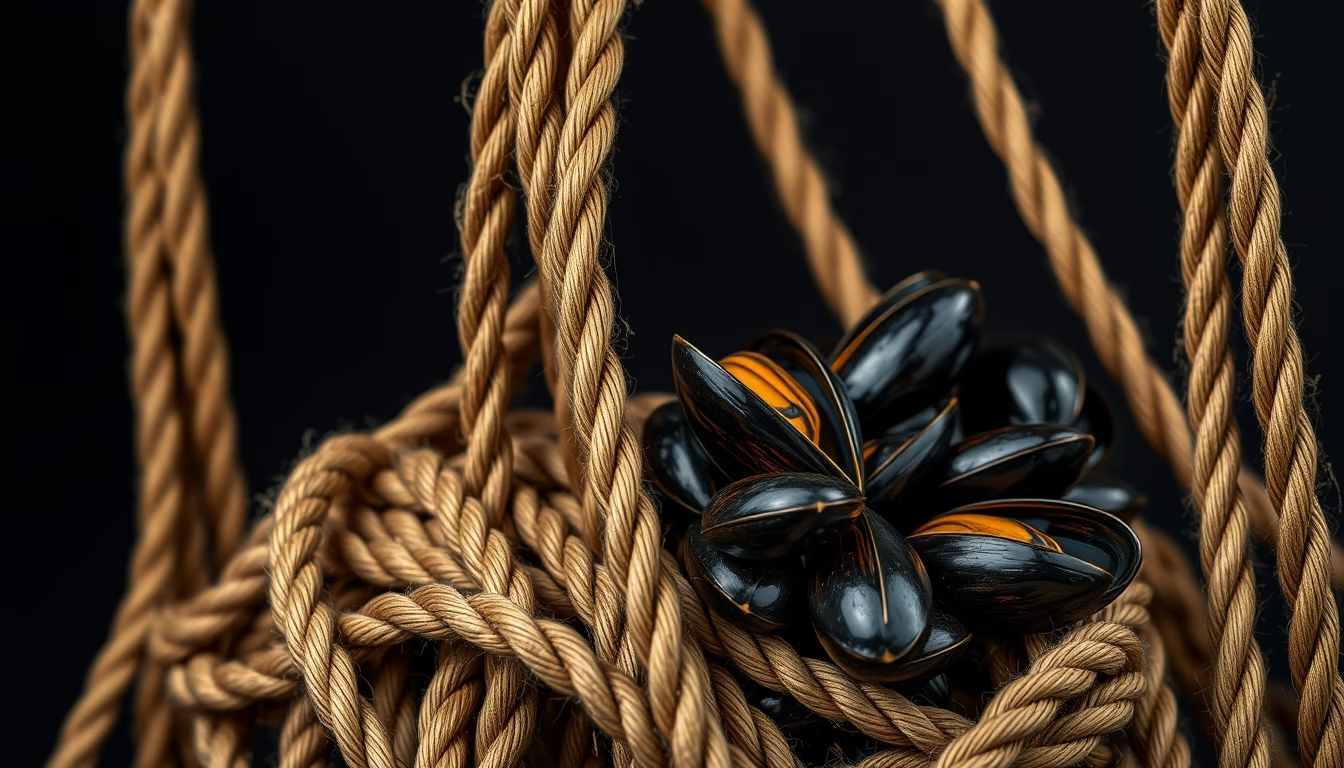
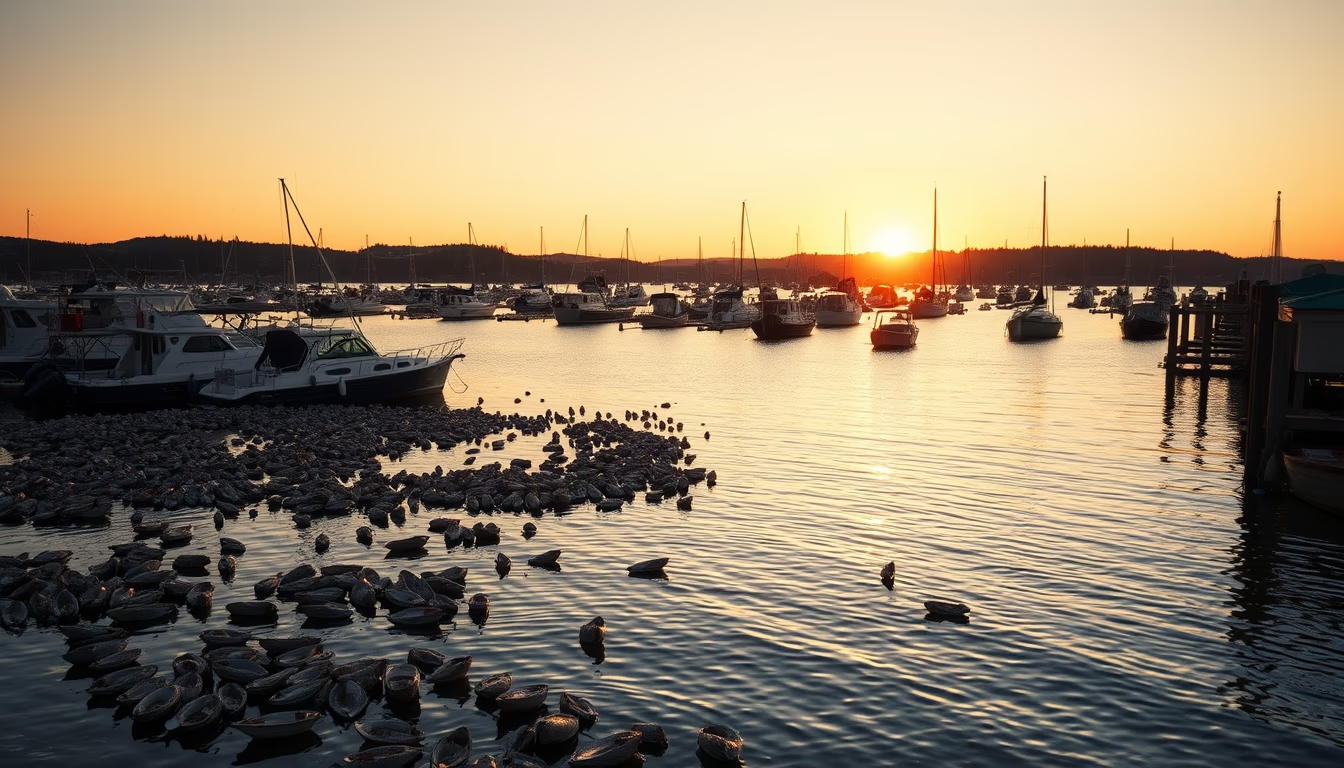
Pearl oyster harvest is an activity that combines tradition and innovation for the production of high-quality pearls.
About this subject
Pearl oyster farming, also known as perliculture, is the practice of cultivating oysters to produce pearls. Major producing regions include French Polynesia (Tahitian black pearls), Australia (South Sea white pearls), and Japan (Akoya pearls). Brazil also has initiatives, especially along its northeastern coast. This activity generates jobs and income in coastal communities and fuels a multi-billion-dollar global market.
The harvest process begins with obtaining oyster spat, either hatchery-reared or wild-collected. After growth, the oysters undergo nucleation, a surgical procedure where a mother-of-pearl bead and a piece of donor mantle tissue are inserted into the mollusk. The oysters are then placed in submerged lantern nets for periods ranging from 6 months to 3 years, depending on desired quality. Harvesting is done manually by divers or with the aid of boats and cranes.
Sustainability is a central challenge, as pearl farming depends on ocean environmental quality. Pollution and climate change threaten natural stocks and cultivation. Thus, many farms adopt sustainable practices such as area rotation and waste recycling. Certifications like the Aquaculture Stewardship Council (ASC) ensure standards for environmental and social responsibility.
Fun facts: a single oyster can produce up to 5 pearls through successive nucleations, but the process is stressful and many die. Natural pearls are rare and form without human intervention, while cultured pearls represent over 99% of the market. A pearl's value depends on size, color, luster, and shape. Tahitian black pearls, for instance, are highly valued for their dark color and iridescence.
Frequently Asked Questions
How are pearls formed in oysters?
Pearls form when an irritant, such as a grain of sand, enters the oyster. To protect itself, the oyster secretes layers of nacre (mother-of-pearl) around the irritant. In cultivation, this process is induced by inserting a bead and donor tissue.
How long does it take for a pearl to form?
The formation time varies by pearl type and environmental conditions. Akoya pearls take between 6 months and 2 years, while South Sea and Tahitian pearls may take 2 to 4 years.
What is the difference between cultured and natural pearls?
Natural pearls form spontaneously without human intervention and are extremely rare. Cultured pearls are produced with the help of nucleation techniques and represent the vast majority of pearls traded.
Direct URL
https://pub-c7d6a6ea828543ac903a74a341ccb2e1.r2.dev/imagens/pearl-oyster-harvest-aerial-drone-shot-fresh17.avifHow to credit
Include a visible link back to UtilizAí. Copy one of the snippets below:
<a href="https://xn--utiliza-eza.com/en/midia/imagens/pearl-oyster-harvest-aerial-drone-shot-fresh17">Pearl oyster harvest</a> by <a href="https://xn--utiliza-eza.com">UtilizAí</a>, licensed under <a href="https://creativecommons.org/licenses/by/4.0/">CC BY 4.0</a>.
[Pearl oyster harvest](https://xn--utiliza-eza.com/en/midia/imagens/pearl-oyster-harvest-aerial-drone-shot-fresh17) by [UtilizAí](https://xn--utiliza-eza.com), CC BY 4.0
License: CC-BY-4.0