Pacman cabinet arcade
1344×768 · AVIF · CC BY 4.0
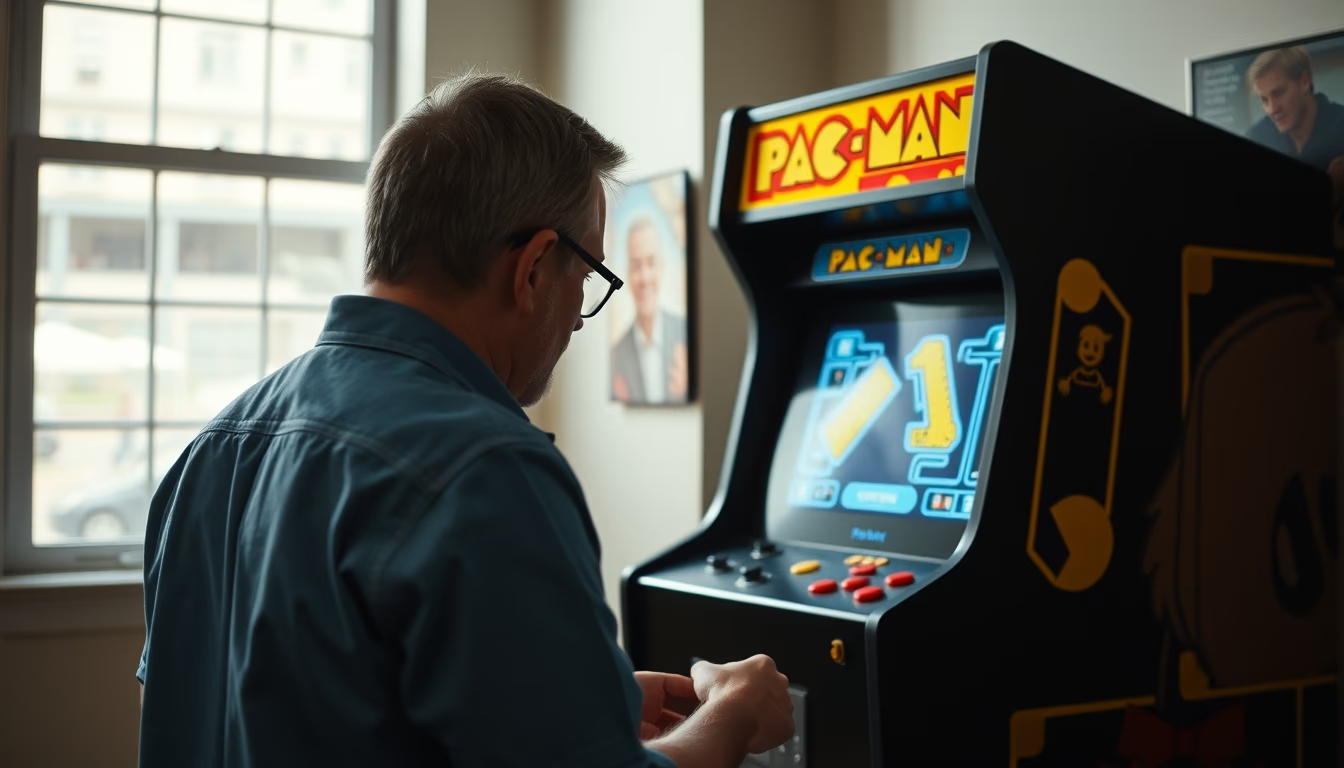
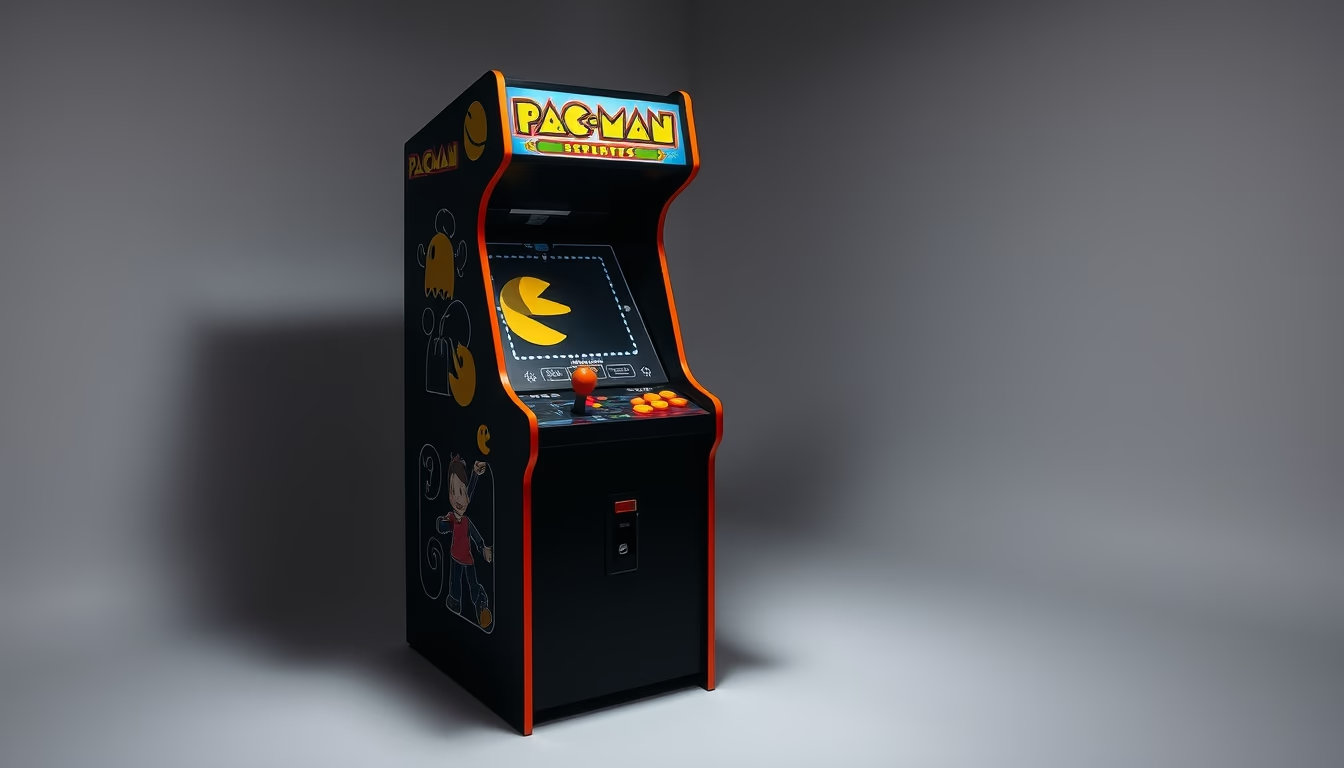
The Pac-Man arcade cabinet, one of the most iconic in video game history, is recognized for its colorful design and addictive gameplay that defined generations.
About this subject
The Pac-Man arcade cabinet, released by Namco in 1980, became a global pop culture icon. Unlike the shooting games of the era, Pac-Man offered a non-violent and accessible experience, appealing to both men and women. The cabinet's design was striking: bright yellow with artwork of the main character and ghosts, plus a control panel with a four-way joystick and a start button. The CRT screen displayed colorful graphics and the famous maze. Success was immediate, breaking sales records and becoming a cultural phenomenon.
The original machine was an upright cabinet with a 19-inch monitor. The characteristic sounds, including the opening music and eating effects, were composed by Toshio Kai. The game featured innovative artificial intelligence for the ghosts, each with its own personality. The goal was simple: eat all the dots in the maze while avoiding ghosts. Bonus items like fruits and cherries appeared periodically, increasing the score. The cabinet's design aimed to attract players in public venues such as arcades and bars.
Pac-Man's cultural impact is immense. It inspired an animated series, music, films, and a wide range of licensed merchandise. The character became Namco's mascot and one of the most recognized icons in video games. The original cabinet is now a collector's item, with restored machines selling for thousands of dollars. Many vintage arcades still keep Pac-Man cabinets in operation, allowing new generations to experience the classic. Additionally, the game has been ported to countless home platforms, maintaining its relevance.
Cabinets varied in style, including cocktail (table) and mini versions. The upright version is the most famous, with custom side decals and the characteristic illuminated marquee. Cabinets were manufactured in partnership with Midway in the United States, which also adapted the design for the Western market. Original production lasted until the mid-1980s, but popularity never waned, ensuring Pac-Man's presence in video game museums and digital art exhibitions.
Frequently Asked Questions
What is the difference between an original Pac-Man arcade cabinet and a replica?
Original cabinets were manufactured by Namco or Midway between 1980 and the mid-1980s, with original components like a CRT monitor and circuit board. Modern replicas may have LCD screens and emulators, but the structure and artwork often mimic the original design. Collectors value the authenticity of originals.
How much does a Pac-Man arcade cabinet cost today?
Prices vary widely: restored original cabinets can cost from US$2,000 to US$5,000 (or more at auction). Replicas or non-working cabinets are cheaper. Machines in poor condition may be found for under US$500 but require expensive restoration.
Where can I find a working Pac-Man arcade cabinet?
Vintage arcades, video game museums (like The Strong in Rochester, NY), and traveling exhibitions often have operational machines. It is also possible to rent cabinets for events. In Brazilian cities like São Paulo and Rio, there are themed bars with classic arcades.
Direct URL
https://pub-c7d6a6ea828543ac903a74a341ccb2e1.r2.dev/imagens/pacman-cabinet-arcade-documentary-photography-fresh4.avifHow to credit
Include a visible link back to UtilizAí. Copy one of the snippets below:
<a href="https://xn--utiliza-eza.com/en/midia/imagens/pacman-cabinet-arcade-documentary-photography-fresh4">Pacman cabinet arcade</a> by <a href="https://xn--utiliza-eza.com">UtilizAí</a>, licensed under <a href="https://creativecommons.org/licenses/by/4.0/">CC BY 4.0</a>.
[Pacman cabinet arcade](https://xn--utiliza-eza.com/en/midia/imagens/pacman-cabinet-arcade-documentary-photography-fresh4) by [UtilizAí](https://xn--utiliza-eza.com), CC BY 4.0
License: CC-BY-4.0