Pacman cabinet arcade
1344×768 · AVIF · CC BY 4.0
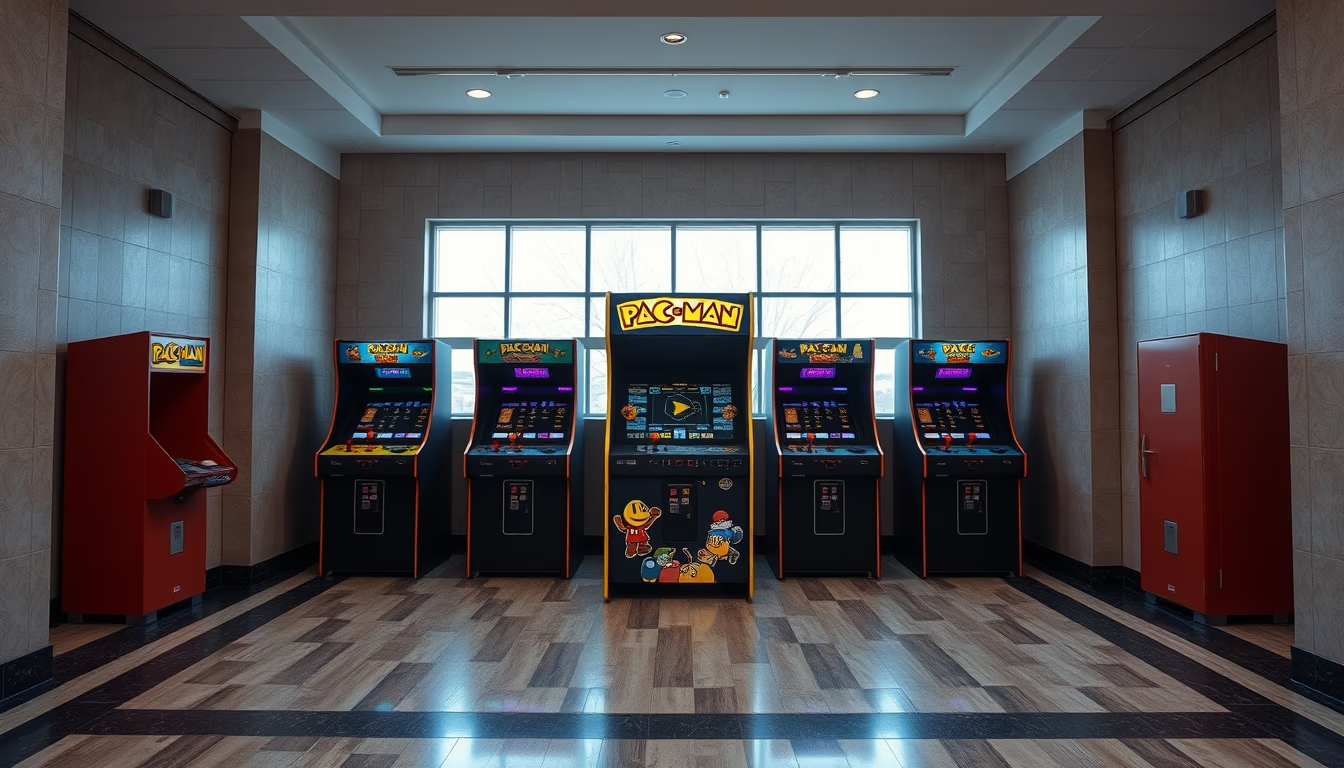
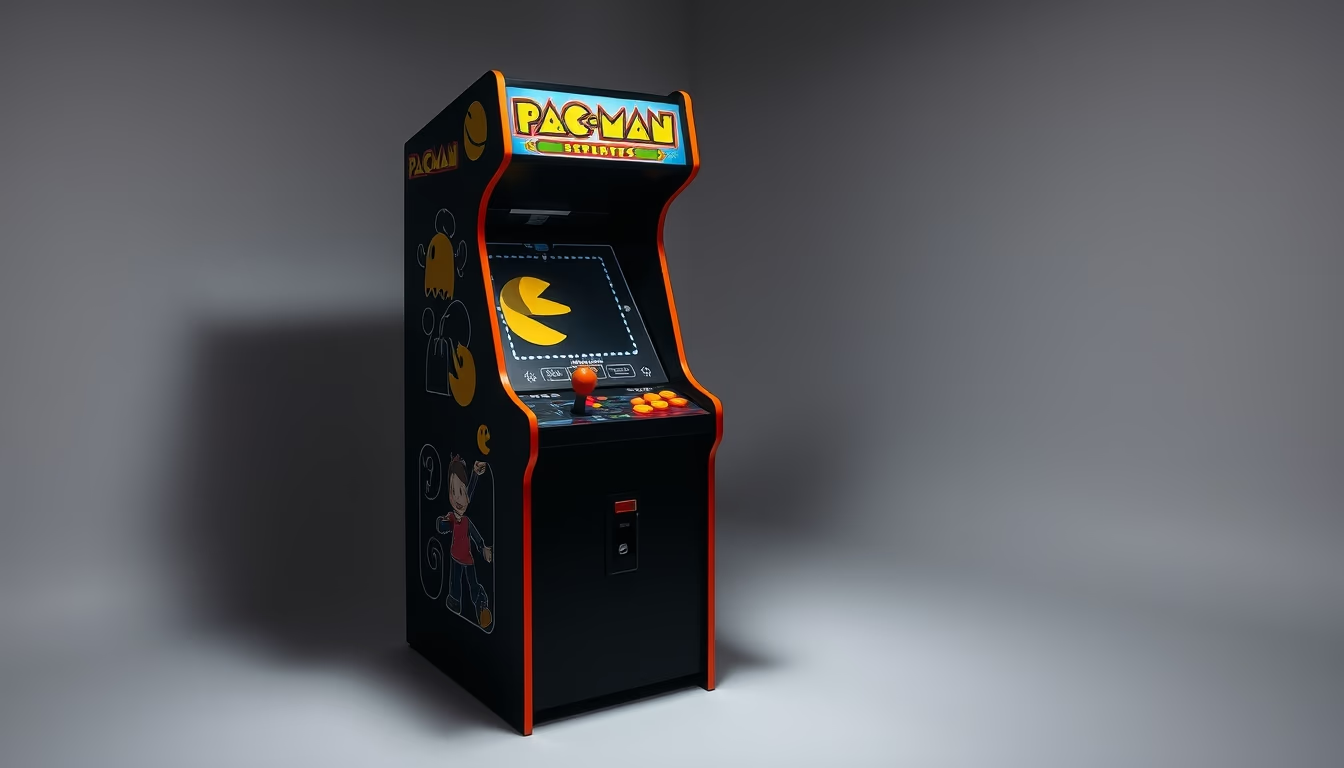
The iconic Pac-Man arcade cabinet, a landmark of 1980s arcades, revolutionized the video game industry with its design and gameplay.
About this subject
The Pac-Man arcade cabinet was released by Namco in 1980, designed by Toru Iwatani. Unlike the shooter games of the time, Pac-Man attracted a broader audience, including women and children. The cabinet design was vibrant, featuring colorful artwork of the yellow character and ghosts, along with a four-direction joystick and a start button. The original game had 255 levels and became a cultural phenomenon, spawning animated series, music, and merchandise.
Pac-Man's success was immense: it is estimated that Namco sold over 400,000 cabinets worldwide. The game was one of the first to feature artificial intelligence for enemies, with each ghost having unique behavior. Interestingly, Pac-Man's shape was inspired by a pizza with a missing slice. Due to high demand, the cabinet was adapted for various home consoles over the years.
Today, original Pac-Man cabinets are highly sought-after collector's items. In good condition, they can cost thousands of dollars. The game's popularity has also spawned numerous miniature recreations, PC and mobile versions, keeping the arcade legacy alive. The iconic design continues to be a reference in pop culture, appearing in films, series, and art exhibitions.
Frequently Asked Questions
How does the Pac-Man cabinet joystick work?
The joystick is digital with four directions (up, down, left, right). The player moves Pac-Man through the maze, and when released, the character continues in the last direction until hitting a wall.
How much does an original Pac-Man cabinet cost today?
Prices vary by condition and rarity. A functional original cabinet can cost between $1,000 and $4,000 in the US, or around R$5,000 to R$15,000 in Brazil. Restored models or those with original parts fetch higher prices.
What is the origin of the name Pac-Man?
The name comes from the Japanese phrase 'paku-paku', meaning 'mouth opening and closing'. Creator Toru Iwatani associated the eating sound with the character's movement.
Direct URL
https://pub-c7d6a6ea828543ac903a74a341ccb2e1.r2.dev/imagens/pacman-cabinet-arcade-architectural-photography-fresh15.avifHow to credit
Include a visible link back to UtilizAí. Copy one of the snippets below:
<a href="https://xn--utiliza-eza.com/en/midia/imagens/pacman-cabinet-arcade-architectural-photography-fresh15">Pacman cabinet arcade</a> by <a href="https://xn--utiliza-eza.com">UtilizAí</a>, licensed under <a href="https://creativecommons.org/licenses/by/4.0/">CC BY 4.0</a>.
[Pacman cabinet arcade](https://xn--utiliza-eza.com/en/midia/imagens/pacman-cabinet-arcade-architectural-photography-fresh15) by [UtilizAí](https://xn--utiliza-eza.com), CC BY 4.0
License: CC-BY-4.0