Oyster farm bay
1344×768 · AVIF · CC BY 4.0
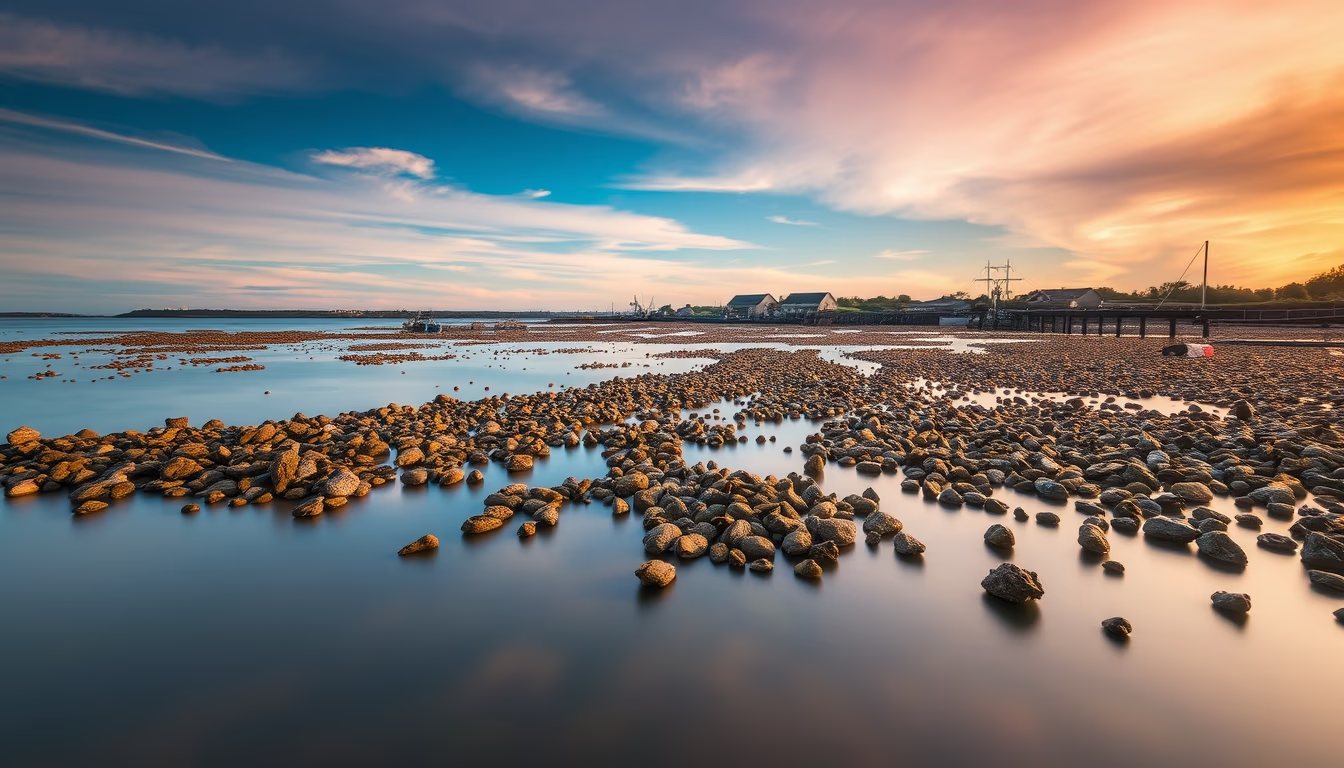
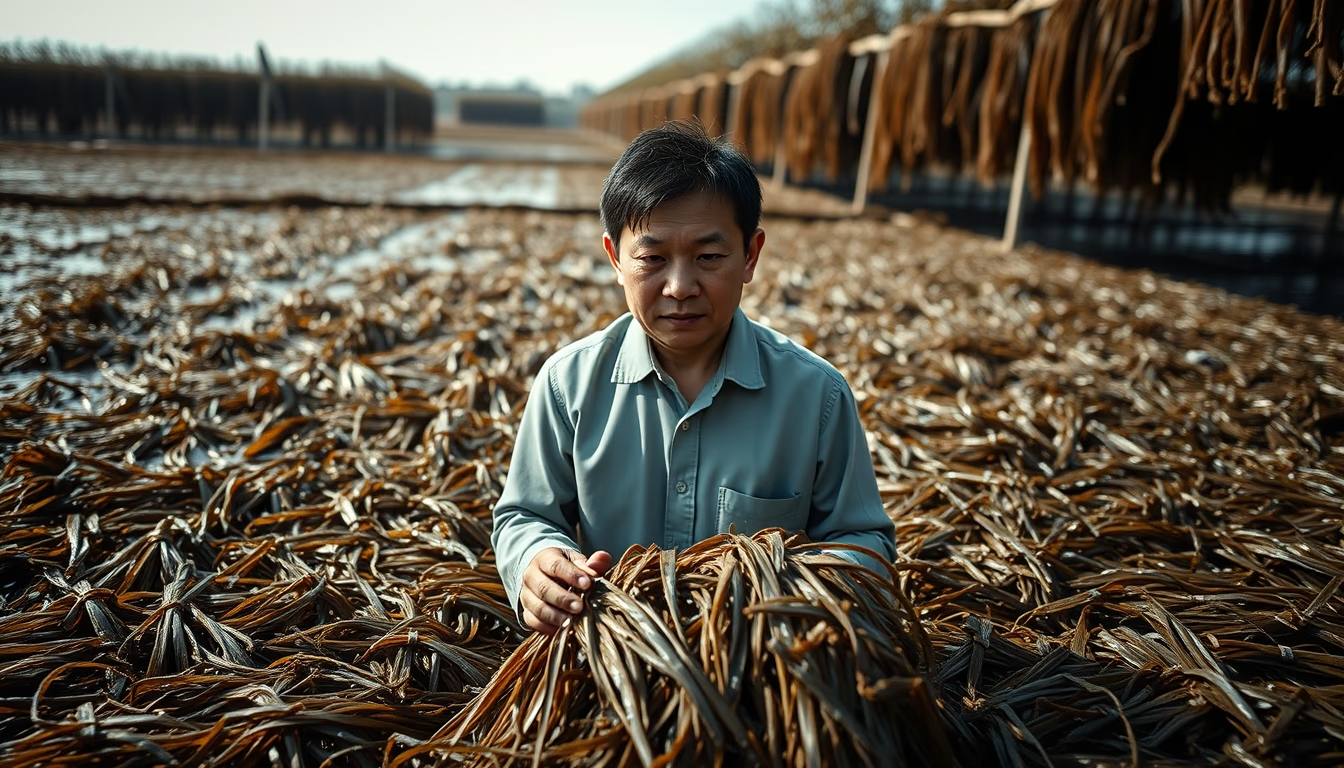
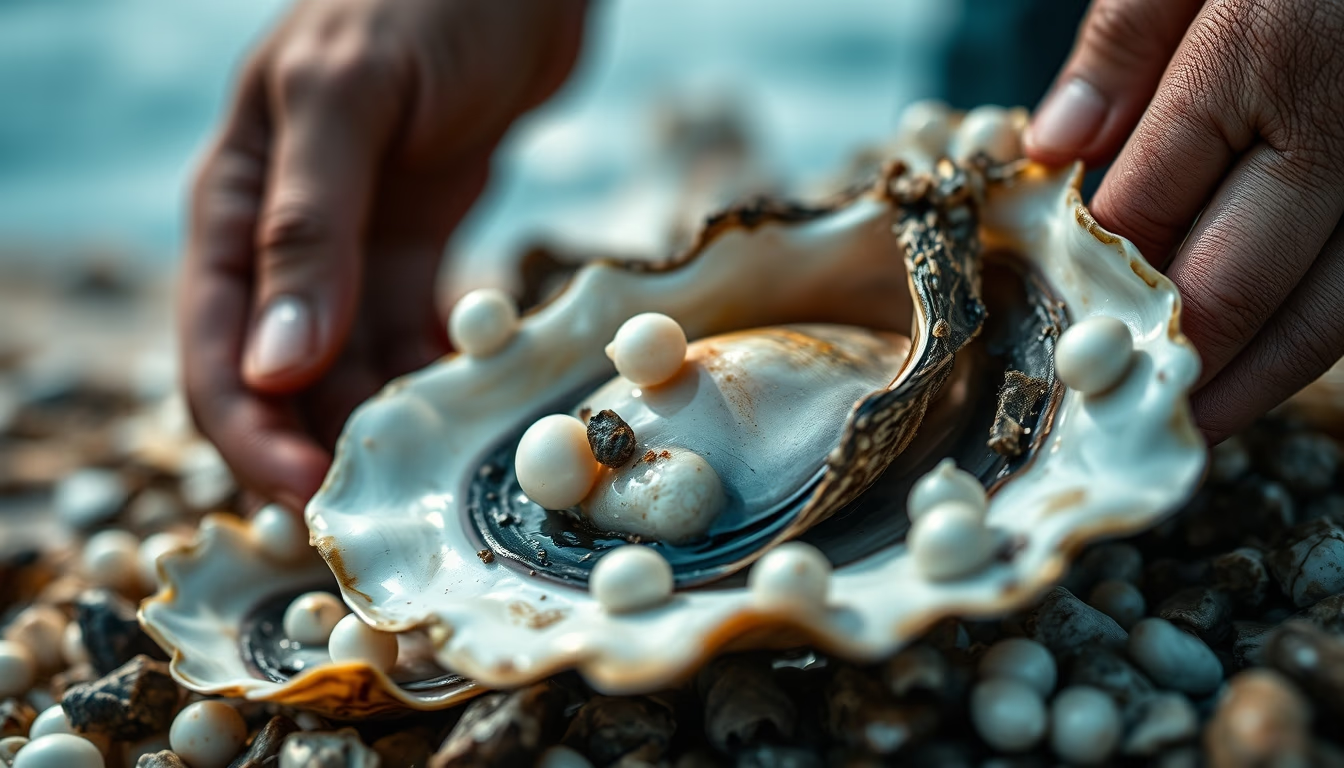
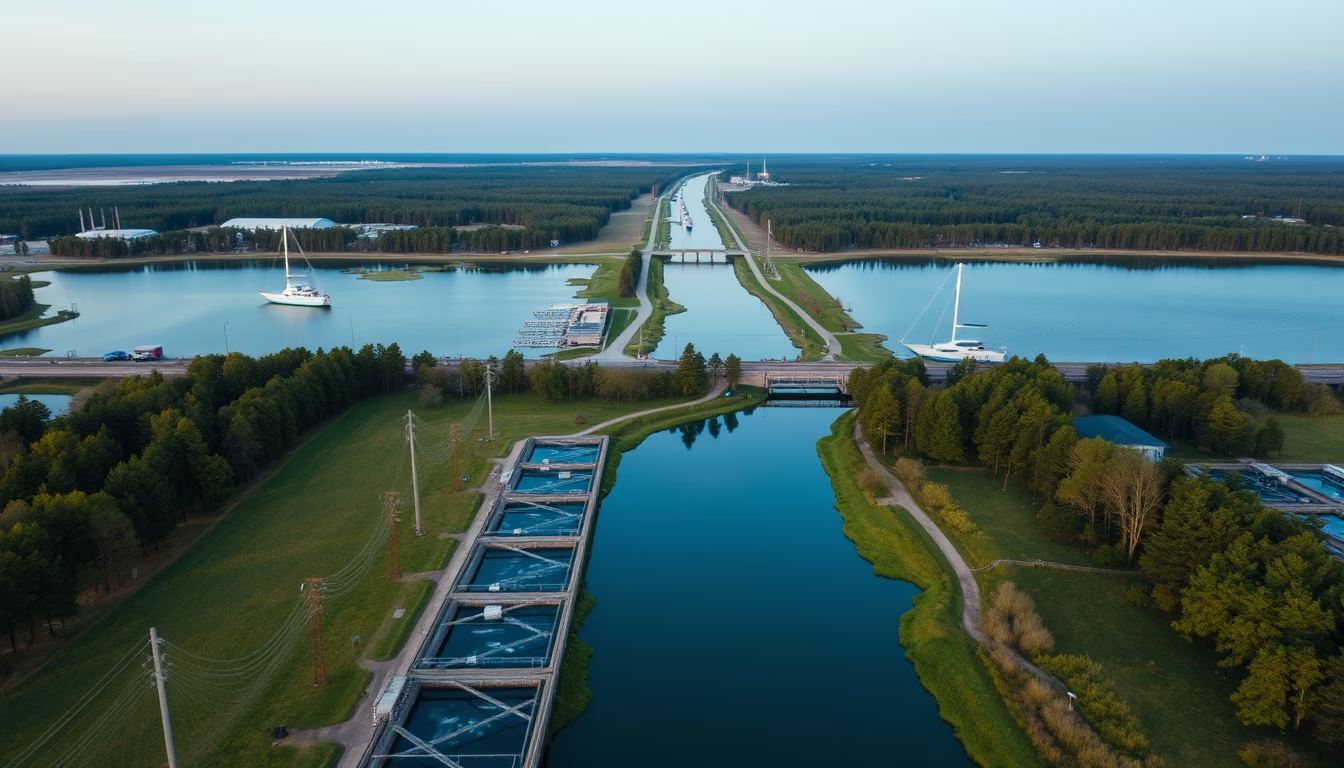
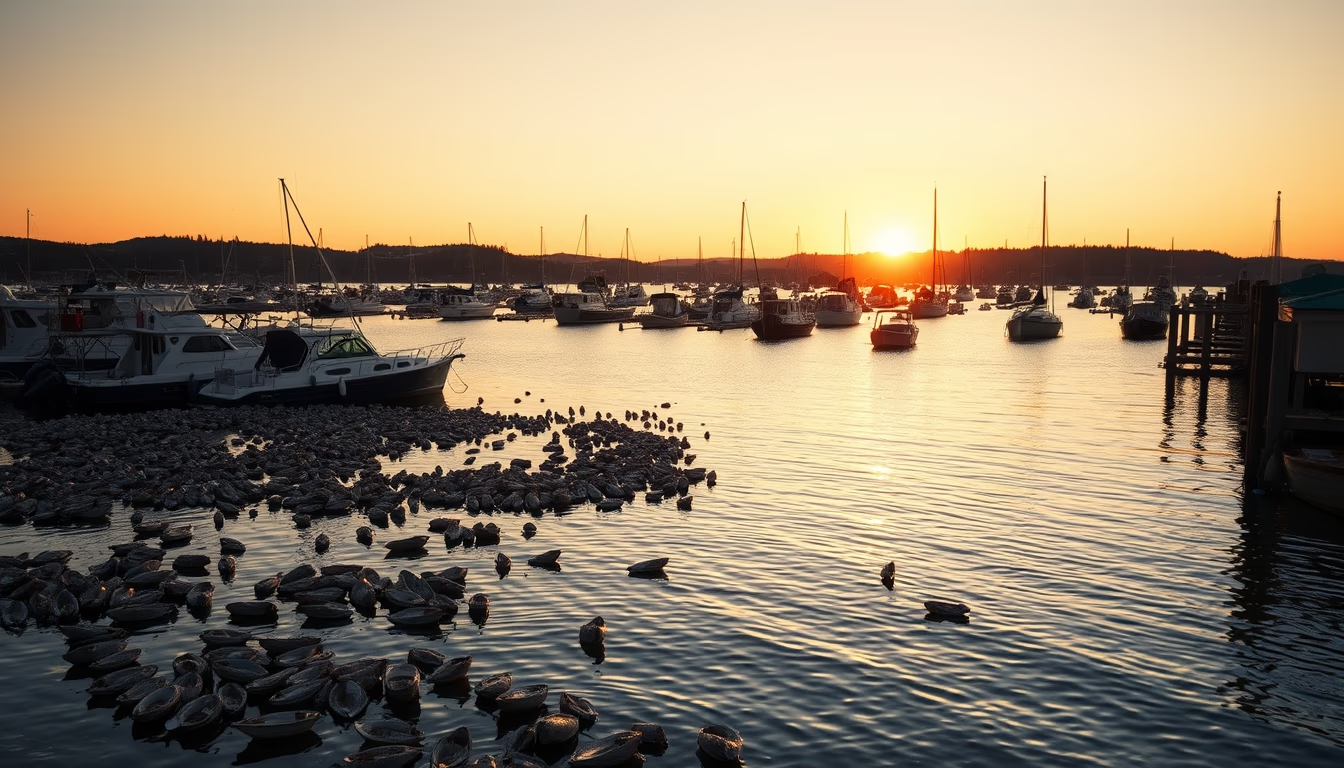
Oyster farming in bays is an ancient practice combining marine sustainability and coastal economy, producing high-quality seafood.
About this subject
Oyster farming in bays is a traditional aquaculture activity dating back to ancient civilizations, such as the Romans, who developed fattening techniques in coastal lagoons. Today, oyster culture is practiced in coastal regions worldwide, with notable producers including France, the United States (especially Chesapeake Bay), Japan, and Brazil (Santa Catarina being the largest national producer). Bays provide protected waters rich in plankton and tidal flows that renew nutrients, creating ideal conditions for oyster growth.
Different cultivation methods exist: long-line systems (submerged cables) and suspended tables are common in calmer waters, while bottom culture is used in areas with stronger currents. In long-line systems, oysters are kept in lantern nets or plastic bags attached to cables, facilitating harvest and protection from predators. Long exposure (the photographic technique inspiring the tag "long-exposure") is not directly related to aquaculture, but the image likely captures a slow shutter speed that smooths wave motion, highlighting the farm structures.
Oyster farming is considered one of the most sustainable forms of animal protein production, as oysters filter water, removing excess nutrients and improving environmental quality. They require no artificial feed, relying solely on natural phytoplankton. In bays, farmers must monitor parameters like salinity, temperature, and the presence of toxins (e.g., those causing red tides) to ensure food safety. Certification of clean waters is essential for the international fresh oyster market.
Fun facts: an oyster can filter up to 190 liters of water per day. Bay cultivation also creates artificial reefs that serve as habitat for fish and crustaceans, boosting local biodiversity. In Brazil, Florianópolis is a reference for oysters, with gastronomic festivals celebrating the product.
Frequently Asked Questions
How are oysters farmed in bays?
Oysters are grown in systems like long-lines (submerged cables with lantern nets) or suspended tables, where they attach to structures that allow water circulation. The method depends on depth, current, and bottom type.
Why is oyster farming considered sustainable?
Because oysters filter water, removing pollutants and excess nutrients, and require no feed, relying solely on natural plankton. Additionally, farming structures create habitats for other marine species.
What are the main challenges in oyster aquaculture?
Challenges include water quality monitoring (salinity, temperature, toxins), controlling predators such as starfish and birds, and disease risks. Certification of contaminant-free areas is essential for marketing.
Direct URL
https://pub-c7d6a6ea828543ac903a74a341ccb2e1.r2.dev/imagens/oyster-farm-bay-long-exposure-fresh12.avifHow to credit
Include a visible link back to UtilizAí. Copy one of the snippets below:
<a href="https://xn--utiliza-eza.com/en/midia/imagens/oyster-farm-bay-long-exposure-fresh12">Oyster farm bay</a> by <a href="https://xn--utiliza-eza.com">UtilizAí</a>, licensed under <a href="https://creativecommons.org/licenses/by/4.0/">CC BY 4.0</a>.
[Oyster farm bay](https://xn--utiliza-eza.com/en/midia/imagens/oyster-farm-bay-long-exposure-fresh12) by [UtilizAí](https://xn--utiliza-eza.com), CC BY 4.0
License: CC-BY-4.0