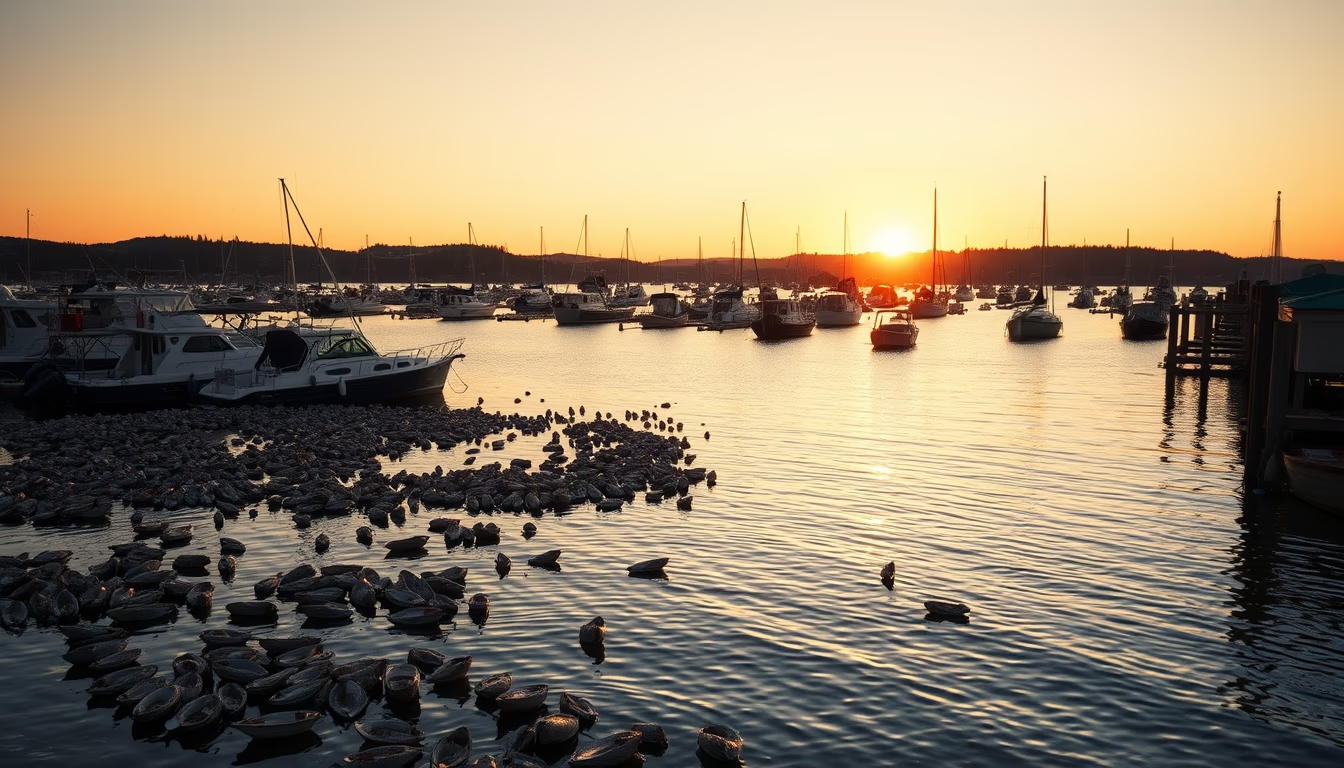
Oyster farm bay
1344×768 · AVIF · CC BY 4.0

Oysters farmed in bays are a significant source of income and food, with techniques varying globally.
About this subject
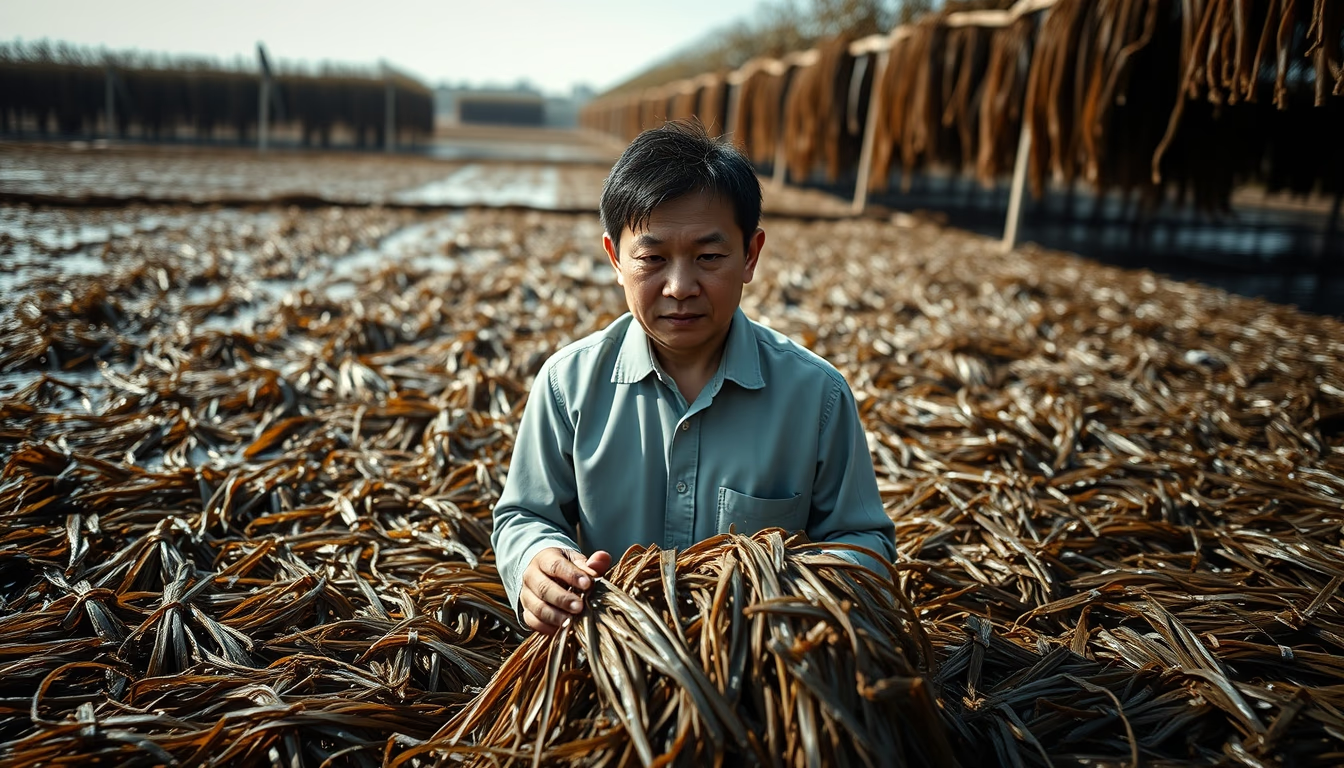
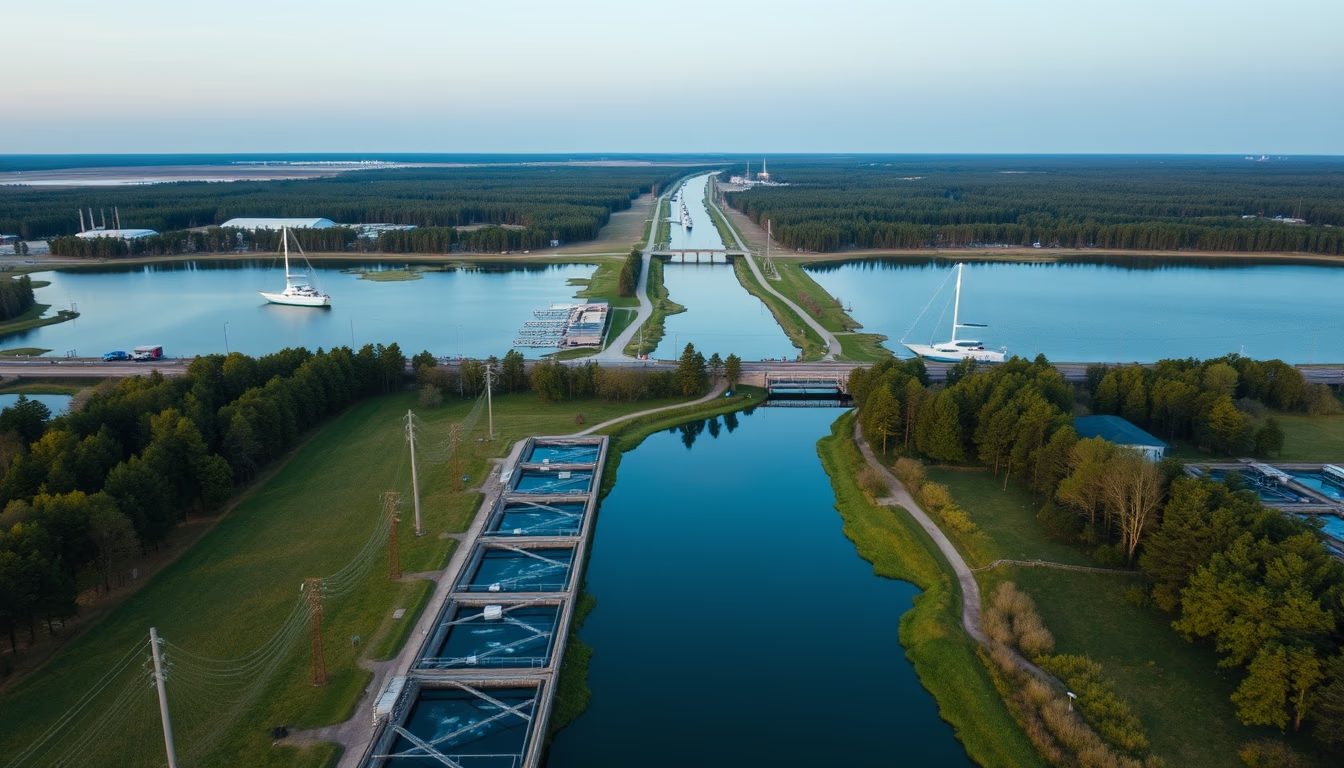
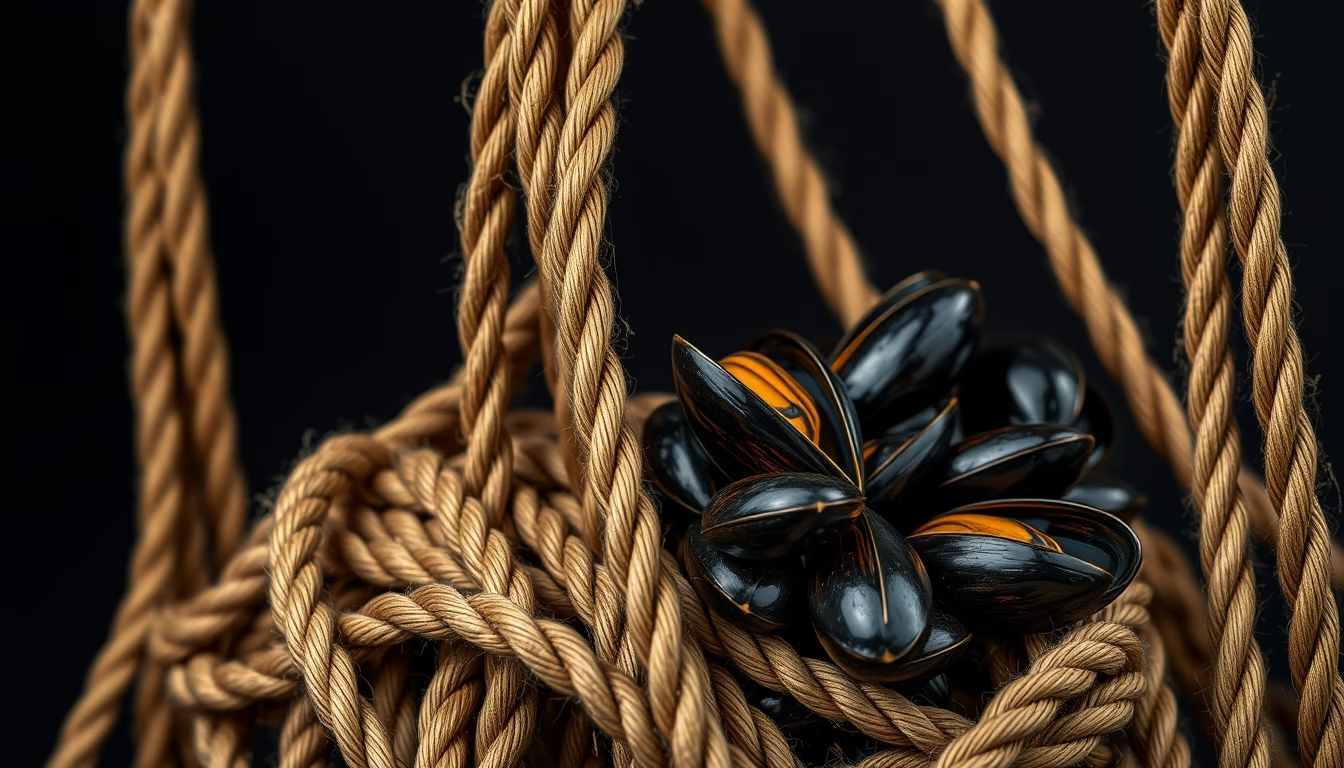
Oyster farming, or oyster aquaculture, dates back to ancient Rome but gained commercial scale in the 19th century. Today, sheltered bays are prime locations for cultivation, providing calm, plankton-rich waters with appropriate salinity. Major producers include France, the United States (especially Chesapeake Bay), Japan, and Brazil (Florianópolis and Guanabara Bay). Techniques range from suspended culture on longlines to bottom culture with predator protection fences. Oysters are bioindicators of water quality, filtering up to 50 gallons per day and removing impurities.
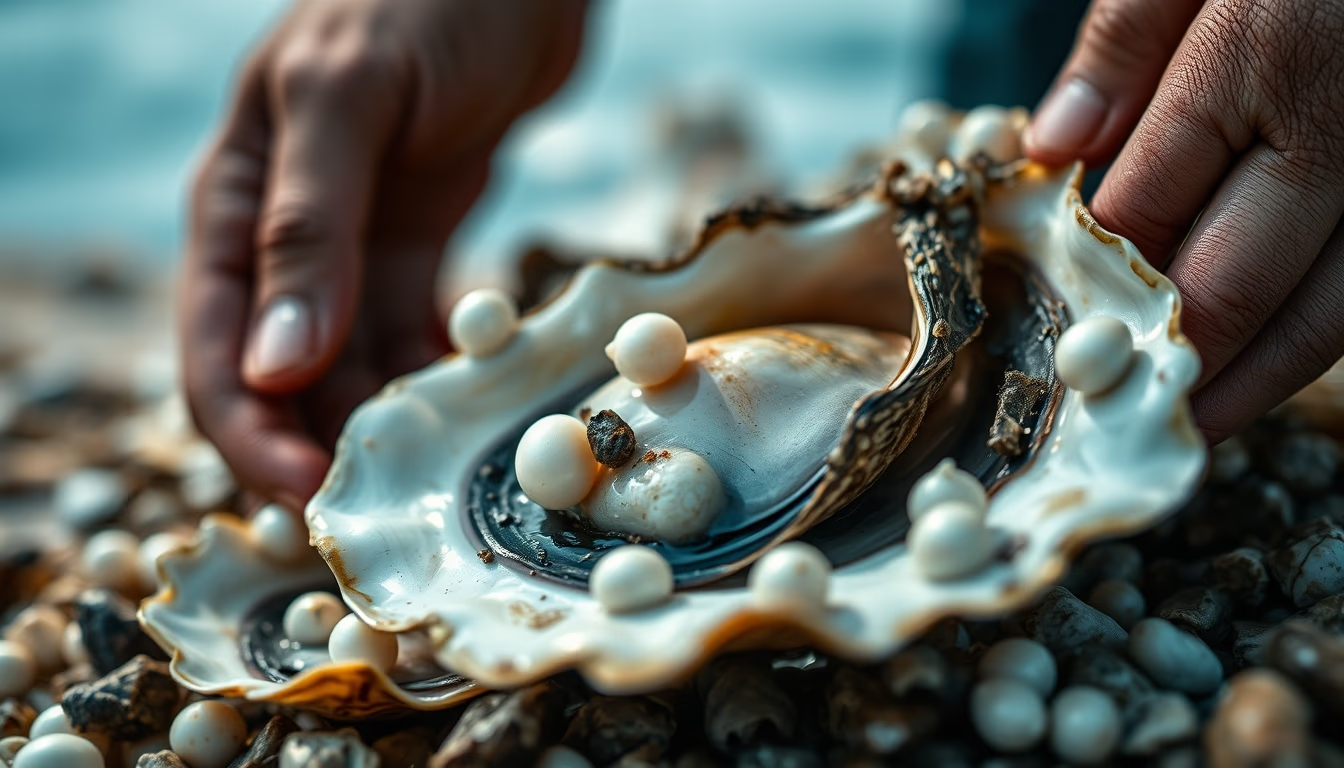
Oyster flavor and texture are influenced by the marine terroir, the combination of salinity, temperature, and nutrients in the bay. Thus, oysters from different regions have unique profiles prized by gourmets. Beyond raw consumption, oysters are used for pearl production (though this is more common with pearl oysters in tropical waters). Sustainable oyster farming also contributes to coastal ecosystem restoration, as oyster reefs provide habitat for fish and shellfish.
In Brazil, oyster farming has grown in recent years, especially in Santa Catarina state, where small producer cooperatives supply local and tourist markets. The most common technique is cultivation on floating tables or longlines, which facilitates harvesting and reduces seabed impact. However, challenges such as pollution and ocean acidification threaten the activity, requiring careful management and constant water quality monitoring.
Frequently Asked Questions
How long does it take for a farmed oyster to be ready for consumption?
It depends on the species and environmental conditions, but typically 18 to 24 months to reach market size.
Are farmed oysters safe to eat raw?
Yes, as long as they come from certified waters and are properly handled. Many farms follow strict sanitary standards to ensure safety.
What is the difference between farmed and wild oysters?
Farmed oysters are raised in a controlled environment, feeding on natural plankton filtered from the water. Wild oysters grow without intervention. Flavor may vary due to terroir, but both are nutritious.
Direct URL
https://pub-c7d6a6ea828543ac903a74a341ccb2e1.r2.dev/imagens/oyster-farm-bay-lo-fi-disposable-camera-fresh10.avifHow to credit
Include a visible link back to UtilizAí. Copy one of the snippets below:
<a href="https://xn--utiliza-eza.com/en/midia/imagens/oyster-farm-bay-lo-fi-disposable-camera-fresh10">Oyster farm bay</a> by <a href="https://xn--utiliza-eza.com">UtilizAí</a>, licensed under <a href="https://creativecommons.org/licenses/by/4.0/">CC BY 4.0</a>.
[Oyster farm bay](https://xn--utiliza-eza.com/en/midia/imagens/oyster-farm-bay-lo-fi-disposable-camera-fresh10) by [UtilizAí](https://xn--utiliza-eza.com), CC BY 4.0
License: CC-BY-4.0