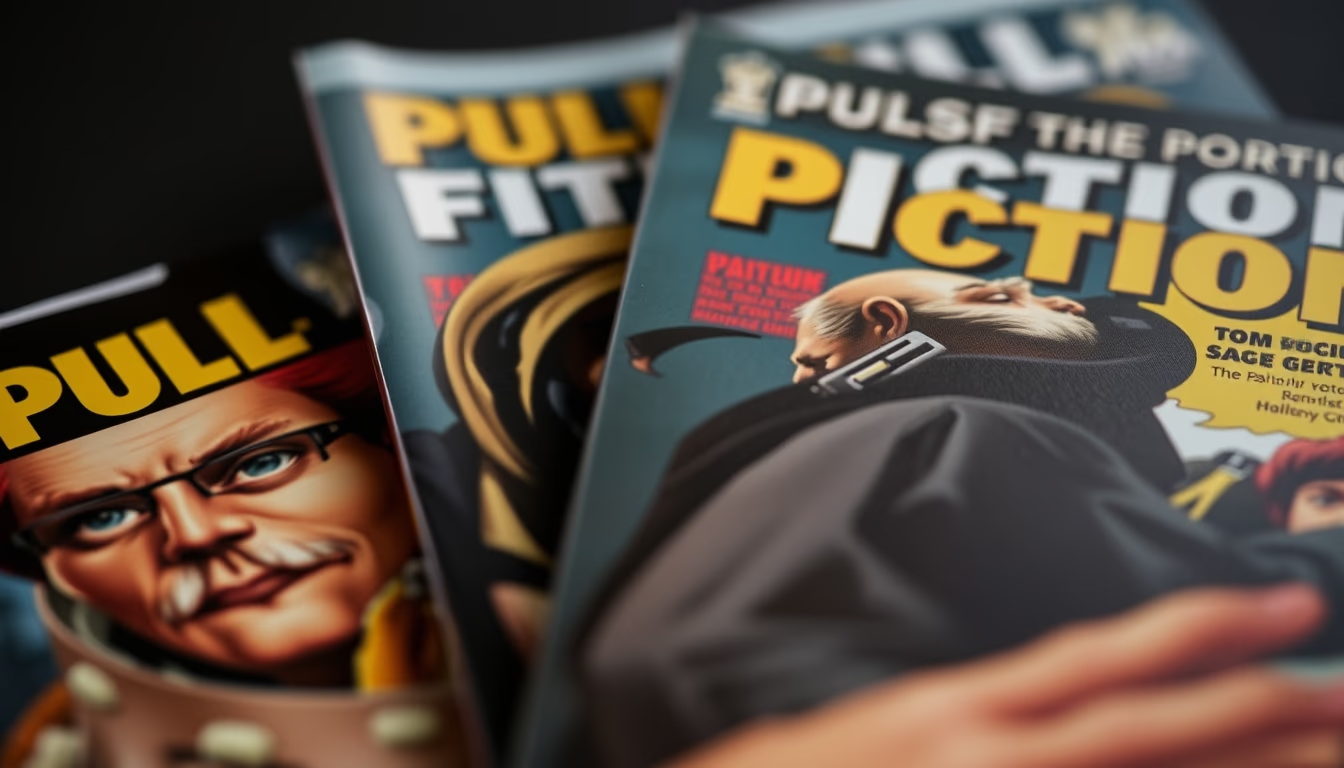
National magazine 1920s cover
1344×768 · AVIF · CC BY 4.0
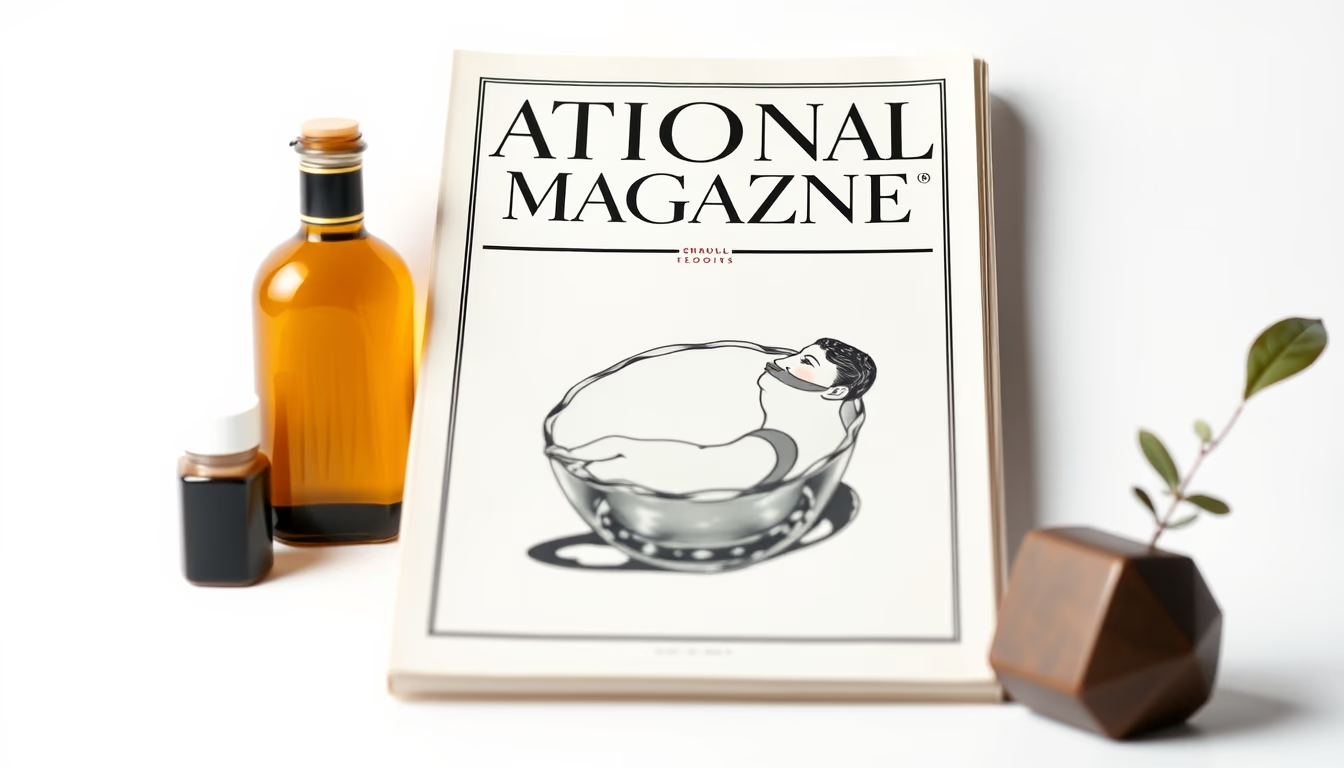
National magazine covers in the 1920s marked the golden age of illustrated journalism, blending art and consumerism.
About this subject
In the 1920s, national magazines reached the peak of their cultural influence. Publications such as The Saturday Evening Post, National Geographic, and Brazilian magazines like O Cruzeiro and Fon-Fon competed for readers with striking covers. The decade witnessed a shift from realistic drawing to Art Deco, with illustrators like Norman Rockwell and J.C. Leyendecker creating images that defined the era's aesthetic.
Covers reflected deep social changes. Women with bobbed hair and straight dresses, cars, telephones, and skyscrapers symbolized modernism. At the same time, cartoonists and photographers explored political and sports themes, such as women's suffrage and the dawn of commercial aviation. Color palettes became more vibrant thanks to advances in offset printing.
The economic importance of covers was immense. A catchy image could boost sales by up to 30%. Editors invested in renowned artists and elaborate photo sessions, often featuring famous models or silent film stars. Each cover was a product designed to catch the eye at newsstands, competing with dozens of other publications.
Today, these covers are valuable for collectors and historians. They document not only the evolution of graphic design but also the values, habits, and aspirations of 1920s society, functioning as a visual time capsule.
Frequently Asked Questions
Which national magazines were most popular in the 1920s?
In the United States, top titles included The Saturday Evening Post, National Geographic, and Collier's. In Brazil, magazines such as O Cruzeiro, Fon-Fon, and Revista da Semana had large circulations, with covers illustrated by artists like Raul Pederneiras.
What printing techniques were used on 1920s covers?
Most used offset printing, which allowed vibrant colors and larger runs. Some luxury magazines employed chromolithography or photogravure. The paper was thicker than today's, and covers often received a varnish for extra sheen.
Why are 1920s magazine covers considered works of art?
Illustrators like Norman Rockwell, J.C. Leyendecker, and Alphonse Mucha treated each cover as a painting. Compositions were carefully balanced, with expressive use of color and symbolism, reflecting contemporary art movements such as Art Nouveau and Art Deco.
Direct URL
https://pub-c7d6a6ea828543ac903a74a341ccb2e1.r2.dev/imagens/national-magazine-1920s-cover-commercial-product-photography-fresh7.avifHow to credit
Include a visible link back to UtilizAí. Copy one of the snippets below:
<a href="https://xn--utiliza-eza.com/en/midia/imagens/national-magazine-1920s-cover-commercial-product-photography-fresh7">National magazine 1920s cover</a> by <a href="https://xn--utiliza-eza.com">UtilizAí</a>, licensed under <a href="https://creativecommons.org/licenses/by/4.0/">CC BY 4.0</a>.
[National magazine 1920s cover](https://xn--utiliza-eza.com/en/midia/imagens/national-magazine-1920s-cover-commercial-product-photography-fresh7) by [UtilizAí](https://xn--utiliza-eza.com), CC BY 4.0
License: CC-BY-4.0