Mussel ropes ocean
1344×768 · AVIF · CC BY 4.0
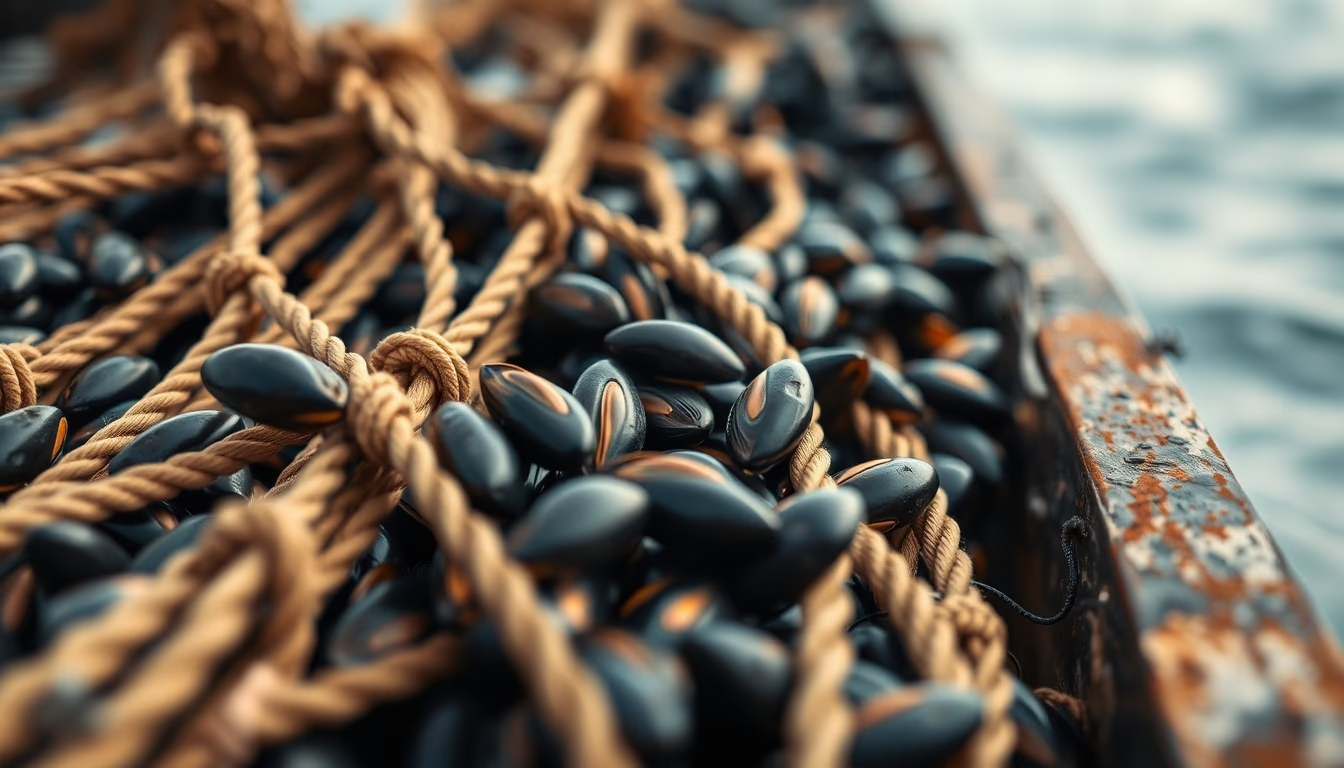
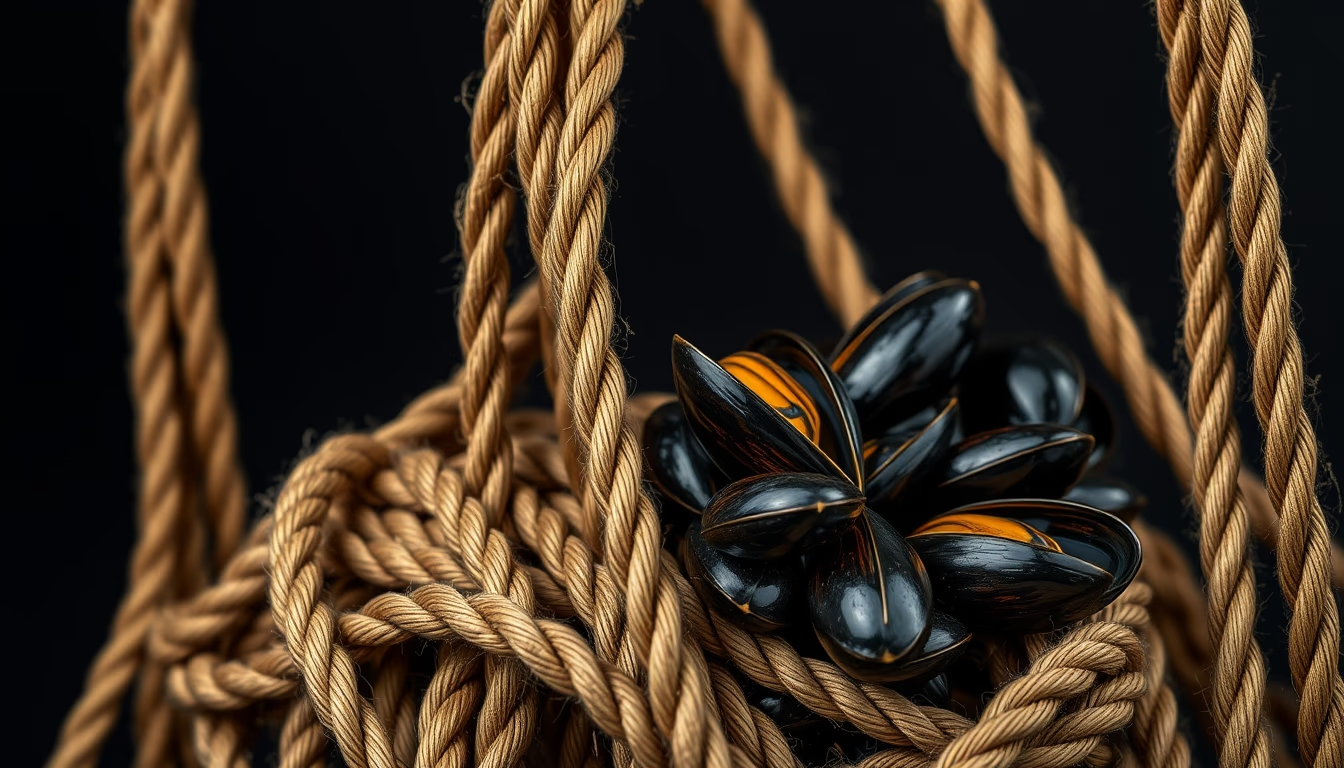
Mussel ropes in the ocean are suspended structures that support large-scale mollusk growth, a common technique in global aquaculture.
About this subject
Mussel ropes, also known as long-lines, are one of the main mussel farming systems worldwide. They consist of long floating lines anchored to the seafloor, from which vertical ropes hang where mussels attach and grow. This method is widely used in countries such as Spain (especially the Rías Baixas in Galicia), Chile (Los Lagos region), New Zealand (Marlborough Sounds), and Canada. The technique leverages the water column to maximize production without occupying seafloor space, reducing impacts on benthic ecosystems.
Mussels are natural filter feeders that consume phytoplankton and suspended organic matter, contributing to water clarification and nutrient cycling. For this reason, mussel farming is considered low-impact aquaculture, with a low carbon footprint and no need for artificial feed. One hectare of ropes can produce 20 to 40 tons of mussels per year, depending on local conditions.
Installing ropes requires technical care: seeds (juveniles) are collected from natural spat collectors or hatcheries and placed inside nylon stockings wrapped around the ropes. During growth, which takes 12 to 18 months, the ropes need periodic inspection to remove biofouling and ensure good water flow. Harvests are carried out using specialized vessels that haul the ropes and sort mussels by size.
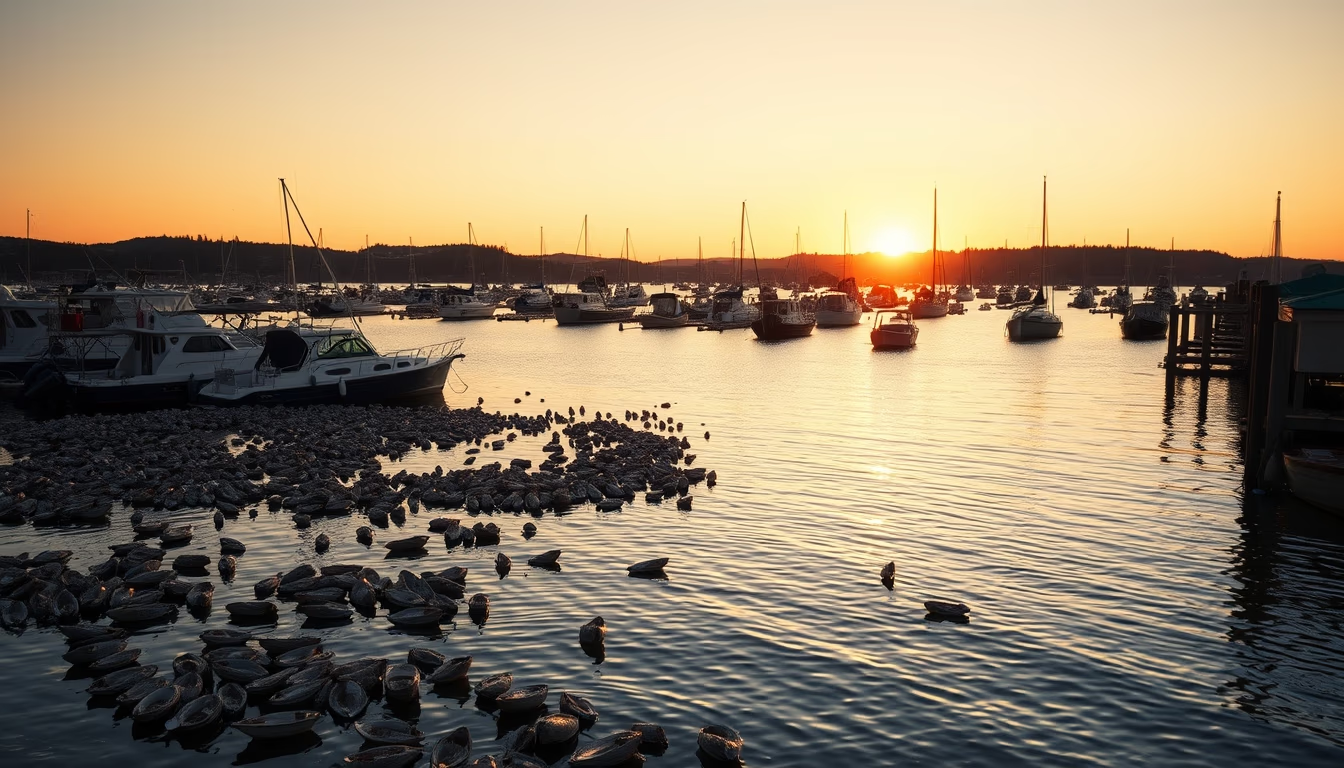
An interesting fact is that rope culture was developed in Europe in the 20th century and now accounts for a large share of global mussel production, which exceeds 2 million tons annually. In Brazil, mussel farming is still incipient, with emphasis on Santa Catarina, where ropes are used in sheltered bays. The tilt-shift-miniature effect in the image may give a toy-like perspective, but the actual system is robust and essential for coastal food security.
Frequently Asked Questions
How do mussel ropes work in the ocean?
The ropes are suspended from floating anchored lines. Mussels attach and grow, feeding on plankton. This system allows high-density farming without occupying the seafloor.
Which countries use this cultivation system most?
Spain, Chile, New Zealand, and Canada are the top producers. Each adapts techniques to local conditions such as currents and water temperature.
Is rope mussel farming sustainable?
Yes, because mussels naturally filter water, require no feed, and have low carbon emissions. The farming does not clear mangroves or destroy sensitive ecosystems.
Direct URL
https://pub-c7d6a6ea828543ac903a74a341ccb2e1.r2.dev/imagens/mussel-ropes-ocean-tilt-shift-miniature-fresh14.avifHow to credit
Include a visible link back to UtilizAí. Copy one of the snippets below:
<a href="https://xn--utiliza-eza.com/en/midia/imagens/mussel-ropes-ocean-tilt-shift-miniature-fresh14">Mussel ropes ocean</a> by <a href="https://xn--utiliza-eza.com">UtilizAí</a>, licensed under <a href="https://creativecommons.org/licenses/by/4.0/">CC BY 4.0</a>.
[Mussel ropes ocean](https://xn--utiliza-eza.com/en/midia/imagens/mussel-ropes-ocean-tilt-shift-miniature-fresh14) by [UtilizAí](https://xn--utiliza-eza.com), CC BY 4.0
License: CC-BY-4.0