Mussel ropes ocean
1344×768 · AVIF · CC BY 4.0
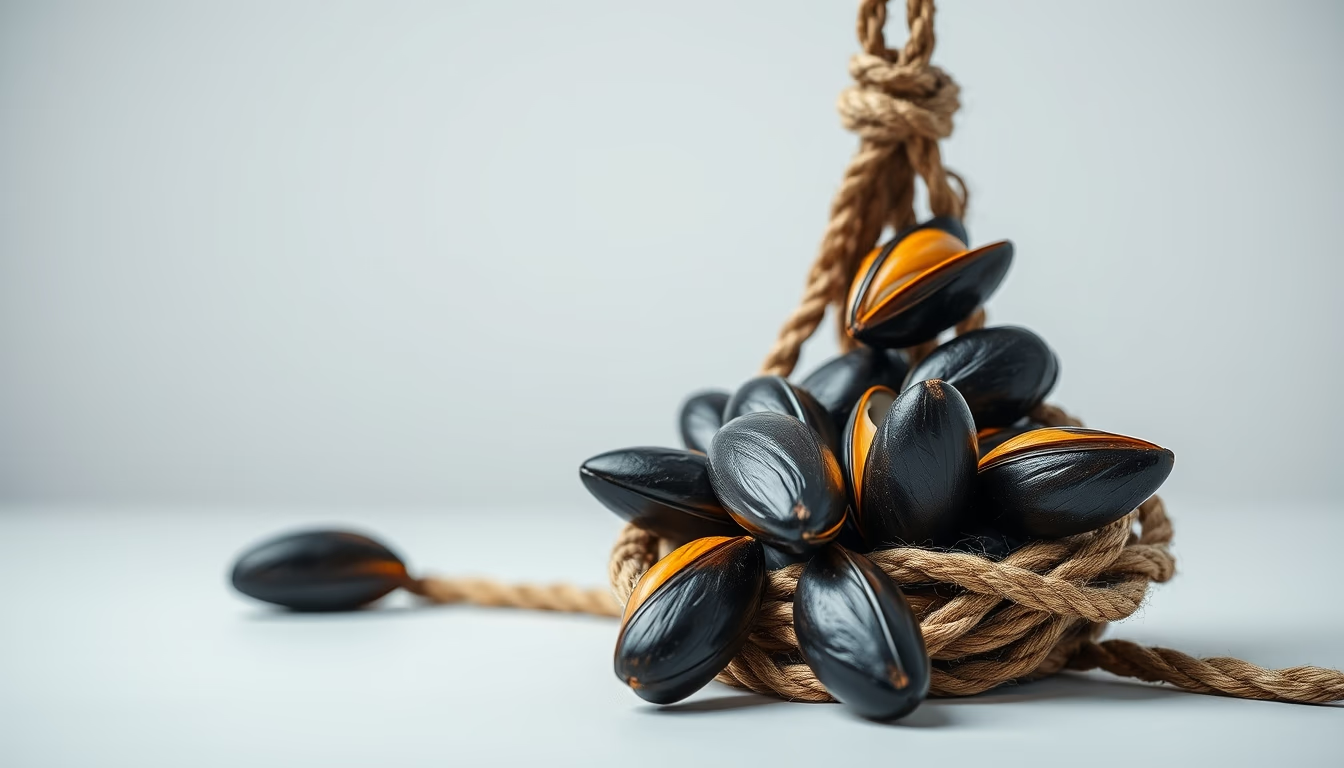
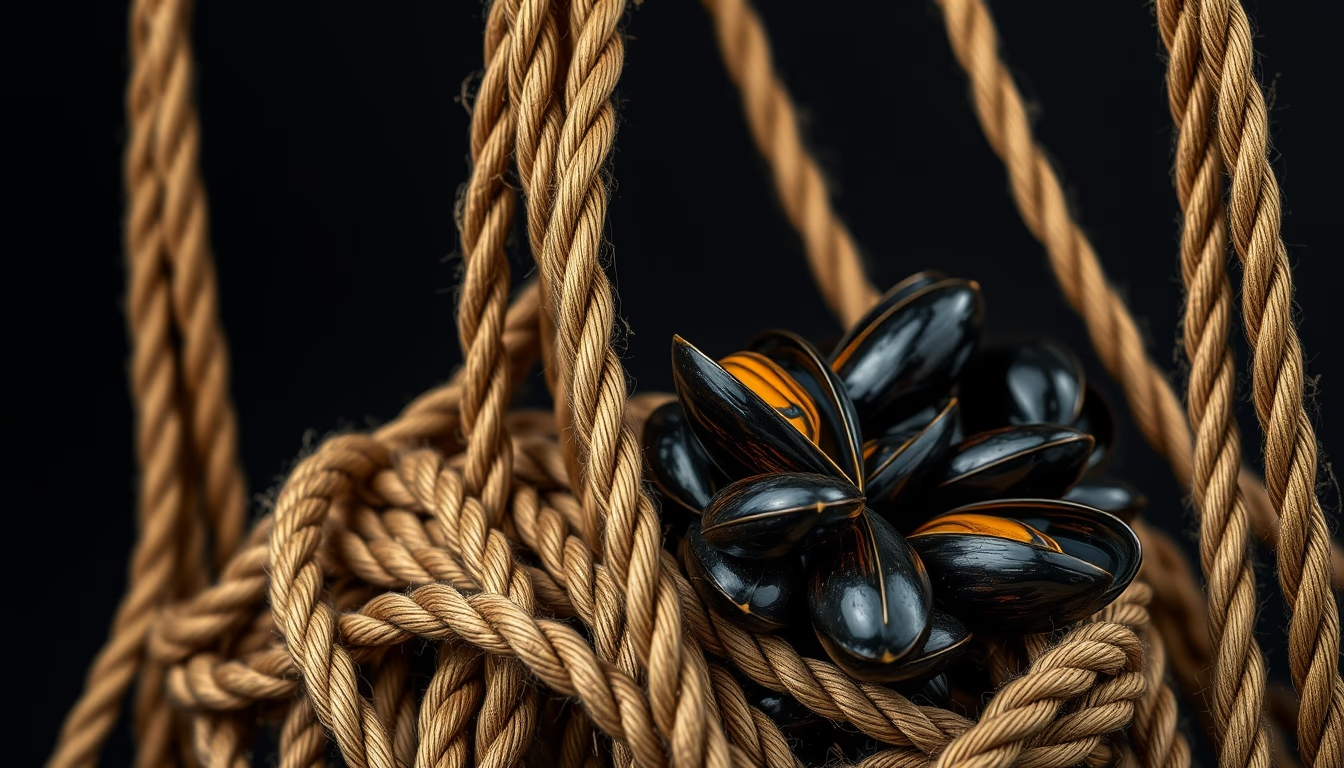
Mussel ropes in the ocean are essential structures in mariculture, enabling suspended cultivation of these bivalves.
About this subject
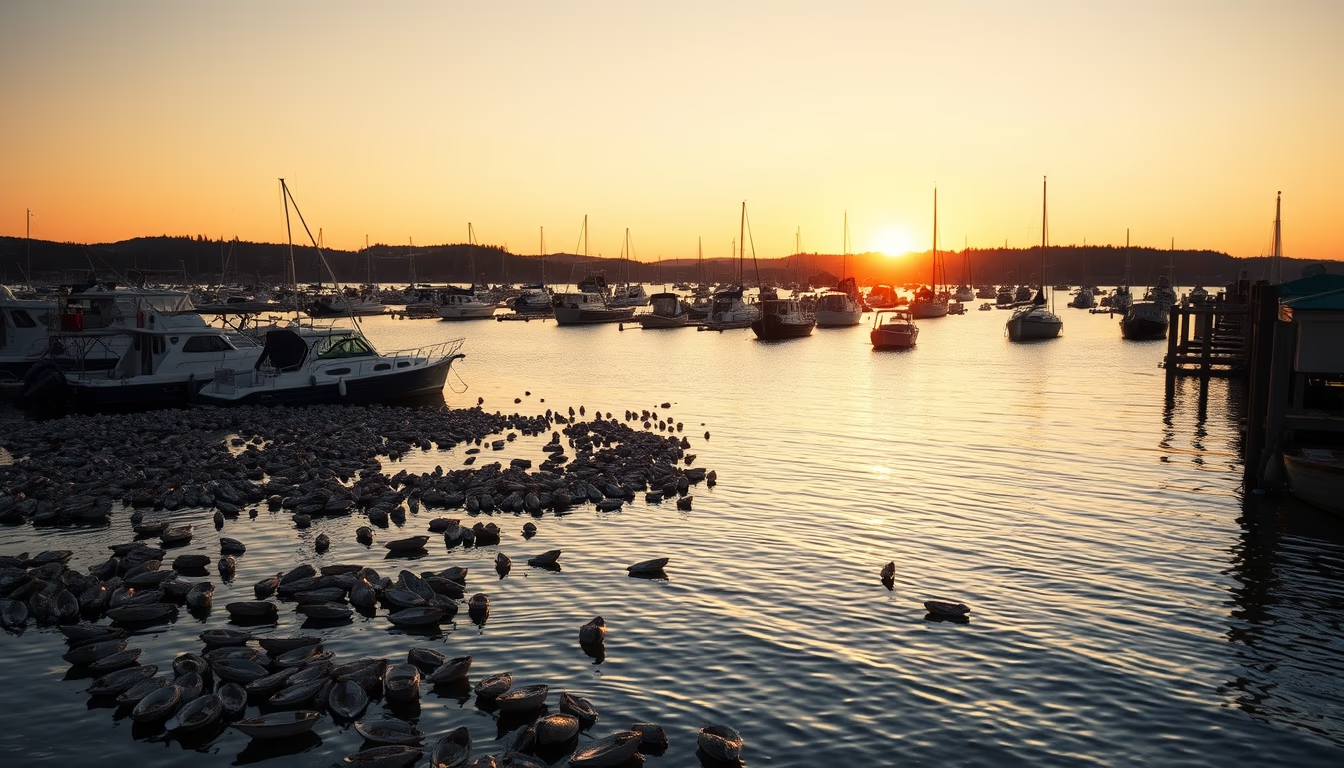
Mussel ropes are a primary method for cultivating mussels in marine environments. These ropes, made of polypropylene or other synthetic materials, are suspended horizontally or vertically from floating structures such as rafts or long-lines. Mussel seeds (juveniles) are attached to the ropes, where they grow by adhering with byssal threads. This suspended cultivation system allows high organism density, optimizing ocean space and simplifying harvest.
Global mussel production exceeds 2 million tons annually, with leading countries including China, Chile, and Spain. Rope cultivation is predominant in cold, nutrient-rich waters such as the Chilean coast and Norwegian fjords. The growth cycle ranges from 12 to 24 months, depending on temperature and food availability. During this period, ropes are periodically inspected for biofouling and density control.
Beyond economic value, mussel farming (miticulture) offers environmental benefits: mussels are filter feeders, removing phytoplankton and suspended particles, thus improving water quality. They also serve as bioindicators of pollution. In Brazil, production is concentrated in Santa Catarina, responsible for about 95% of national cultivation, especially around Florianópolis. Mussel ropes represent a simple yet effective technology for sustainable marine protein production.
Frequently Asked Questions
How do mussels attach to cultivation ropes?
Mussels produce protein filaments called byssus, which firmly adhere to the rope fibers. In the seed phase, they are wrapped in a biodegradable net that dissolves, leaving them naturally attached.
What is the average productivity of mussel rope cultivation?
Productivity varies from 10 to 30 tons per hectare per year, depending on region and management. In ideal areas like Chile, it can reach 40 tons per hectare.
What are the main challenges in mussel rope farming?
Challenges include biofouling (accumulation of unwanted organisms), predation by starfish and birds, and storms that can damage floating structures.
Direct URL
https://pub-c7d6a6ea828543ac903a74a341ccb2e1.r2.dev/imagens/mussel-ropes-ocean-studio-still-life-fresh10.avifHow to credit
Include a visible link back to UtilizAí. Copy one of the snippets below:
<a href="https://xn--utiliza-eza.com/en/midia/imagens/mussel-ropes-ocean-studio-still-life-fresh10">Mussel ropes ocean</a> by <a href="https://xn--utiliza-eza.com">UtilizAí</a>, licensed under <a href="https://creativecommons.org/licenses/by/4.0/">CC BY 4.0</a>.
[Mussel ropes ocean](https://xn--utiliza-eza.com/en/midia/imagens/mussel-ropes-ocean-studio-still-life-fresh10) by [UtilizAí](https://xn--utiliza-eza.com), CC BY 4.0
License: CC-BY-4.0