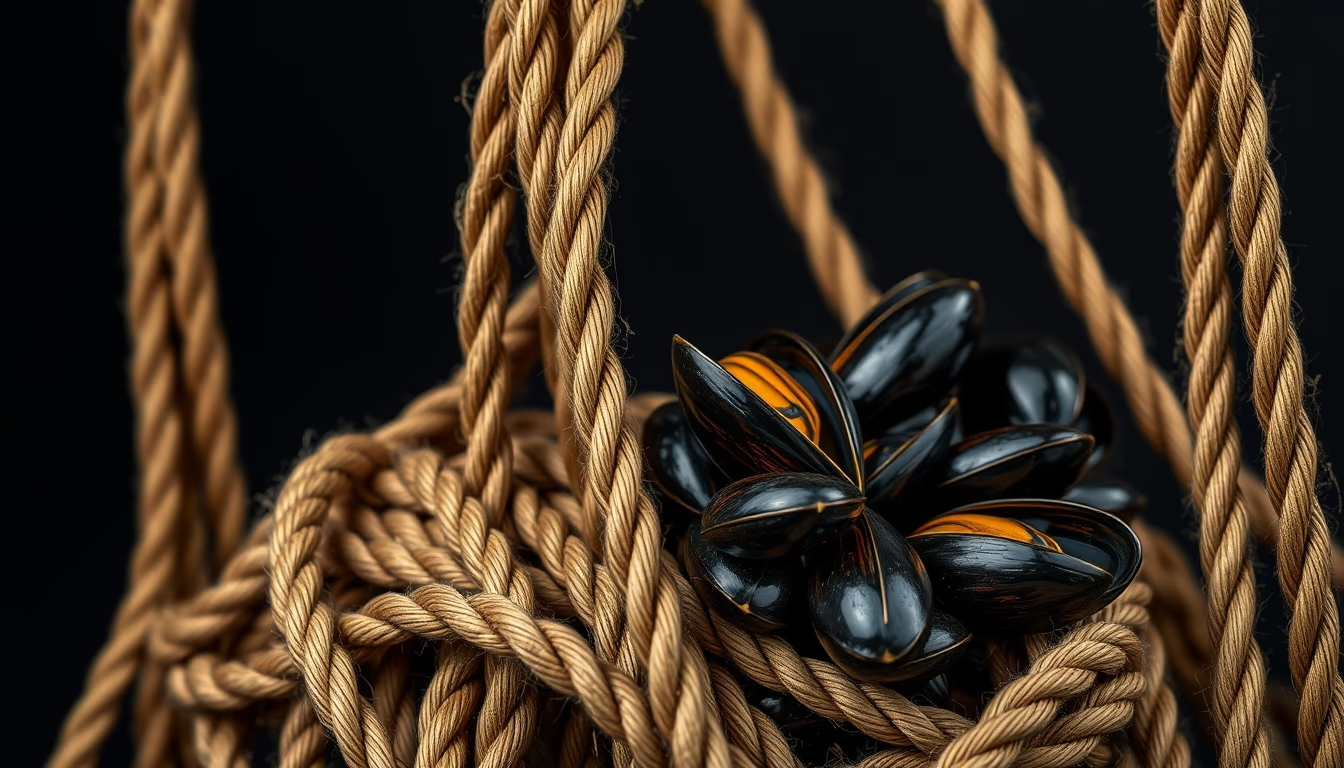
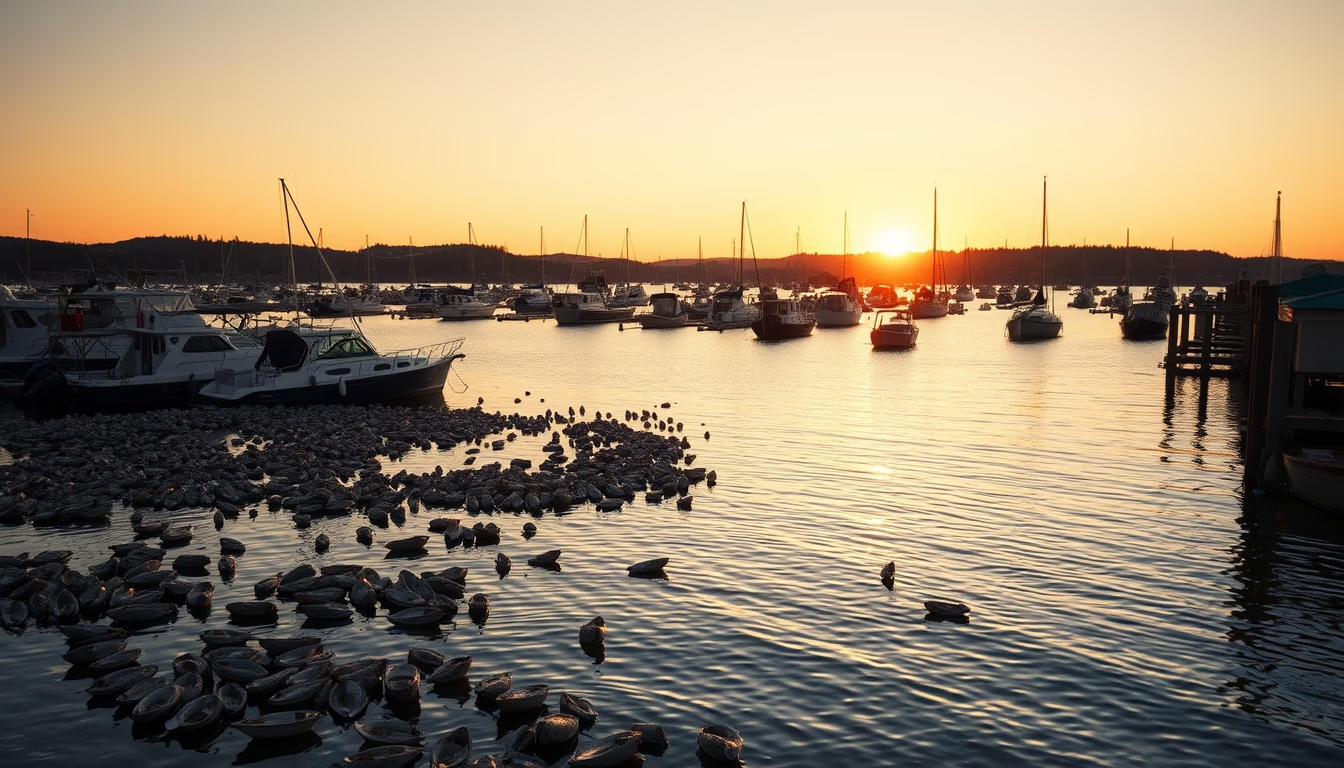
Mussel ropes ocean
1344×768 · AVIF · CC BY 4.0
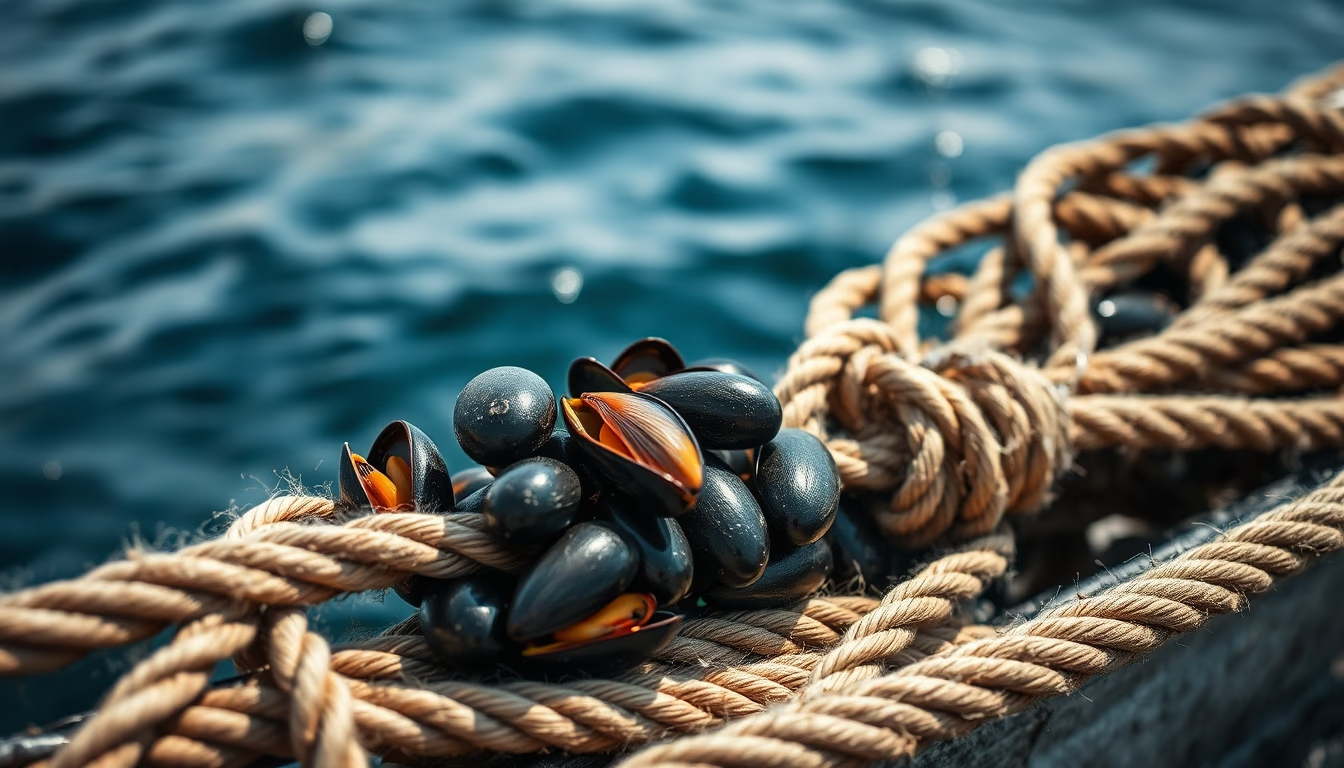
Mussel ropes in the ocean: mussel farming on longlines is a sustainable mariculture technique with low environmental impact.
About this subject
Mussel farming on ropes (longlines) is a well-established practice in many coastal regions. In Brazil, it is prominent in Santa Catarina, especially around Florianópolis, which accounts for most of the national production. The ropes are suspended from floating structures, and mussels attach naturally or are seeded. The growth cycle lasts 6 to 9 months until harvest. This method avoids dredging the seafloor, reducing impact on benthic ecosystems.
Commonly cultivated species include the brown mussel (Perna perna) in Brazil, while Mytilus edulis and Mytilus galloprovincialis dominate in Europe and Chile. Mussels are efficient filter feeders: each individual can filter up to 5 liters of water per hour, removing phytoplankton and nutrients, improving water clarity and helping to control eutrophication. Additionally, the cultivation structures create habitats for fish and crustaceans, enhancing local biodiversity.
Despite the benefits, the sector faces challenges such as biofouling by competing organisms, storm damage to structures, and harmful algal blooms that can render mussels toxic. Economically, global mussel production exceeds 2 million tons annually, led by China, Chile, and Spain. The activity generates coastal employment and has low initial costs compared to other aquaculture forms, being a sustainable alternative as it requires no feed and has a low carbon footprint.
Frequently Asked Questions
How does mussel rope farming work?
Ropes are suspended from floating structures in the ocean. Mussels attach naturally or are seeded and grow to market size in 6 to 9 months.
What are the environmental benefits of this technique?
Mussels filter water, removing particles and nutrients, improving water quality. They also require no feed, reducing pressure on fish stocks.
Where is mussel rope farming most common?
Globally, it is common in Chile, Spain, China, and in Brazil, mainly in Santa Catarina, such as Florianópolis.
Direct URL
https://pub-c7d6a6ea828543ac903a74a341ccb2e1.r2.dev/imagens/mussel-ropes-ocean-magazine-editorial-fresh3.avifHow to credit
Include a visible link back to UtilizAí. Copy one of the snippets below:
<a href="https://xn--utiliza-eza.com/en/midia/imagens/mussel-ropes-ocean-magazine-editorial-fresh3">Mussel ropes ocean</a> by <a href="https://xn--utiliza-eza.com">UtilizAí</a>, licensed under <a href="https://creativecommons.org/licenses/by/4.0/">CC BY 4.0</a>.
[Mussel ropes ocean](https://xn--utiliza-eza.com/en/midia/imagens/mussel-ropes-ocean-magazine-editorial-fresh3) by [UtilizAí](https://xn--utiliza-eza.com), CC BY 4.0
License: CC-BY-4.0