Mussel ropes ocean
1344×768 · AVIF · CC BY 4.0
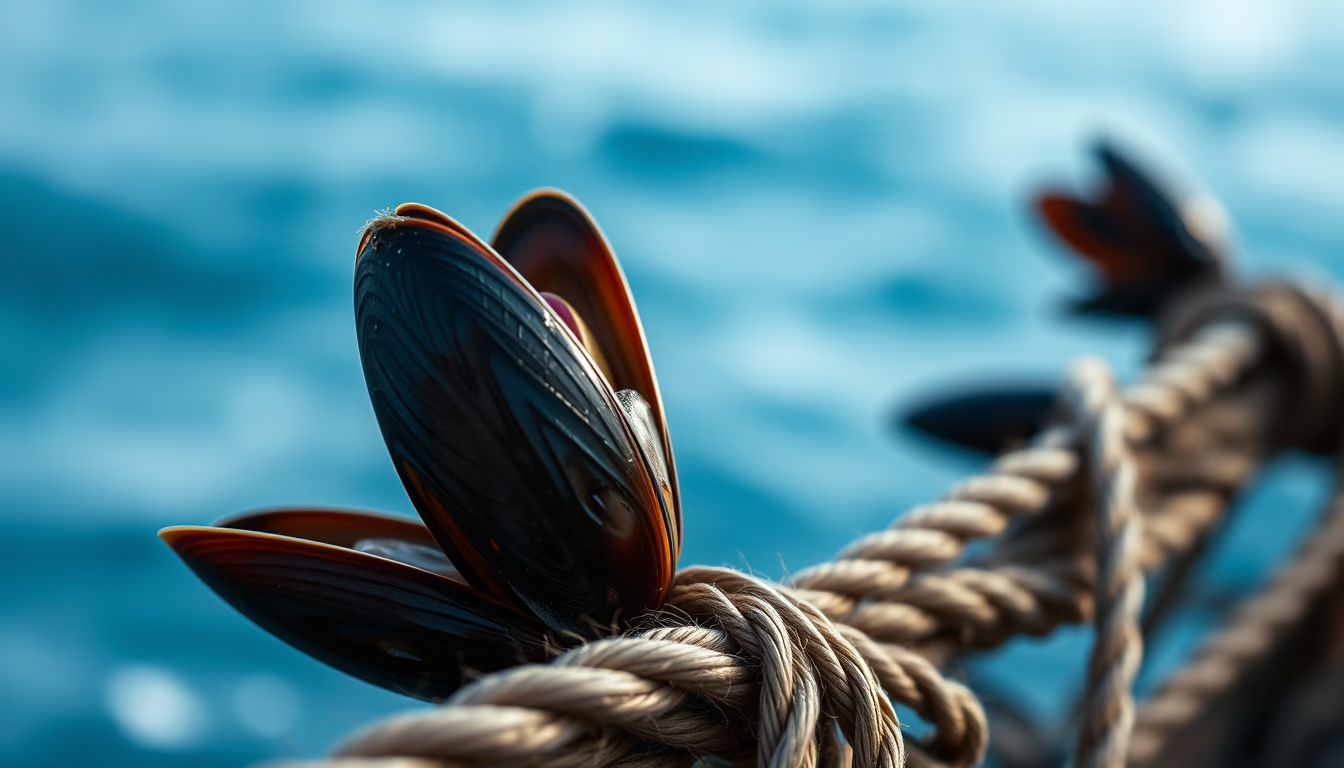
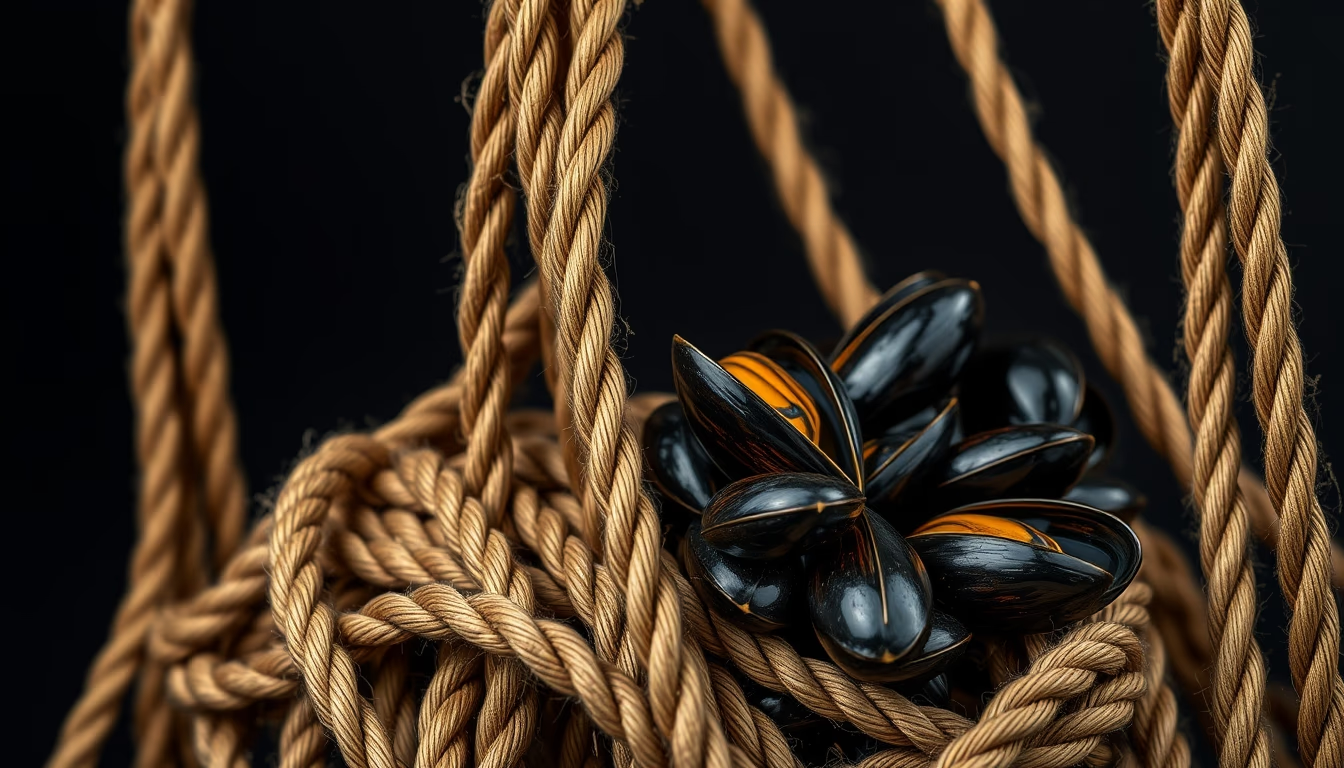
Mussel ropes are suspended cultivation structures in the ocean, used in aquaculture to produce mussels sustainably.
About this subject
Mussel ropes, also known as long-lines or suspended ropes, are a primary system in marine aquaculture. These structures consist of cables or ropes fixed to floats, kept submerged in the water column. Mussels, filter-feeding organisms, naturally attach to the ropes using their byssal threads, forming clusters that grow to harvest size, typically within 6 to 18 months depending on species and local conditions.
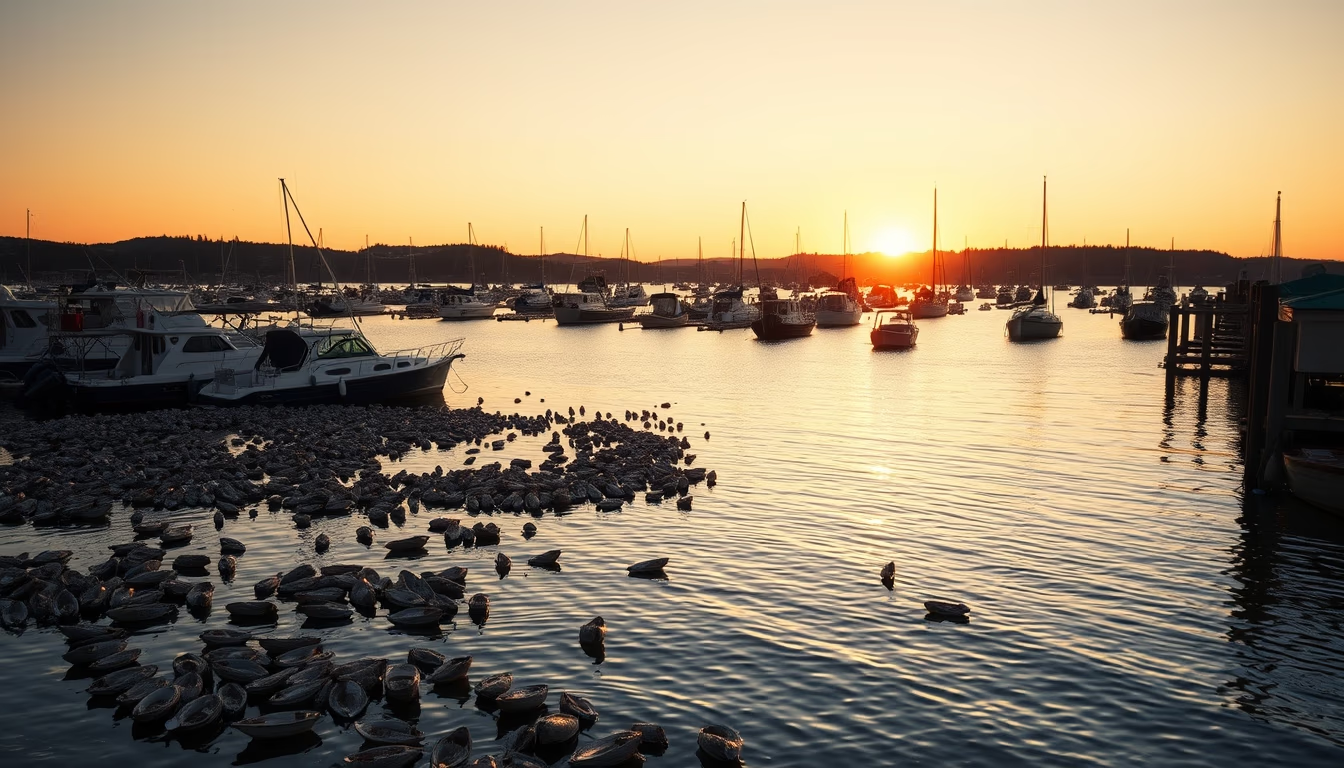
This cultivation method is widely used globally, with prominent countries including Spain (Galicia), Chile, New Zealand, and Brazil, especially along the coast of Santa Catarina. The Santa Catarina region accounts for over 90% of Brazil's mussel production, employing thousands of families in coastal communities. Long-lines allow high stocking density without occupying the seafloor, reducing impacts on benthic habitats and avoiding predation by starfish and crabs.
From an environmental perspective, mussel farming (mitiliculture) is considered a low-impact activity. Mussels filter large volumes of water, removing phytoplankton and suspended particles, which can improve water quality in eutrophic areas. Unlike intensive shrimp or fish farming, no feed or antibiotics are used, as mussels feed exclusively on natural plankton. This makes the product inherently organic, though certification depends on local regulations.
Economically, mussel ropes offer high productivity per area: a single 100-meter long-line can produce up to 2 tons of mussels per cycle. Maintenance is relatively simple, involving periodic inspections to prevent excessive biofouling or damage from storms. Harvesting is carried out by specialized boats that retrieve the ropes and separate the mussels, which are then processed and packaged for fresh consumption or industrial use.
Frequently Asked Questions
How are mussel ropes installed in the ocean?
The ropes are attached to buoys and anchors, forming long submerged lines. They can be arranged parallel or in grids depending on space and currents. Installation requires boats and skilled labor, and ropes are often pre-seeded with mussel spat to accelerate growth.
How long does it take for mussels to grow on the ropes?
Growth time ranges from 6 to 18 months, depending on species (e.g., Perna perna or Mytilus edulis), water temperature, food availability, and stocking density. In tropical regions, growth is faster than in cold waters.
What are the main environmental benefits of rope cultivation?
Rope cultivation requires no external feeding, reducing nutrient pollution. Mussels filter water, improving local water quality. Additionally, the structures act as artificial reefs, attracting biodiversity, and do not compete with traditional fishing for seafloor space.
Direct URL
https://pub-c7d6a6ea828543ac903a74a341ccb2e1.r2.dev/imagens/mussel-ropes-ocean-macro-closeup-fresh0.avifHow to credit
Include a visible link back to UtilizAí. Copy one of the snippets below:
<a href="https://xn--utiliza-eza.com/en/midia/imagens/mussel-ropes-ocean-macro-closeup-fresh0">Mussel ropes ocean</a> by <a href="https://xn--utiliza-eza.com">UtilizAí</a>, licensed under <a href="https://creativecommons.org/licenses/by/4.0/">CC BY 4.0</a>.
[Mussel ropes ocean](https://xn--utiliza-eza.com/en/midia/imagens/mussel-ropes-ocean-macro-closeup-fresh0) by [UtilizAí](https://xn--utiliza-eza.com), CC BY 4.0
License: CC-BY-4.0