Mussel ropes ocean
1344×768 · AVIF · CC BY 4.0
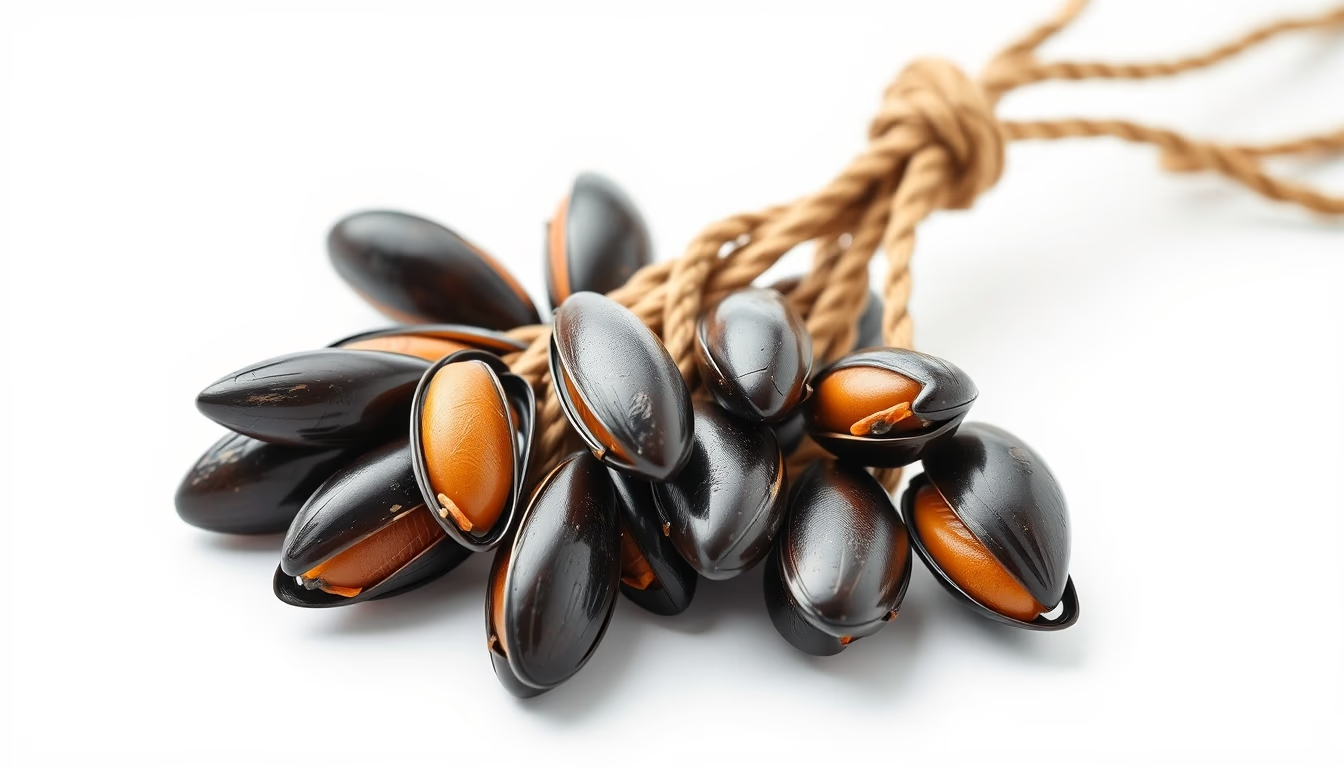
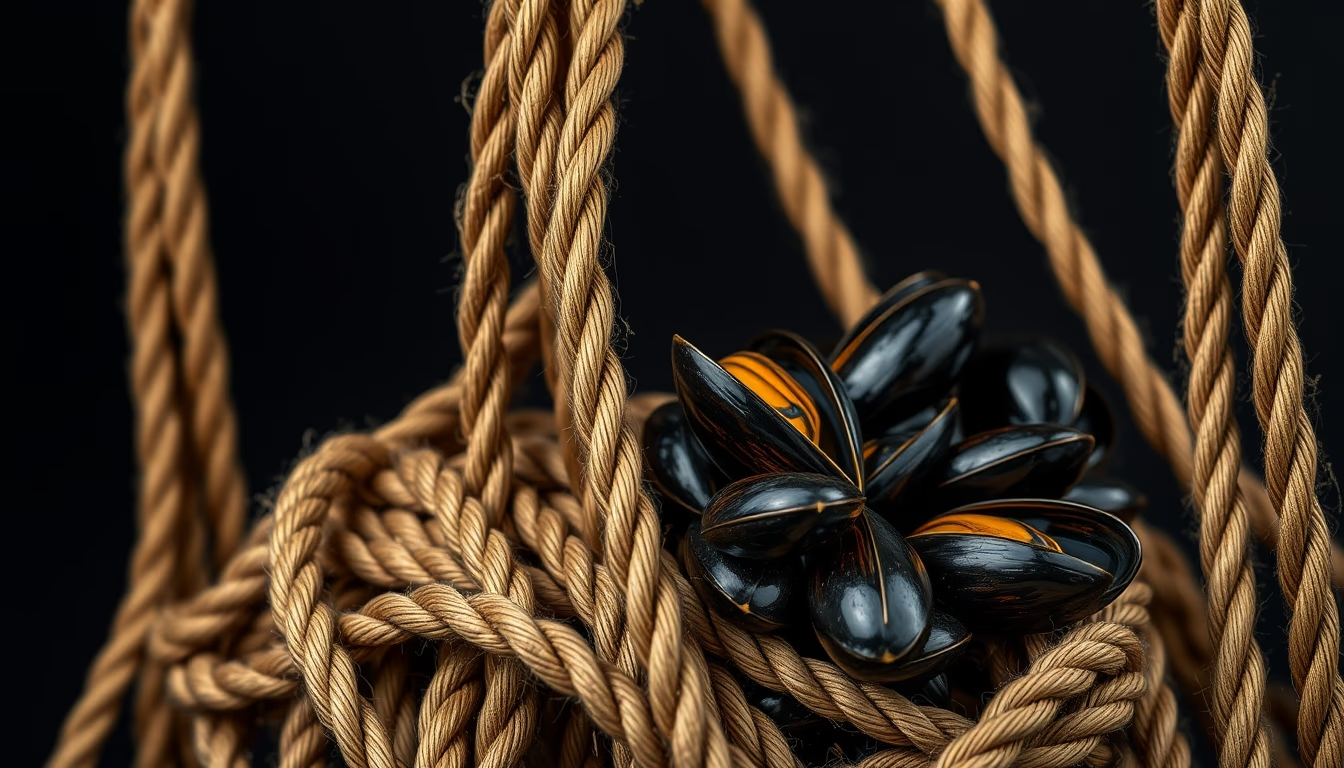
Mussel ropes are essential structures in aquaculture, supporting the suspended cultivation of mussels in the ocean.
About this subject
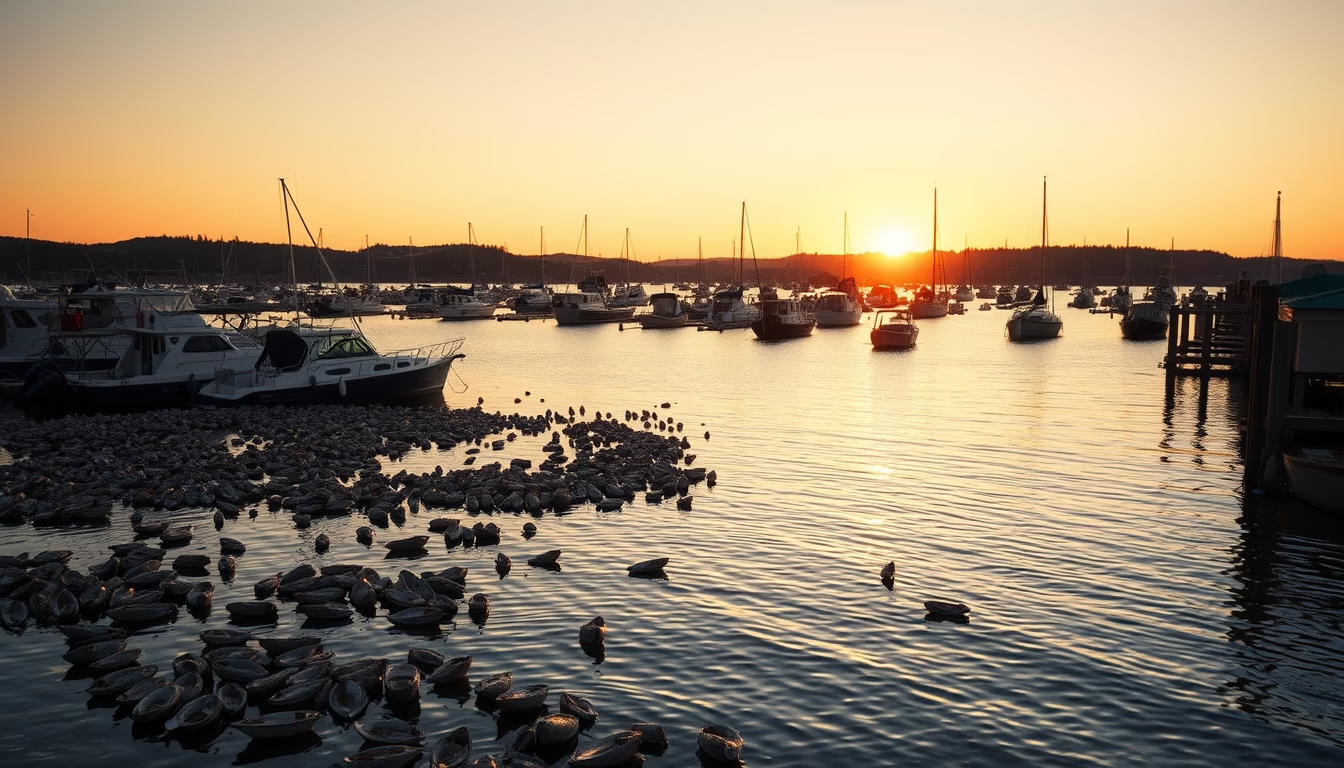
Mussel ropes, also known as longlines or culture ropes, are one of the primary aquaculture methods for mussels worldwide. Made from durable materials such as polypropylene or nylon, often treated to prevent early biofouling, these ropes are suspended horizontally or vertically in the sea, attached to buoys and anchors. They serve as a substrate for the settlement of mussel seeds, which grow to market size within 6 to 12 months.
This system is widely used in regions like Galicia (Spain), New Zealand, Chile, and Canada, which account for a large share of global mussel production. According to the FAO, global production exceeded 2 million tons in 2021, with rope cultivation representing the majority. The method allows high mussel density per linear meter, optimizing ocean space and reducing impacts on the seabed, unlike traditional bottom dredging.
Beyond production efficiency, rope cultivation offers significant environmental benefits. Mussels are natural filter feeders: each individual can filter up to 80 liters of water per day, removing algae and suspended particles, thereby improving coastal water quality. Another advantage is selective harvesting, which avoids bycatch. Interestingly, the ropes also attract other marine organisms like starfish and crustaceans, creating artificial micro-ecosystems.
Frequently Asked Questions
How long does it take for mussels to grow on ropes?
Typically 6 to 12 months, depending on species, water temperature, and food availability. Species like Mytilus edulis reach market size faster in temperate waters.
Are mussel ropes sustainable?
Yes. Rope cultivation has low environmental impact, requires no feed, improves water quality, and does not damage the seabed. However, density must be monitored to avoid competition for food.
What mussel species are farmed on ropes?
Main species include Mytilus edulis (blue mussel), Mytilus galloprovincialis (Mediterranean), Perna canaliculus (New Zealand), and Choromytilus chorus (Chile). Choice depends on region and market.
Direct URL
https://pub-c7d6a6ea828543ac903a74a341ccb2e1.r2.dev/imagens/mussel-ropes-ocean-commercial-product-photography-fresh4.avifHow to credit
Include a visible link back to UtilizAí. Copy one of the snippets below:
<a href="https://xn--utiliza-eza.com/en/midia/imagens/mussel-ropes-ocean-commercial-product-photography-fresh4">Mussel ropes ocean</a> by <a href="https://xn--utiliza-eza.com">UtilizAí</a>, licensed under <a href="https://creativecommons.org/licenses/by/4.0/">CC BY 4.0</a>.
[Mussel ropes ocean](https://xn--utiliza-eza.com/en/midia/imagens/mussel-ropes-ocean-commercial-product-photography-fresh4) by [UtilizAí](https://xn--utiliza-eza.com), CC BY 4.0
License: CC-BY-4.0