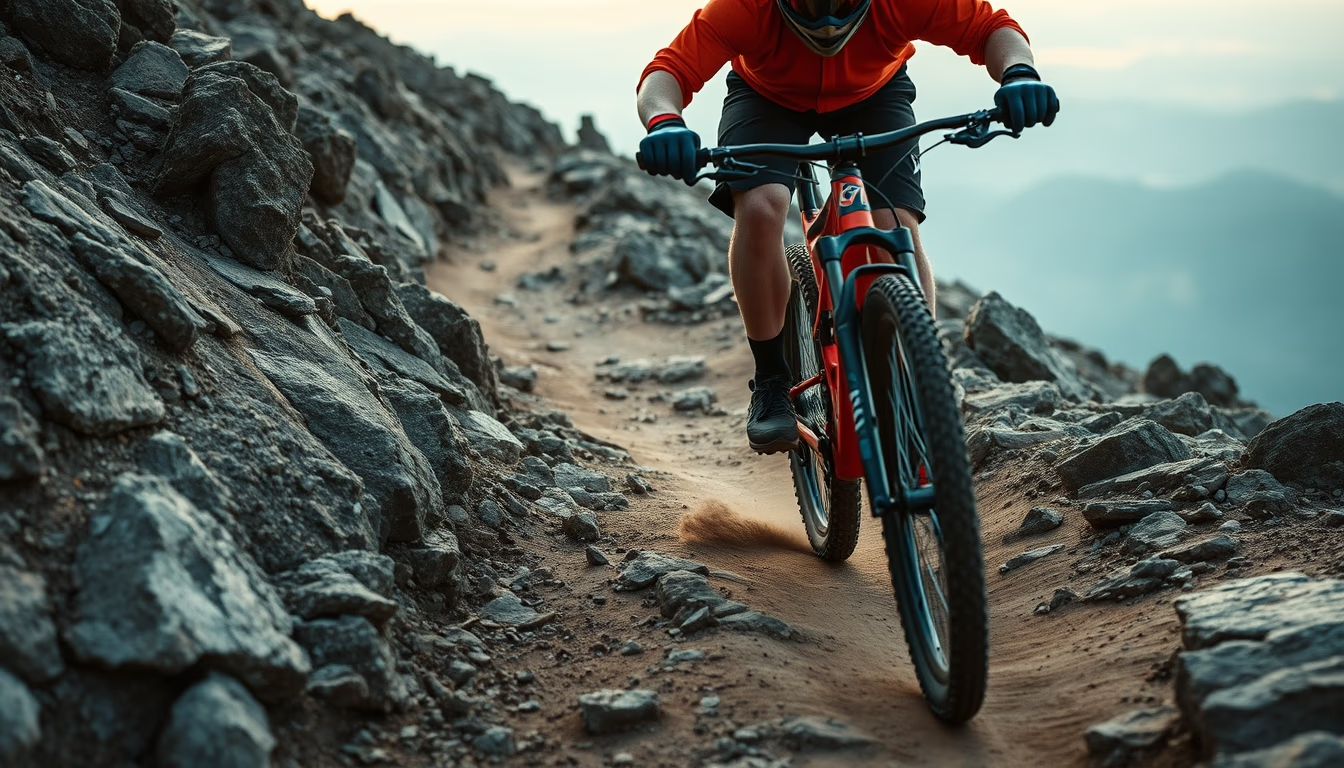
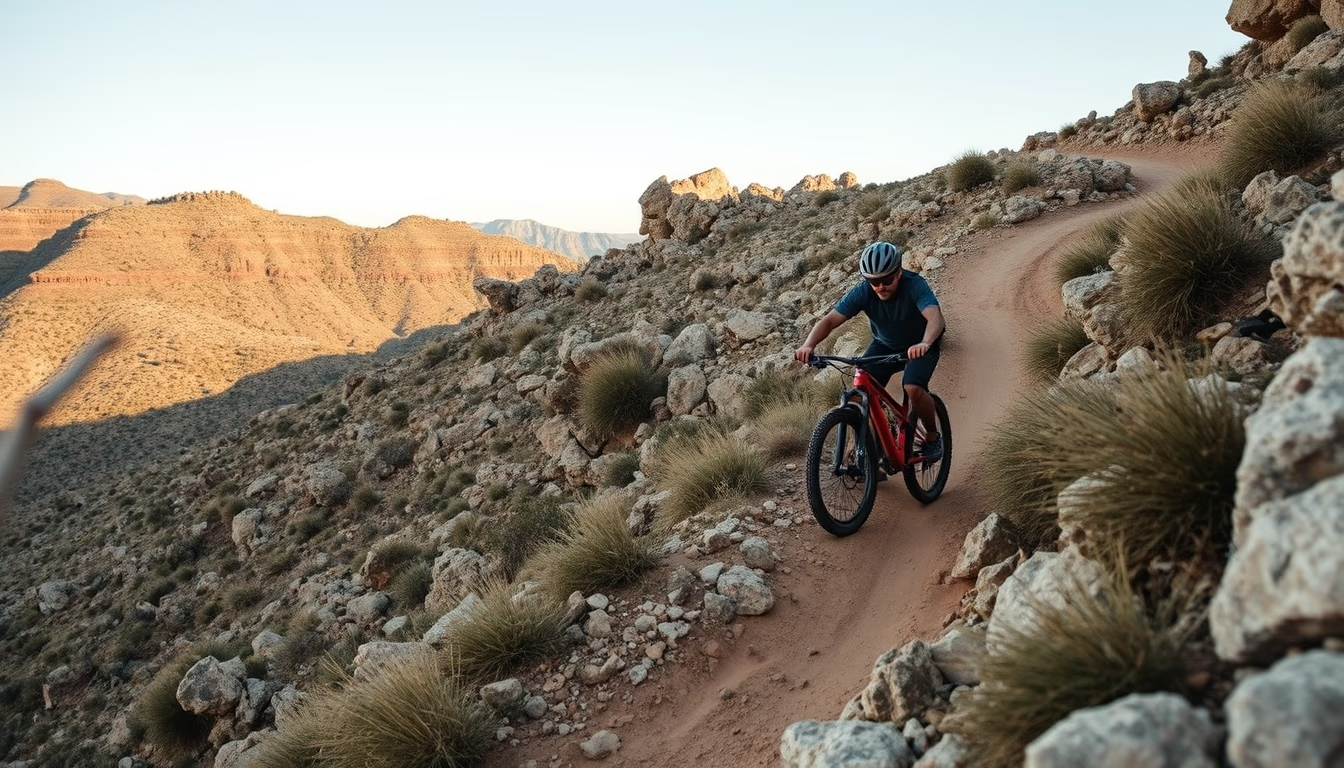
Mtb rocky trail descent
1344×768 · AVIF · CC BY 4.0
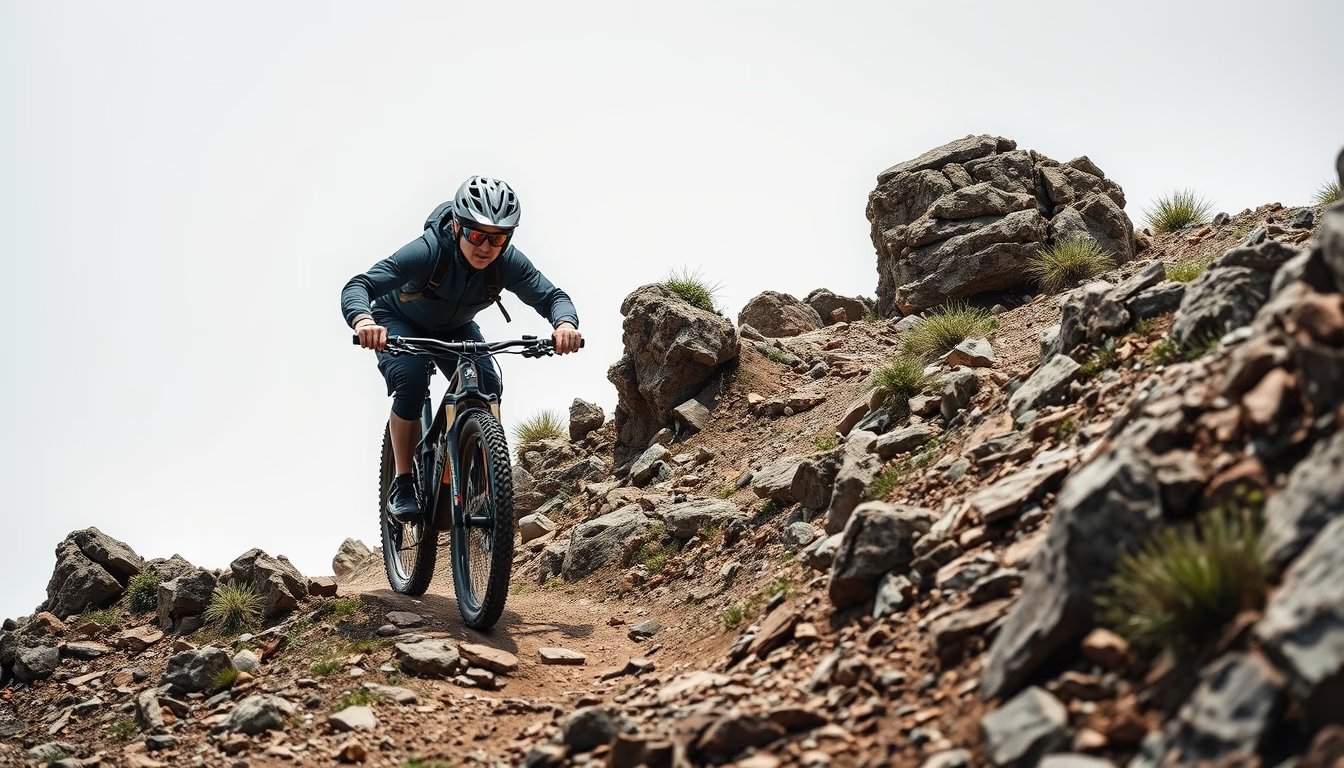
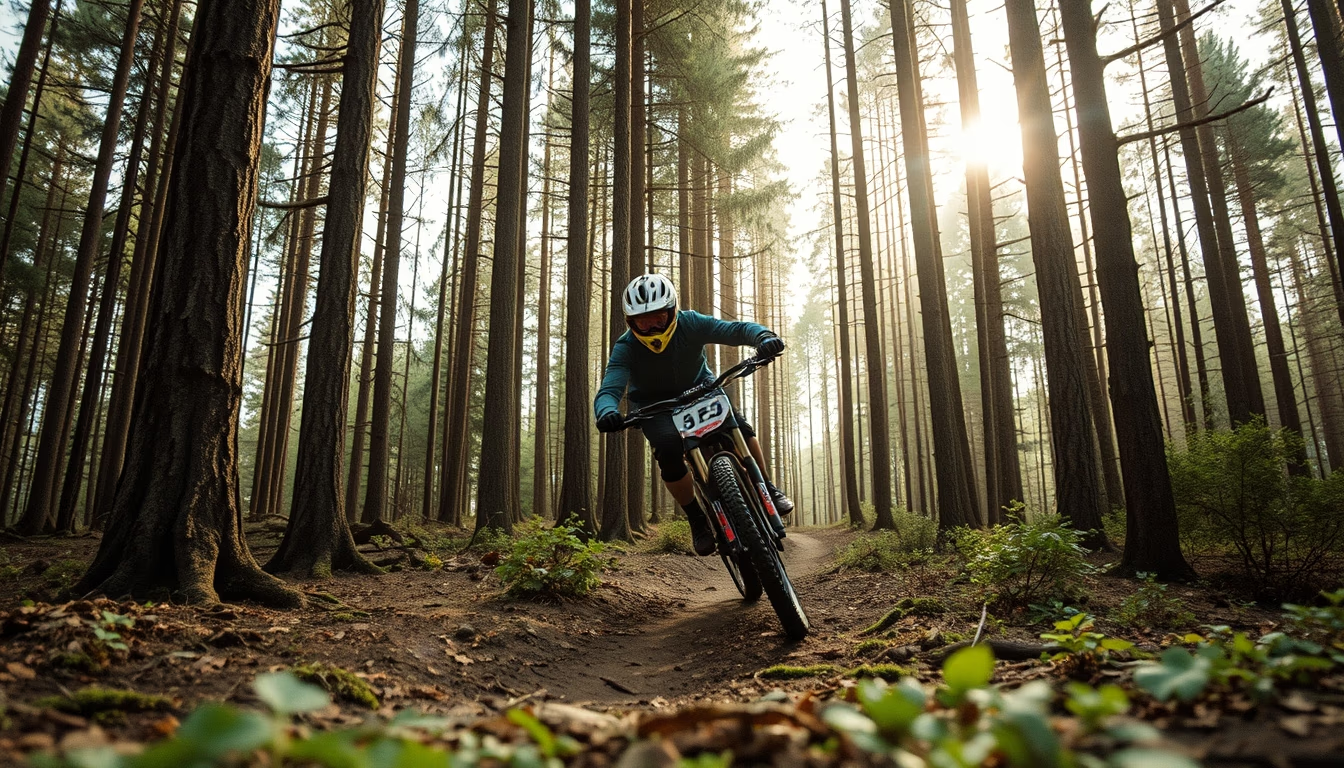
Mountain bike descent on rocky trails demands refined technique, robust equipment, and full control over the bike.
About this subject
Descending rocky trails is one of the most challenging skills in mountain biking. It demands not only courage but deep knowledge of body mechanics and terrain reading. The body should stay relaxed yet firm, with knees and elbows bent to absorb impacts, while the eyes scan for the best line among the rocks, a path that avoids sharp obstacles and maintains controlled speed. Gear selection and intermittent braking (mainly the rear) are crucial to prevent wheel lock on slippery surfaces.
Specific equipment makes a difference on rocky terrain. Suspensions with 130-170 mm travel, aggressive tread tires (like Maxxis Minion or Schwalbe Magic Mary), and wide handlebars (760-800 mm) provide stability and traction. Frame protectors and tubeless tires reduce puncture risk. In Brazil, regions such as Serra do Mar (SP) and Serra do Cipó (MG) offer famous rocky sections, like the descent of Pedra do Baú or the Extrema circuit, which challenge even experienced riders.
Advanced techniques include the "manual" to lift the front wheel over large rocks and the "drop-off" for small ledges. Weight transfer (shifting weight back on steep descents) prevents flip-overs. 2023 statistics show that downhill crashes account for 40% of serious MTB injuries, highlighting the importance of progressive training and protective gear like knee and elbow pads.
Beyond technique, environmental respect is key. Rocky trails are fragile ecosystems; riders should avoid hard braking that erodes soil and never leave marked paths. Initiatives like Sustainable Trail Building in Tijuca National Park teach how to preserve these routes for future generations of riders.
Frequently Asked Questions
How to safely descend rocky trails on a mountain bike?
Keep your knees and elbows bent, look ahead to choose your line, use the rear brake intermittently, and shift your weight back. Proper equipment (suspension, tires) and progressive training are essential.
What is the best suspension for rocky trails?
Suspensions with 130-170 mm travel, such as those from Fox or RockShox, offer good damping. For very aggressive trails, 160-170 mm (enduro) suspensions are recommended.
What are common mistakes when descending on rocks in MTB?
Locking the front brake, pedaling while bouncing, staring at the obstacle instead of the exit, and keeping your body stiff. These increase the risk of crashes and loss of control.
Direct URL
https://pub-c7d6a6ea828543ac903a74a341ccb2e1.r2.dev/imagens/mtb-rocky-trail-descent-studio-still-life-fresh2.avifHow to credit
Include a visible link back to UtilizAí. Copy one of the snippets below:
<a href="https://xn--utiliza-eza.com/en/midia/imagens/mtb-rocky-trail-descent-studio-still-life-fresh2">Mtb rocky trail descent</a> by <a href="https://xn--utiliza-eza.com">UtilizAí</a>, licensed under <a href="https://creativecommons.org/licenses/by/4.0/">CC BY 4.0</a>.
[Mtb rocky trail descent](https://xn--utiliza-eza.com/en/midia/imagens/mtb-rocky-trail-descent-studio-still-life-fresh2) by [UtilizAí](https://xn--utiliza-eza.com), CC BY 4.0
License: CC-BY-4.0