Mtb rocky trail descent
1344×768 · AVIF · CC BY 4.0
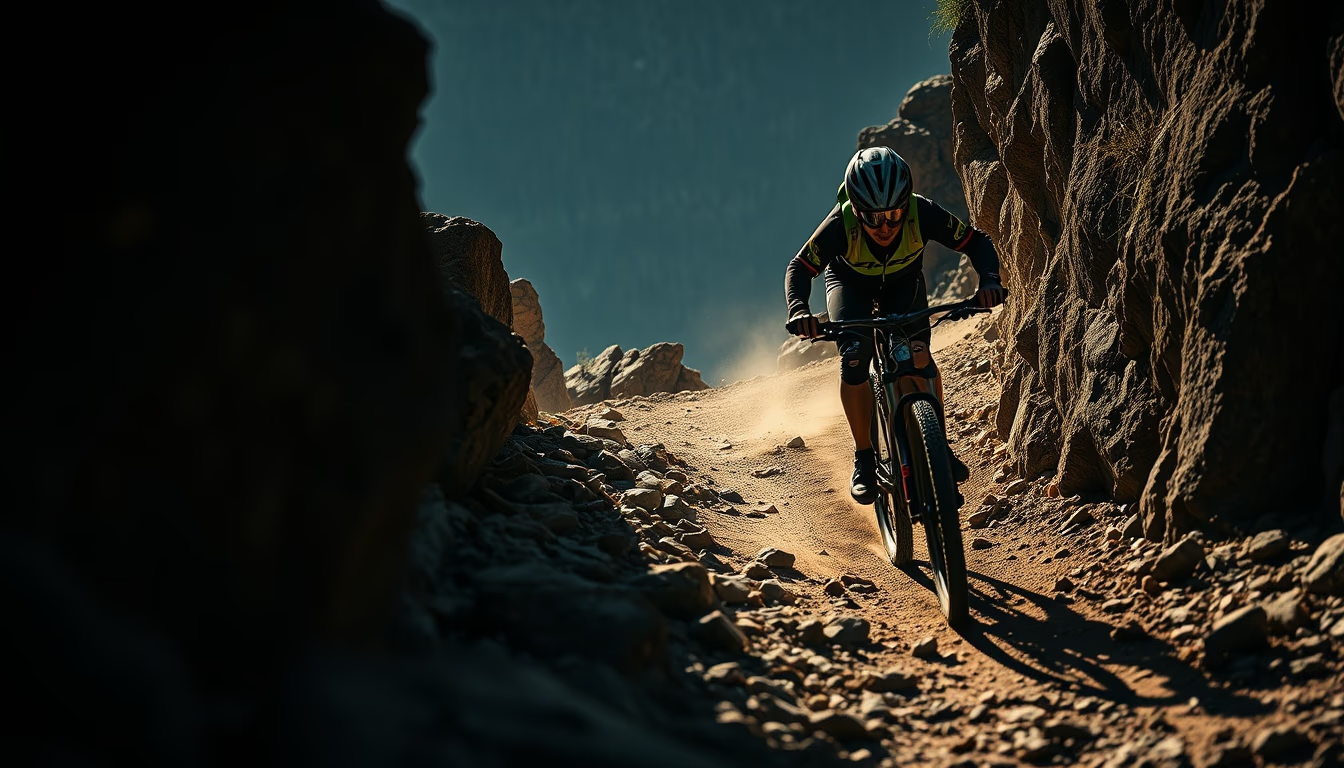
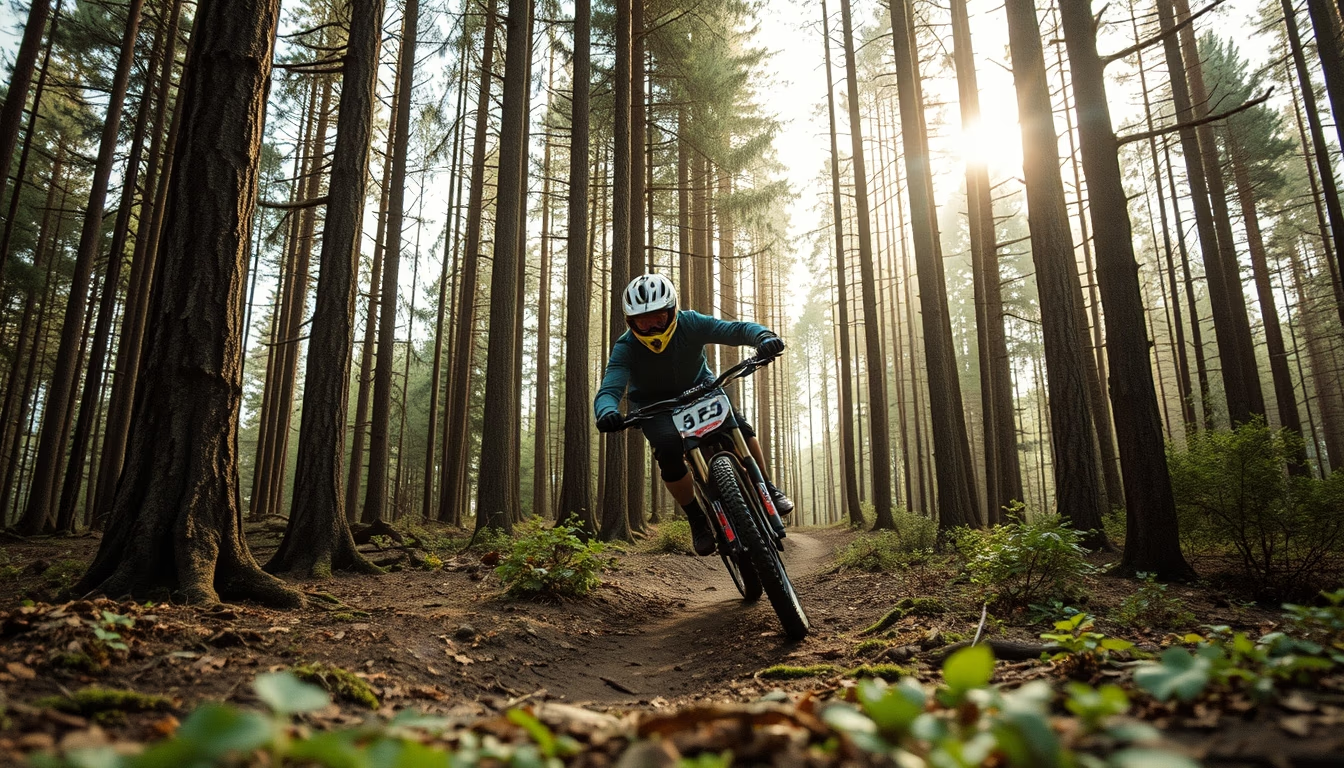
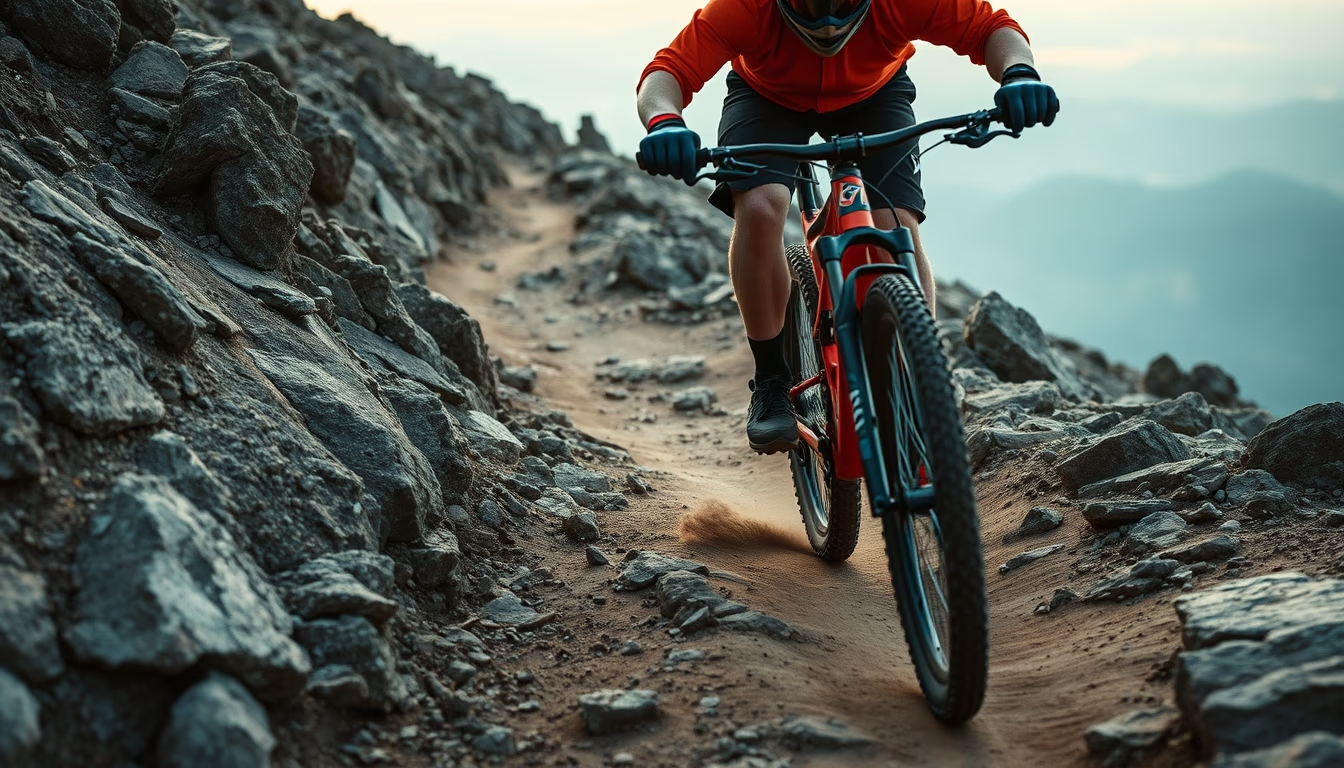
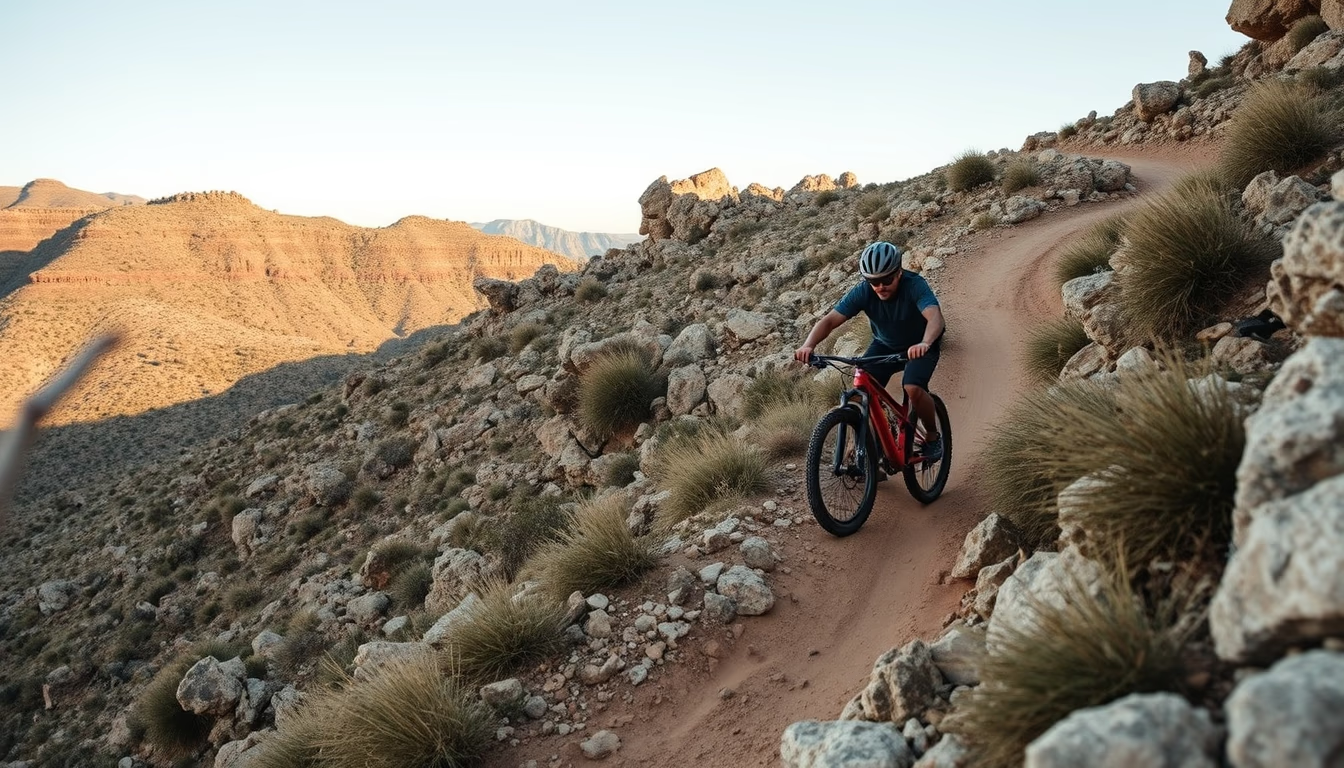
A rocky trail descent in mountain biking demands refined technique and control over natural obstacles, testing the rider's skill.
About this subject
A rocky trail descent in mountain biking is one of the most demanding aspects of the sport, testing both the rider's technique and mental focus. Navigating loose stones, exposed roots, and abrupt grade changes requires a deep understanding of bike handling and terrain reading. Choosing the correct line, whether to roll over larger rocks or find a bypass, can define the flow and safety of the descent.
To descend safely, the rider must maintain a neutral body position with pedals level and weight shifted slightly back, allowing the front wheel to roll over obstacles without stalling. Braking must be modulated to prevent wheel lock, and eyes should stay focused ahead to anticipate the terrain. Natural lighting plays a key role: the low-angle, directional light typical of late afternoon (similar to Rembrandt lighting in photography) highlights rock textures and creates shadows that enhance depth perception, though it may obscure darker areas.
In Brazil, trails like Morro do Careca in São Paulo or Trilha do Itacolomi in Minas Gerais offer technical rocky descents for advanced riders. Internationally, Whistler in Canada and the European Alps are iconic destinations. Consistent practice and terrain study are vital for improvement, and protective gear such as knee pads and elbow pads is strongly advised.
Frequently Asked Questions
How to improve rocky trail descents?
Practice the neutral body position, keep pedals level, and look ahead. Modulate your brakes to avoid locking wheels. Progressively train on more challenging terrain to build confidence.
What are the main risks in rocky descents?
Loss of traction, punctures, and falls are common. Using tires with good grip, proper pressure, and wearing protective gear reduces risks.
What is the best time of day for rocky trail descents?
Late afternoon provides side lighting that enhances terrain texture and depth, helping read the trail. However, very dark shadows can hide obstacles, so adjust your speed accordingly.
Direct URL
https://pub-c7d6a6ea828543ac903a74a341ccb2e1.r2.dev/imagens/mtb-rocky-trail-descent-rembrandt-lighting-dramatic-shadows-fresh7.avifHow to credit
Include a visible link back to UtilizAí. Copy one of the snippets below:
<a href="https://xn--utiliza-eza.com/en/midia/imagens/mtb-rocky-trail-descent-rembrandt-lighting-dramatic-shadows-fresh7">Mtb rocky trail descent</a> by <a href="https://xn--utiliza-eza.com">UtilizAí</a>, licensed under <a href="https://creativecommons.org/licenses/by/4.0/">CC BY 4.0</a>.
[Mtb rocky trail descent](https://xn--utiliza-eza.com/en/midia/imagens/mtb-rocky-trail-descent-rembrandt-lighting-dramatic-shadows-fresh7) by [UtilizAí](https://xn--utiliza-eza.com), CC BY 4.0
License: CC-BY-4.0