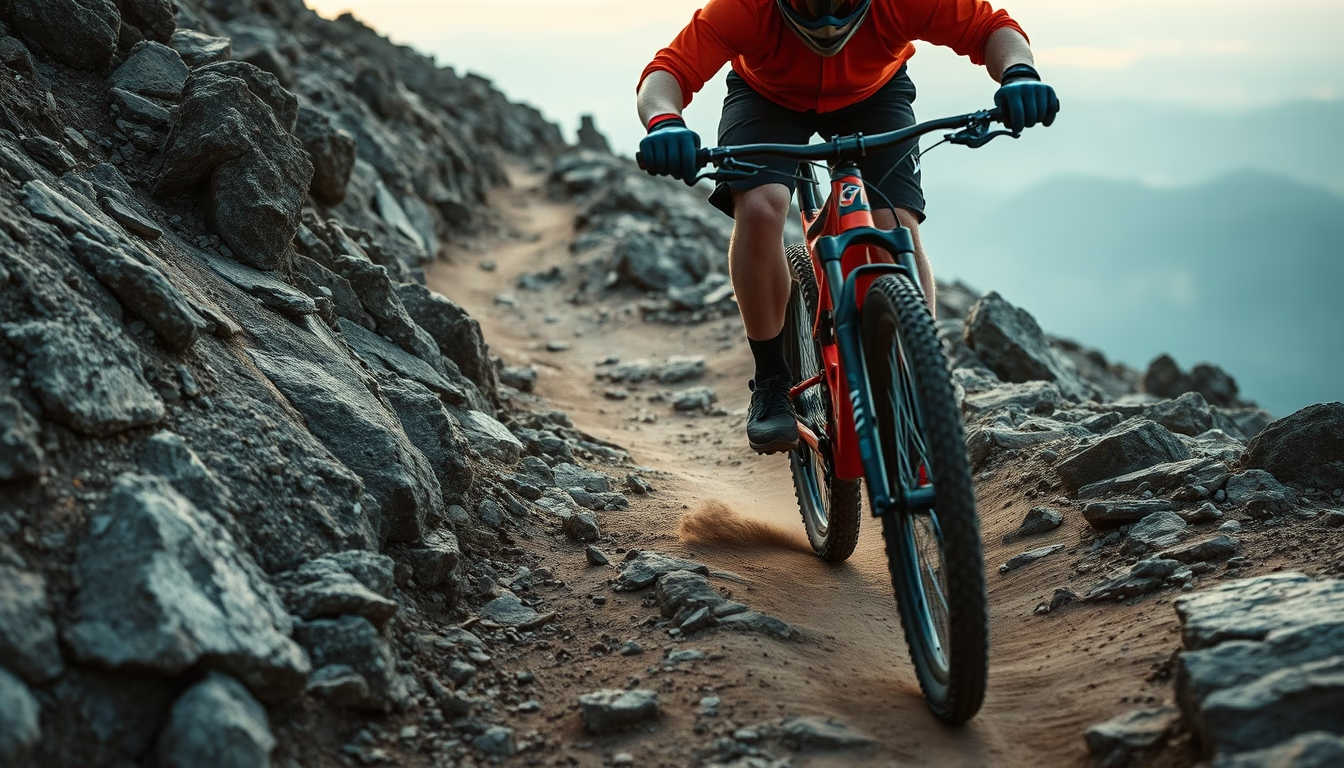
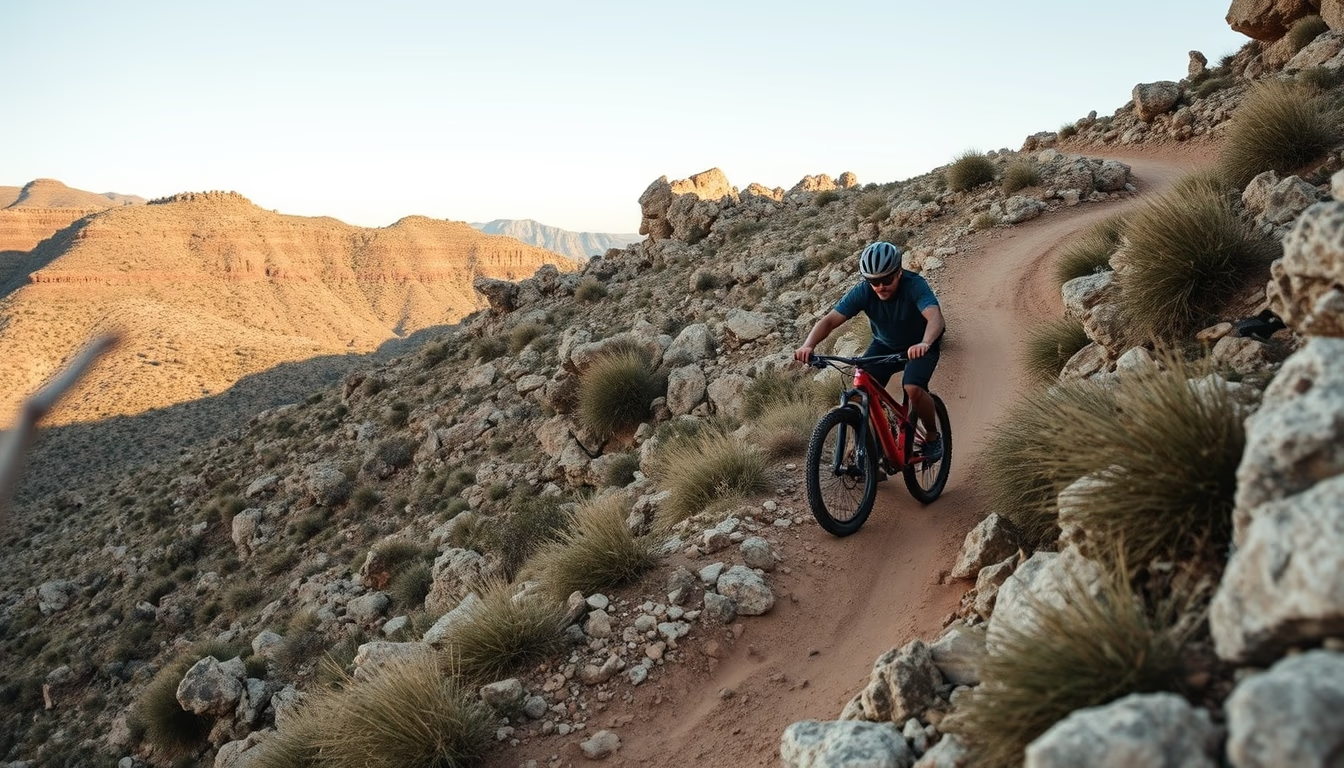
Mtb rocky trail descent
1344×768 · AVIF · CC BY 4.0
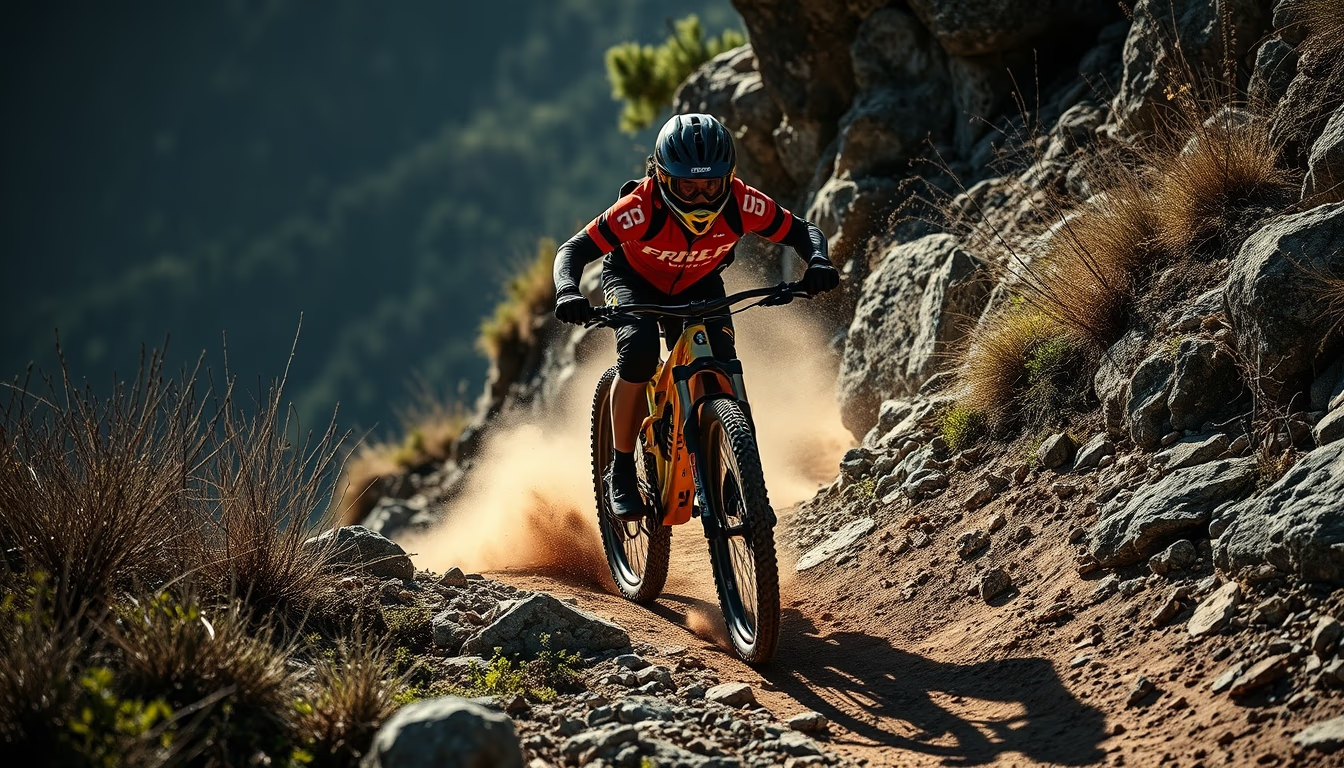
Rocky trail descents in mountain biking demand refined technique, dynamic balance, and precise bike control to navigate steep and rugged terrain.
About this subject
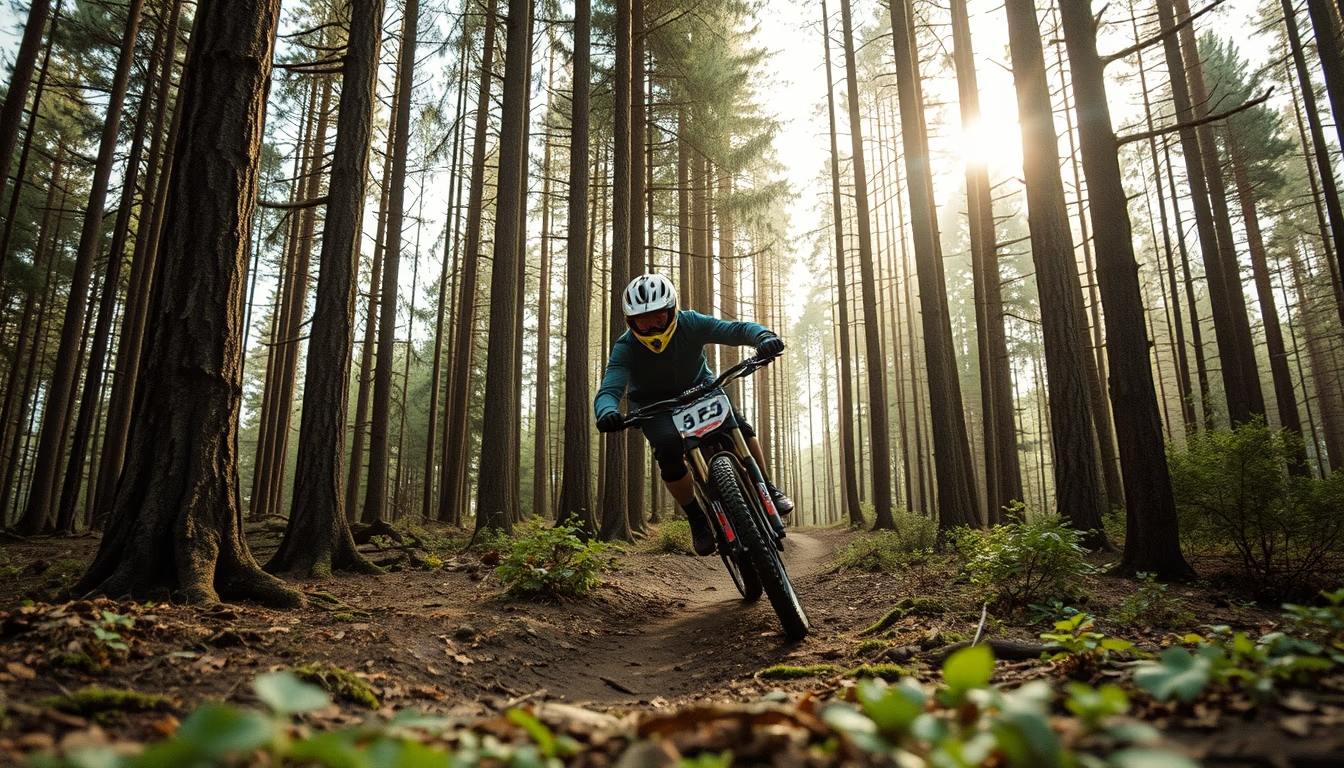
Downhill mountain biking on rocky trails is one of the most technical disciplines in cycling. It demands advanced body positioning, line selection, and progressive braking. Loose rocks, roots, and sudden gradient changes force riders to anticipate obstacles and constantly shift their weight. In Brazil, mountainous regions such as Serra do Mar and Chapada dos Veadeiros offer natural trails that host national and international competitions, like the MTB World Cup.
The ideal bike for this terrain is a full-suspension mountain bike with front and rear shock absorbers, wide tires, and aggressive treads for grip on unstable surfaces. Slacker head tube angles provide stability at high speeds. Techniques like dropping the heel and leveling the pedals help keep the center of gravity low. A common mistake is locking the wheels, which can cause dangerous skids.
Culturally, mountain biking grew in the 1970s and 1980s in California, from modified cruisers for mountain descents. Today, the sport is practiced globally, with highlights in the European Alps, North American Rockies, and South American ranges. In Brazil, events like O2 Bikers Festival and Copa Brasil de Mountain Bike attract new riders. Beyond competition, it serves as ecotourism, connecting cyclists to preserved natural landscapes.
Fun fact: average speeds on technical descents can exceed 50 km/h on open sections but drop below 10 km/h on very rocky parts. Safety gear includes a full-face helmet, gloves, and knee pads. Rocky trails also require frequent bike maintenance, especially brakes and suspension, due to high impact and accumulation of dust and mud.
Frequently Asked Questions
What is the best bike for descending on rocky trails?
A full-suspension mountain bike with long travel front and rear suspension, wide tires with aggressive treads, and a slack geometry is most recommended for stability and control.
What techniques are essential for descending on rocky trails?
Key techniques include keeping a low center of gravity, using heel drop, level pedals, progressive braking, and proper line selection to safely navigate obstacles.
Is downhill mountain biking dangerous?
It can be dangerous without proper gear. Using a full-face helmet, gloves, knee pads, and elbow pads significantly reduces risks. Progressive training on easier trails is also important.
Direct URL
https://pub-c7d6a6ea828543ac903a74a341ccb2e1.r2.dev/imagens/mtb-rocky-trail-descent-fine-art-photography-fresh14.avifHow to credit
Include a visible link back to UtilizAí. Copy one of the snippets below:
<a href="https://xn--utiliza-eza.com/en/midia/imagens/mtb-rocky-trail-descent-fine-art-photography-fresh14">Mtb rocky trail descent</a> by <a href="https://xn--utiliza-eza.com">UtilizAí</a>, licensed under <a href="https://creativecommons.org/licenses/by/4.0/">CC BY 4.0</a>.
[Mtb rocky trail descent](https://xn--utiliza-eza.com/en/midia/imagens/mtb-rocky-trail-descent-fine-art-photography-fresh14) by [UtilizAí](https://xn--utiliza-eza.com), CC BY 4.0
License: CC-BY-4.0