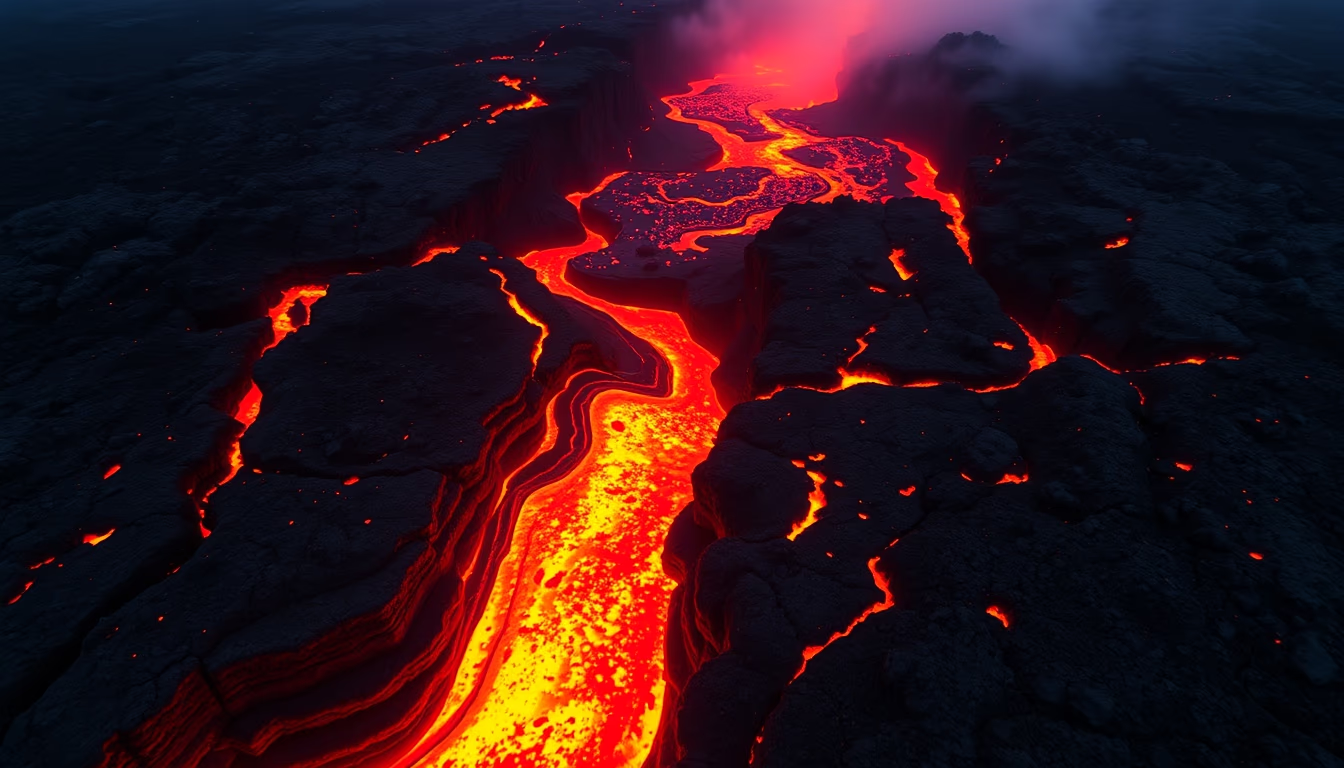
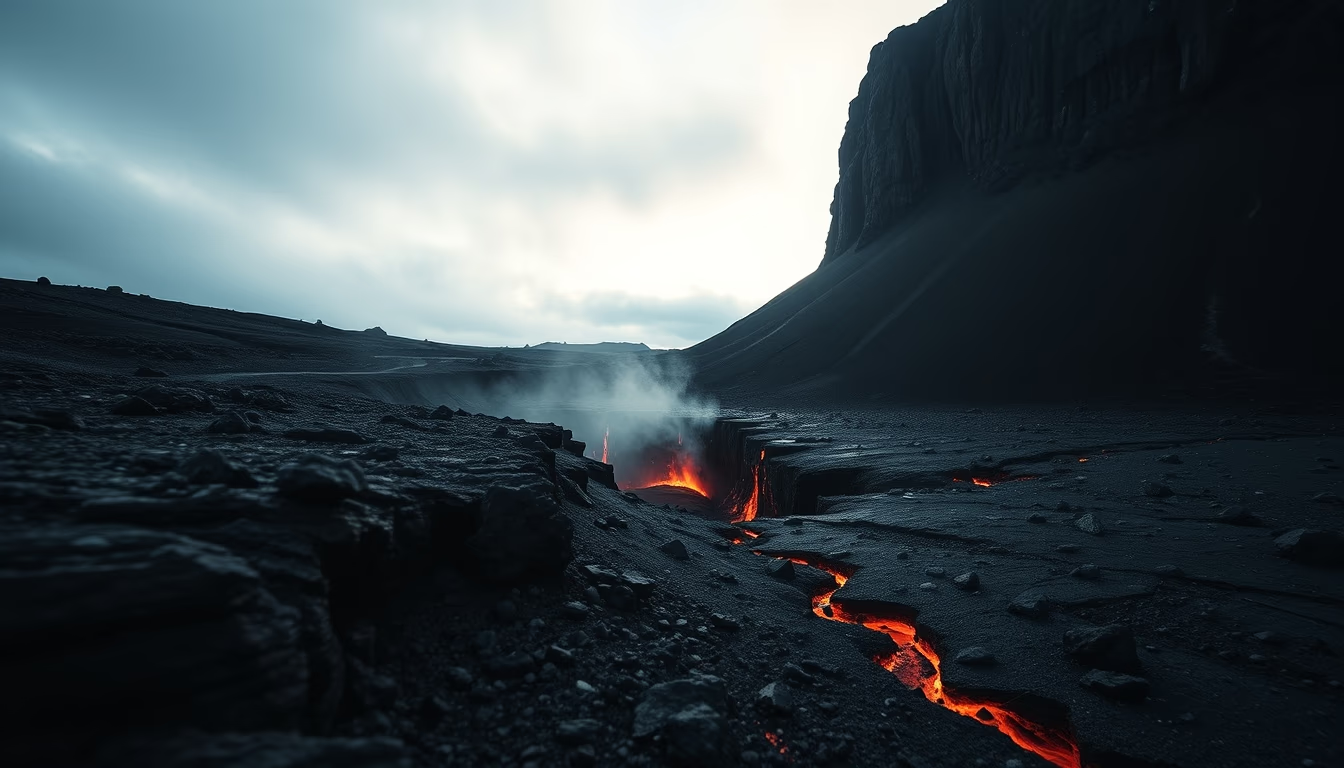
Mount etna sicily
1344×768 · AVIF · CC BY 4.0
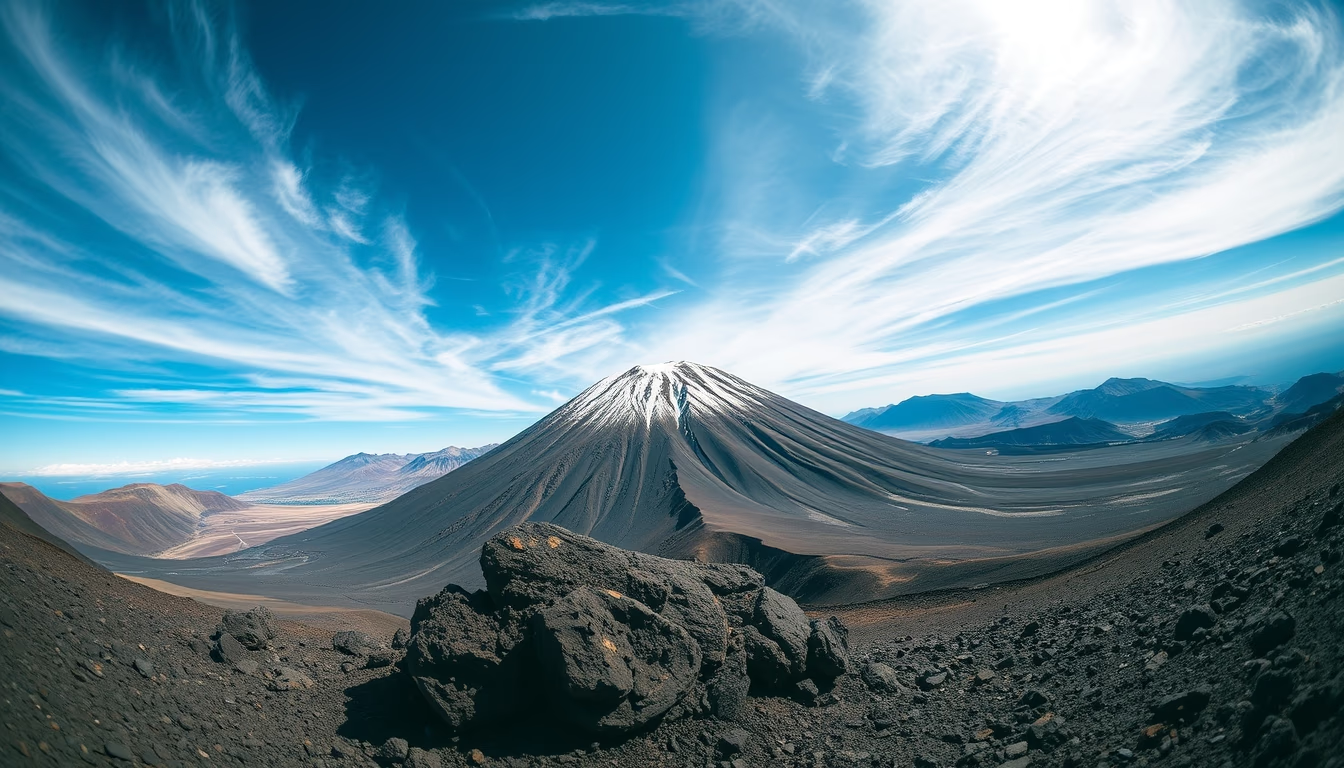
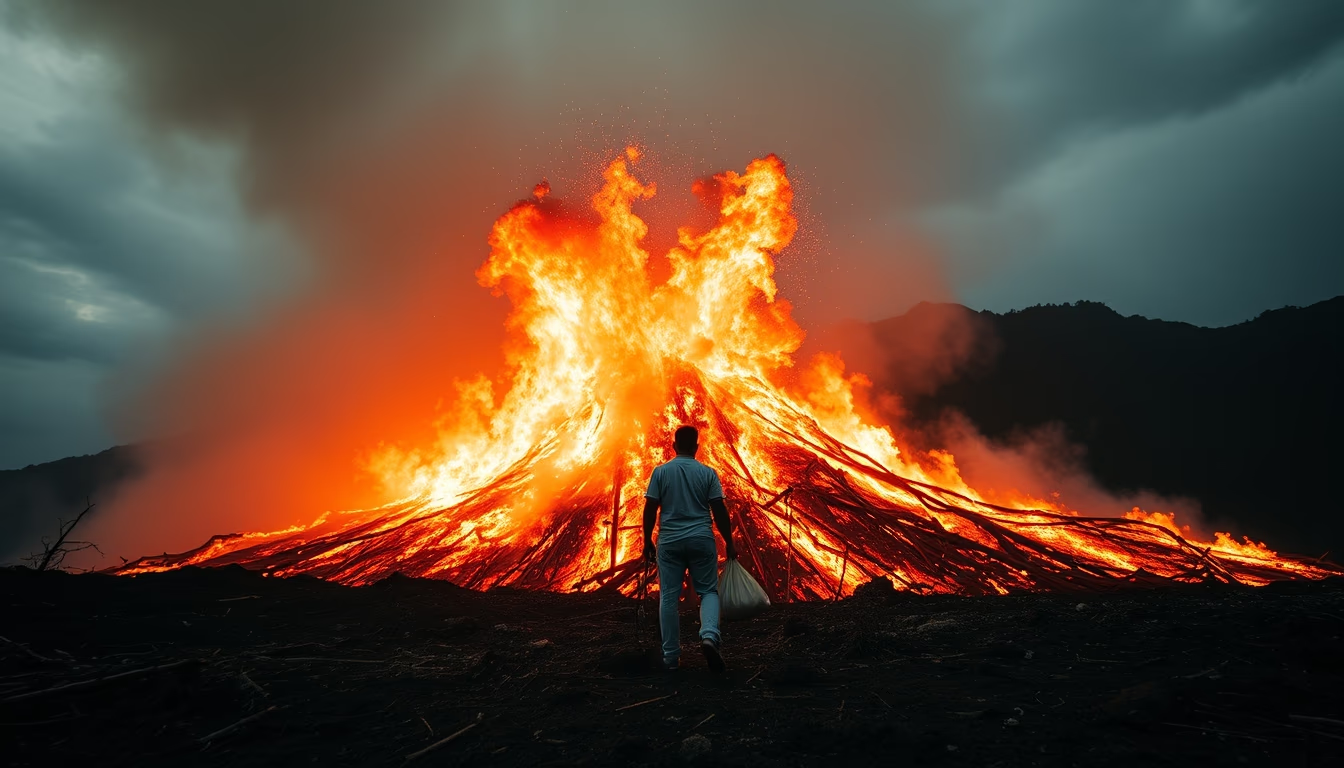
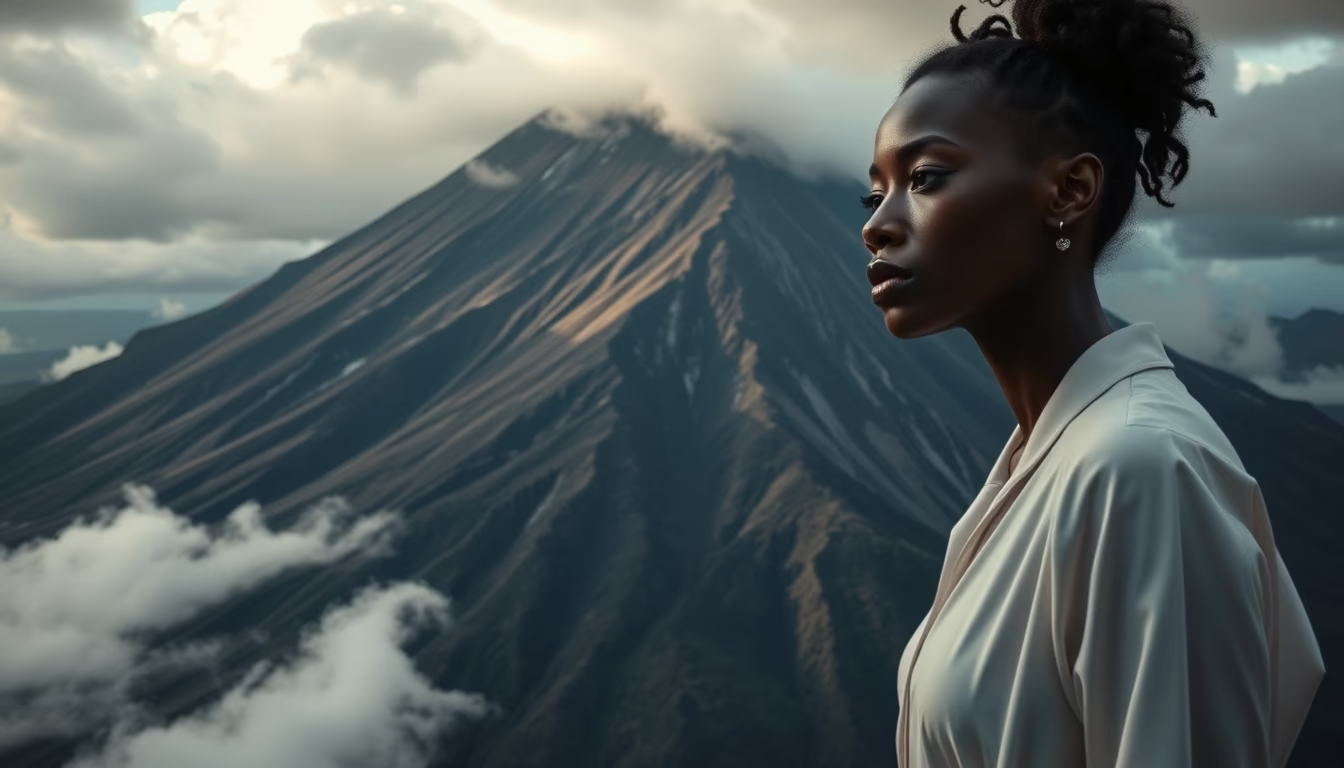
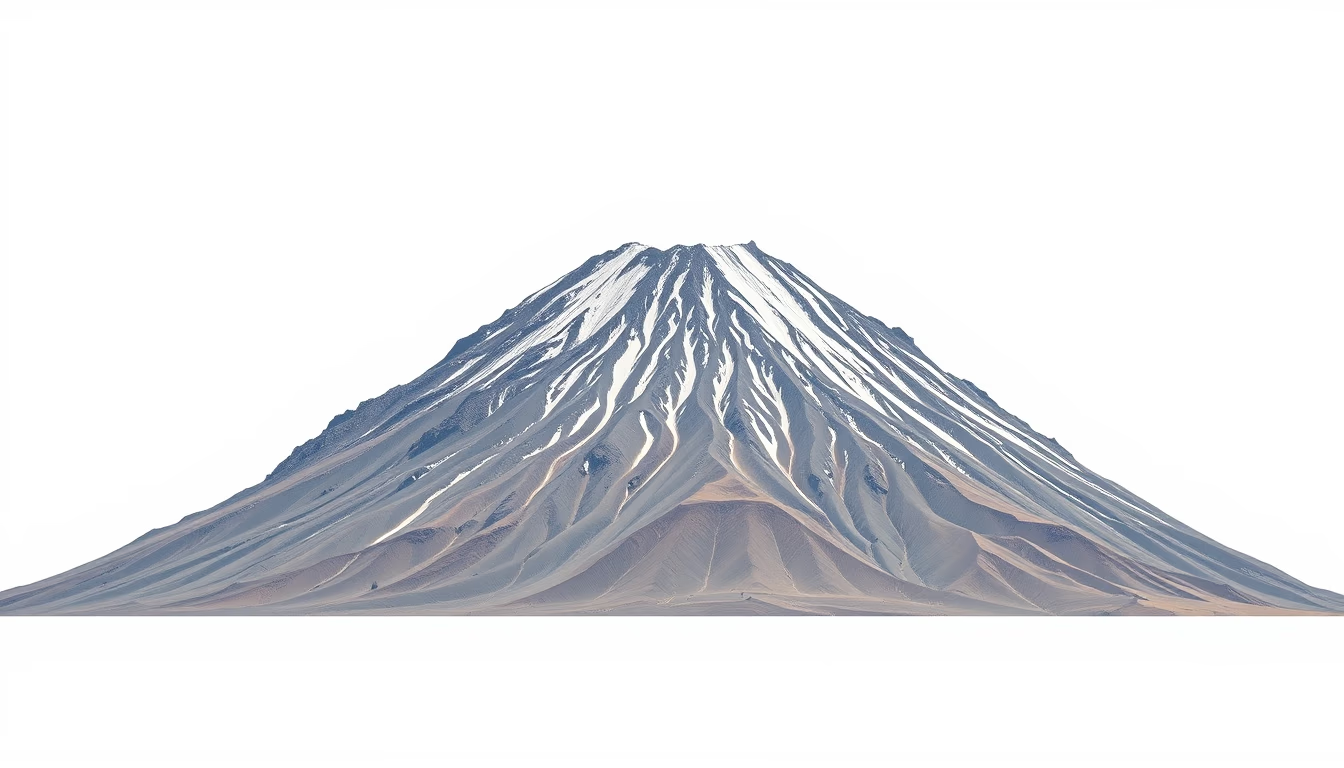
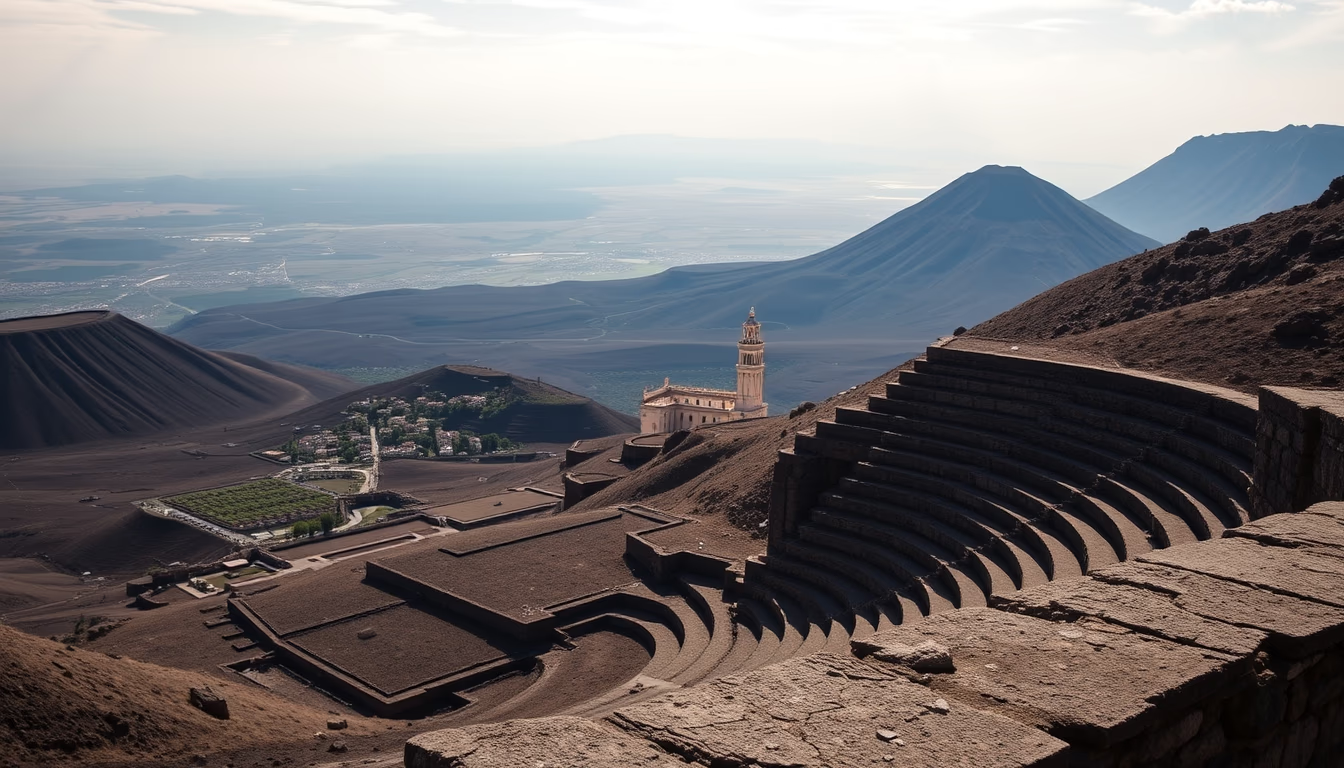
Mount Etna in Sicily is Europe's highest active volcano, standing 3,357 m tall, known for its frequent eruptions and lunar-like landscapes.
About this subject
Mount Etna, located on the east coast of Sicily, Italy, is one of the world's most active volcanoes and the highest in continental Europe, with a variable summit height around 3,357 m due to eruptions altering its peak. Covering approximately 1,190 km², its slopes host diverse ecosystems, from Mediterranean forests to barren lava fields. The volcano has erupted hundreds of times over the past 3,500 years, with the most destructive recorded in 1669, when lava reached Catania. Today, its activity is closely monitored by Italy's National Institute of Geophysics and Volcanology.
Etna has been a UNESCO World Heritage site since 2013, recognized for its geological significance and influence on Sicilian culture. The surrounding region is cultivated with vineyards and orchards, benefitting from fertile volcanic soil. Greek mythology associated Etna with the forge of Hephaestus (Vulcan) and the giant Typhon imprisoned beneath the mountain. During the Middle Ages, it was believed to be the entrance to Hell.
A notable curiosity is the presence of snow on the summit in winter, contrasting with incandescent magma. The volcano also produces a rare phenomenon called "vortex rings," when gases escape forming smoke rings. Due to its constant activity, Etna serves as a natural laboratory for volcanologists and attracts thousands of tourists for trekking and skiing on authorized slopes.
Frequently Asked Questions
What is the current height of Mount Etna?
Mount Etna's height varies with eruptions. As of 2023, the highest summit (Southeast Crater) reached about 3,357 meters, but it can change after eruptive events.
Is Mount Etna dangerous for nearby cities?
Yes, but risks are managed with constant monitoring. Recent eruptions usually affect uninhabited areas or are controlled by lava barriers. Catania, the nearest city, was partially destroyed in 1669.
Why is Mount Etna a World Heritage site?
UNESCO recognized Etna in 2013 for its geological significance, continuous volcanic processes, and role in Mediterranean culture, being one of the most studied volcanoes on Earth.
Direct URL
https://pub-c7d6a6ea828543ac903a74a341ccb2e1.r2.dev/imagens/mount-etna-sicily-fish-eye-wide-angle-fresh6.avifHow to credit
Include a visible link back to UtilizAí. Copy one of the snippets below:
<a href="https://xn--utiliza-eza.com/en/midia/imagens/mount-etna-sicily-fish-eye-wide-angle-fresh6">Mount etna sicily</a> by <a href="https://xn--utiliza-eza.com">UtilizAí</a>, licensed under <a href="https://creativecommons.org/licenses/by/4.0/">CC BY 4.0</a>.
[Mount etna sicily](https://xn--utiliza-eza.com/en/midia/imagens/mount-etna-sicily-fish-eye-wide-angle-fresh6) by [UtilizAí](https://xn--utiliza-eza.com), CC BY 4.0
License: CC-BY-4.0