Morel mushroom rare
1344×768 · AVIF · CC BY 4.0
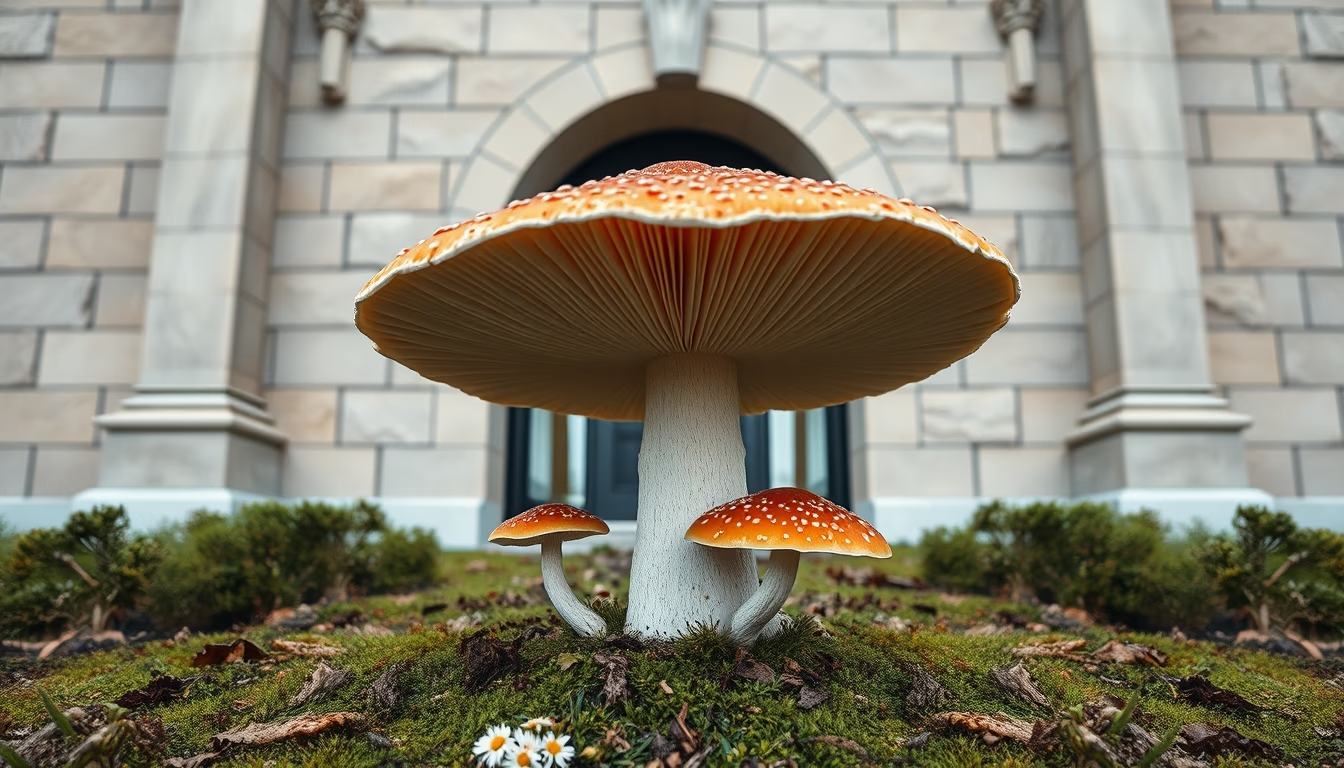
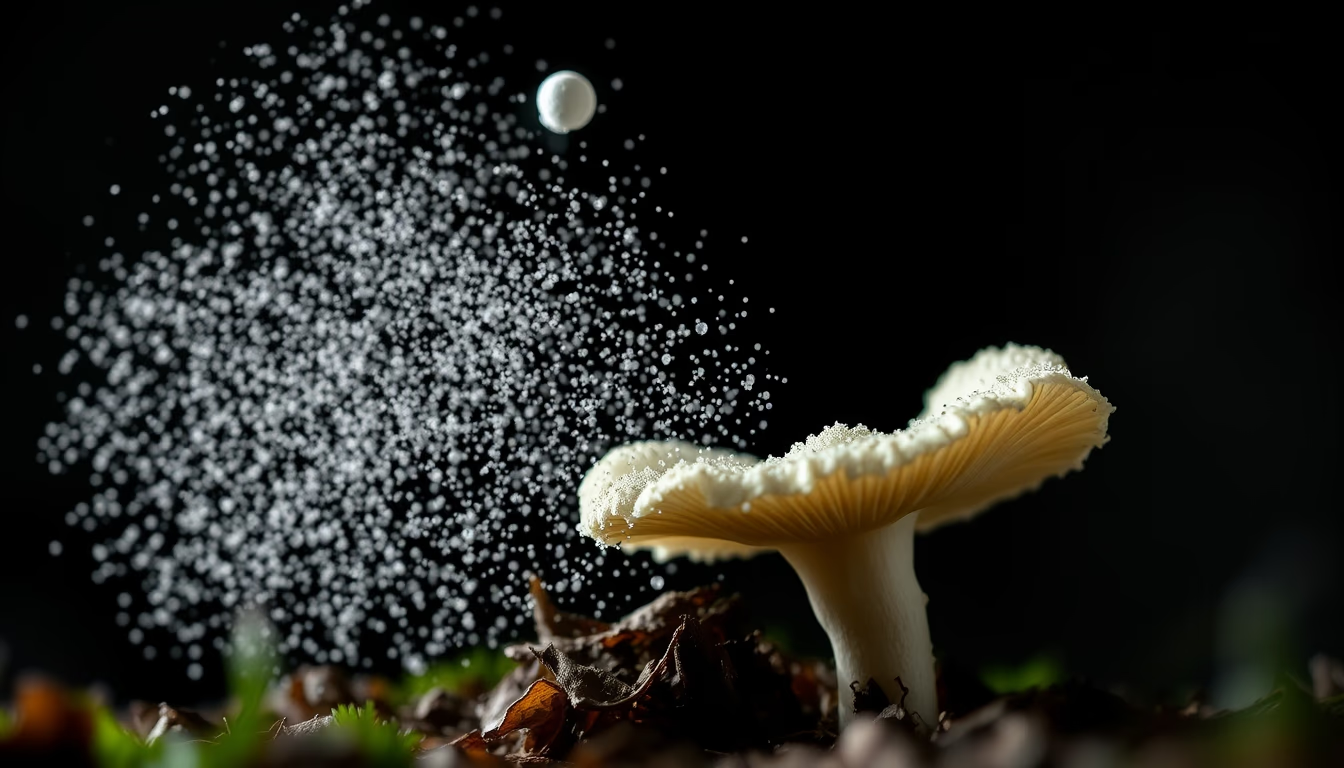
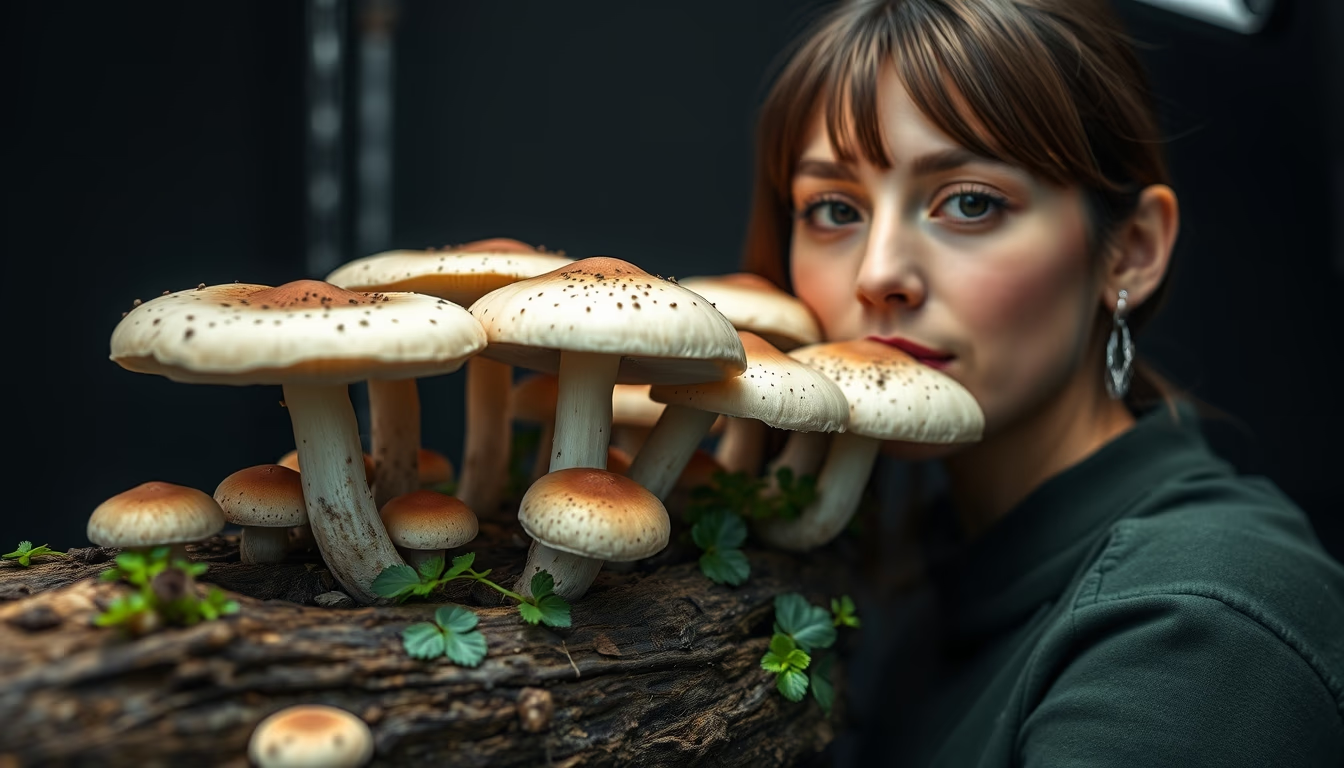
The morel mushroom (Morchella) is a rare and highly prized fungus in cuisine, known for its distinctive honeycomb appearance and earthy flavor.
About this subject
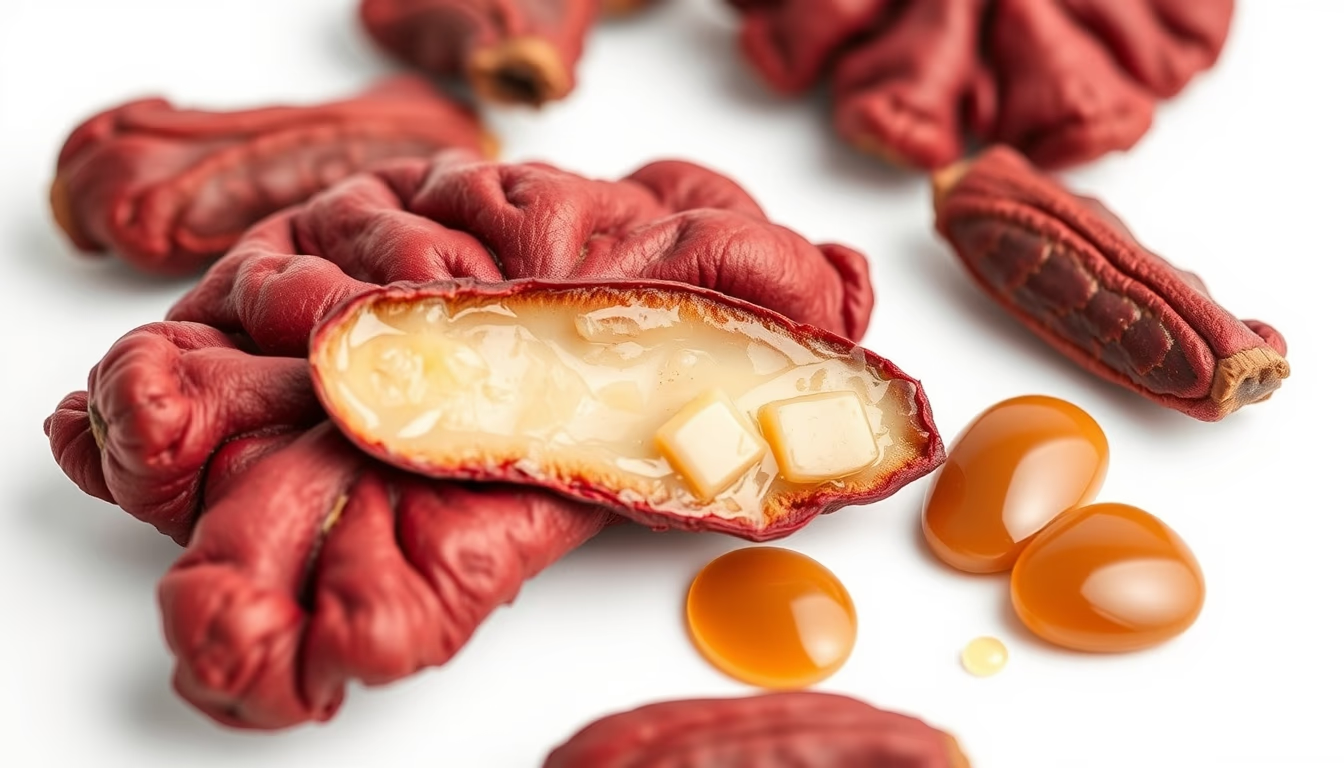
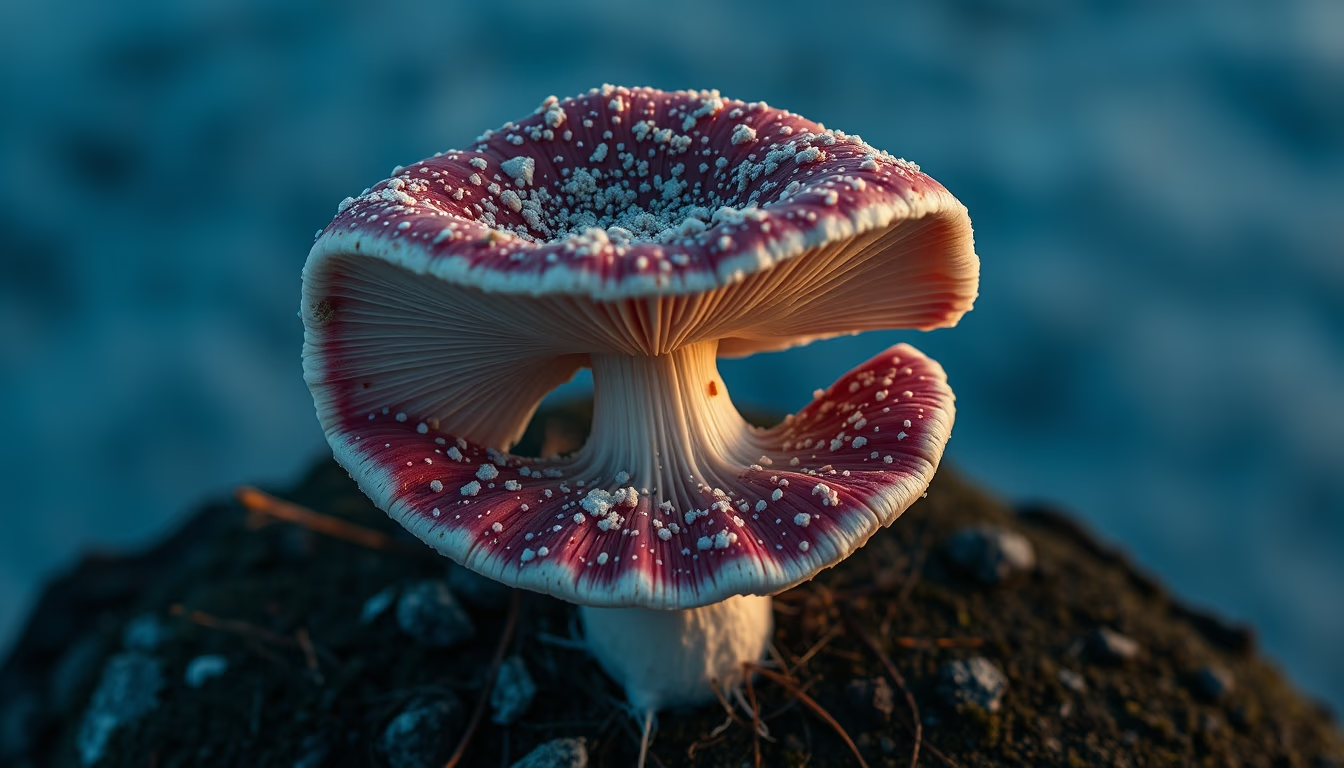
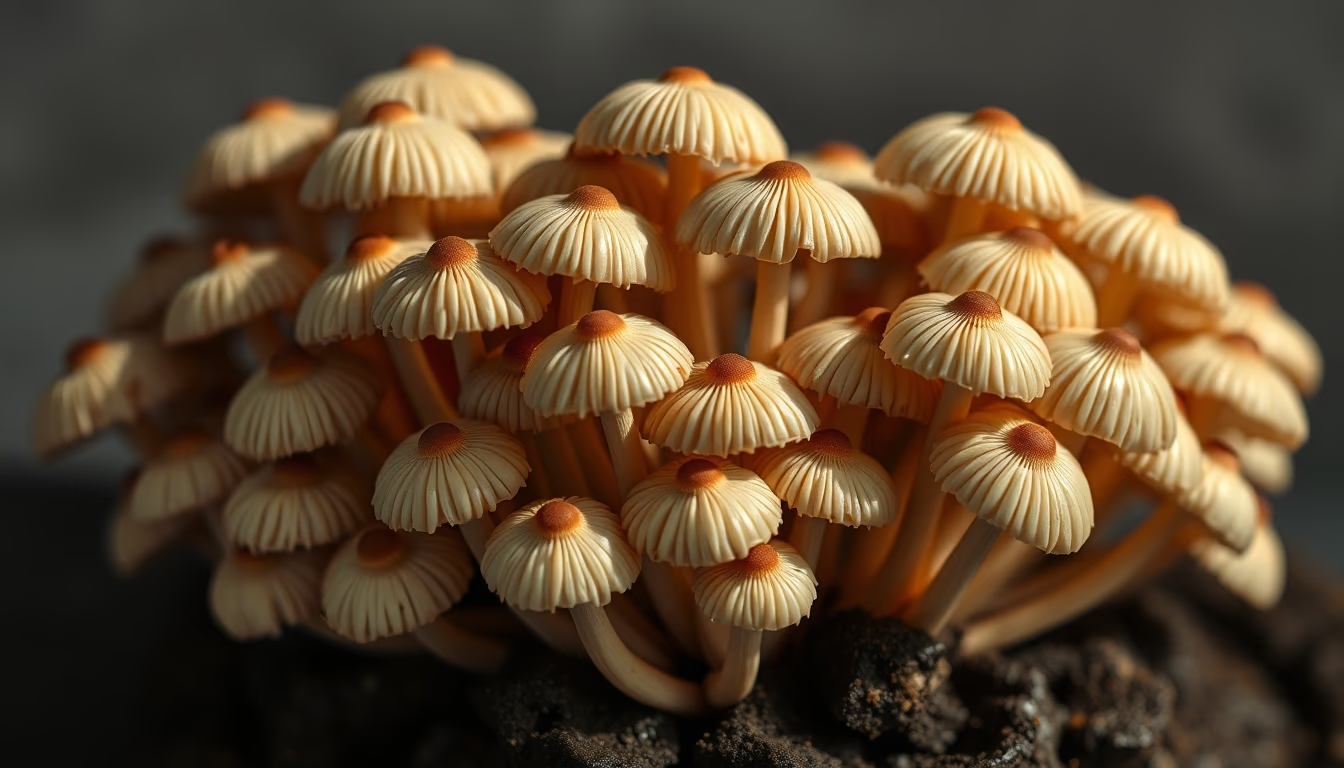
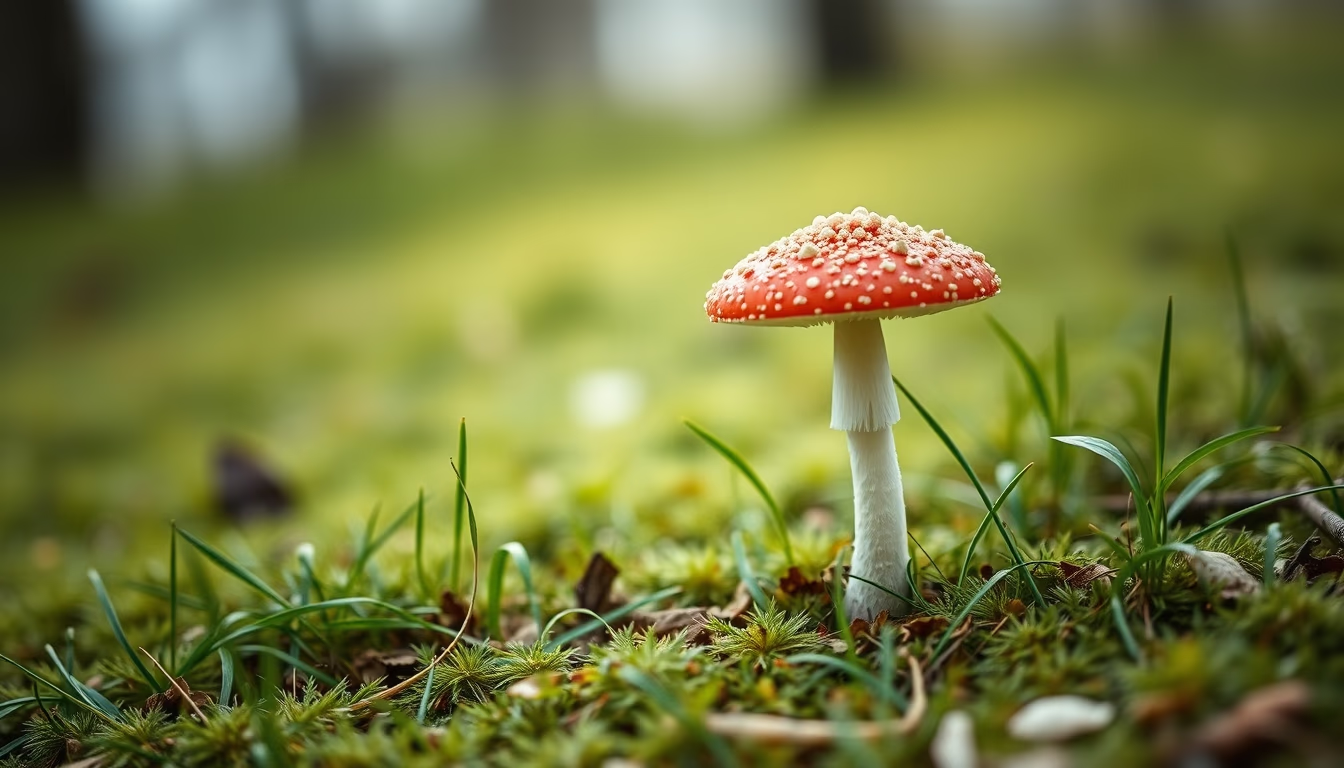
The morel mushroom, genus Morchella, is one of the most sought-after fungi in world cuisine. Its unmistakable honeycomb-like cap, ranging from light to dark brown, and hollow interior make it easy to recognize. Unlike many cultivated mushrooms, morels are primarily wild and seasonal, which contributes to their rarity and high market value.
These fungi thrive in temperate regions of the Northern Hemisphere, especially North America and Europe, but also appear in parts of Asia and, less commonly, South America. Their emergence is linked to moist springs and soils rich in organic matter, often after forest fires or in disturbed areas. Morels form symbiotic relationships with trees such as elm, ash, and apple, and their exact locations are often kept secret by experienced foragers.
Culinarily, morels are prized for their earthy, nutty flavor and firm texture that holds up well in cooking. Dishes like risottos, cream sauces for meats, and pasta benefit from their ability to absorb flavors. Prices can exceed $50 per pound in the U.S., depending on the season and import costs. It is crucial to always cook morels thoroughly, as raw consumption may cause mild gastrointestinal upset.
A key caution involves false morels, such as those from the genus Gyromitra, which are toxic. The main difference lies in the interior: true morels are completely hollow, while false morels have a cotton-like filling. Correct identification is essential to avoid poisoning, and foraging should only be done by those with solid mycological knowledge.
Frequently Asked Questions
What is the difference between true morels and false morels?
True morels (Morchella) have a hollow cap that is attached to the stem at the base, while false morels (Gyromitra) have a cotton-like interior and a looser cap. True morels are edible when cooked, whereas false morels can be toxic.
How should I clean and prepare morel mushrooms?
Rinse quickly under cold water to remove dirt and insects, pat dry with paper towels, and always cook them thoroughly. They can be sautéed in butter, used in risottos, or added to sauces. Avoid soaking them for extended periods.
Why are morel mushrooms so expensive?
They are hand-harvested and seasonal (spring), not commercially cultivated on a large scale, and global demand is high. The difficulty of finding them and the risk of misidentifying toxic look-alikes also contribute to the high price.
Direct URL
https://pub-c7d6a6ea828543ac903a74a341ccb2e1.r2.dev/imagens/morel-mushroom-rare-architectural-photography-p5.avifHow to credit
Include a visible link back to UtilizAí. Copy one of the snippets below:
<a href="https://xn--utiliza-eza.com/en/midia/imagens/morel-mushroom-rare-architectural-photography-p5">Morel mushroom rare</a> by <a href="https://xn--utiliza-eza.com">UtilizAí</a>, licensed under <a href="https://creativecommons.org/licenses/by/4.0/">CC BY 4.0</a>.
[Morel mushroom rare](https://xn--utiliza-eza.com/en/midia/imagens/morel-mushroom-rare-architectural-photography-p5) by [UtilizAí](https://xn--utiliza-eza.com), CC BY 4.0
License: CC-BY-4.0