Martian colony dome
1344×768 · AVIF · CC BY 4.0
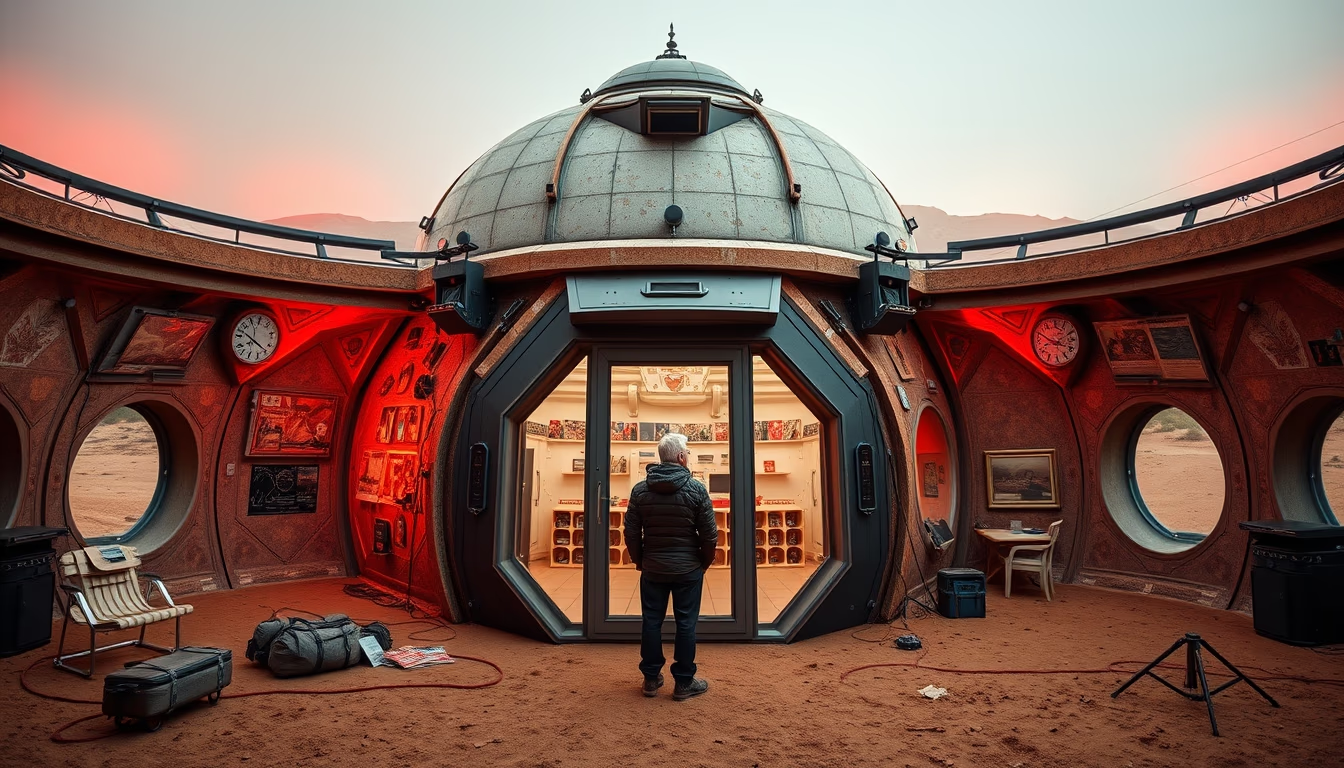
Martian colony domes are pressurized habitats designed to protect the first human settlers from Mars' thin atmosphere and radiation.
About this subject
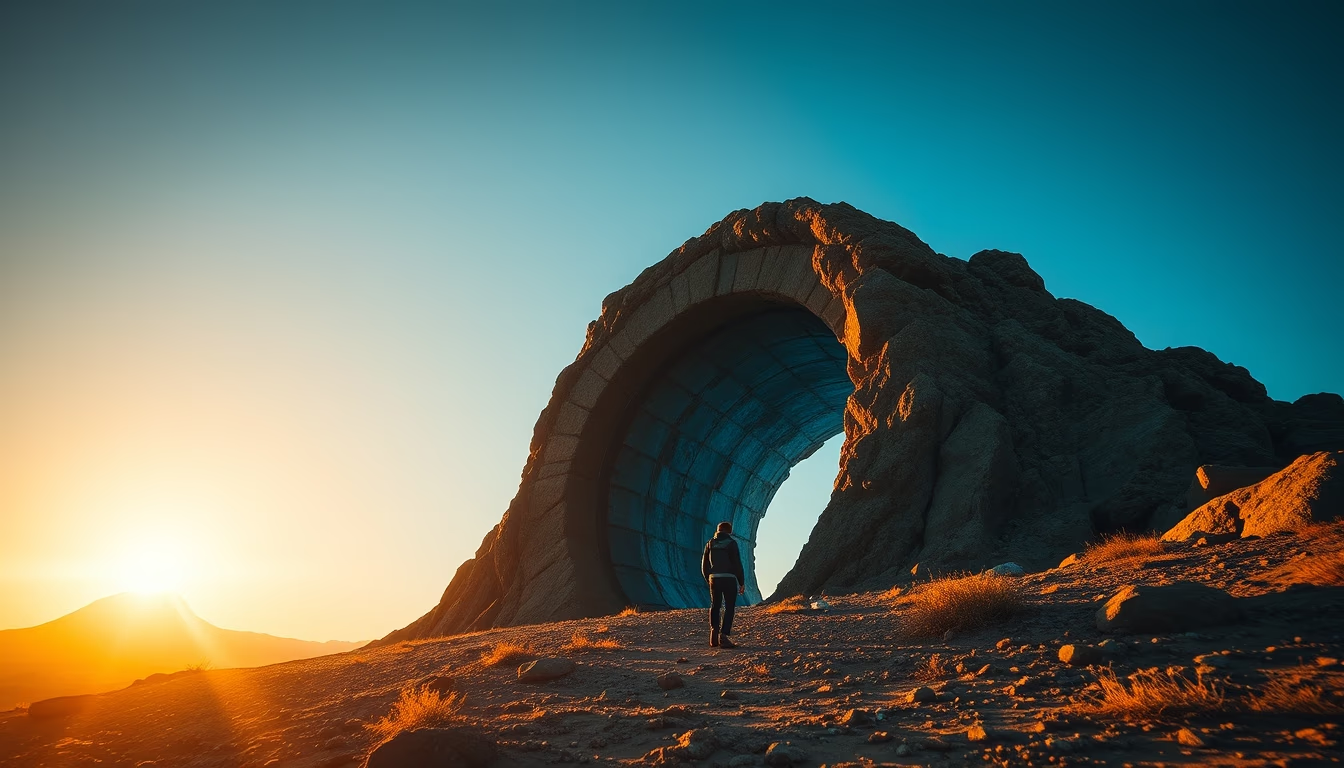
Martian colony domes represent the primary architectural solution for sheltering humans on the surface of the Red Planet. Mars has an atmosphere composed of 95% carbon dioxide, with surface pressure less than 1% of Earth's, making breathing impossible without support. Additionally, the planet lacks a global magnetic field, exposing the surface to high levels of cosmic and solar radiation. Therefore, domes must be airtight, resistant to micrometeorite impacts, and capable of radiation shielding.
Materials such as reinforced polymers, Martian regolith concrete, and inflatable structures are often proposed. Local regolith can be processed into bricks and coatings, reducing the need for transport from Earth. Domes must also include life support systems: water recycling, oxygen generation via electrolysis or plants, and temperature control. Power would come from solar panels or compact nuclear reactors.
NASA and SpaceX have studied concepts like the Mars Base Camp and Elon Musk's proposed self-sustaining city. The first dome will likely be prefabricated and robotically assembled before human arrival. The ideal location would be in mid-latitude regions, where there is subsurface ice and less thermal variation. One major challenge is Martian dust, which can accumulate and reduce solar efficiency, and is toxic due to perchlorates.
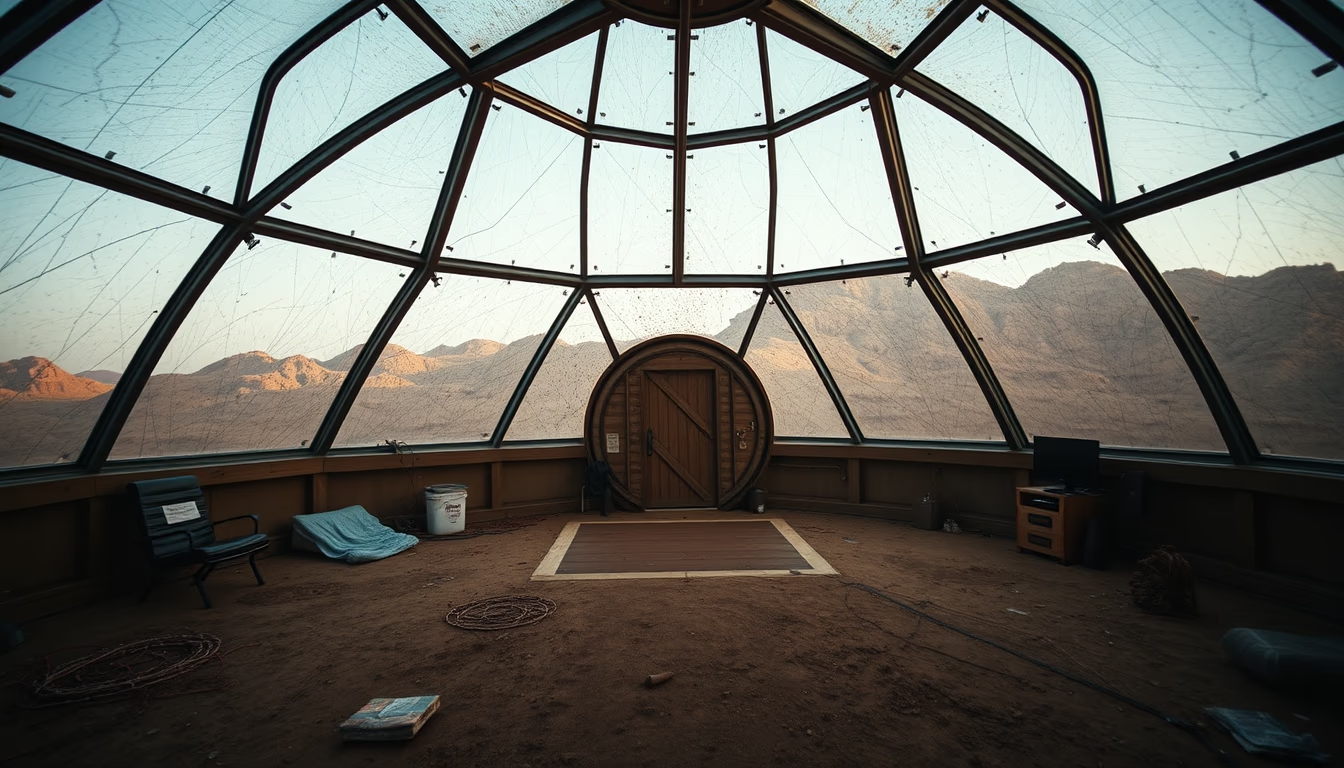
Interestingly, movies like "The Martian" and science fiction have popularized the image of transparent domes, but in reality they would be opaque or have layered radiation protection. Early colonies may start with buried modules or regolith-covered habitats, evolving into large domes with internal parks. Greenhouse agriculture will be vital for food and oxygen production, closing recycling loops.
Frequently Asked Questions
What is the main purpose of a dome on Mars?
To protect settlers from the toxic atmosphere, low pressure, intense radiation, and extreme temperatures by providing a pressurized environment with breathable oxygen.
What materials can be used to build Martian domes?
Local regolith processed into concrete or bricks, reinforced polymers, inflatable structures, and metal alloys. Using in-situ resources reduces transport costs.
How do domes generate oxygen and water?
Oxygen can be extracted from the Martian atmosphere (rich in CO2) via electrolysis or produced by plants in greenhouses. Water will come from subsurface ice or recycling urine and sweat.
Direct URL
https://pub-c7d6a6ea828543ac903a74a341ccb2e1.r2.dev/imagens/martian-colony-dome-studio-editorial-portrait-fresh0.avifHow to credit
Include a visible link back to UtilizAí. Copy one of the snippets below:
<a href="https://xn--utiliza-eza.com/en/midia/imagens/martian-colony-dome-studio-editorial-portrait-fresh0">Martian colony dome</a> by <a href="https://xn--utiliza-eza.com">UtilizAí</a>, licensed under <a href="https://creativecommons.org/licenses/by/4.0/">CC BY 4.0</a>.
[Martian colony dome](https://xn--utiliza-eza.com/en/midia/imagens/martian-colony-dome-studio-editorial-portrait-fresh0) by [UtilizAí](https://xn--utiliza-eza.com), CC BY 4.0
License: CC-BY-4.0