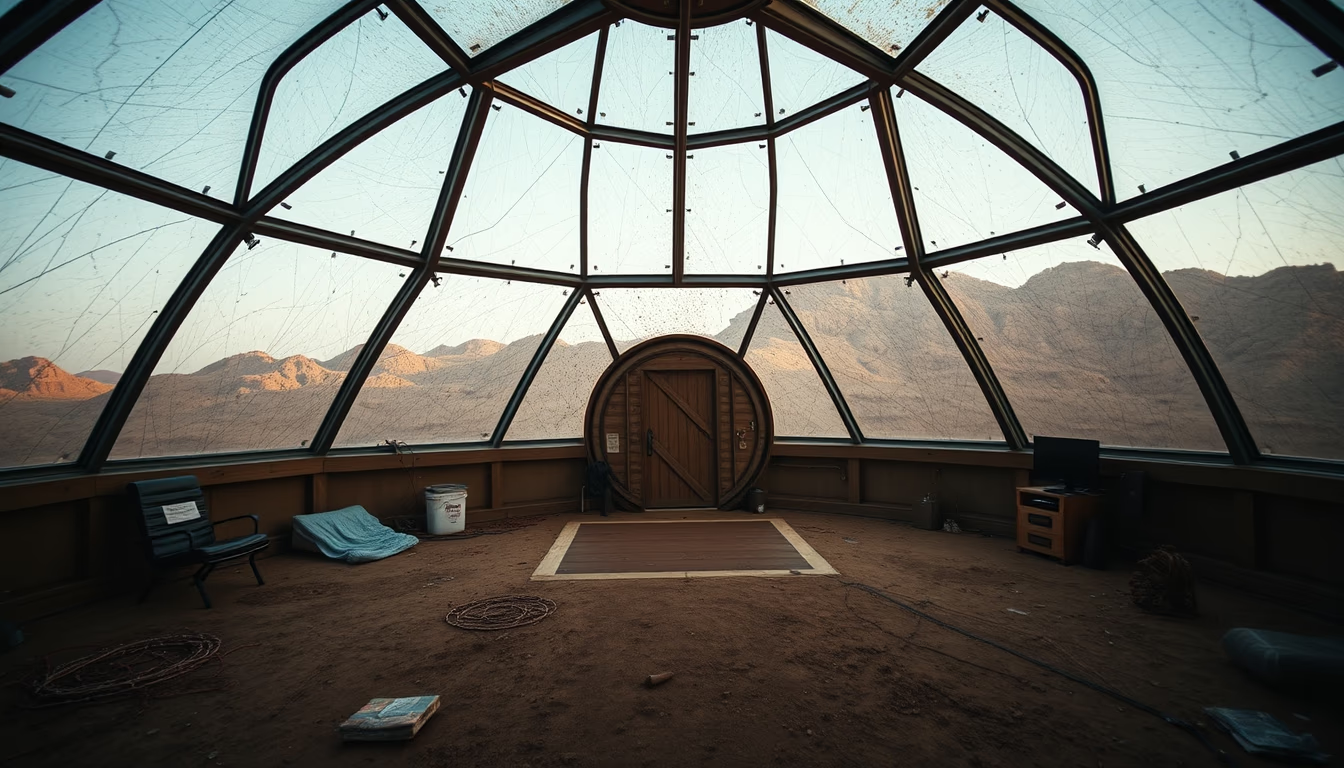
Martian colony dome
1344×768 · AVIF · CC BY 4.0
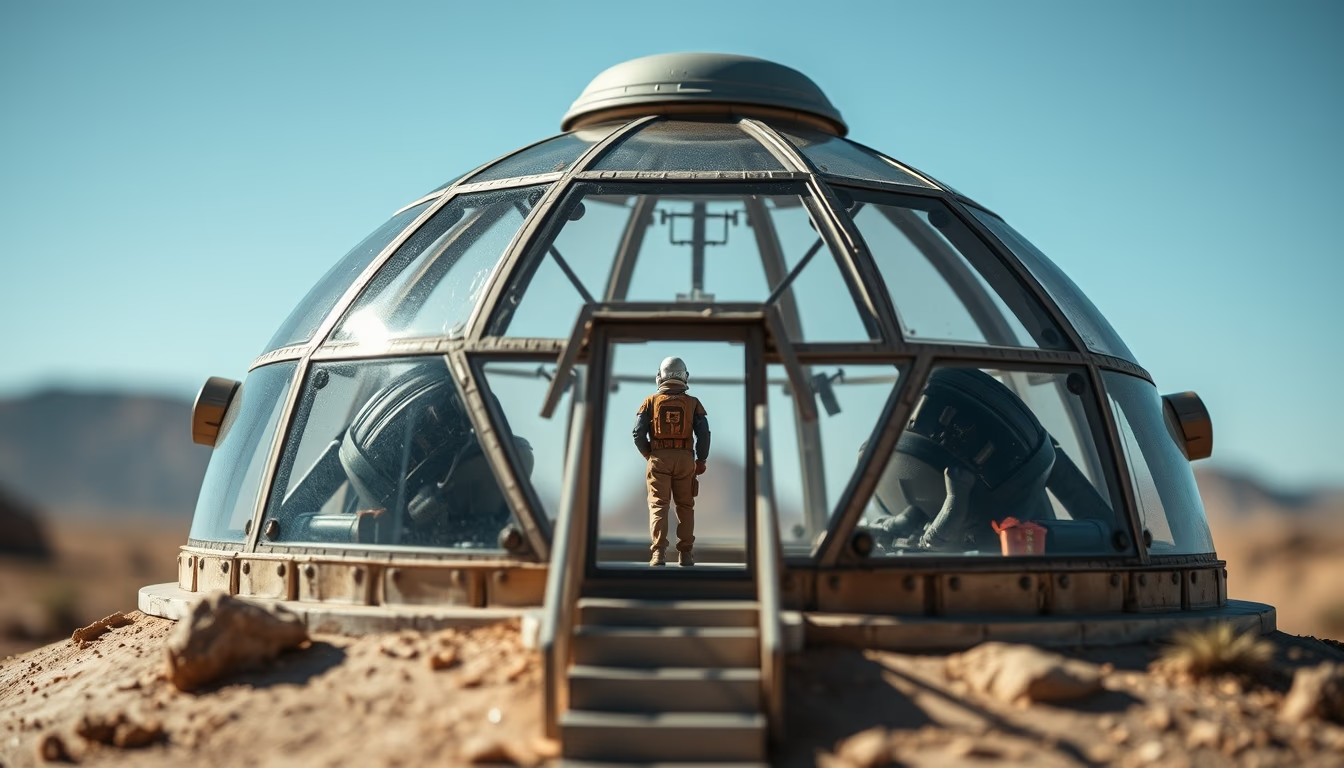
Domes in Martian colonies: pressurized structures for human habitation on Mars, shielding against radiation and thin atmosphere.
About this subject
Martian colonies rely on pressurized domes to create habitable environments on the surface of Mars. These structures, often made of materials like high-density polyethylene or metal alloys, must withstand the low Martian atmospheric pressure (about 0.6% of Earth's) and extreme temperatures ranging from -140°C to 20°C. NASA and SpaceX designs envision modular domes that could be inflated or built with local regolith for protection against cosmic and solar radiation.
The ideal location for a dome colony would be in regions like Utopia Planitia or Valles Marineris, where subsurface water ice exists. Water is essential not only for drinking but also for producing oxygen and fuel (via electrolysis). Additionally, domes can include greenhouses for growing food, such as lettuce and tomatoes, in controlled environments. Artificial LED lighting and water recycling are critical for sustainability.
Interestingly, the first Martian dome will likely be inspired by Antarctic habitats (e.g., Concordia Station) and terrestrial simulations like the Mars Desert Research Station in Utah. These tests help understand how to handle psychological isolation and life-support system maintenance. Colonizing Mars still faces ethical and technical challenges, including protection from global dust storms that can last months.
Frequently Asked Questions
What material is most used for building domes on Mars?
The most studied materials include high-density polyethylene (for inflatable structures) and lightweight metal alloys. Martian regolith can be used as extra shielding for radiation protection.
How do domes protect colonists from radiation?
Radiation on Mars is blocked by thick layers of regolith or water surrounding the dome. Some designs use hydrogen-rich polyethylene coatings that absorb radiation.
Can domes be expanded as the colony grows?
Yes, most modular designs allow connecting new modules or inflating additional sections. 3D printing with regolith can also create expandable structures.
Direct URL
https://pub-c7d6a6ea828543ac903a74a341ccb2e1.r2.dev/imagens/martian-colony-dome-macro-closeup-fresh2.avifHow to credit
Include a visible link back to UtilizAí. Copy one of the snippets below:
<a href="https://xn--utiliza-eza.com/en/midia/imagens/martian-colony-dome-macro-closeup-fresh2">Martian colony dome</a> by <a href="https://xn--utiliza-eza.com">UtilizAí</a>, licensed under <a href="https://creativecommons.org/licenses/by/4.0/">CC BY 4.0</a>.
[Martian colony dome](https://xn--utiliza-eza.com/en/midia/imagens/martian-colony-dome-macro-closeup-fresh2) by [UtilizAí](https://xn--utiliza-eza.com), CC BY 4.0
License: CC-BY-4.0