Martian colony dome
1344×768 · AVIF · CC BY 4.0
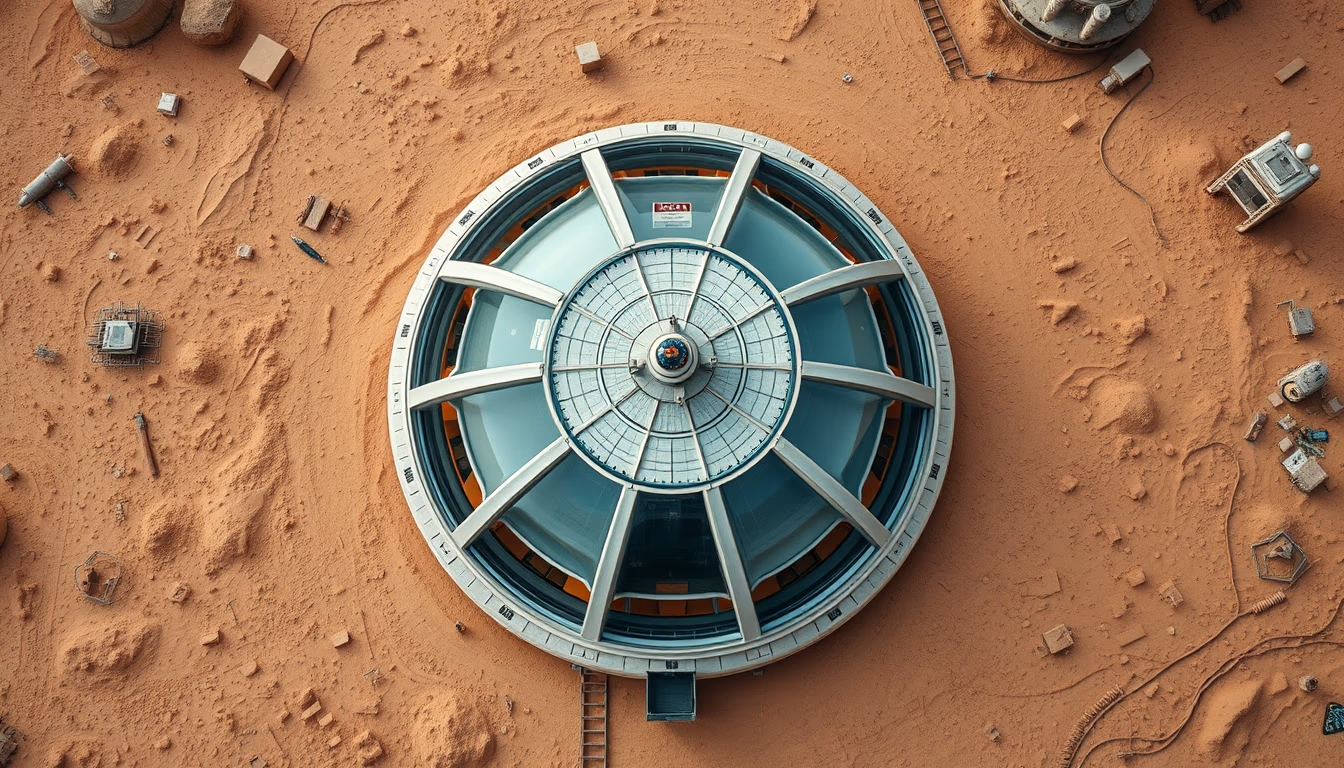
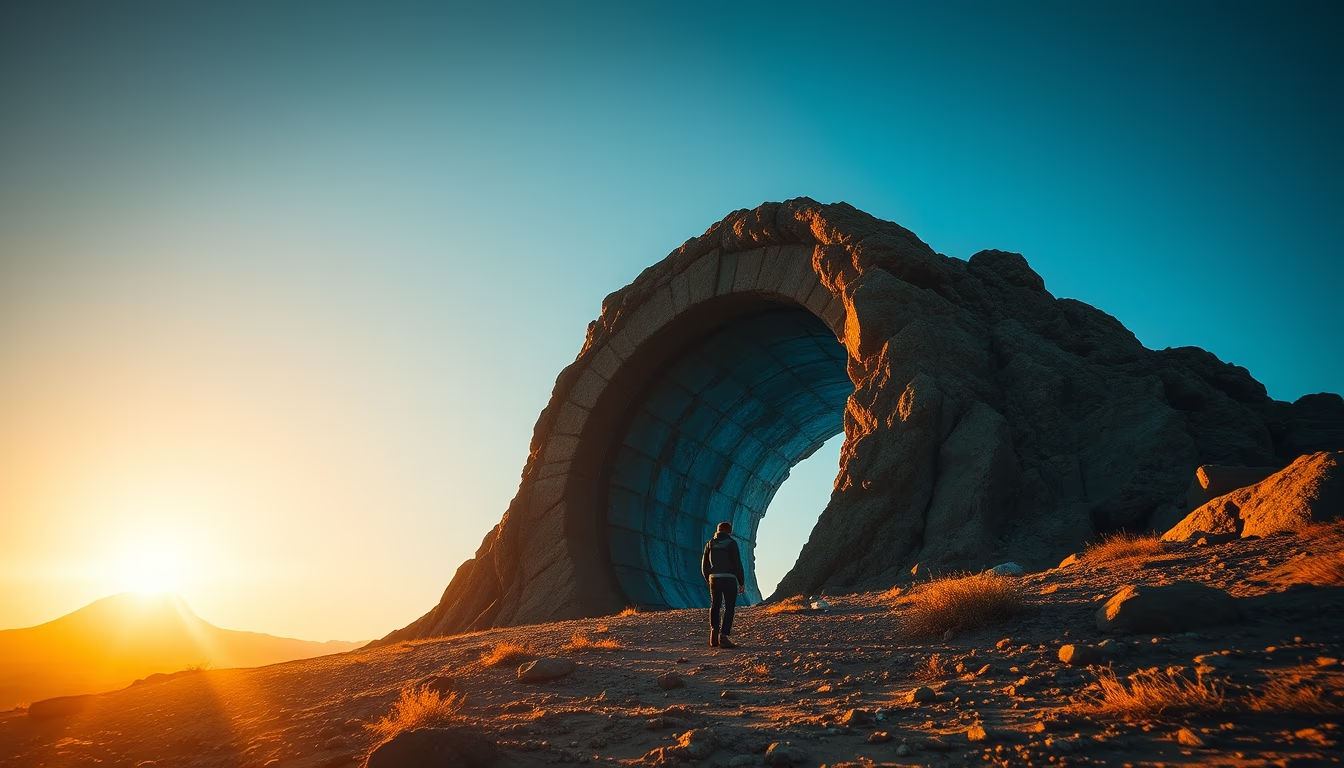
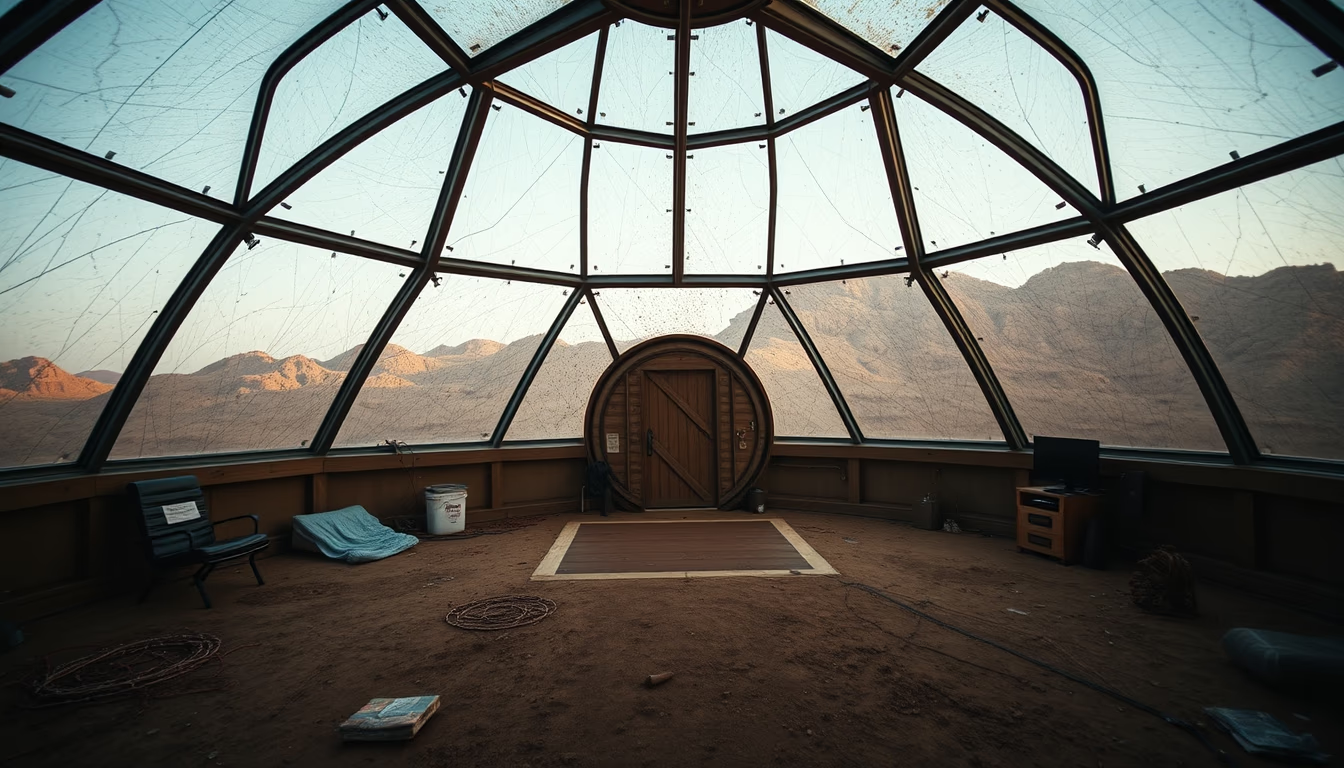
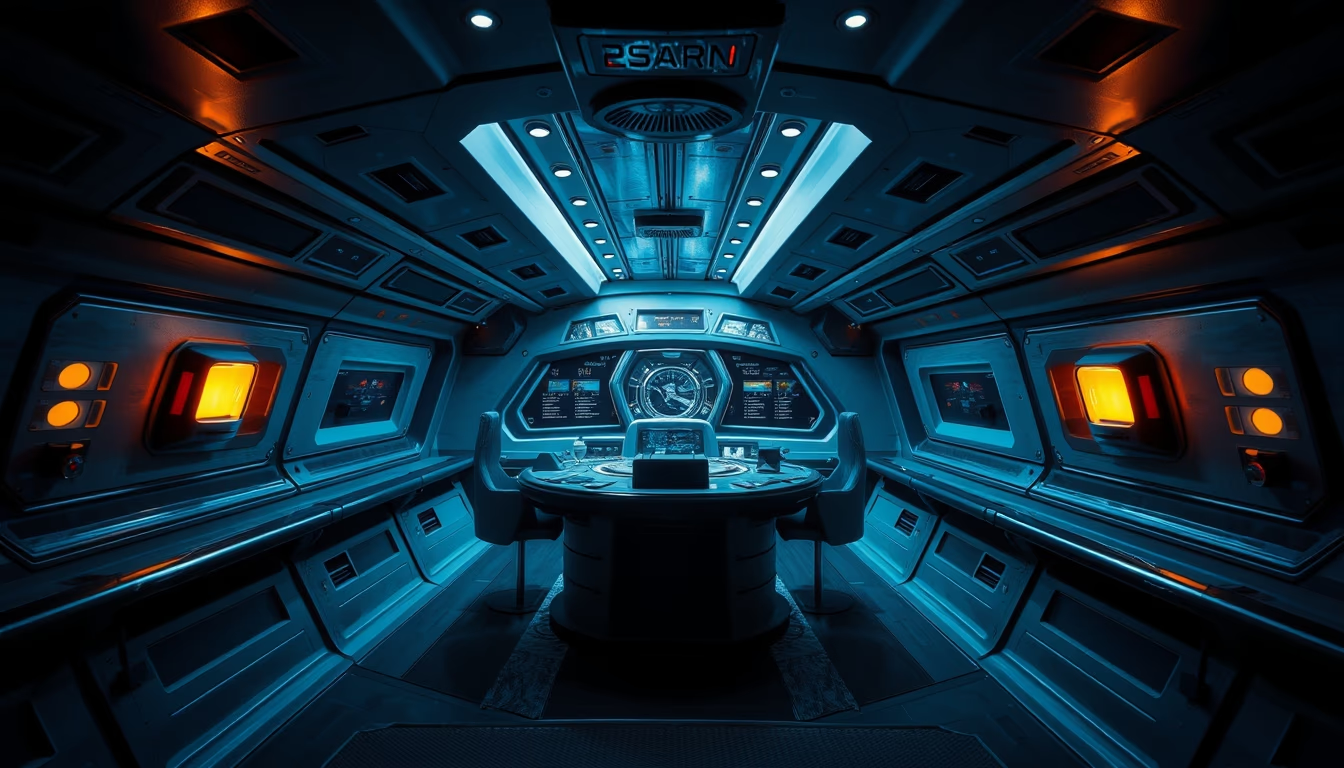
Pressurized dome concepts for Martian colonies are proposed to protect early human settlers from radiation and the thin atmosphere.
About this subject
Colonizing Mars requires solutions to extreme challenges. The Martian surface has an atmospheric pressure only 0.6% of Earth's, an average temperature of -60°C, and radiation levels 2.5 times higher than on the International Space Station. Pressurized domes are a recurring proposal, as they can create habitable environments with oxygen, temperature control, and shielding from solar and cosmic particles. Designs like NASA's Mars Ice Home propose using frozen water as structural material that also blocks radiation, with ice walls one meter thick. Other concepts use inflatable structures covered with Martian regolith, a mineral-rich soil that can be processed into bricks or used as protective blanket. SpaceX, in its Starship plans, envisions building modular bases with geodesic domes assembled on site. However, fine electrostatic dust on Mars damages equipment and requires advanced filtration systems. In-situ production of water and oxygen (via Sabatier process and electrolysis) would be essential to sustain colonies. Despite obstacles, space agencies and private companies advance through terrestrial simulations and robotic missions to test habitat technologies. The first Martian dome could emerge this century, as part of a scientific base or permanent settlement.
Frequently Asked Questions
How would a Martian dome maintain internal pressure?
The dome would be built with airtight materials like carbon fiber or ice, and pressurized with processed air from Mars' CO2-rich atmosphere. Life support systems would recycle oxygen and remove carbon dioxide.
What are the main materials proposed for building domes on Mars?
Martian regolith for radiation shielding, water ice for translucent domes (e.g., Mars Ice Home), metal alloys for rigid structures, and inflatable polymers for temporary modules.
How would colonies deal with Martian dust storms?
Domes would be hermetically sealed and built to withstand high winds. High-efficiency air filters and electrostatic cleaners would prevent dust buildup in ventilation systems.
Direct URL
https://pub-c7d6a6ea828543ac903a74a341ccb2e1.r2.dev/imagens/martian-colony-dome-isometric-flat-lay-fresh14.avifHow to credit
Include a visible link back to UtilizAí. Copy one of the snippets below:
<a href="https://xn--utiliza-eza.com/en/midia/imagens/martian-colony-dome-isometric-flat-lay-fresh14">Martian colony dome</a> by <a href="https://xn--utiliza-eza.com">UtilizAí</a>, licensed under <a href="https://creativecommons.org/licenses/by/4.0/">CC BY 4.0</a>.
[Martian colony dome](https://xn--utiliza-eza.com/en/midia/imagens/martian-colony-dome-isometric-flat-lay-fresh14) by [UtilizAí](https://xn--utiliza-eza.com), CC BY 4.0
License: CC-BY-4.0