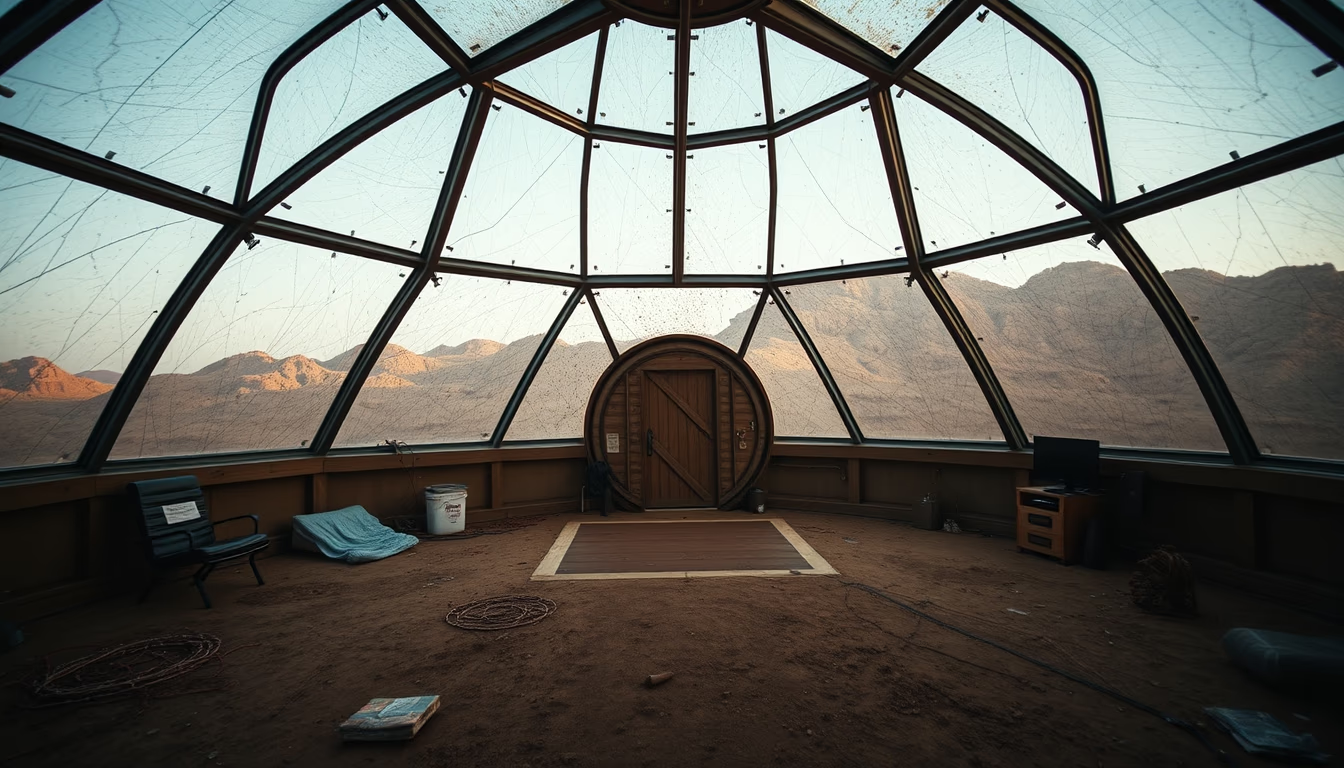
Martian colony dome
1344×768 · AVIF · CC BY 4.0
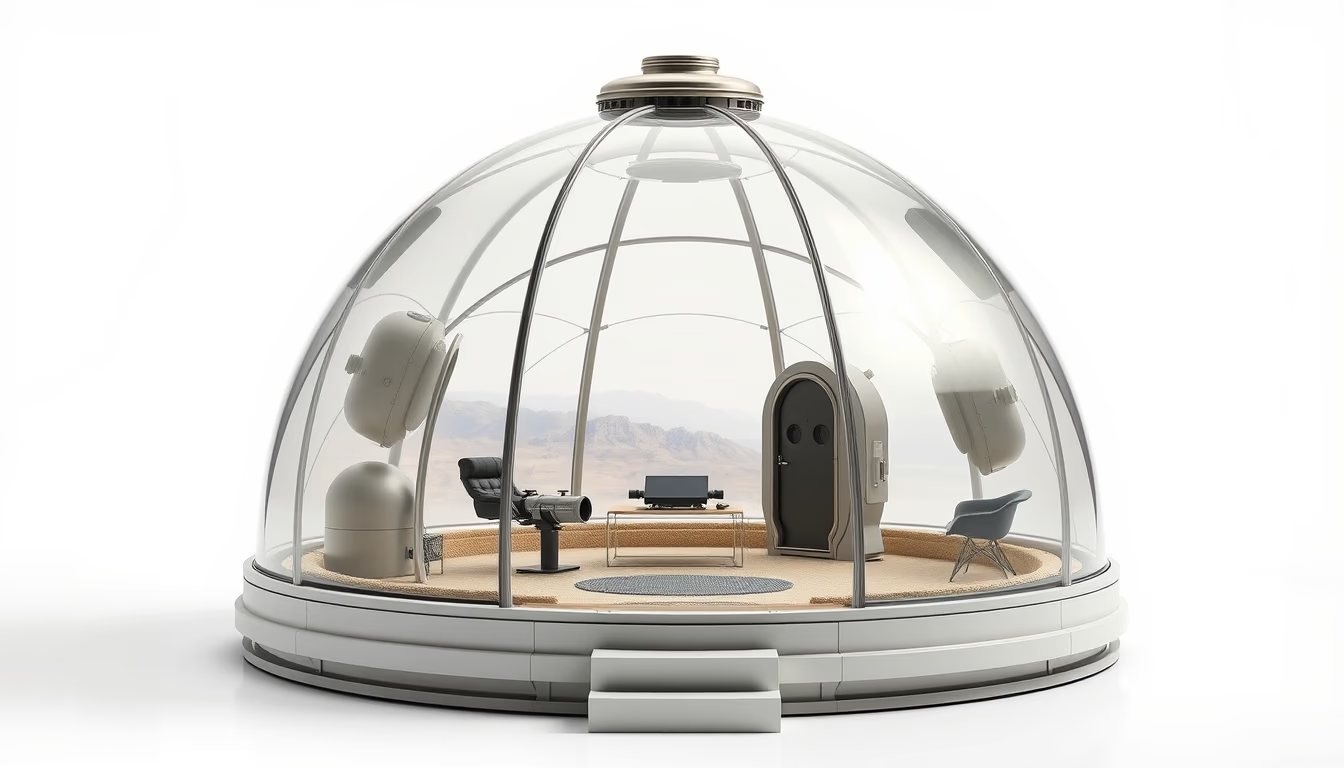
Domes for Mars colonies are architectural proposals aimed at protecting humans from radiation and low atmospheric pressure, using materials like regolith and polymers.
About this subject
Martian colony domes represent one of the most iconic concepts in future space exploration. Unlike underground habitats, domes allow natural sunlight and ample interior space. Cosmic and solar radiation on the Martian surface is a major challenge, as the thin atmosphere offers little protection. Proposed solutions include multi-layered domes filled with water or sintered regolith to block harmful particles. Martian atmospheric pressure is less than 1% of Earth's, requiring sealed structures that can withstand pressure differentials. Projects like the Mars Desert Research Station test analogous technologies in arid environments on Earth. Beyond protection, domes must incorporate life support systems such as oxygen generation via water electrolysis and plant cultivation in internal greenhouses. External temperatures on Mars range from -125°C to 20°C, demanding efficient thermal insulation. Materials like high-density polyethylene and fiberglass are studied for their lightness and strength. Construction of domes on Mars will likely use robots and 3D printing with local soil to reduce transport costs. NASA and SpaceX consider modular inflatable habitats that can be covered with regolith for added shielding. Interestingly, some proposals include transparent domes made from lunar or Martian silica glass, allowing agriculture with natural light. Dome design must also account for fine, electrostatic Martian dust, which can coat surfaces and reduce solar panel efficiency. Cleaning systems using vibration or compressed air are integrated into the designs. Although no permanent colonies exist yet, concepts evolve constantly based on robotic missions and habitability studies.
Frequently Asked Questions
Why are domes considered for Martian colonies?
Domes provide ample internal space and natural sunlight while protecting against radiation and low atmospheric pressure. They can be built with local materials like regolith, reducing transport costs.
What materials are used in Martian domes?
Common materials include high-density polyethylene, fiberglass, and sintered regolith. Some proposals use lunar or Martian silica glass for transparency and strength.
How do domes handle radiation on Mars?
Multi-layered walls filled with water or compacted regolith can block radiation. Inflatable domes covered by Martian soil also provide additional shielding against cosmic particles.
Direct URL
https://pub-c7d6a6ea828543ac903a74a341ccb2e1.r2.dev/imagens/martian-colony-dome-commercial-product-photography-fresh6.avifHow to credit
Include a visible link back to UtilizAí. Copy one of the snippets below:
<a href="https://xn--utiliza-eza.com/en/midia/imagens/martian-colony-dome-commercial-product-photography-fresh6">Martian colony dome</a> by <a href="https://xn--utiliza-eza.com">UtilizAí</a>, licensed under <a href="https://creativecommons.org/licenses/by/4.0/">CC BY 4.0</a>.
[Martian colony dome](https://xn--utiliza-eza.com/en/midia/imagens/martian-colony-dome-commercial-product-photography-fresh6) by [UtilizAí](https://xn--utiliza-eza.com), CC BY 4.0
License: CC-BY-4.0