Maritime knots rope
1344×768 · AVIF · CC BY 4.0
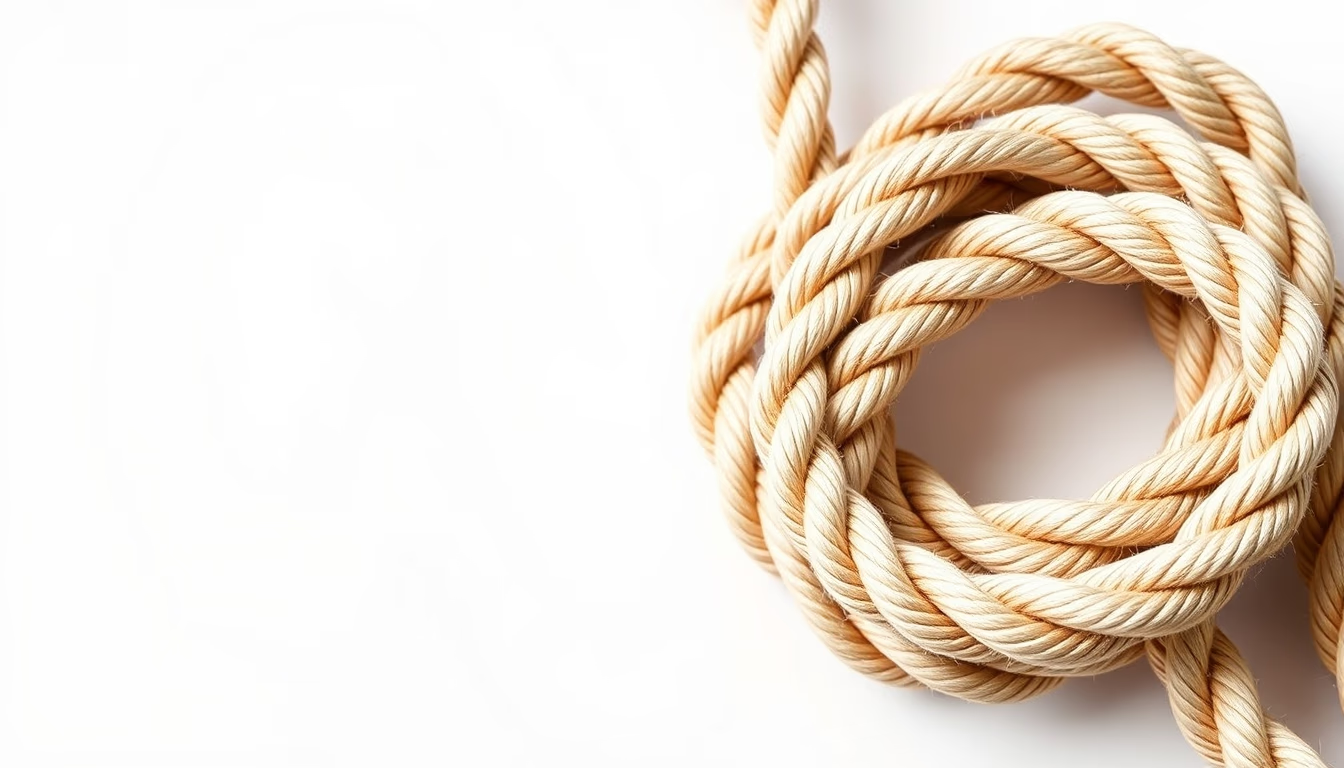
Maritime knots and rope: essential techniques for boat fastening, types of knots, and history of nautical bindings.
About this subject
Maritime knots are lashing techniques used for centuries in navigation, essential for safety and functionality on board. Each knot has a specific application: the reef knot joins two ropes of equal diameter, while the running knot adjusts under tension, ideal for securing lines to posts. The figure-eight knot is indispensable to prevent the rope from slipping through equipment, and the clove hitch quickly attaches a rope to a mast or ring. The choice of rope is also critical. Synthetic materials like nylon and polyester offer high tensile strength and durability, but natural ropes such as manila (hemp) are still used for their grip and tradition. The history of maritime knots dates back to ancient Egyptians, who used papyrus ropes to lash boats. Over time, Phoenicians, Greeks, and Vikings refined the techniques, passed down orally through generations of sailors. Today, recreational sailing and competitive sailing keep this art alive, with manuals and courses teaching everything from basic knots to complex rigging for anchoring and towing. A curiosity: the figure-eight knot is one of the safest, losing only 20% of the original rope strength, while the simple overhand knot can reduce strength by up to 50%.
Frequently Asked Questions
What is the strongest knot for maritime mooring?
The figure-eight knot is considered one of the strongest and safest, retaining about 80% of the original rope strength. Other strong knots include the reef knot and the clove hitch, if properly executed.
How do you tie a running knot?
Tie a simple loop, pass the working end through it, and pull tight. The knot slides along the line, making it ideal for securing lines to posts or rings.
What is the difference between synthetic and natural rope for nautical use?
Synthetic ropes (nylon, polyester) are stronger, more resistant to water and mildew, and last longer. Natural ropes (manila, sisal) offer better grip and are biodegradable, but require care against moisture and fungi.
Direct URL
https://pub-c7d6a6ea828543ac903a74a341ccb2e1.r2.dev/imagens/maritime-knots-rope-commercial-product-photography-p2.avifHow to credit
Include a visible link back to UtilizAí. Copy one of the snippets below:
<a href="https://xn--utiliza-eza.com/en/midia/imagens/maritime-knots-rope-commercial-product-photography-p2">Maritime knots rope</a> by <a href="https://xn--utiliza-eza.com">UtilizAí</a>, licensed under <a href="https://creativecommons.org/licenses/by/4.0/">CC BY 4.0</a>.
[Maritime knots rope](https://xn--utiliza-eza.com/en/midia/imagens/maritime-knots-rope-commercial-product-photography-p2) by [UtilizAí](https://xn--utiliza-eza.com), CC BY 4.0
License: CC-BY-4.0