Manuka honey new zealand
1344×768 · AVIF · CC BY 4.0
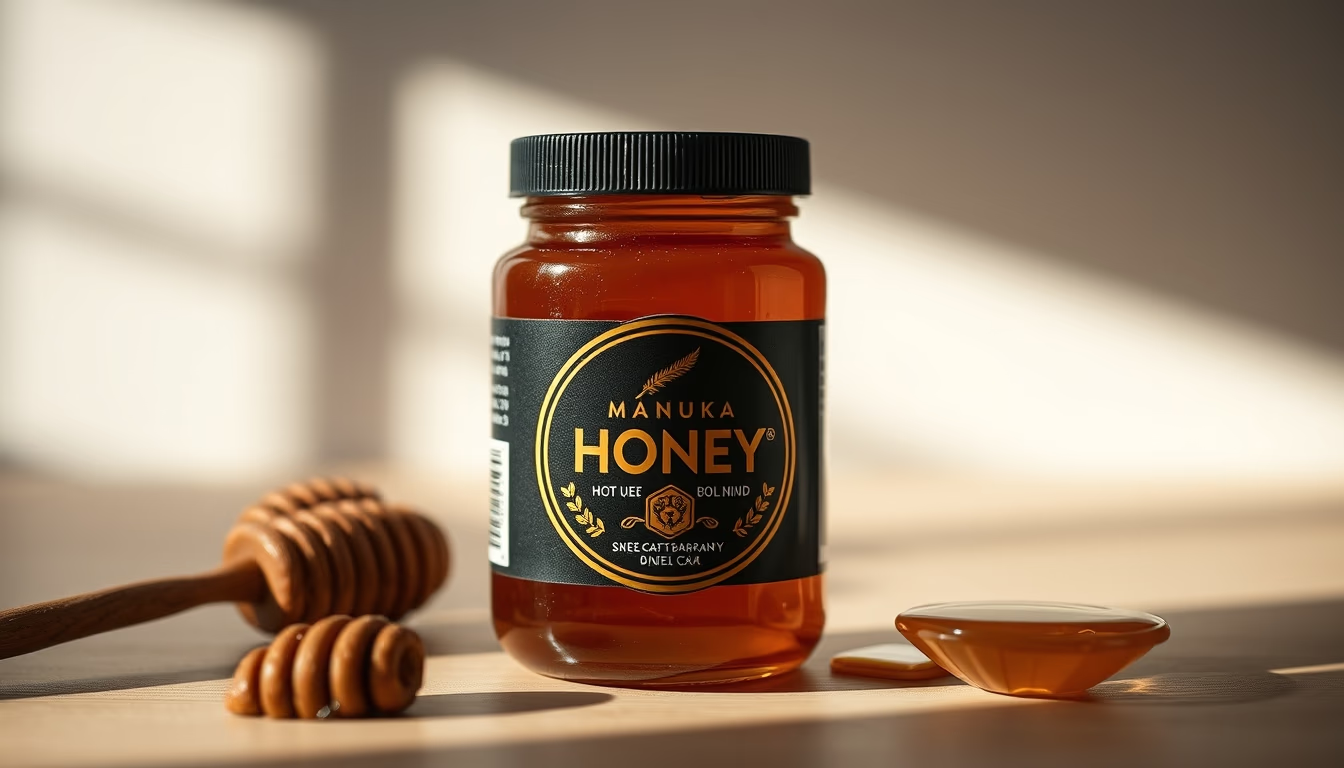
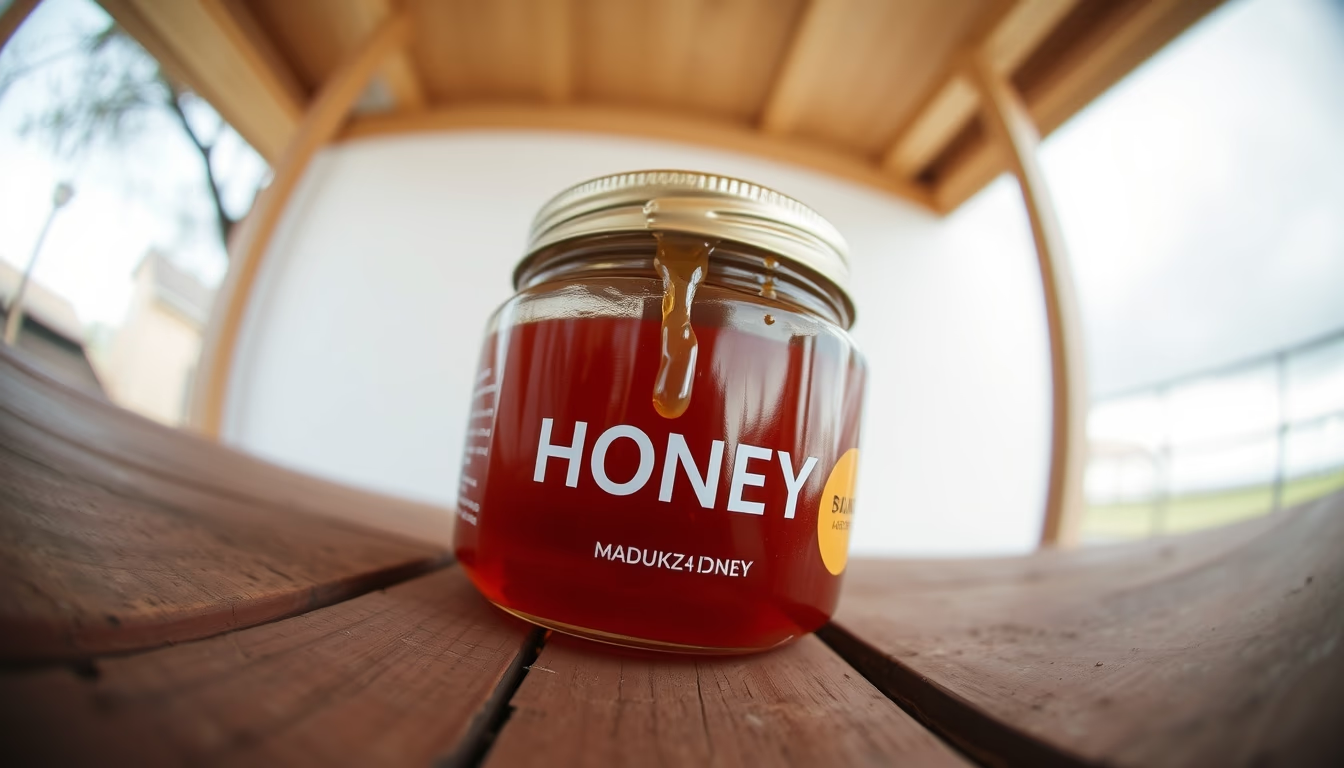
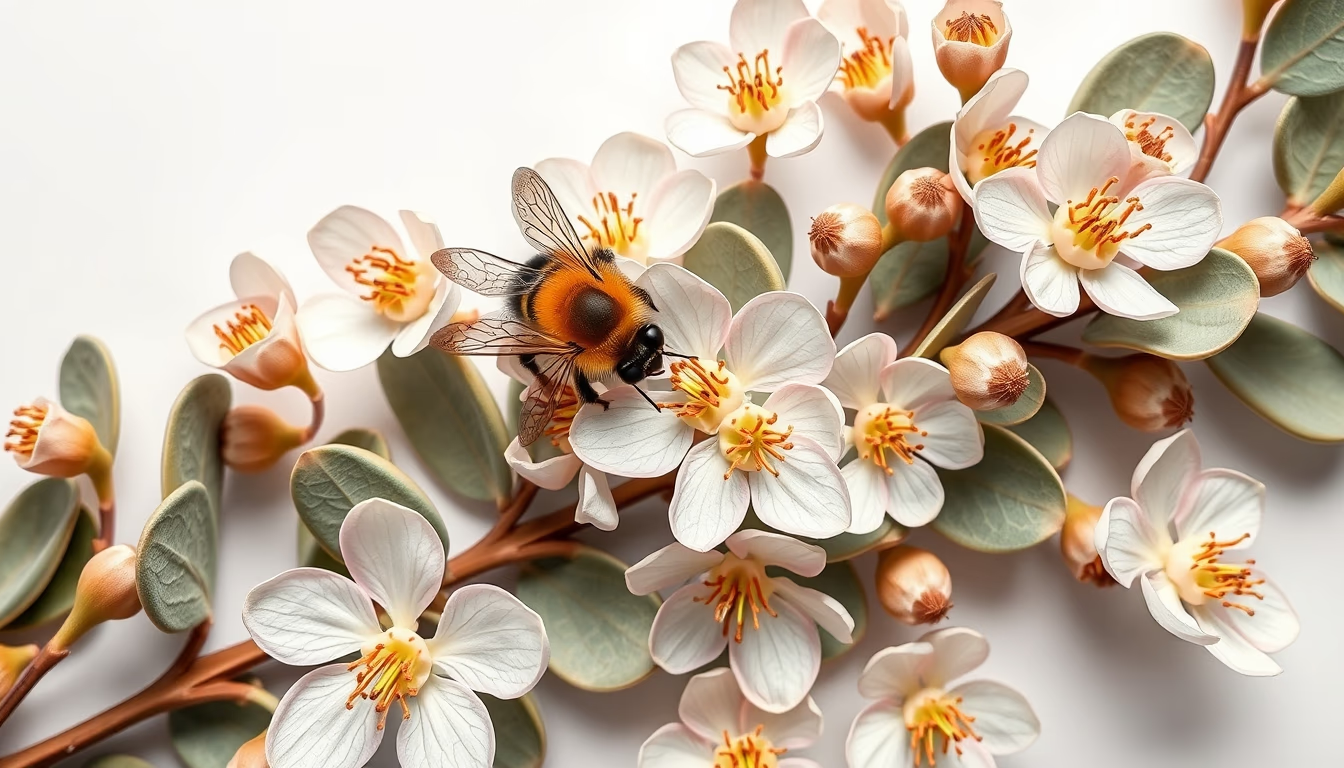
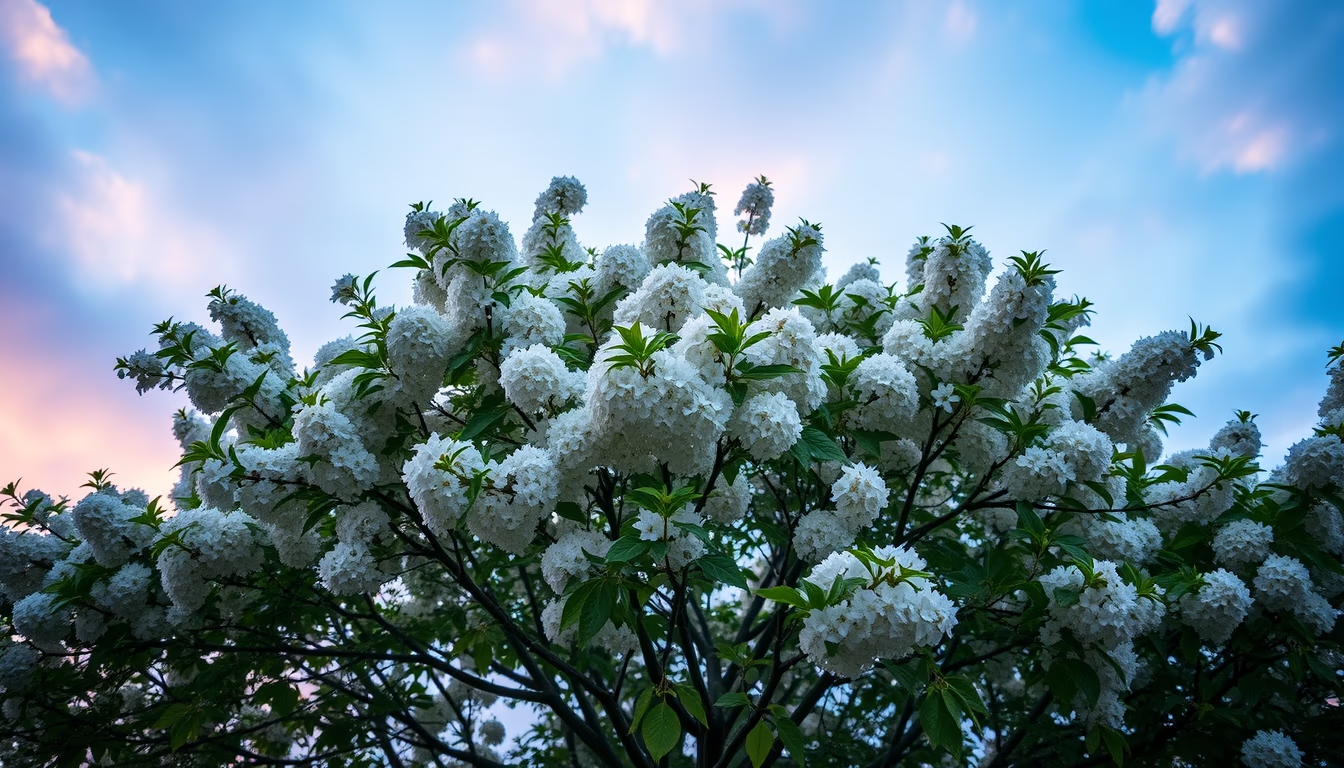
Manuka honey from New Zealand, renowned for its unique antibacterial properties, is produced from the flowers of the manuka tree.
About this subject
Manuka honey is a type of monofloral honey produced mainly in New Zealand from the nectar of the flowers of the manuka tree (Leptospermum scoparium). Unlike conventional honeys, manuka honey contains high levels of methylglyoxal (MGO), a compound responsible for its potent antibacterial activity. This compound forms naturally during honey maturation from the conversion of dihydroxyacetone present in the flower nectar.
To ensure authenticity and quality, manuka honey is graded using systems such as UMF (Unique Manuka Factor) and MGO, which indicate the methylglyoxal content. The higher the rating, the more potent the honey. This standardization is essential to differentiate genuine manuka honey from blends or adulterations, common in the international market.
Beyond its use as a functional food, manuka honey has well-documented therapeutic applications. Clinical studies demonstrate efficacy in treating chronic wounds, burns, and bacterial infections, including antibiotic-resistant strains. In New Zealand, medical-grade manuka honey is used in sterile dressings to promote healing and reduce inflammation.
Culturally, the manuka tree holds significance for the Māori people, who historically used its leaves and bark to prepare infusions and ointments. Today, manuka beekeeping is a major industry in New Zealand, generating millions of dollars and subject to strict geographical indication regulations. Production is seasonal and limited, contributing to its high value in the global market.
Frequently Asked Questions
What makes Manuka honey different from regular honey?
Manuka honey contains high levels of methylglyoxal (MGO), a much more potent antibacterial compound than the hydrogen peroxide found in other honeys. This gives it unique therapeutic properties, effective against bacteria such as methicillin-resistant Staphylococcus aureus (MRSA).
How can I identify genuine Manuka honey?
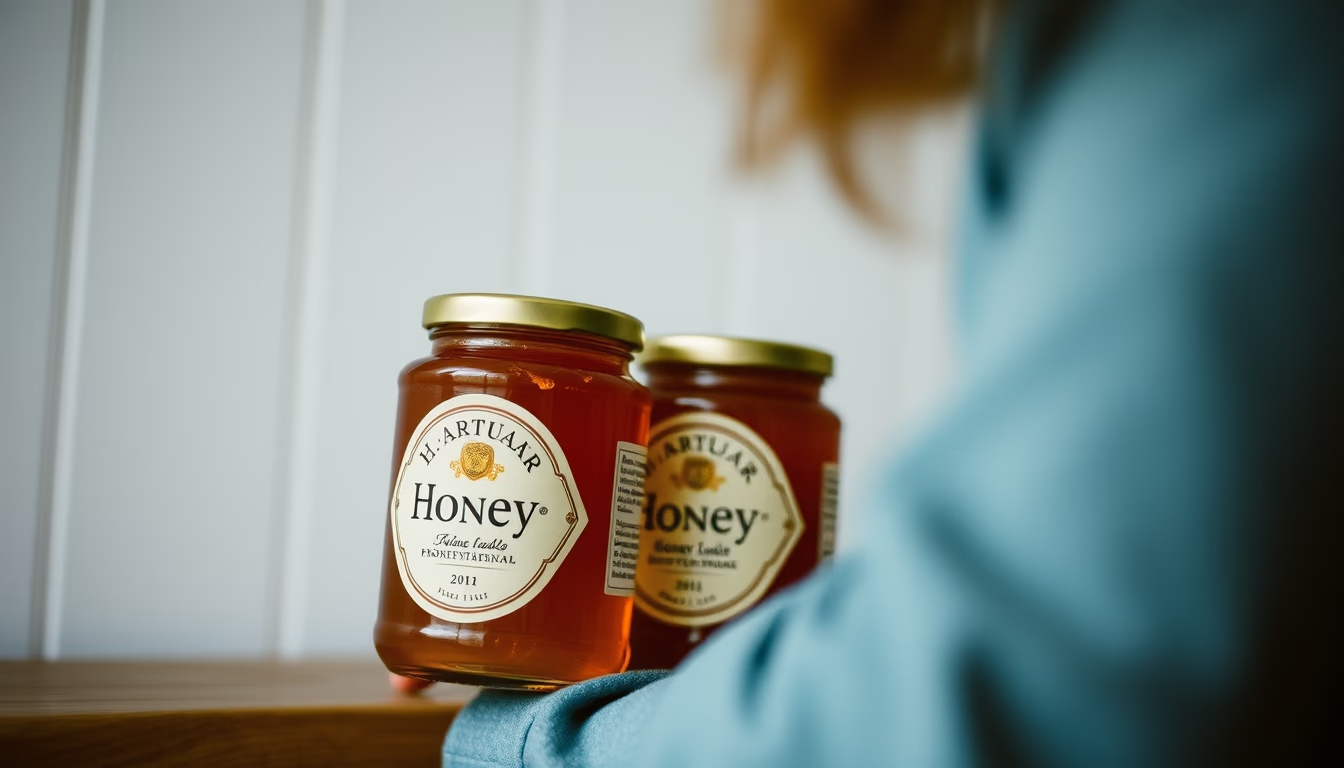
Look for certification seals like UMF (Unique Manuka Factor) or MGO (methylglyoxal) on the label, issued by recognized associations. Genuine Manuka honey has a dark color, earthy aroma, and creamy texture. Avoid products that don't specify a rating or only list 'manuka honey' without indicating potency.
Can Manuka honey be used on wounds?
Yes, medical-grade Manuka honey is approved for use in dressings for wounds, burns, and ulcers. It creates a moist environment, reduces inflammation, and inhibits bacterial growth. However, do not apply regular manuka honey to open wounds without medical guidance, as sterility is not guaranteed.
Direct URL
https://pub-c7d6a6ea828543ac903a74a341ccb2e1.r2.dev/imagens/manuka-honey-new-zealand-minimalist-composition-fresh6.avifHow to credit
Include a visible link back to UtilizAí. Copy one of the snippets below:
<a href="https://xn--utiliza-eza.com/en/midia/imagens/manuka-honey-new-zealand-minimalist-composition-fresh6">Manuka honey new zealand</a> by <a href="https://xn--utiliza-eza.com">UtilizAí</a>, licensed under <a href="https://creativecommons.org/licenses/by/4.0/">CC BY 4.0</a>.
[Manuka honey new zealand](https://xn--utiliza-eza.com/en/midia/imagens/manuka-honey-new-zealand-minimalist-composition-fresh6) by [UtilizAí](https://xn--utiliza-eza.com), CC BY 4.0
License: CC-BY-4.0