Manuka honey new zealand
1344×768 · AVIF · CC BY 4.0
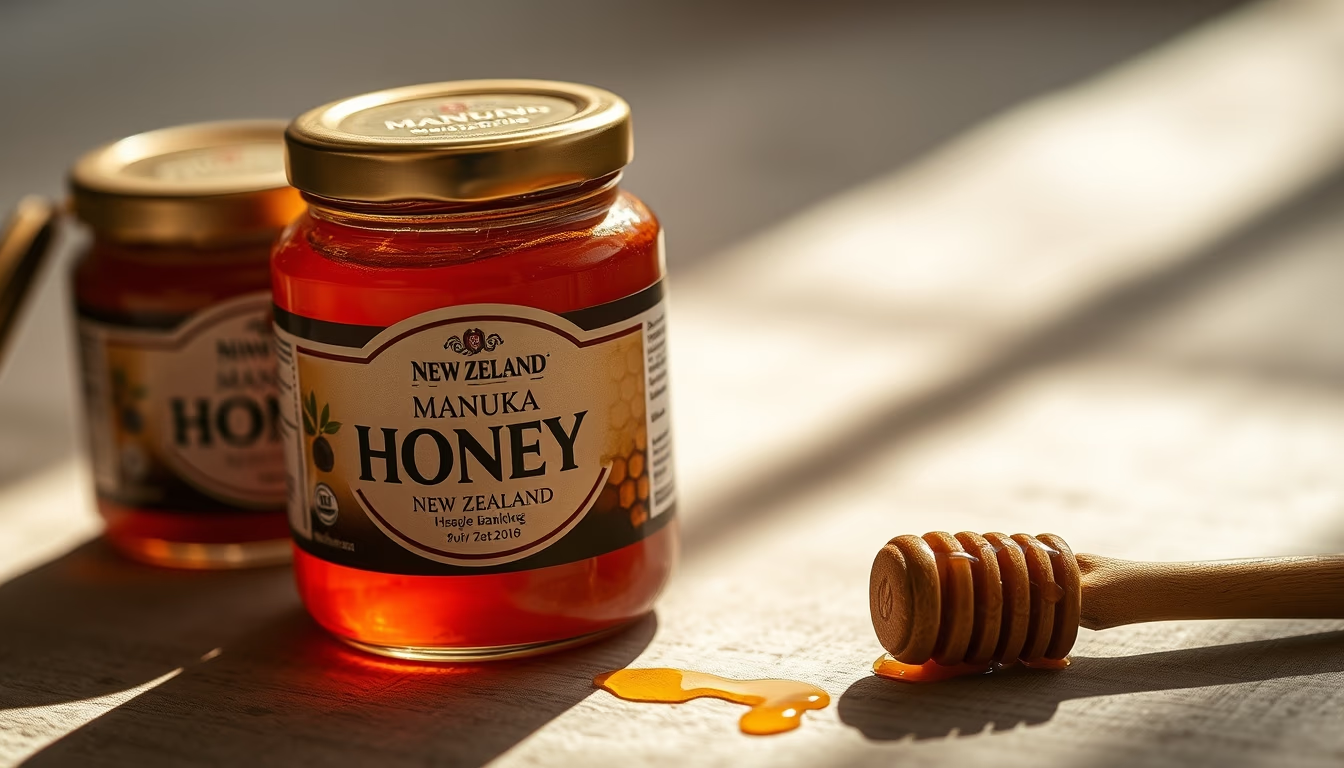
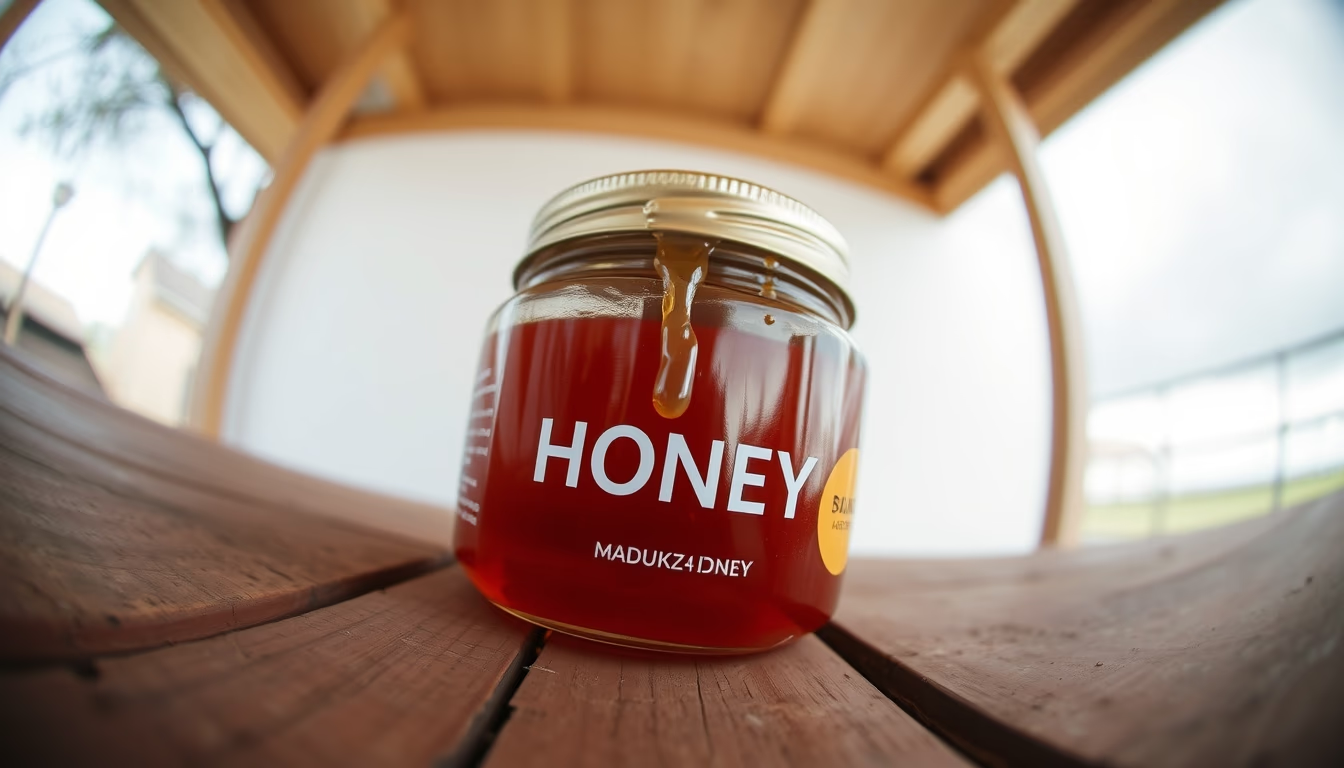
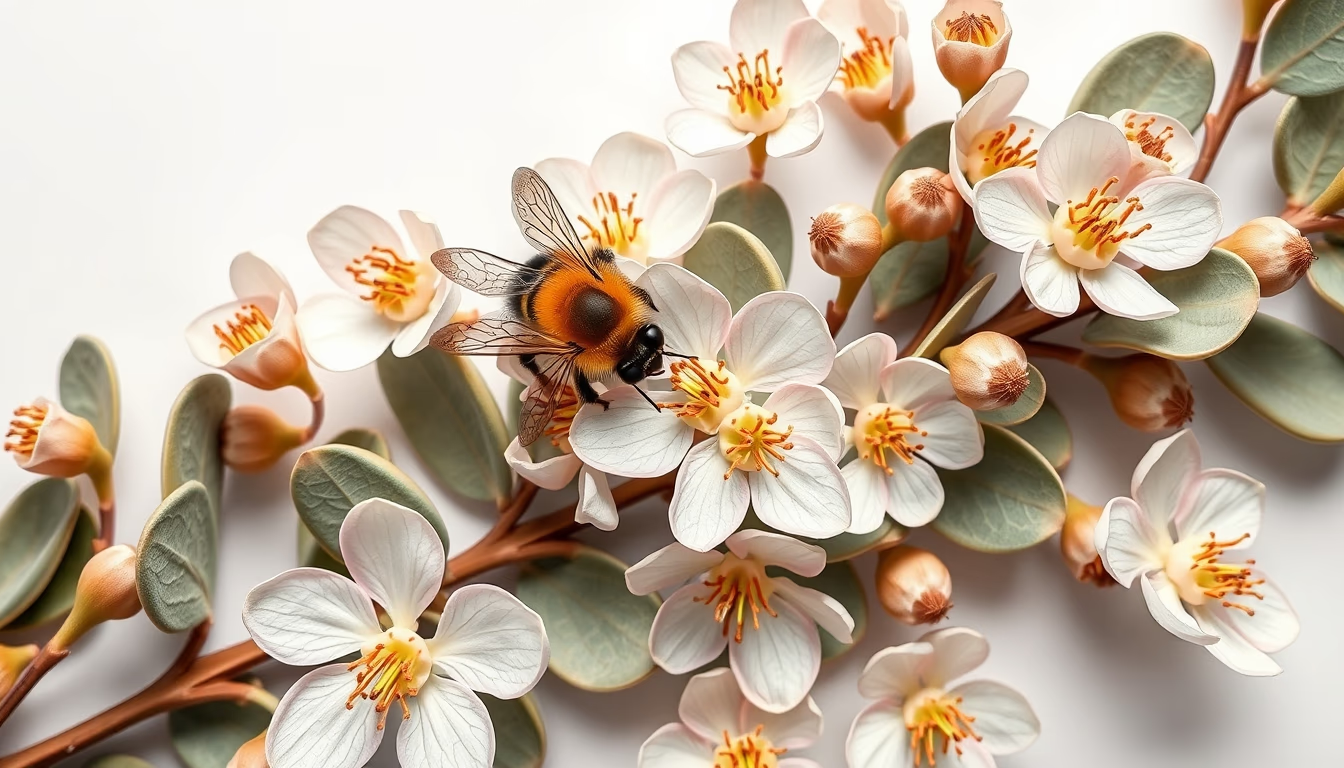
Manuka honey from New Zealand is renowned for its unique antibacterial properties derived from the nectar of the Manuka flower.
About this subject
Manuka honey is produced from the nectar of the Manuka tree (Leptospermum scoparium), native to New Zealand and parts of Australia. Its global fame stems from the compound methylglyoxal (MGO), which provides significantly higher antibacterial activity than regular honey. MGO is formed from dihydroxyacetone in the flower nectar, and its concentration determines the honey's potency, measured by grading systems like UMF (Unique Manuka Factor) and MGO.
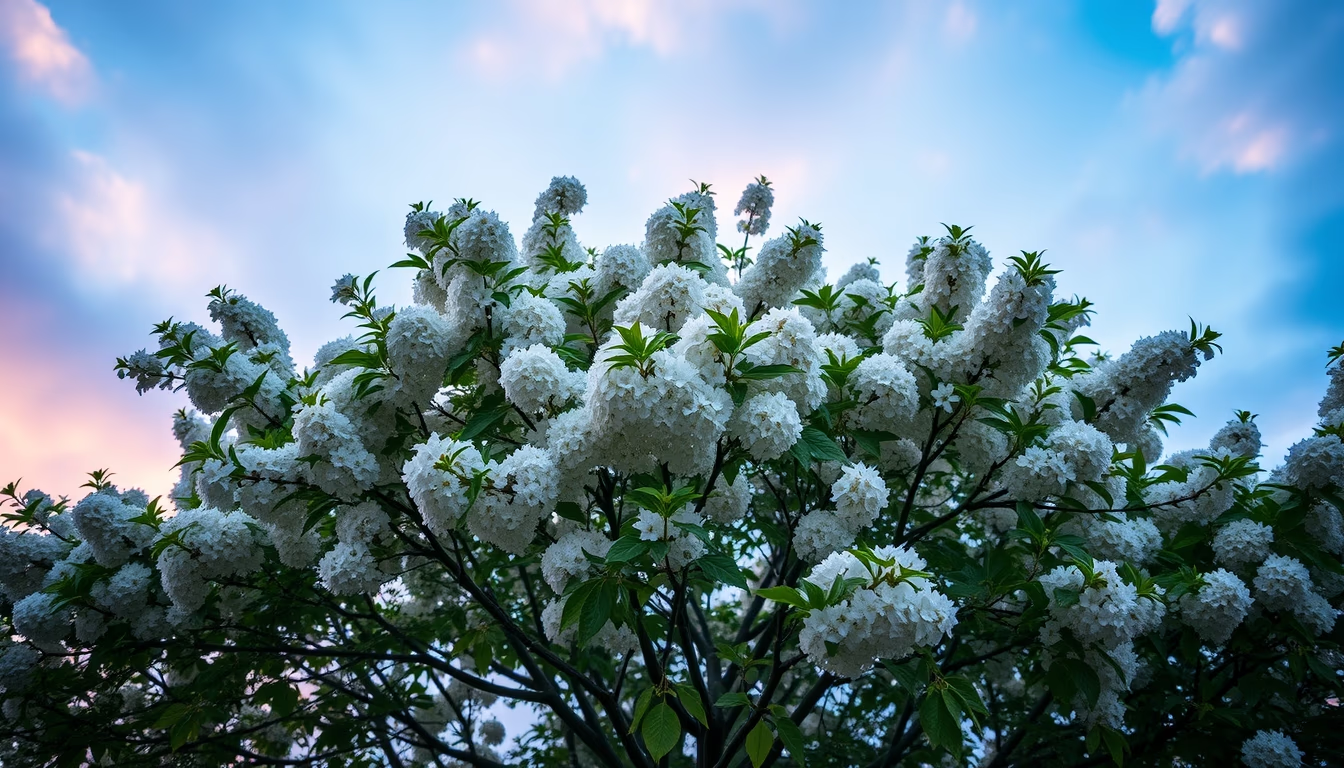
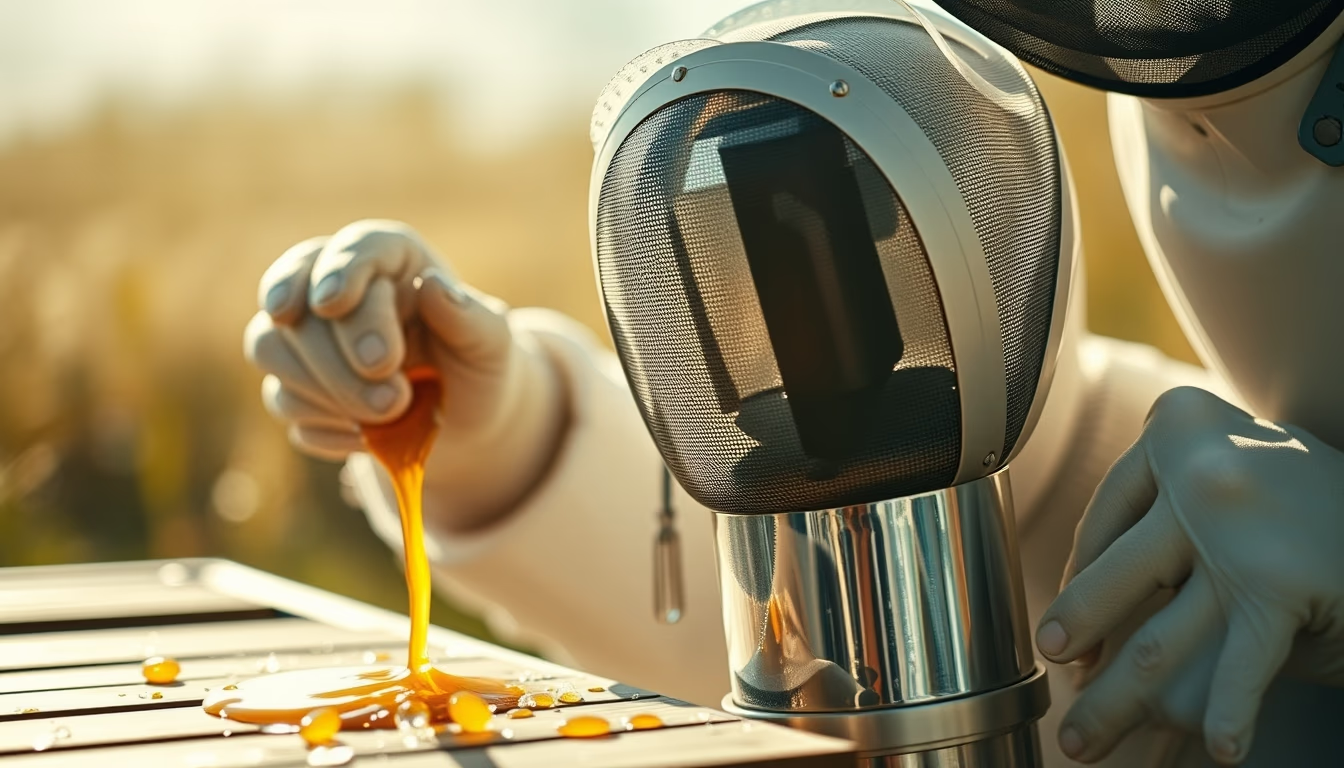
Production is seasonal and limited, occurring during New Zealand's spring and summer when the trees bloom. Hives are placed in remote native bush areas, often accessible only by helicopter. The honey is harvested and processed carefully to preserve natural properties. New Zealand has established strict certification standards, such as UMFHA (Unique Manuka Factor Honey Association), to ensure authenticity and combat fraud in the global market.
Beyond sweetening, Manuka honey is widely used in natural medicine and personal care. Studies show effectiveness in treating wounds, burns, bacterial infections, and even gastrointestinal issues like Helicobacter pylori. Its popularity has skyrocketed, making it a premium product with high prices, sometimes reaching hundreds of dollars per kilogram. Global demand, especially in Asia and North America, boosts New Zealand's rural economy but raises concerns about sustainability of bee populations and Manuka trees.
Fun fact: Manuka honey crystallizes more slowly than other honeys due to its low glucose content, but its creamy texture is prized. Color ranges from light amber to dark, depending on region and purity. The Manuka tree is also used for essential oils and medicinal teas by the Maori, who traditionally used leaves and bark to treat fevers and respiratory diseases.
Frequently Asked Questions
What does UMF mean on Manuka honey?
UMF stands for Unique Manuka Factor, a grading system that measures antibacterial compounds like methylglyoxal (MGO). Higher UMF indicates greater potency.
Is Manuka honey safe for everyone?
Yes for most people, but it is not recommended for infants under 1 year due to botulism risk. Diabetics should consume in moderation due to high sugar content.
How to identify authentic Manuka honey?
Look for certifications from recognized bodies like UMFHA or MGO, and check the label for producer and testing method. Genuine honey is expensive and has a strong flavor.
Direct URL
https://pub-c7d6a6ea828543ac903a74a341ccb2e1.r2.dev/imagens/manuka-honey-new-zealand-magazine-editorial-fresh8.avifHow to credit
Include a visible link back to UtilizAí. Copy one of the snippets below:
<a href="https://xn--utiliza-eza.com/en/midia/imagens/manuka-honey-new-zealand-magazine-editorial-fresh8">Manuka honey new zealand</a> by <a href="https://xn--utiliza-eza.com">UtilizAí</a>, licensed under <a href="https://creativecommons.org/licenses/by/4.0/">CC BY 4.0</a>.
[Manuka honey new zealand](https://xn--utiliza-eza.com/en/midia/imagens/manuka-honey-new-zealand-magazine-editorial-fresh8) by [UtilizAí](https://xn--utiliza-eza.com), CC BY 4.0
License: CC-BY-4.0