Manuka honey new zealand
1344×768 · AVIF · CC BY 4.0
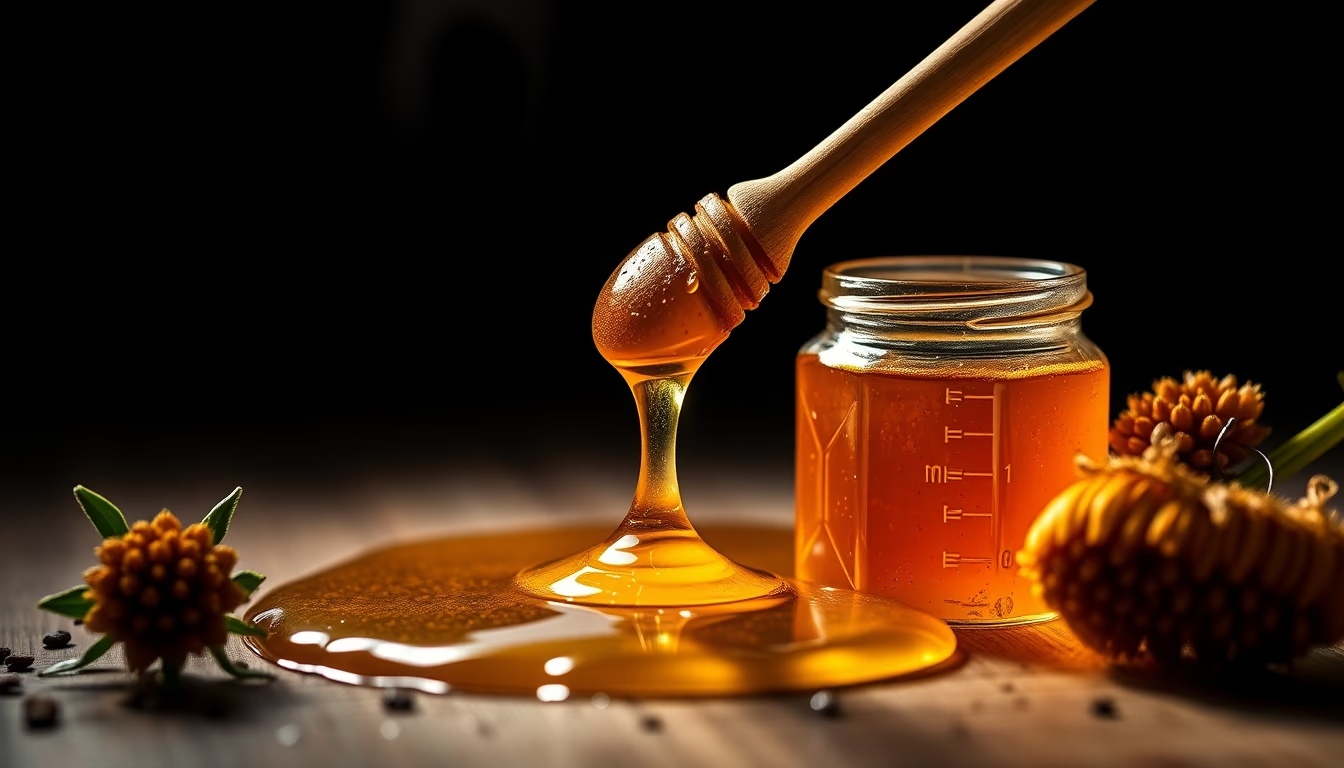
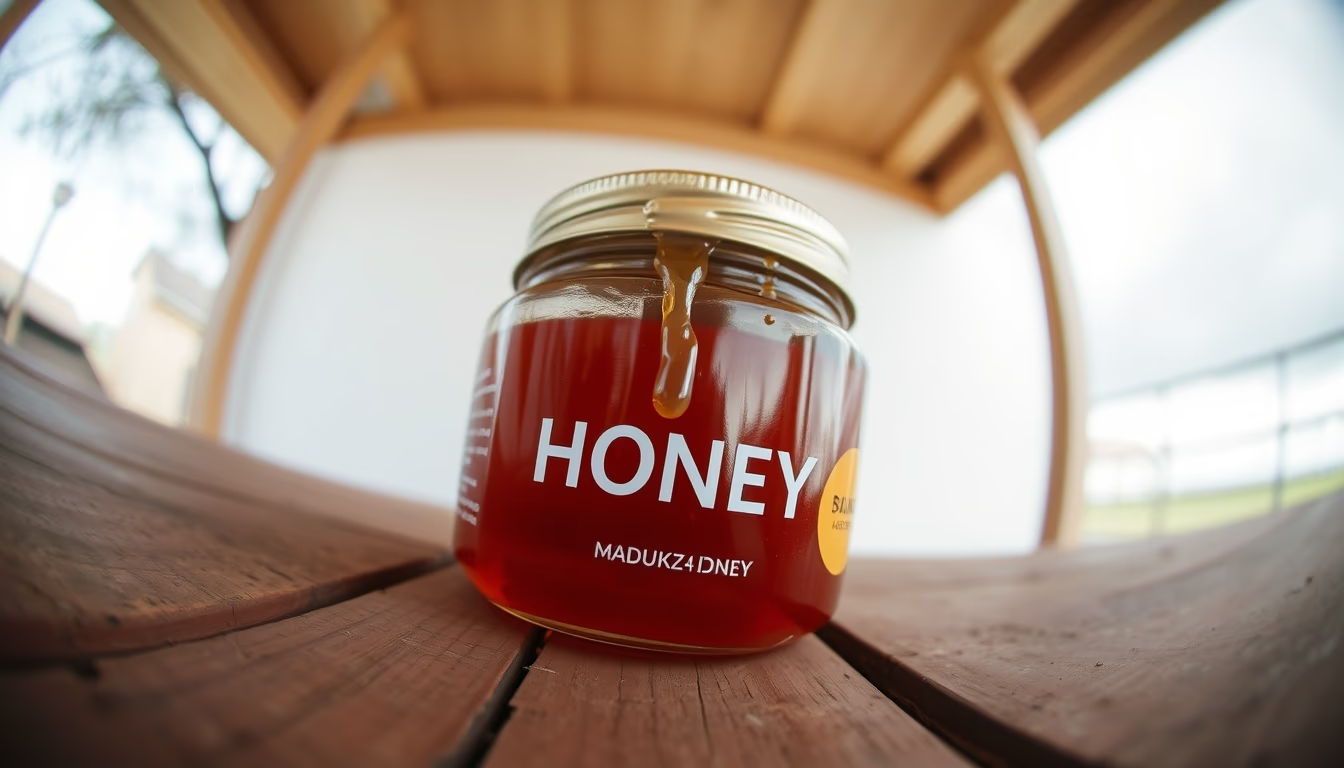
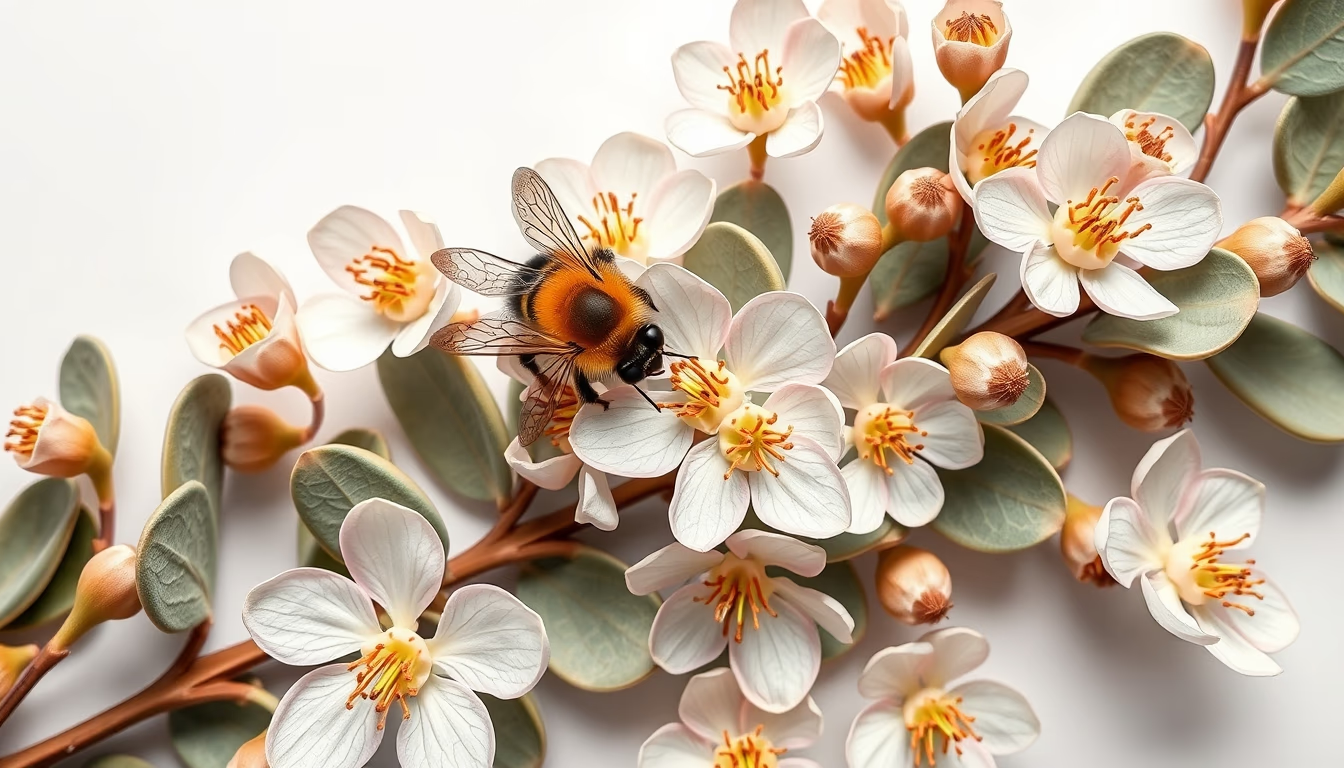
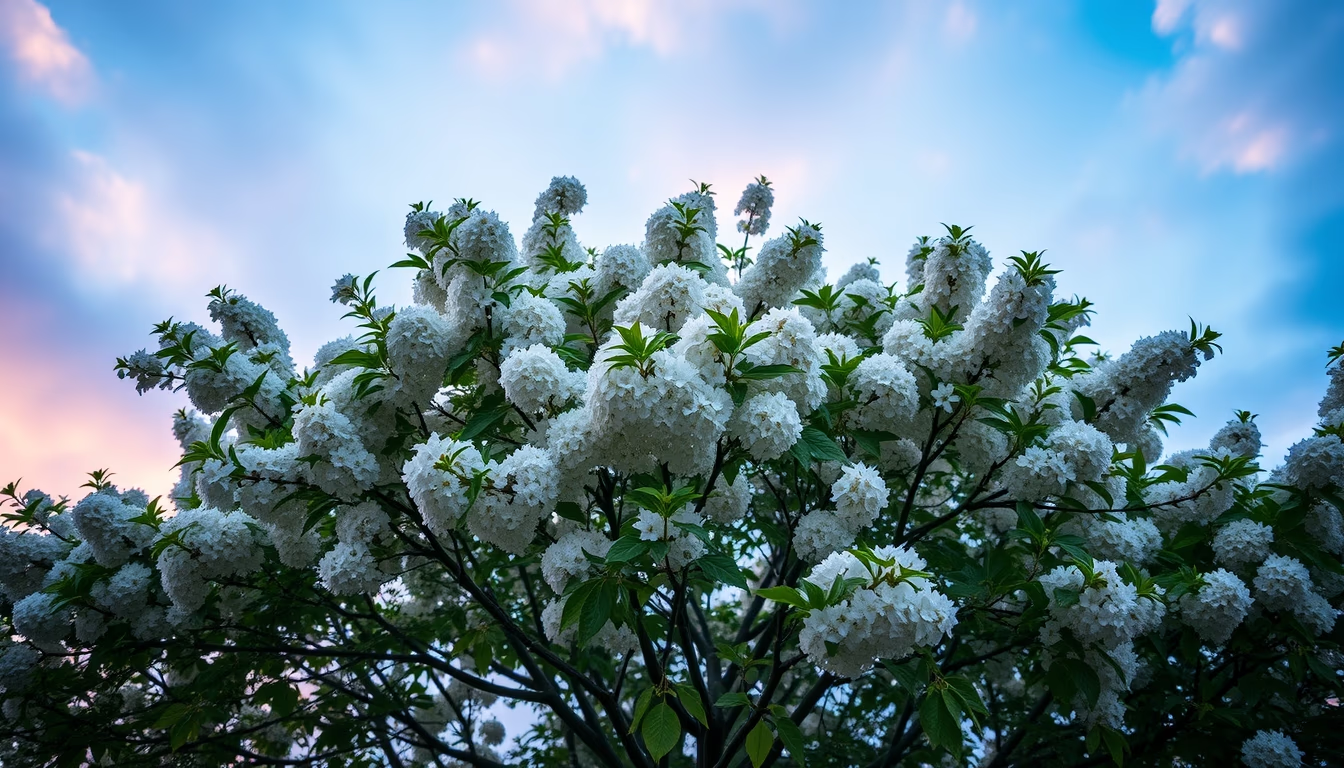
Manuka honey, produced from the flowers of the Manuka tree (Leptospermum scoparium) in New Zealand, is globally prized for its unique antibacterial properties.
About this subject
Manuka honey is a special type of monofloral honey originating from New Zealand and parts of Australia. It is produced by bees that pollinate the flowers of the Manuka tree (Leptospermum scoparium), a native plant adapted to poor soils and harsh climates. Unlike other honeys, Manuka contains high levels of methylglyoxal (MGO), a compound responsible for its potent antibacterial activity even when diluted. This property was discovered by New Zealand researcher Peter Molan in the 1980s, who established the basis for classifying honey by its antibacterial potential.
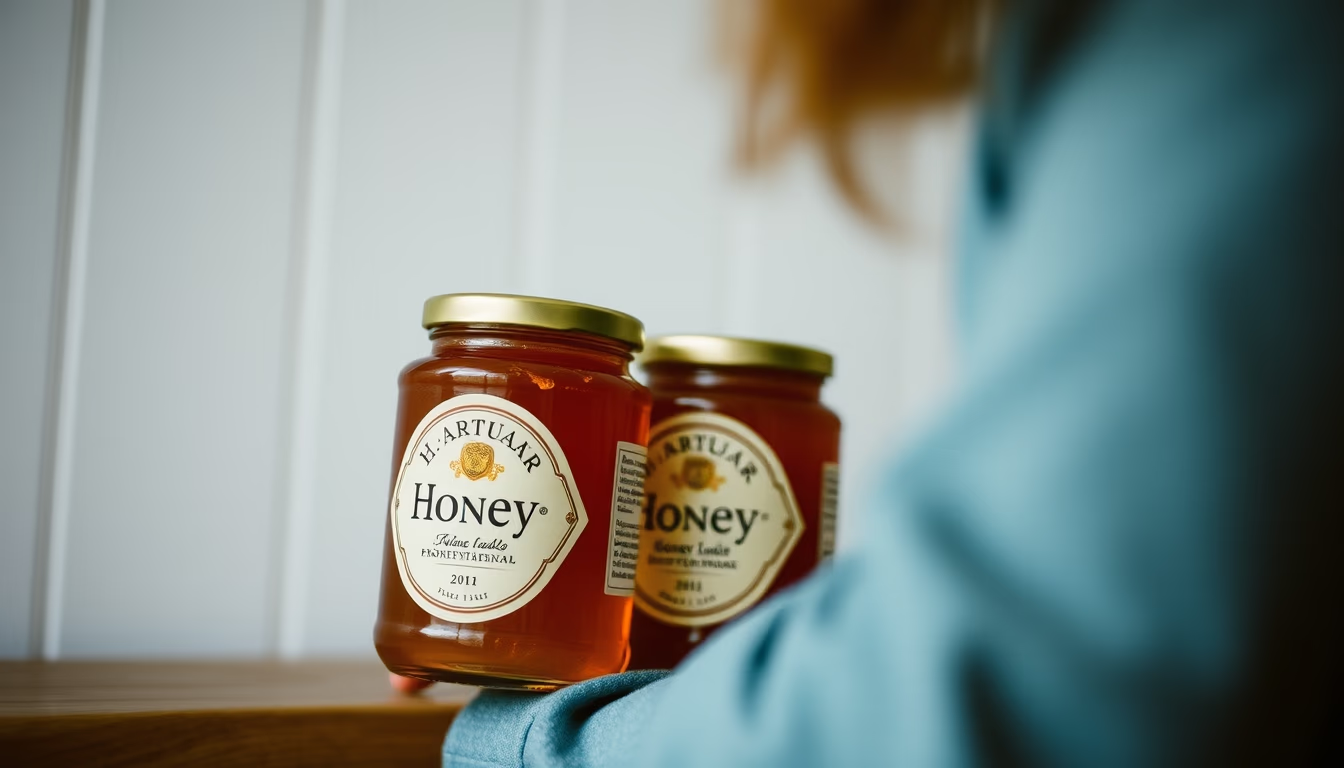
The quality and potency of Manuka honey are measured by rating systems such as UMF (Unique Manuka Factor) and MGO (methylglyoxal content). UMF is a registered trademark that certifies the honey meets strict standards of purity and antibacterial activity, while MGO indicates the exact concentration of methylglyoxal in mg/kg. Honeys with UMF 10+ or MGO 263+ are considered therapeutic, capable of inhibiting bacteria like Staphylococcus aureus and Helicobacter pylori. Therefore, Manuka is used in medical dressings, chronic wound treatments, sore throat relief, and even oral care products.
Culturally, Manuka honey holds special significance for the Māori people, who traditionally used the leaves and bark of the Manuka tree for medicinal purposes. Today, production is a major industry in New Zealand, generating millions in revenue and subject to counterfeiting due to high value. To ensure authenticity, producers use DNA tests that detect specific markers from Manuka pollen, along with chemical analysis. The purest and most potent honey can cost hundreds of dollars per kilogram, especially those with UMF 20+ (MGO 829+).
Beyond health benefits, Manuka honey is enjoyed in cuisine as a premium sweetener with an earthy, slightly herbaceous flavor. It can be eaten plain, added to teas, used in salad dressings, or paired with cheeses. Its creamy texture and dark amber color are distinctive. However, it should be stored in a cool, dark place to preserve its active enzymes.
Frequently Asked Questions
What makes Manuka honey different from other honeys?
The difference is the high concentration of methylglyoxal (MGO), which provides potent and lasting antibacterial properties even when diluted. Other honeys rely on hydrogen peroxide, but Manuka's MGO remains active longer.
How to choose a high-quality Manuka honey?
Look for UMF (Unique Manuka Factor) or MGO (methylglyoxal) ratings. Aim for at least UMF 10+ (MGO 263+) for therapeutic benefits. Beware of very low prices and prefer certified brands with traceability.
Can Manuka honey be used on open wounds?
Yes, especially medical-grade honey (UMF 15+ or higher). It is applied topically in dressings to treat chronic wounds, burns, and infections. Consult a healthcare professional for proper use.
Direct URL
https://pub-c7d6a6ea828543ac903a74a341ccb2e1.r2.dev/imagens/manuka-honey-new-zealand-fine-art-photography-fresh7.avifHow to credit
Include a visible link back to UtilizAí. Copy one of the snippets below:
<a href="https://xn--utiliza-eza.com/en/midia/imagens/manuka-honey-new-zealand-fine-art-photography-fresh7">Manuka honey new zealand</a> by <a href="https://xn--utiliza-eza.com">UtilizAí</a>, licensed under <a href="https://creativecommons.org/licenses/by/4.0/">CC BY 4.0</a>.
[Manuka honey new zealand](https://xn--utiliza-eza.com/en/midia/imagens/manuka-honey-new-zealand-fine-art-photography-fresh7) by [UtilizAí](https://xn--utiliza-eza.com), CC BY 4.0
License: CC-BY-4.0